Artwork
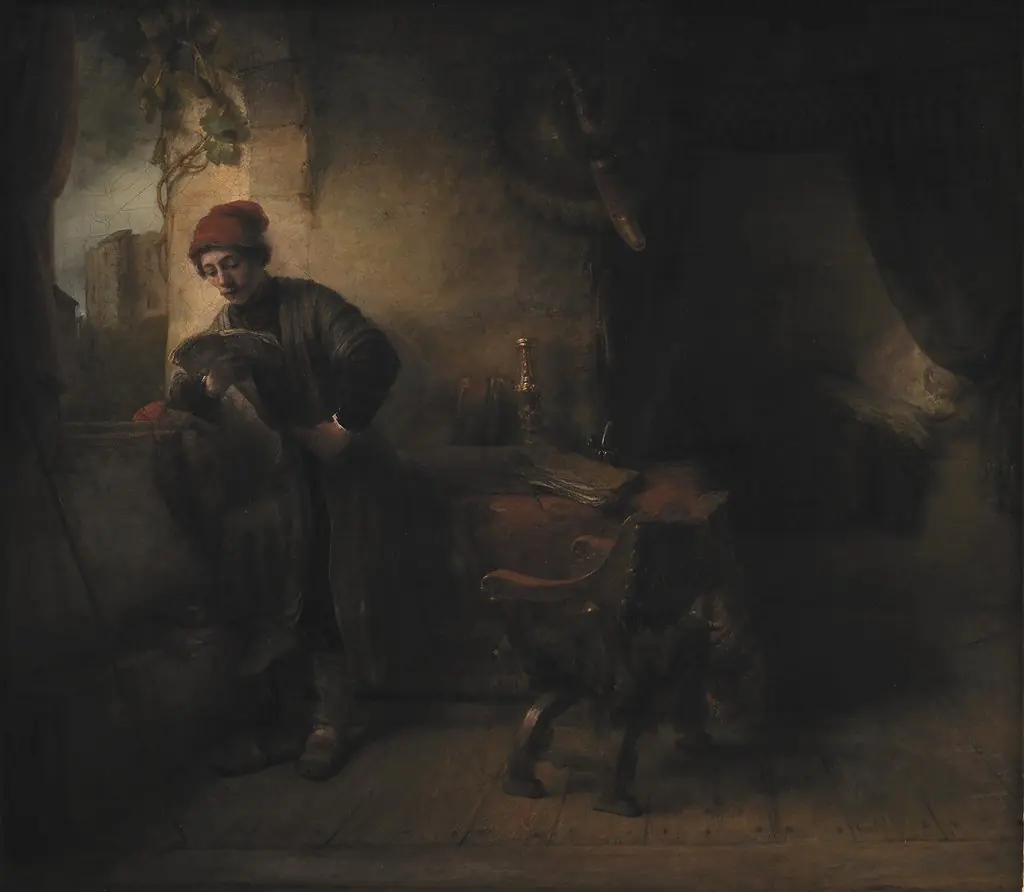
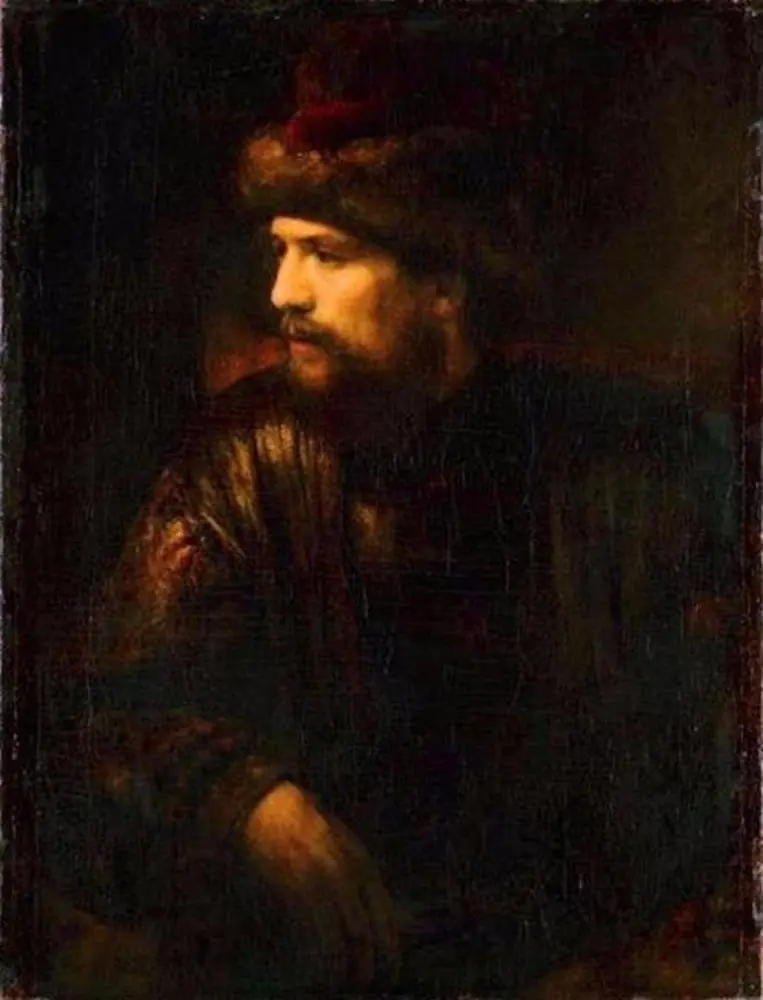
Man in a Red Kolpak
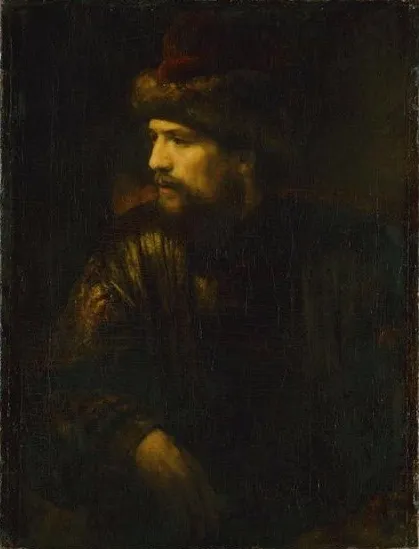
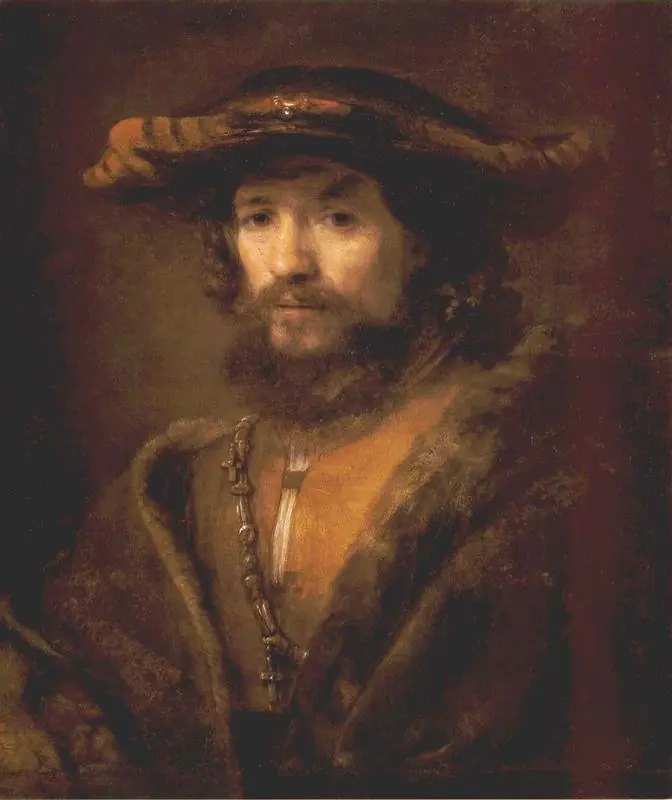
Man in a Red Kolpak is an oil painting by the Dutch Golden Age artist Willem Drost. It dates from 1654 and is held in the collection of the Staatliche Kunstsammlungen Dresden.
About this work
Overview
Painted in 1654 by Willem Drost, this oil portrait captures a man wearing a red kolpak, a fur-lined cap associated with Eastern European attire.
Painted in 1654 by Willem Drost, this oil portrait captures a man wearing a red kolpak, a fur-lined cap associated with Eastern European attire. The work exemplifies Drost’s engagement with portraiture during the Dutch Golden Age, emphasizing psychological presence over narrative context. Its compact scale and intense focus reflect the period’s interest in individual character rendered with quiet precision.
Subject & Meaning
The figure, shown in strict profile, wears a dark fur collar that frames his impassive expression. The kolpak, though culturally specific, is presented without overt symbolism, suggesting a focus on personal identity rather than social status or occupation. The absence of props or background detail directs attention to the sitter’s demeanor, inviting contemplation of inner life through stillness.
Technique & Style
Drost employs chiaroscuro to model the face with sharp contrasts between light and deep shadow, enhancing the three-dimensionality of the features. The red kolpak, rendered with thick pigment, stands out against the near-black background, heightening visual tension. Brushwork is controlled yet expressive, particularly in the rendering of fur texture and the subtle gradations of skin tone.
History & Provenance
The painting has been part of the Gemäldegalerie Alte Meister’s collection since at least the 19th century, likely acquired through the broader consolidation of Dutch Golden Age works by European institutions. Its attribution to Drost is supported by stylistic parallels with his other portraits and documented works from the mid-1650s.
Context
During the 1650s, Dutch artists increasingly turned to intimate portraiture, often depicting sitters in non-narrative poses with dramatic lighting. Drost, a pupil of Rembrandt, adapted his master’s use of shadow and psychological depth. The kolpak, while not typically Dutch, reflects the era’s cosmopolitan exchange and interest in foreign dress as markers of individuality.
Legacy
Though less widely known than his contemporaries, Drost’s portraits like this one contributed to the evolution of Dutch psychological portraiture. The painting’s restrained composition and emphasis on mood influenced later generations focused on the expressive potential of minimalism and chiaroscuro in small-scale works.
Artist & collection
Artist
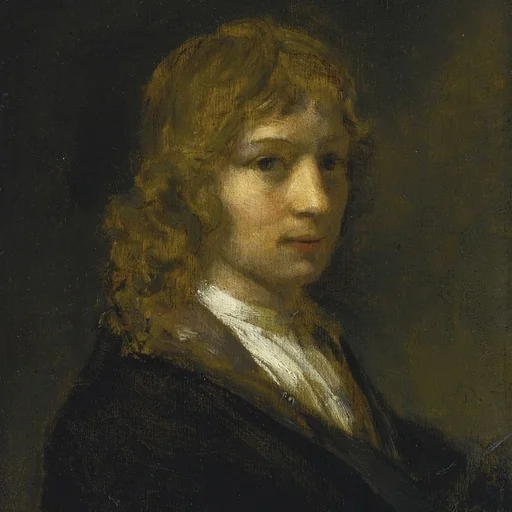
Willem Drost (baptized 19 April 1633 – buried 25 February 1659) was a Dutch Golden Age painter and printmaker of history paintings and portraits.