Artwork
Man with a fur hat
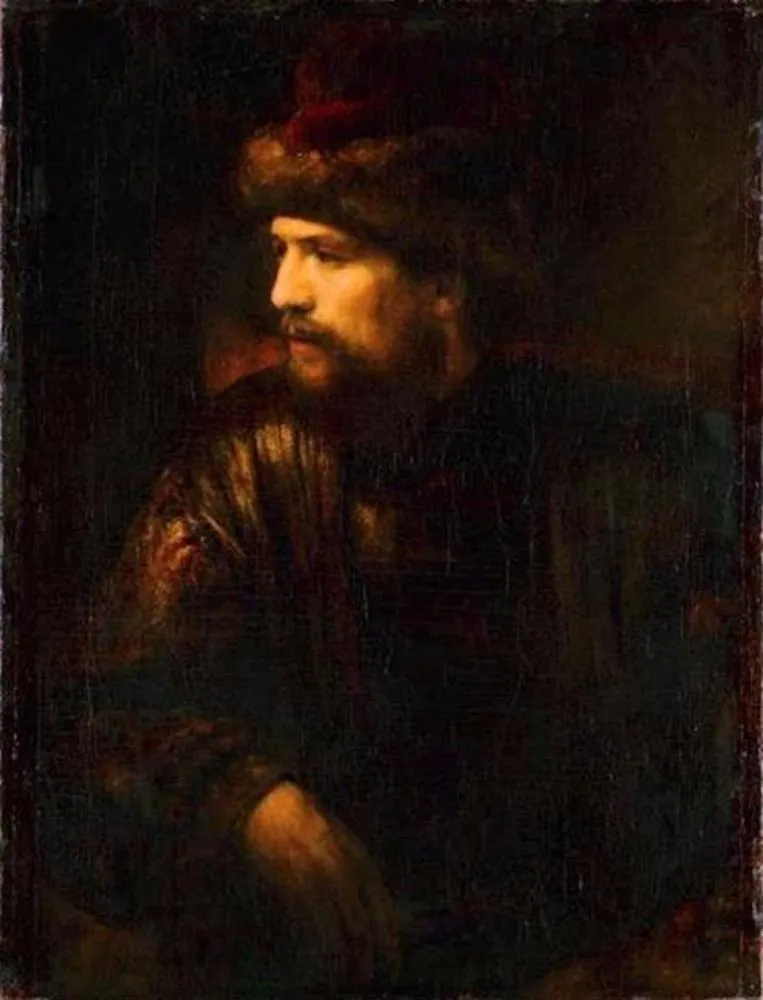
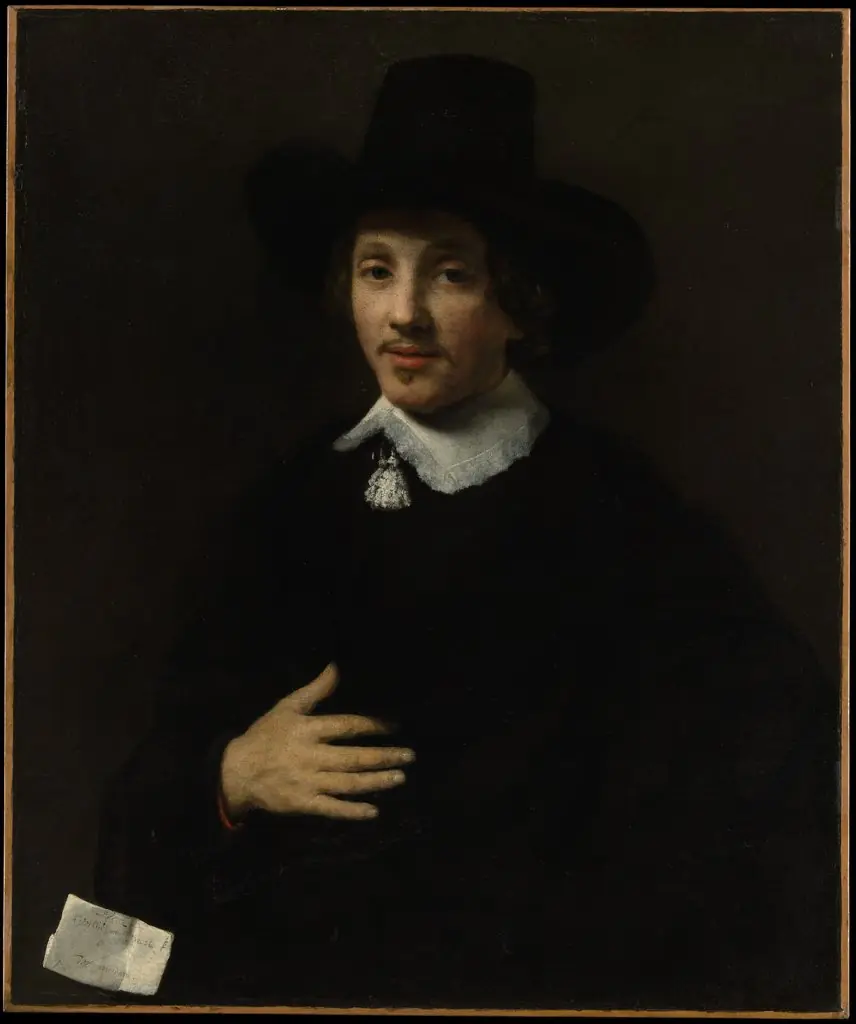
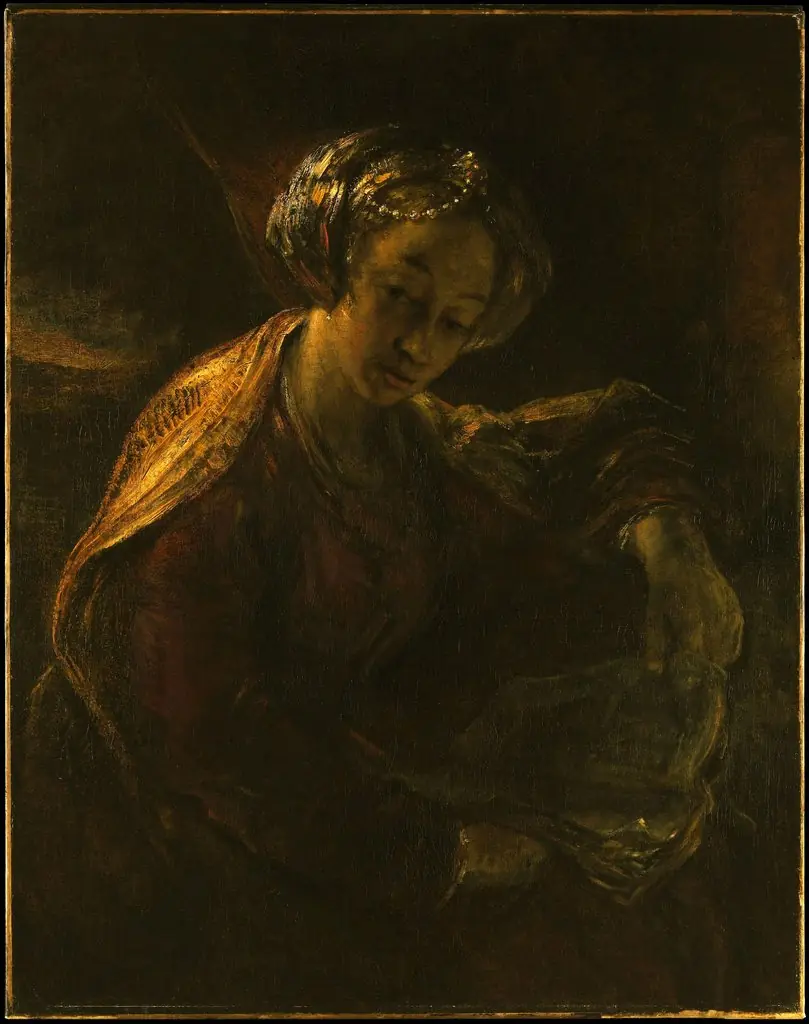
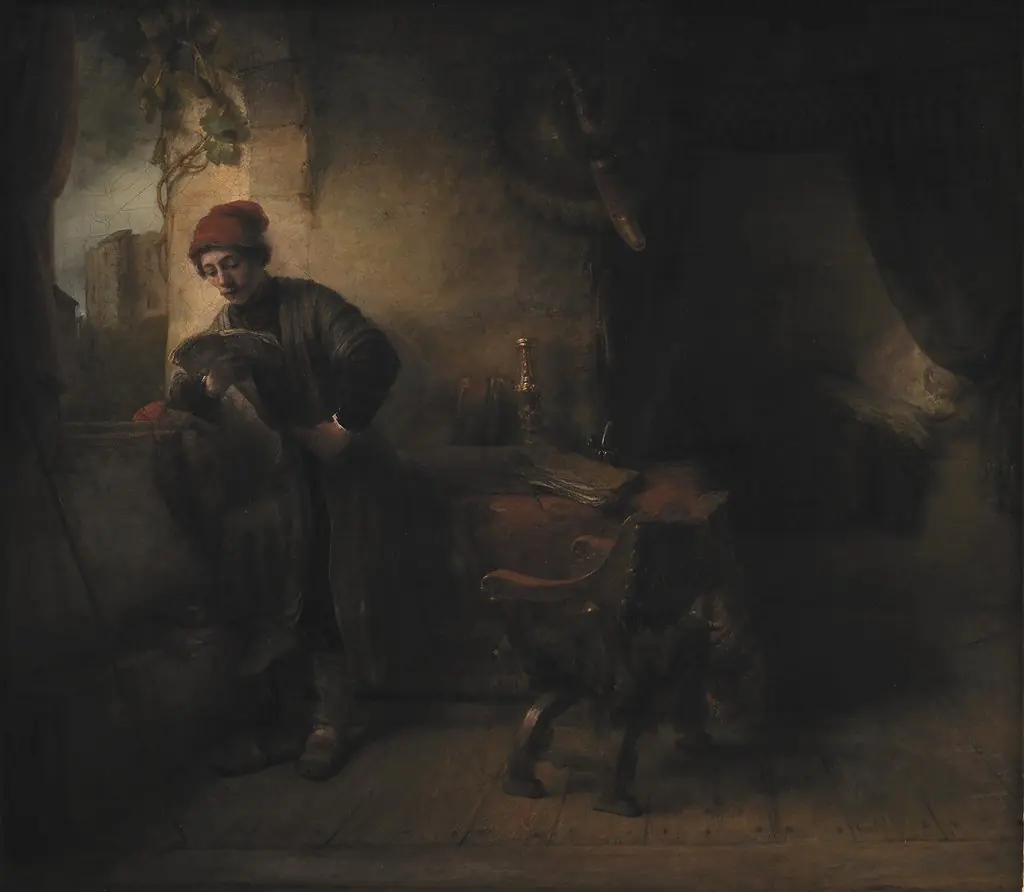
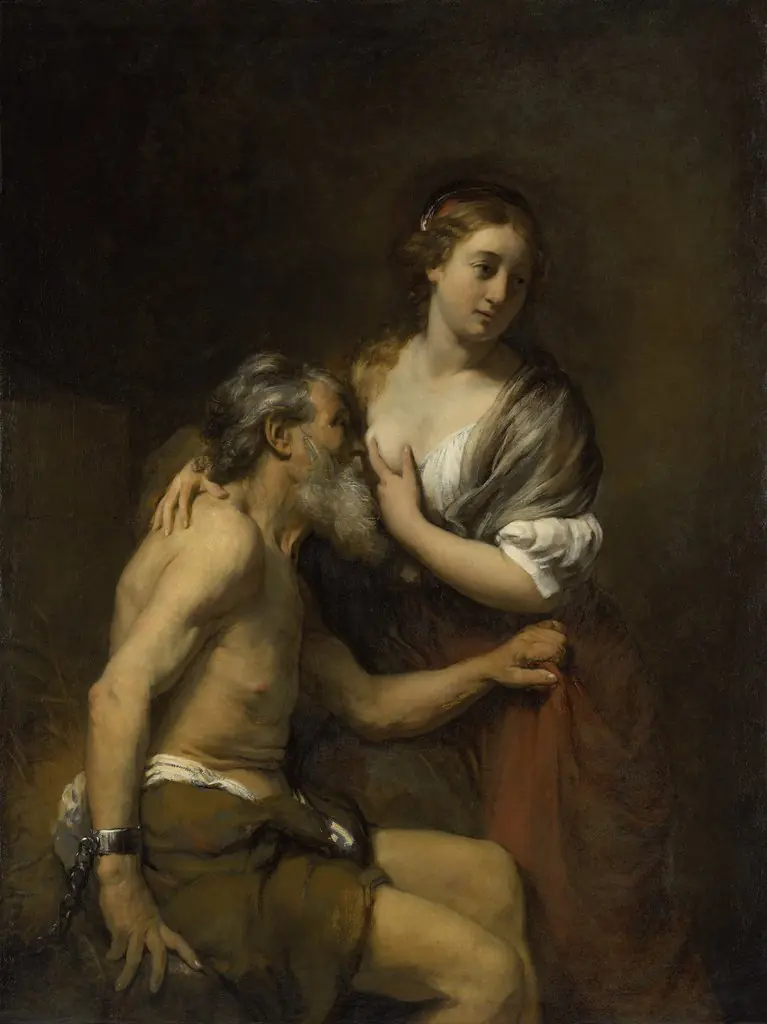
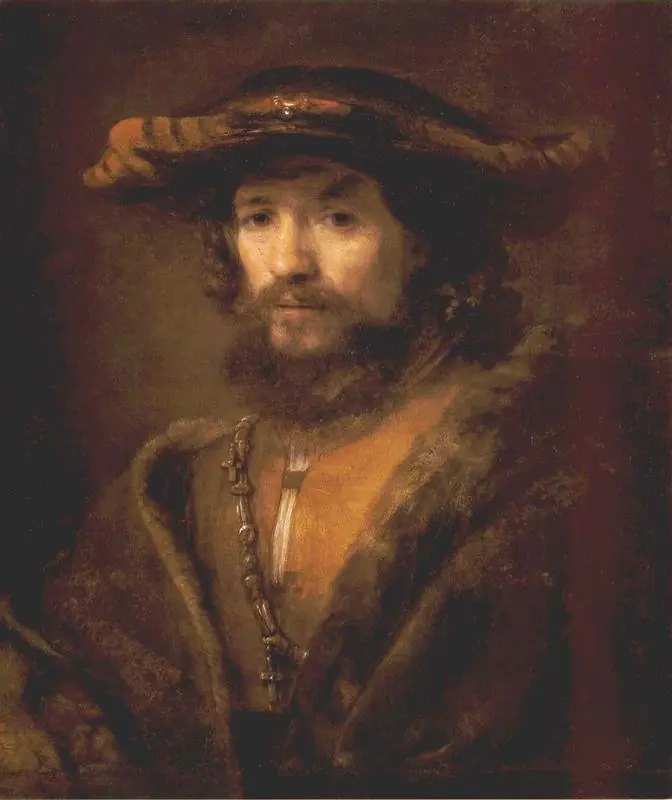
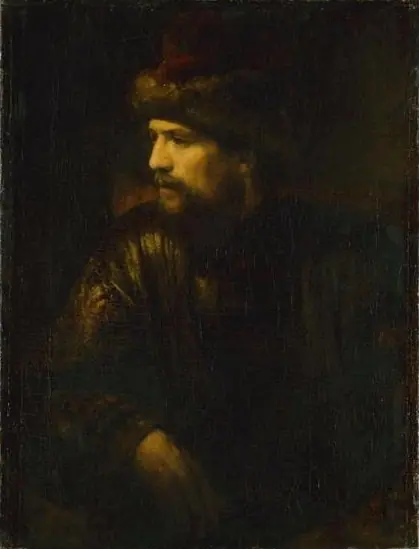
Man with a fur hat is an oil painting by the Dutch Golden Age artist Willem Drost. It dates from 1654 and is held in the collection of the Staatliche Kunstsammlungen Dresden.
About this work
Overview
The work is held in the Gemäldegalerie Alte Meister, reflecting its place within a broader collection of 17th-century Northern European art.
Painted in 1654 by Willem Drost, this oil-on-canvas portrait depicts a man wearing a fur-lined hat and a dark jacket. Drost, a Dutch artist active during the Golden Age, was known for both historical scenes and intimate portraits. The work is held in the Gemäldegalerie Alte Meister, reflecting its place within a broader collection of 17th-century Northern European art. Its modest scale and focused composition suggest a study of character rather than a formal commission.
Subject & Meaning
The subject is a man with a full beard, gazing to his left with quiet intensity. His attire—a heavy fur hat and dark outer garment—hints at northern European origins or a climate-conscious wardrobe, though no specific identity is recorded. The lighting draws attention to his face, emphasizing presence over status. Without symbols of rank or profession, the portrait invites contemplation of individuality, a common theme in Dutch portraiture of the era.
Technique & Style
Drost employs chiaroscuro to model the figure against a deep, unbroken background, enhancing the three-dimensionality of the face and fur. The brushwork is precise yet unobtrusive, particularly in the rendering of the hat’s texture and the subtle gradations of skin tone. The dark clothing absorbs light, making the illuminated features appear more vivid. This restrained approach aligns with the Dutch preference for naturalism over theatricality.
History & Provenance
The painting was created in 1654 during Drost’s time in Amsterdam, likely before his brief stay in Venice. It entered the Gemäldegalerie Alte Meister’s collection in the 19th century, following the consolidation of European royal and aristocratic holdings. No early records of ownership or commission survive, suggesting it may have been a private study or an artist’s exercise rather than a commissioned portrait.
Context
In mid-17th-century Holland, portraiture flourished beyond aristocratic circles, extending to merchants, scholars, and professionals. While many portraits included props or settings indicating status, Drost’s work strips away such cues, focusing on psychological presence. This reflects a broader trend in Dutch art toward introspective, unadorned depictions of individuals, influenced by humanist ideals and the rise of a literate middle class.
Legacy
Though Drost is less widely known than contemporaries like Rembrandt, this portrait exemplifies his skill in capturing quiet dignity through light and form. It contributes to the understanding of how Dutch artists explored identity without overt narrative. The work remains a quiet example of the era’s capacity to convey depth through simplicity, influencing later generations interested in psychological portraiture.
Artist & collection
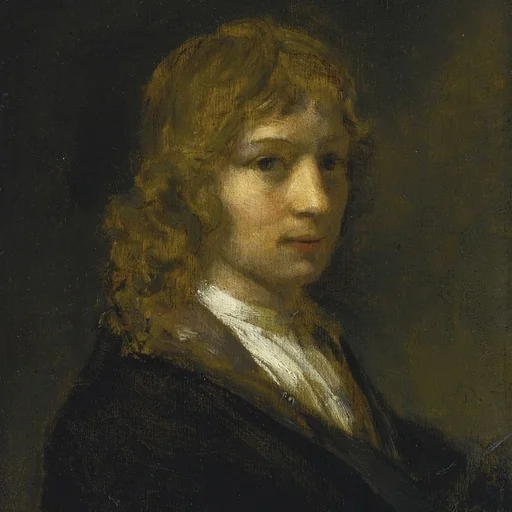
Artist
Willem Drost (baptized 19 April 1633 – buried 25 February 1659) was a Dutch Golden Age painter and printmaker of history paintings and portraits.