Artwork
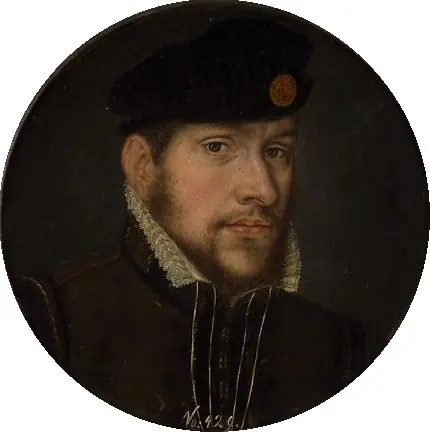
Portrait of a Man, called Mark Ker (died 1584)
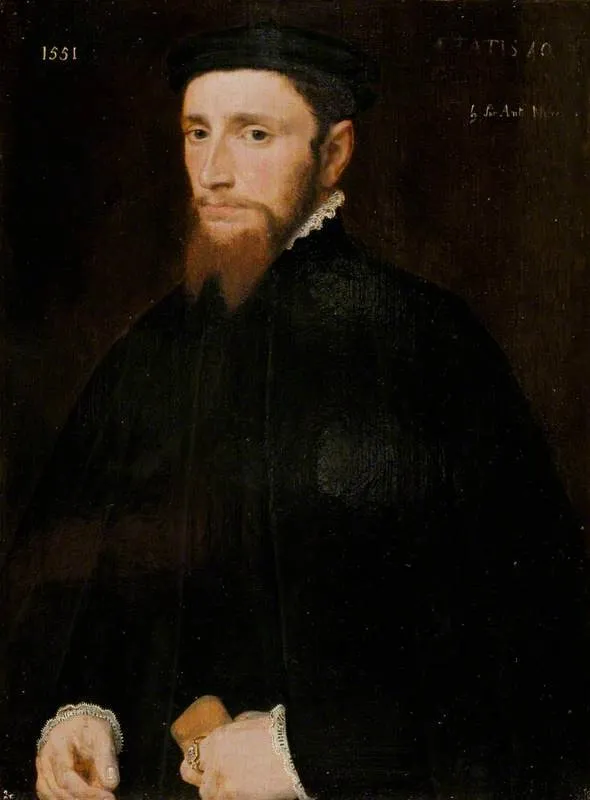
Portrait of a Man, called Mark Ker (died 1584) is an oil painting by the Flemish Baroque painting artist Willem Key. It dates from 1551 and is held in the collection of the National Galleries Scotland.
About this work
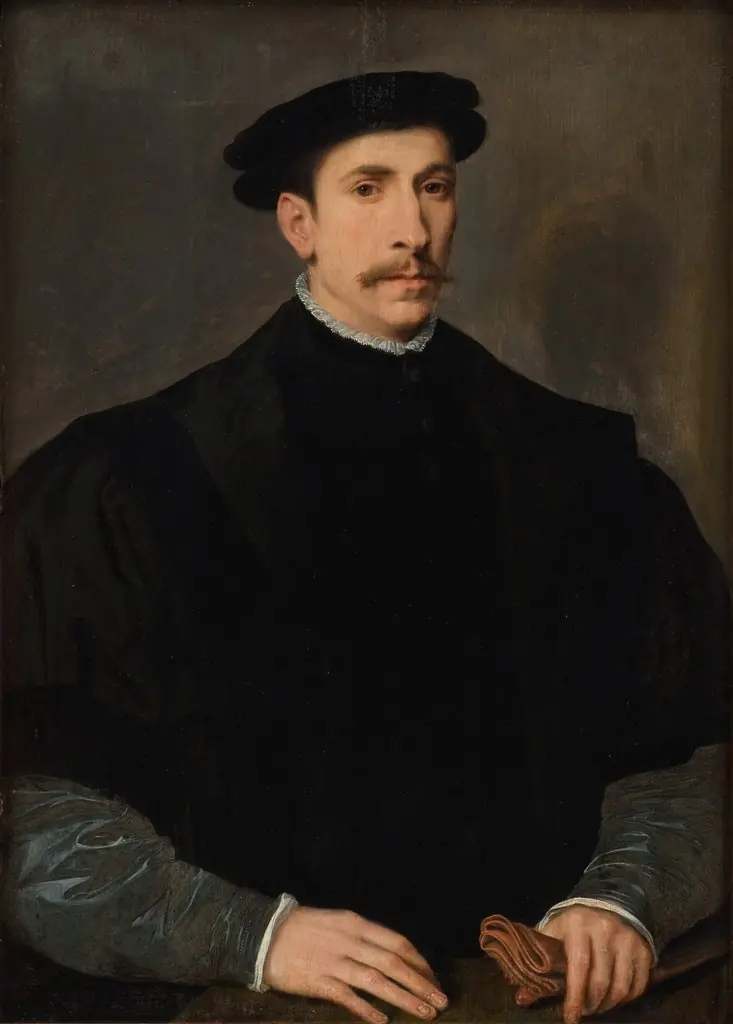
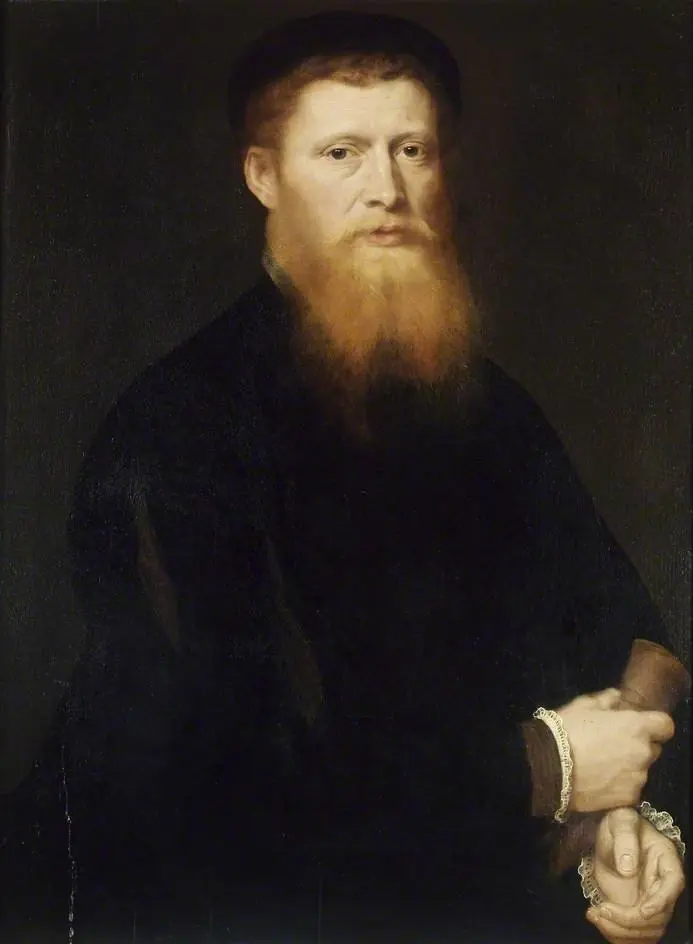
The painting depicts a man with a long, reddish-brown beard and mustache, wearing a black hat and coat with white lace trim on the cuffs and collar.
The painting depicts a man with a long, reddish-brown beard and mustache, wearing a black hat and coat with white lace trim on the cuffs and collar. He is holding a small object in his right hand, possibly a ring or a pendant, and his left hand is resting on a surface that is not fully visible. The background of the painting is dark, which helps to focus attention on the subject.
The man's attire and the style of the painting suggest that it is from the 16th century. The level of detail in the subject's clothing and accessories is impressive, indicating the artist's skill and attention to detail.
This painting is a fine example of the work of artist Willem Key.
Overview
Painted in 1551 by Willem Key, this oil-on-panel portrait depicts a man traditionally identified as Mark Ker, who died in 1584. The sitter is presented in a three-quarter view against a dark, neutral background, a compositional choice that emphasizes his facial features and attire. He wears a black hat and a matching black coat, accented by white lace trim at the collar and cuffs. His face is characterized by a long, reddish-brown beard and mustache. In his right hand, he holds a small, indistinct object, likely a ring or pendant, while his left hand rests on an unseen surface. Key, a prominent Flemish painter active in Antwerp, was known for his sophisticated portraiture that blended Netherlandish detail with Italianate influence. This work exemplifies his mature style from the early 1550s, capturing the status and demeanor of a wealthy merchant or nobleman with psychological depth and precise rendering of textures. The painting serves as a significant example of mid-16th-century Flemish portraiture, reflecting the artistic trends of the Antwerp school during its commercial peak.
Subject & Meaning
The sitter is shown with a long reddish‑brown beard and mustache, dressed in a black hat and coat trimmed with white lace at the cuffs and collar. He holds a small object—perhaps a ring or pendant—in his right hand, a gesture that may allude to status or personal identity.
Technique & Style
Key employs a dark, muted background that isolates the figure, allowing the fine rendering of fabric and facial features to dominate. The meticulous attention to lace detail and the subtle modeling of light across the skin demonstrate the artist’s technical proficiency typical of Flemish portraiture of the period.
History & Provenance
Created in 1551, the portrait entered the Scottish National Gallery’s holdings in the twentieth century, though earlier ownership records are scarce. Its attribution to Willem Key rests on stylistic comparison with his documented works.
Context
The portrait reflects the fashion and social conventions of the mid‑1500s in the Low Countries, where elaborate lace and dark garments signified wealth and respectability. Such individual likenesses were often commissioned to affirm lineage and status.
Artist & collection

 Portrait of a Man
 Half-length Portrait of a bearded Man
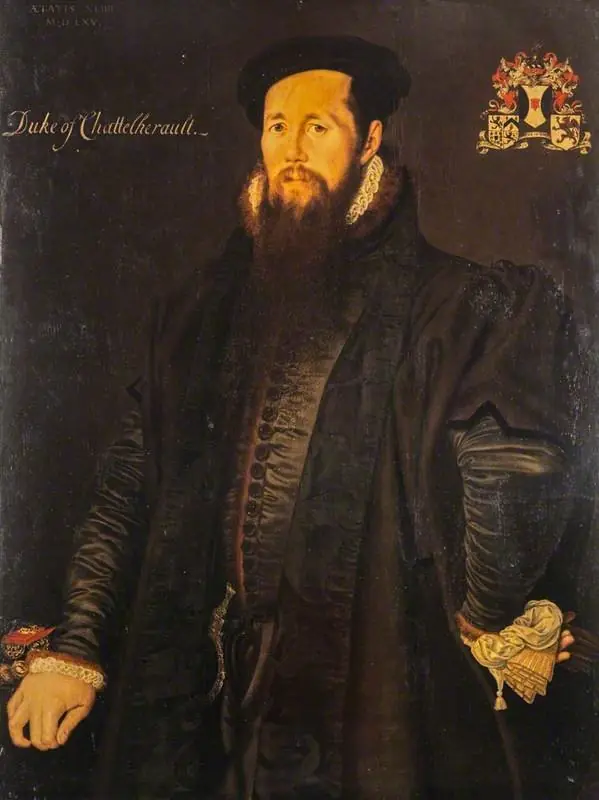 Derick Anthony (active 1550 - 1569)
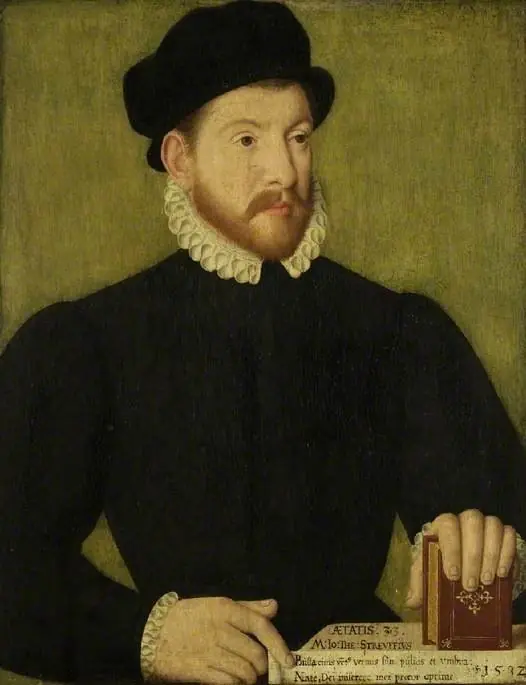 Johannes Theodorus Streuffius
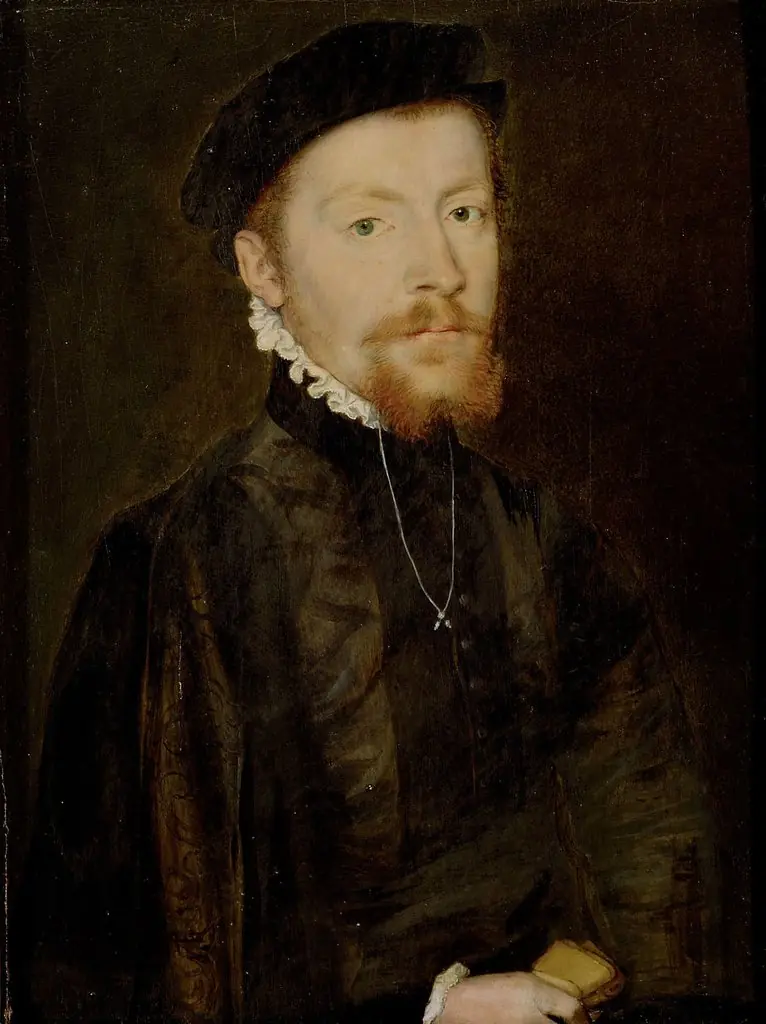 Rotbärtiger Mann
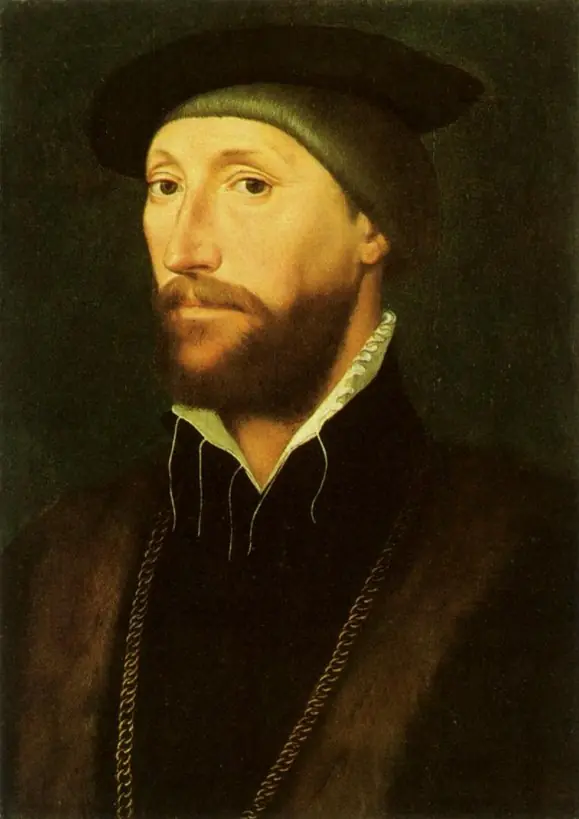 Portrait of Sir Thomas Le Strange
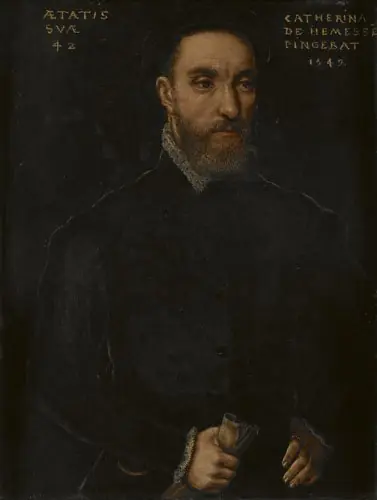 Portrait of a 42-year-old Man
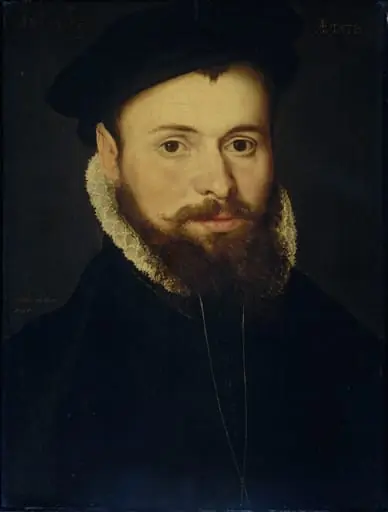 Portrait of a young Man
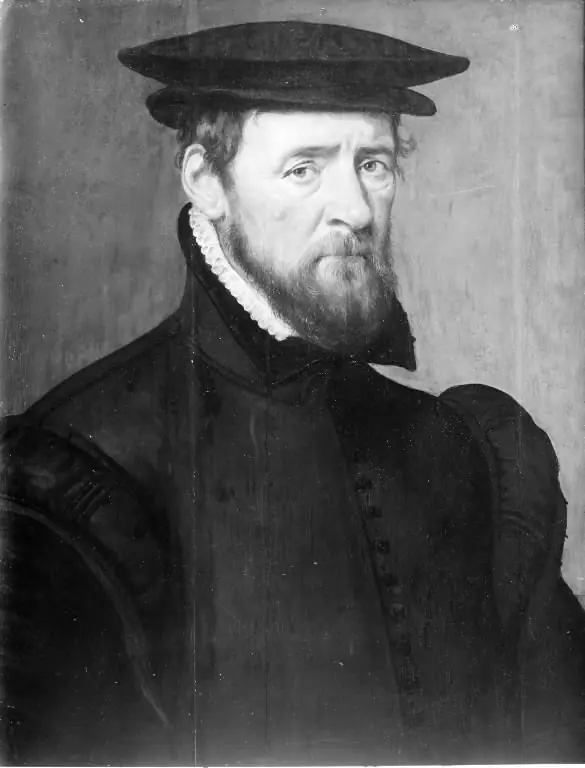 Mandsportræt
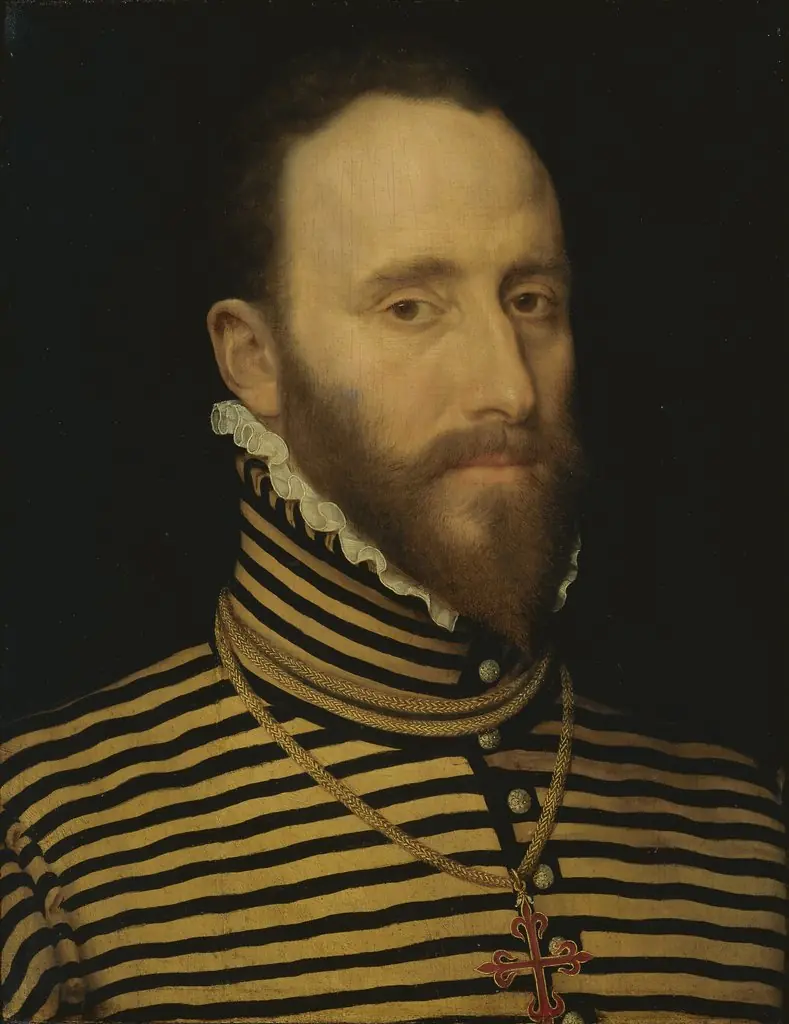 Portrait of a Knight of the Order of Calatrava, probably of the Sorias or Soreau Lineage (Sorel)
 Bildnis eines ungekannten Mannes in braunem Wams mit braunem kurzem Bart und Schnurrbart und Barett
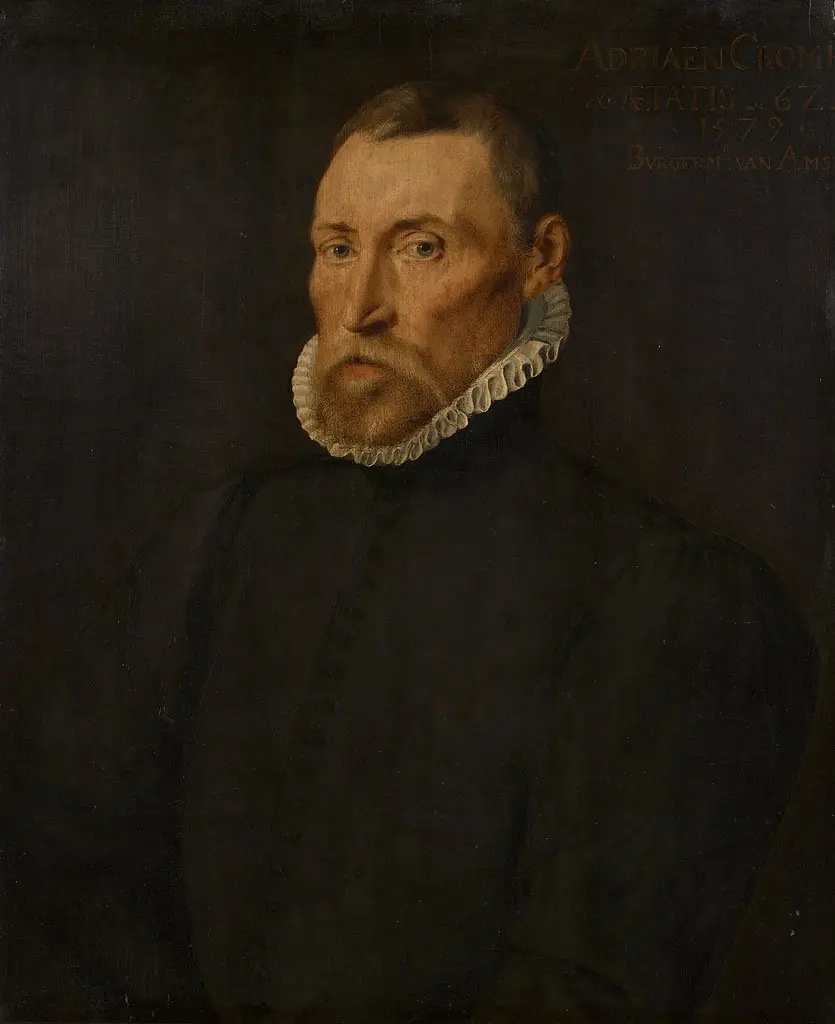 Portrait of Adriaen Cromhout (d.1588)