Artwork
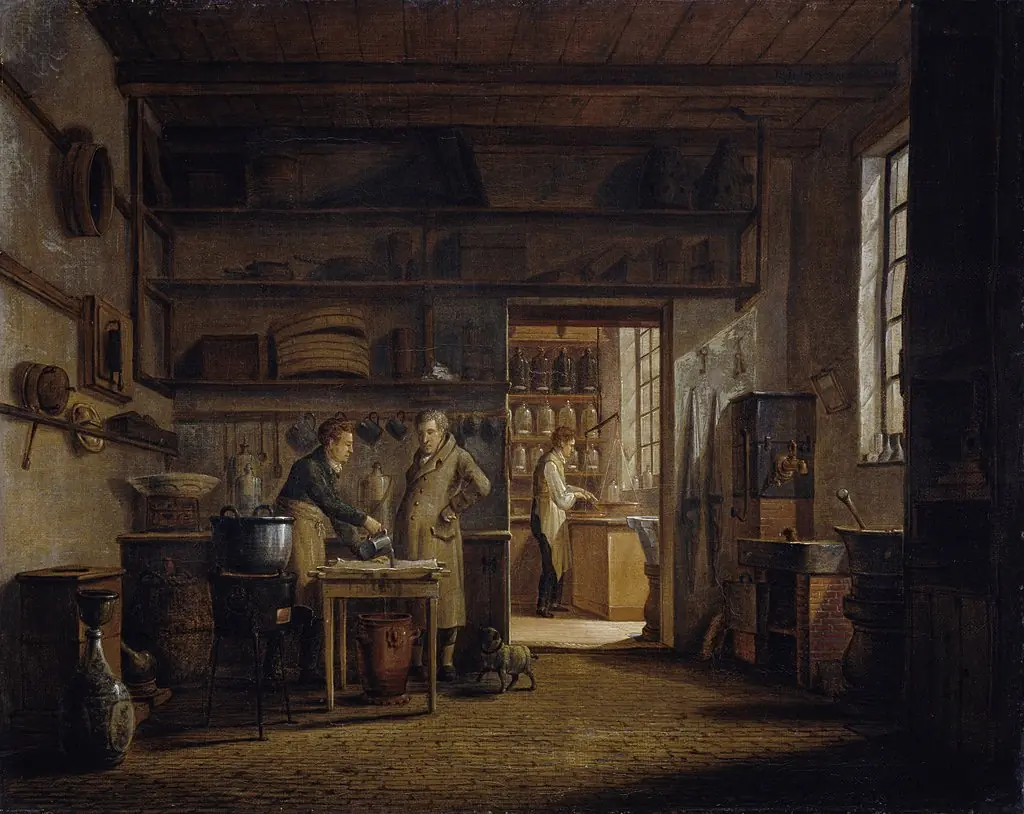
The Workshop of Geert de Winter
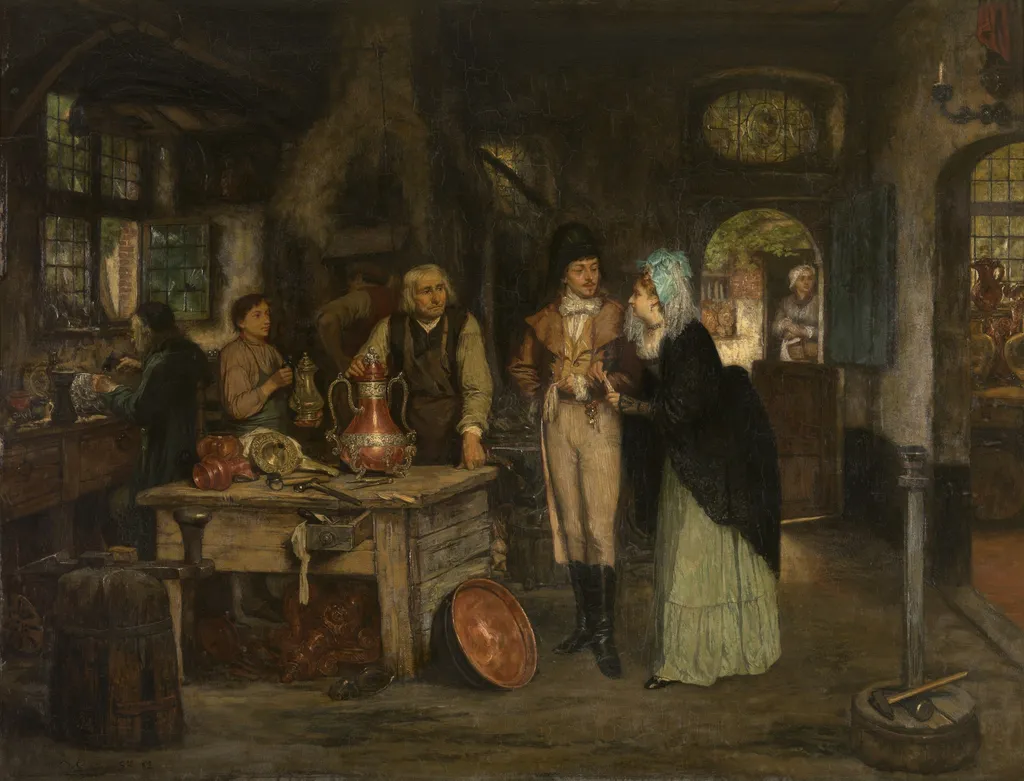
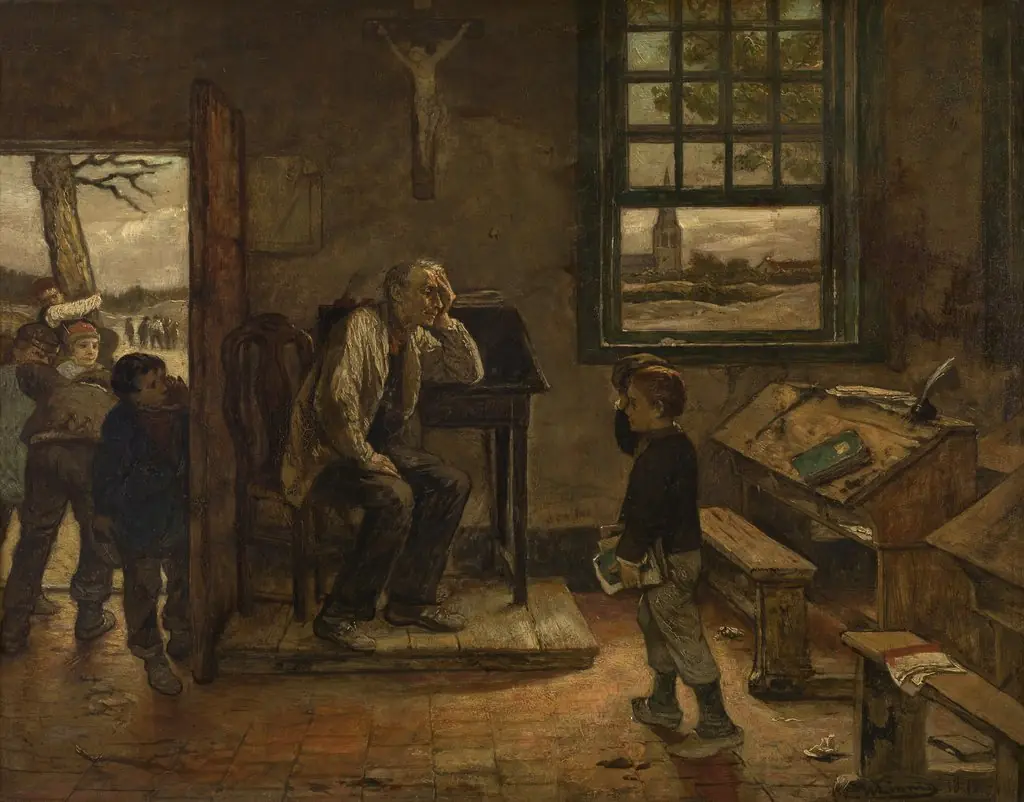
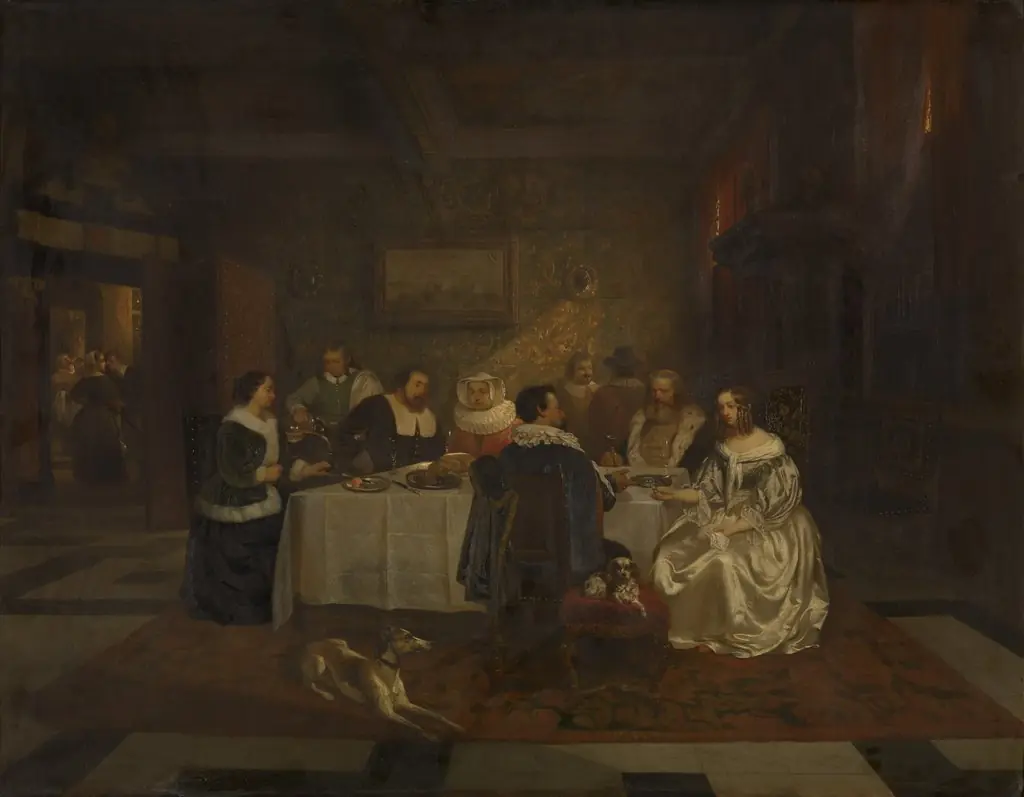
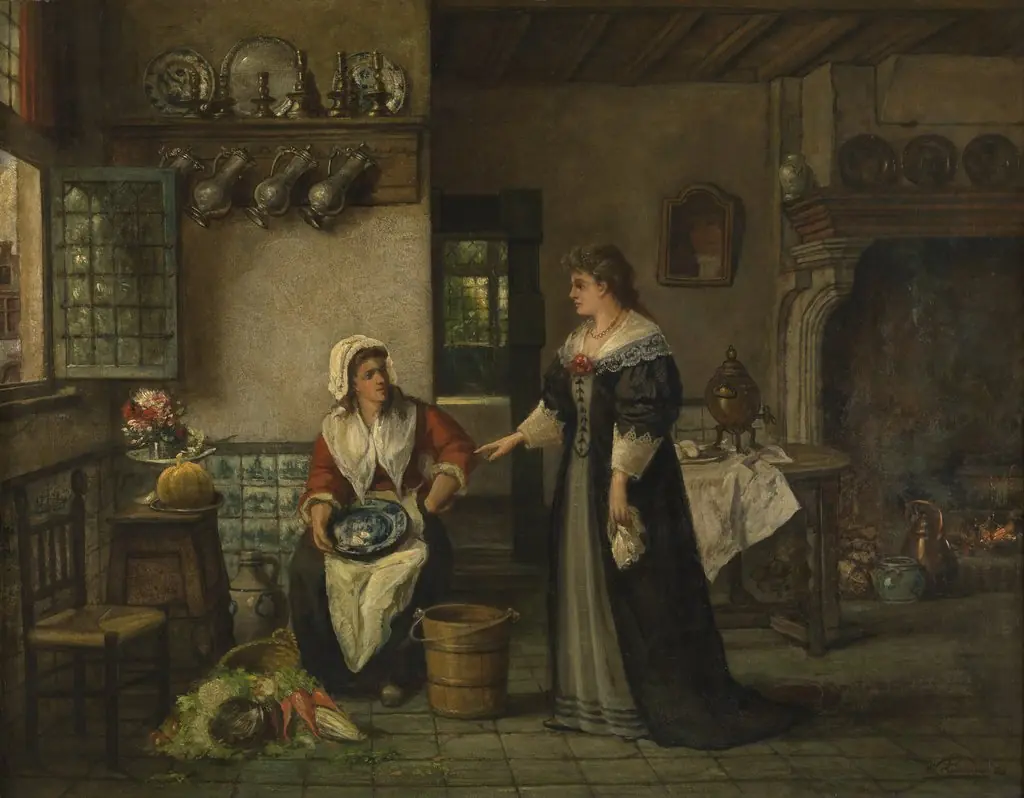
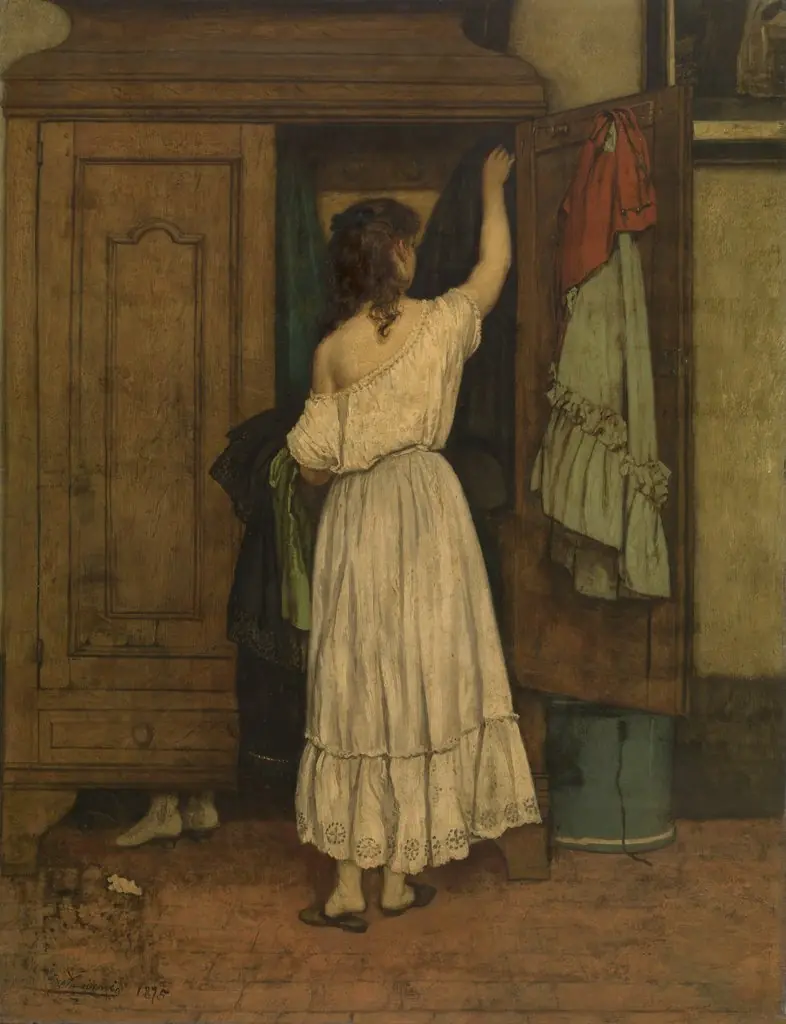
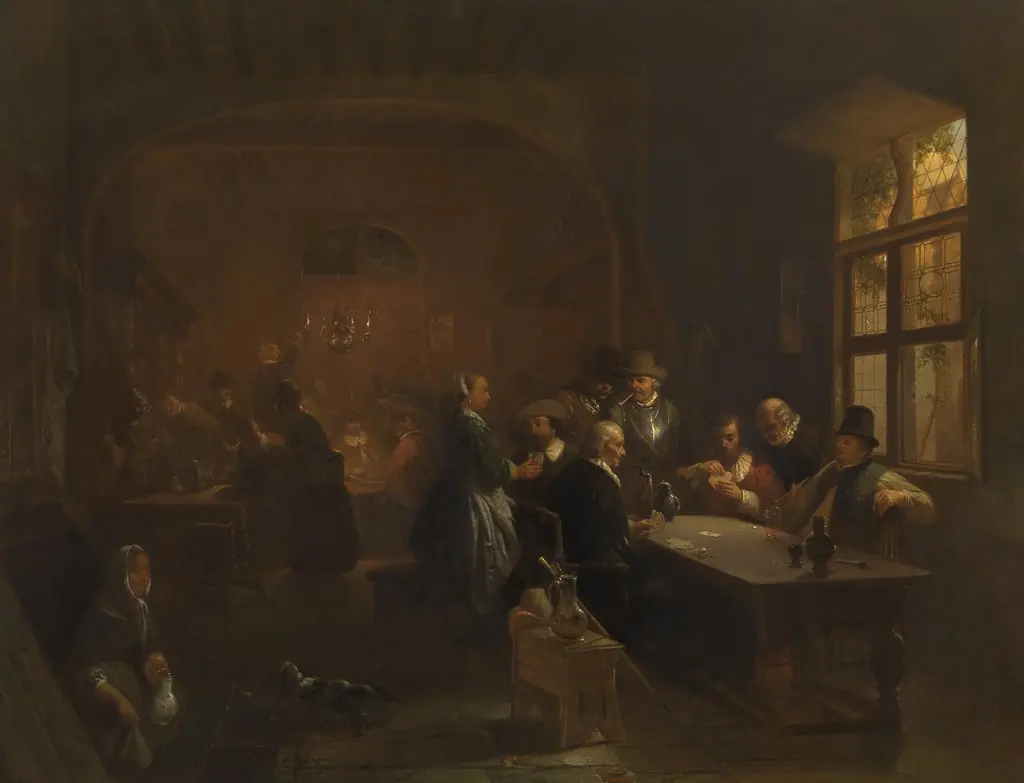
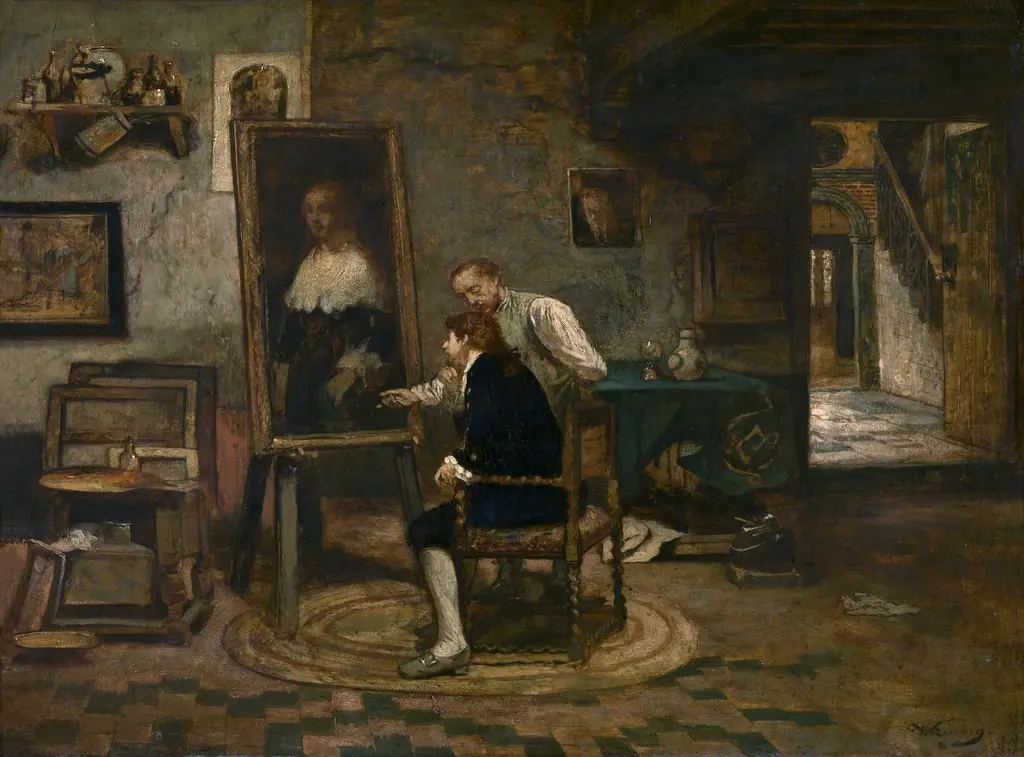
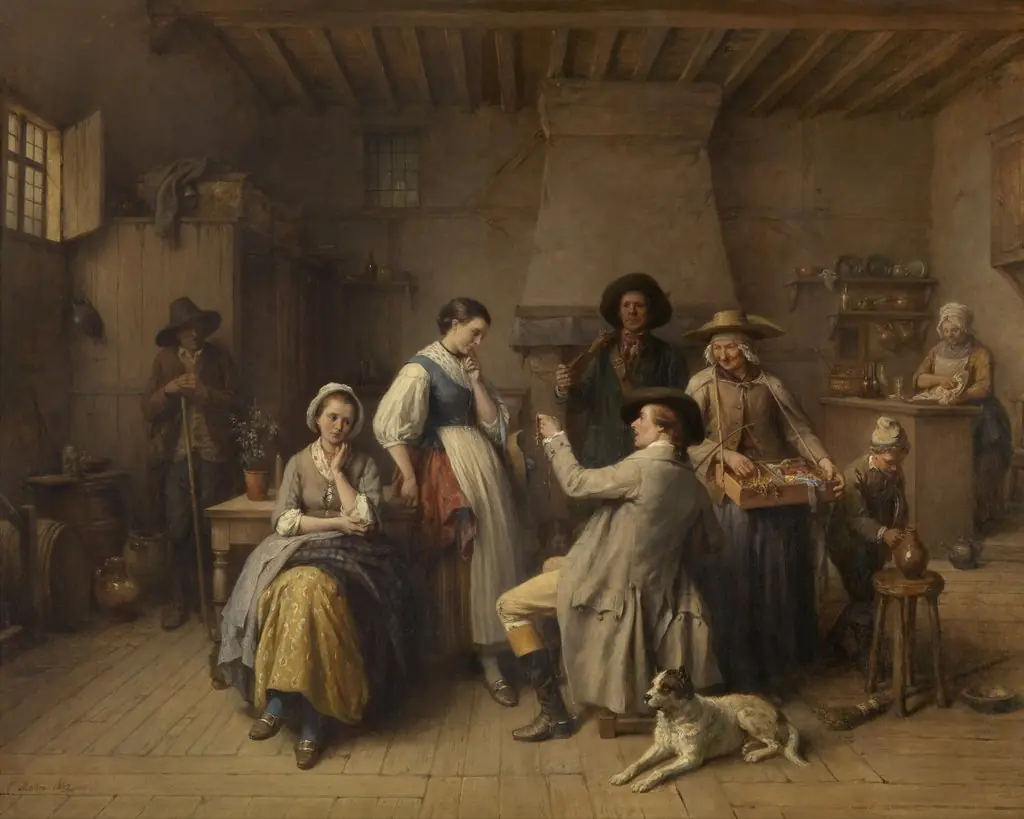
The Workshop of Geert de Winter is an oil painting by the Biedermeier artist Willem Linnig the Elder. It dates from 1862 and is held in the collection of the Royal Museum of Fine Arts Antwerp.
About this work
Overview
The painting is part of the Royal Museum of Fine Arts Antwerp’s collection, reflecting 19th-century interest in preserving the visual culture of skilled labor.
Painted in 1862 by Willem Linnig the Elder, this oil-on-canvas work captures an artisan’s workshop in quiet, detailed realism. Linnig, a Belgian artist with a focus on historical and everyday scenes, drew inspiration from earlier Flemish and Dutch genre traditions. The painting is part of the Royal Museum of Fine Arts Antwerp’s collection, reflecting 19th-century interest in preserving the visual culture of skilled labor.
Subject & Meaning
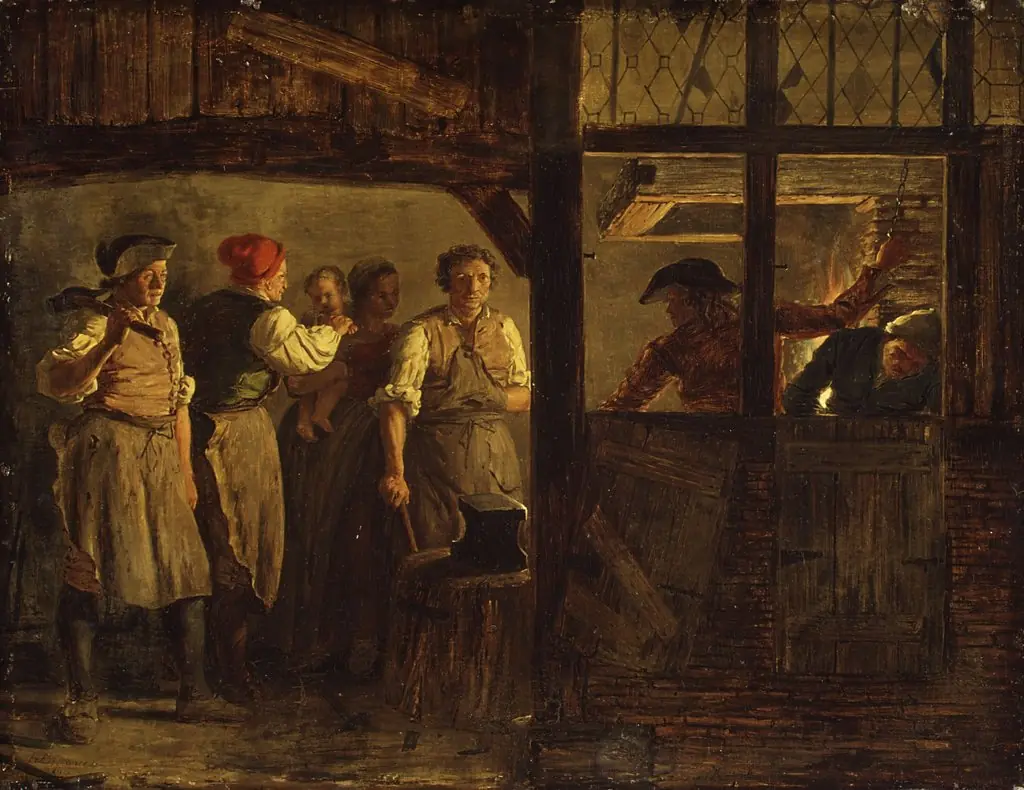
The scene centers on a craftsman at his bench, surrounded by tools and apprentices, with a woman observing nearby. The figures engage in quiet, focused activity, suggesting a generational transmission of craft. The dim interior and scattered debris imply prolonged, unglamorous labor. No grand narrative is present—instead, the painting elevates the dignity of routine work through attentive observation.
Technique & Style
Linnig employed subtle tonal gradations and restrained lighting to model forms within the shadowed interior. Brushwork is precise but unobtrusive, emphasizing texture—dusty floors, woolen garments, worn wood—without theatricality. The composition avoids dramatic contrast, favoring a muted palette and naturalistic arrangement, characteristic of Biedermeier sensibilities and 17th-century Dutch realism.
History & Provenance
Created in 1862, the painting entered the Royal Museum of Fine Arts Antwerp’s collection shortly after its completion. It reflects Linnig’s broader practice of documenting artisanal life, a theme recurrent in his oeuvre. No significant alterations or reattributions are recorded; its provenance remains stable and well-documented within Belgian institutional archives.
Context
In mid-19th-century Belgium, interest in domestic and occupational scenes grew alongside industrialization. Artists like Linnig turned to pre-industrial workshops as subjects of cultural preservation. The Biedermeier aesthetic, emphasizing order and quiet domesticity, resonated with this trend, offering a counterpoint to rapid urban change through nostalgic, detailed interiors.
Legacy
The painting contributes to a broader 19th-century European effort to document artisanal life before its decline. While not widely exhibited beyond regional collections, it remains a representative example of Belgian genre painting’s commitment to unembellished observation. Its value lies in its quiet fidelity to a vanishing mode of work.
Own this work as a print
Artist & collection
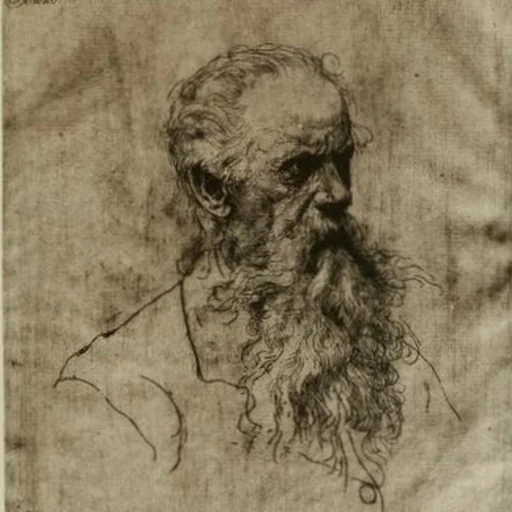
Artist
Willem Linnig the Elder or Willem Linnig Senior (7 August 1819, in Antwerp – 8 August 1885, in Antwerp) was a Belgian painter and engraver who is best known for his history and genre scenes and interiors painted in a…