Artwork
Bible Reading
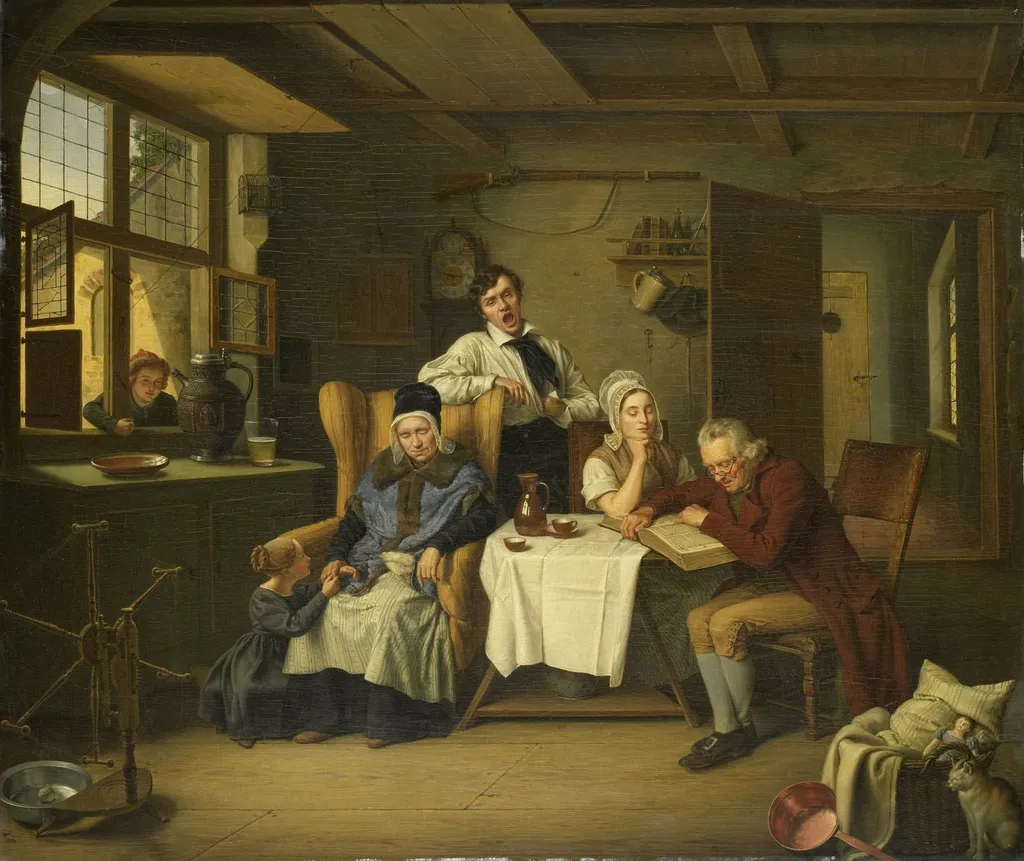
Bible Reading is an unspecified painting by the Biedermeier artist Eduard Pistorius. It dates from 1831 and is held in the collection of the Rijksmuseum.
About this work
The clock on the wall, the rifle hanging nearby, even the boy yawning—it’s like being in the room with them.
A family sits around a wooden table while the father reads from a big Bible. The mother dozes, a girl kneels at her feet, and a young woman listens closely. A boy yawns, another peeks through the window. A spinning wheel hums in the corner; a cat curls by a laundry basket.
This quiet scene feels like a snapshot of everyday life in 1831. The artist didn’t sign it, so we don’t know who painted it—but the details make it feel real. The clock on the wall, the rifle hanging nearby, even the boy yawning—it’s like being in the room with them.
To see more paintings of cozy Dutch homes, visit the Rijksmuseum.
Overview
The painting depicts an interior domestic scene in which a father reads aloud from a large Bible to his family gathered around a wooden table. The composition includes a range of figures—an elderly woman with closed eyes, a young girl kneeling at the father's feet, a young woman listening attentively, a boy yawning, and another child peering through a window.
Subject & Meaning
The work captures a moment of quiet religious devotion within a household, emphasizing the intergenerational transmission of faith. The varied postures—sleep, attention, fatigue—suggest a realistic portrayal of everyday life, where piety coexists with ordinary domestic routines.
Technique & Style
Rendered in a detailed, naturalistic manner, the painting records interior objects such as a spinning wheel, a cat beside a laundry basket, a wall clock, and a rifle. The careful rendering of light and texture conveys a sense of three‑dimensional space and material presence typical of early‑19th‑century Dutch genre painting.
History & Provenance
Created in 1831, the canvas remains unsigned, leaving the artist unidentified. The work has been documented in museum collections that focus on Dutch domestic interiors, though its ownership history prior to acquisition by a public institution is not recorded.
Context
The scene reflects the social customs of a Dutch rural or small‑town household in the early nineteenth century, where family gatherings around religious texts were common. Objects such as the spinning wheel and rifle hint at the economic activities and security concerns of the period.
Legacy
Although the painter’s identity is unknown, the painting contributes to the visual record of everyday Dutch life in the 1830s, offering scholars insight into domestic interiors, material culture, and the role of religious practice within the family setting.
Own this work as a print
Artist & collection

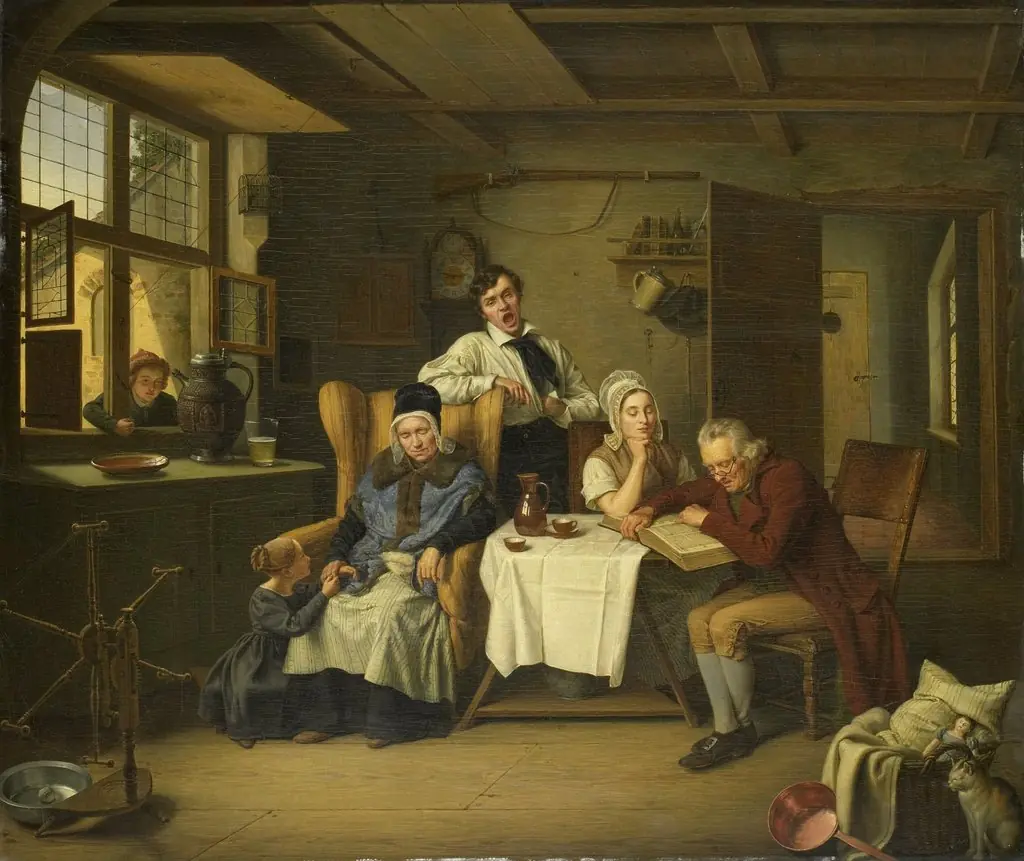 Bible Reading
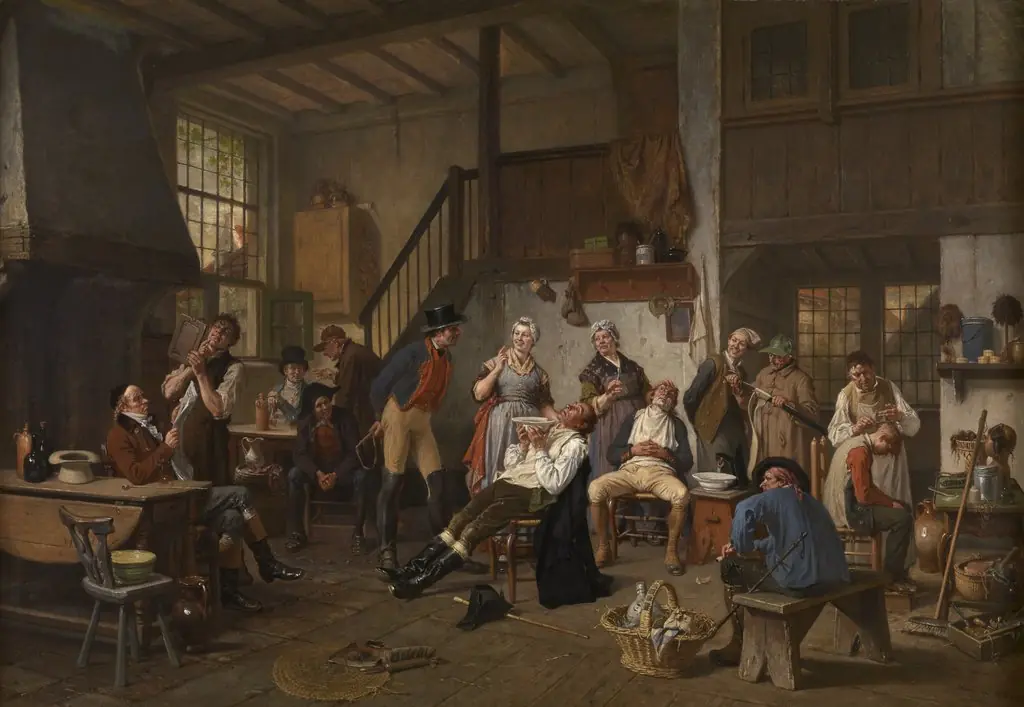 Shaving Day
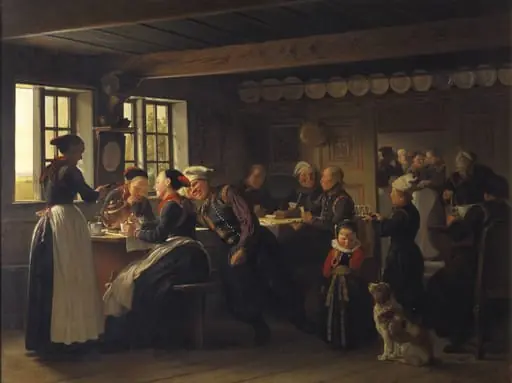 Episode af et gilde på Amager
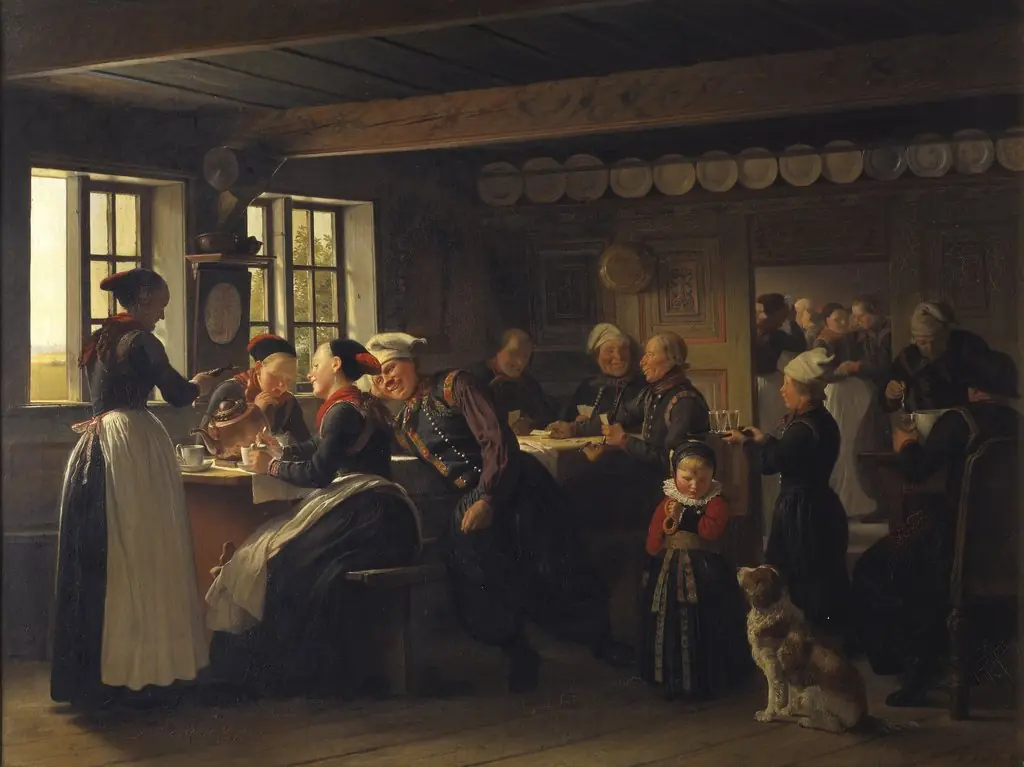 Interior with peasants from the region of Amager
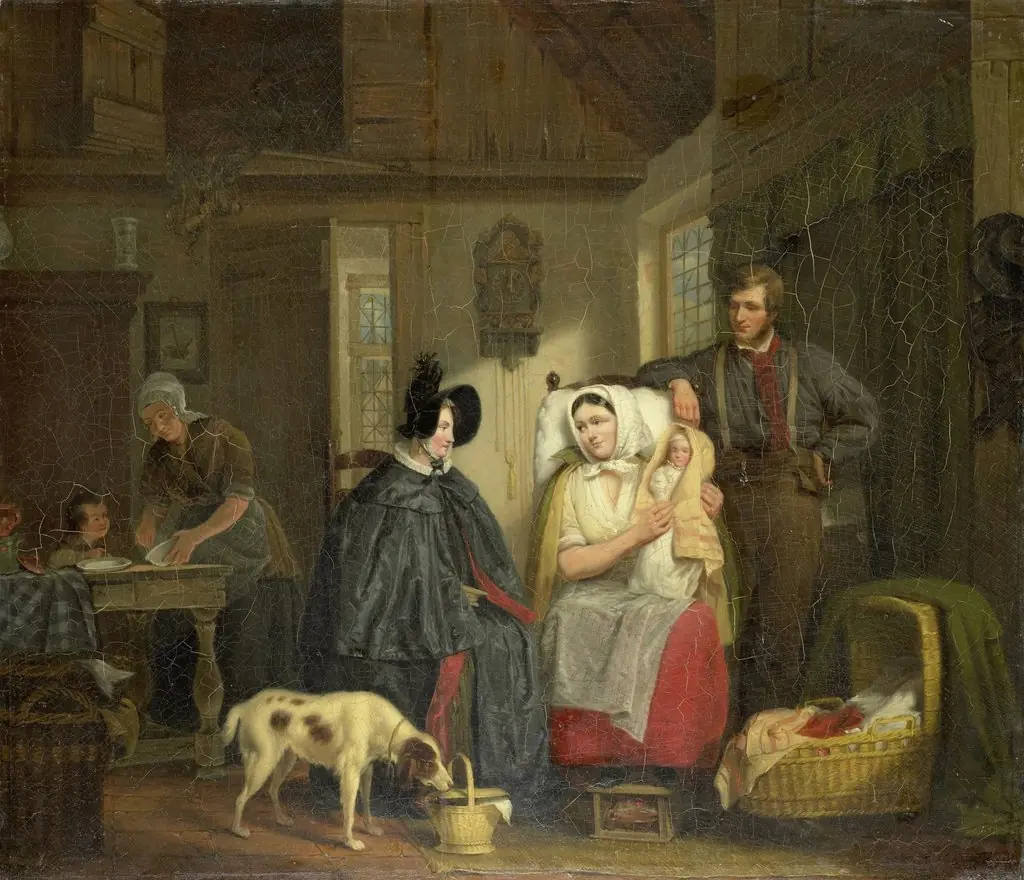 Visit to a New Mother
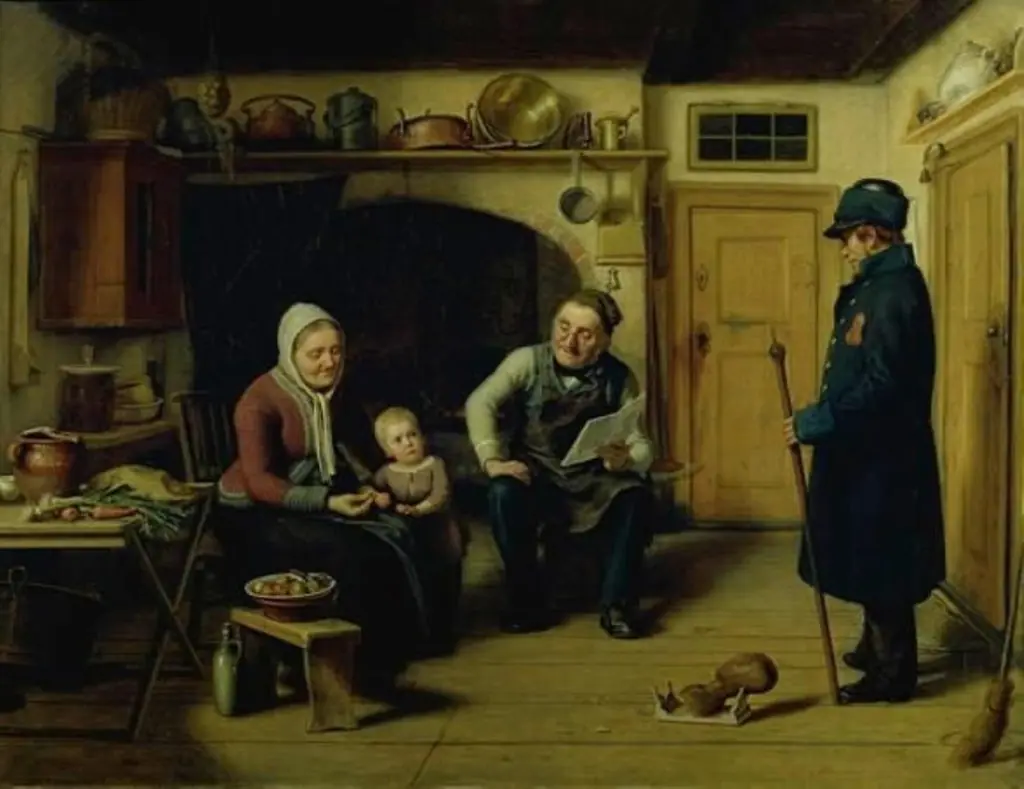 Vægteren på nytårsvisit. Køkkenscene
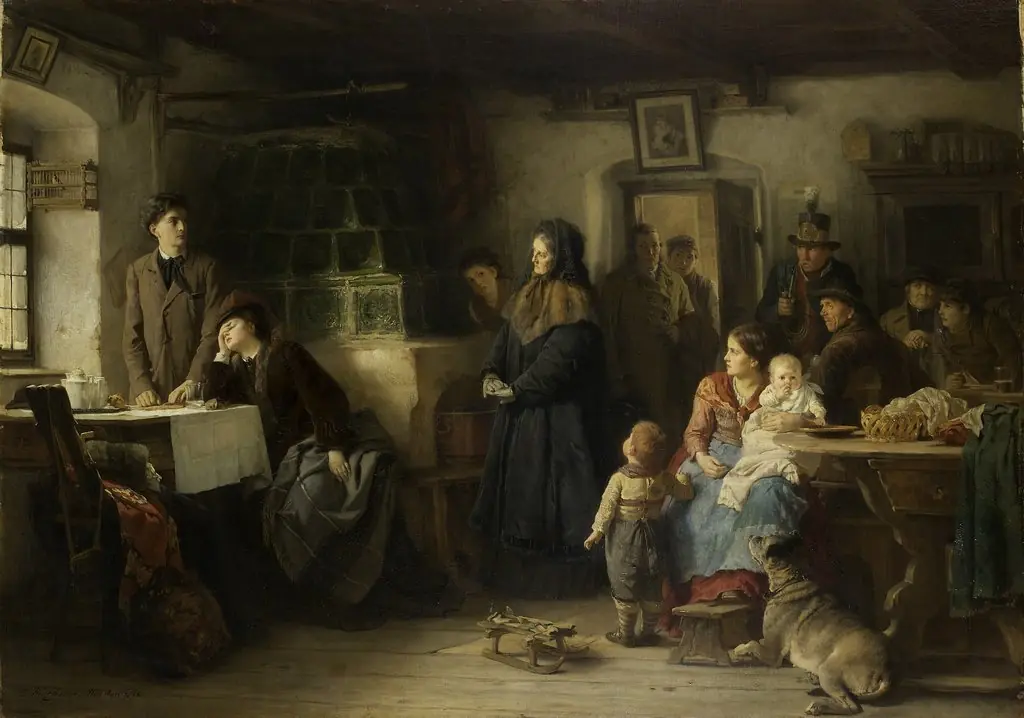 Die ereilten Flüchtlinge
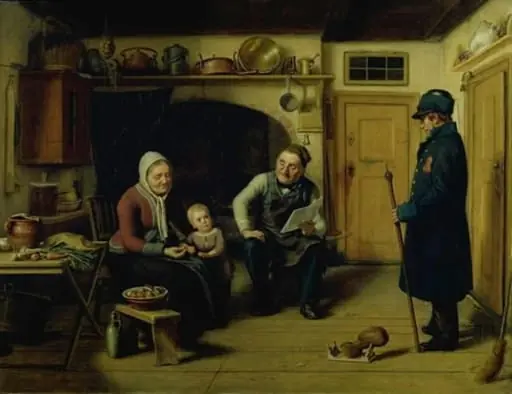 Vægteren på nytårsvisit. Køkkenscene
 Courtesy
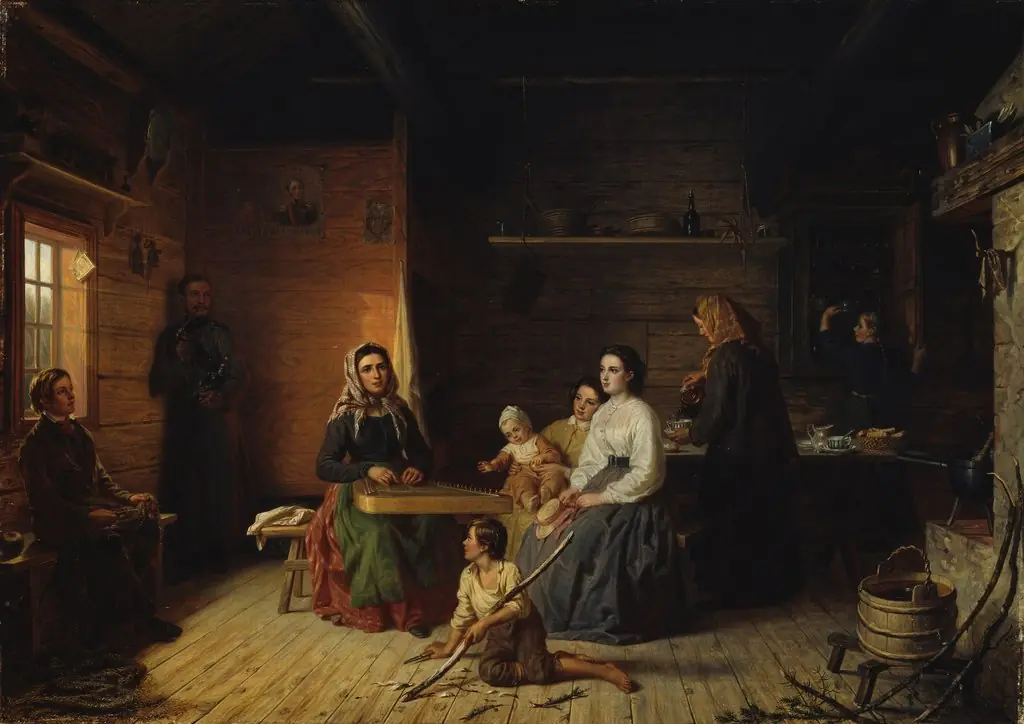 Kreeta Haapasalo Playing the Kantele in a Peasant Cottage
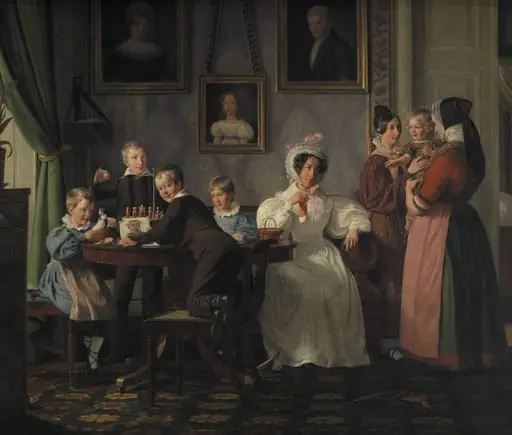 The Waagepetersen Family
 Love Note