Artwork
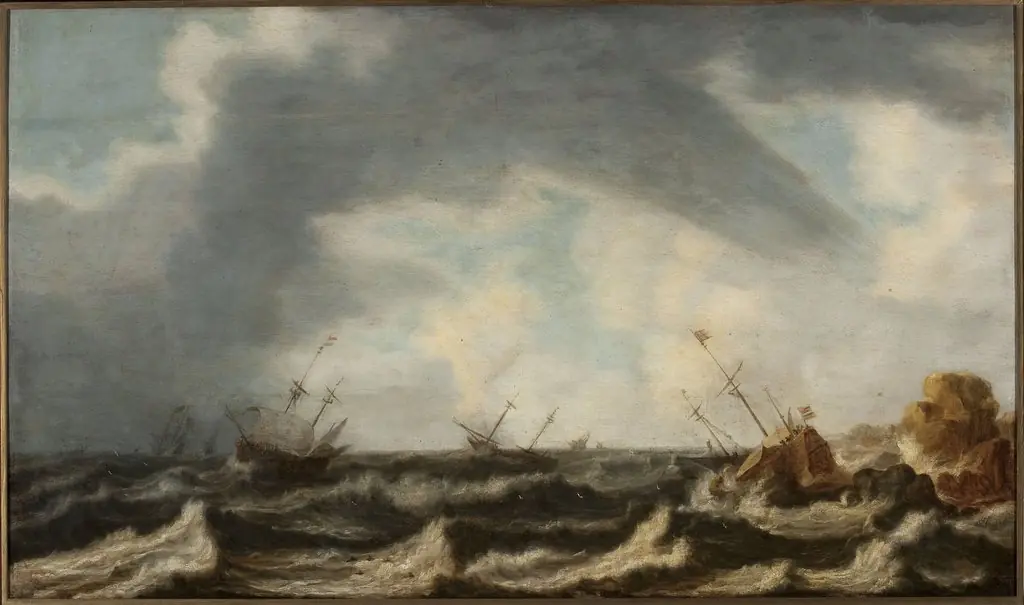
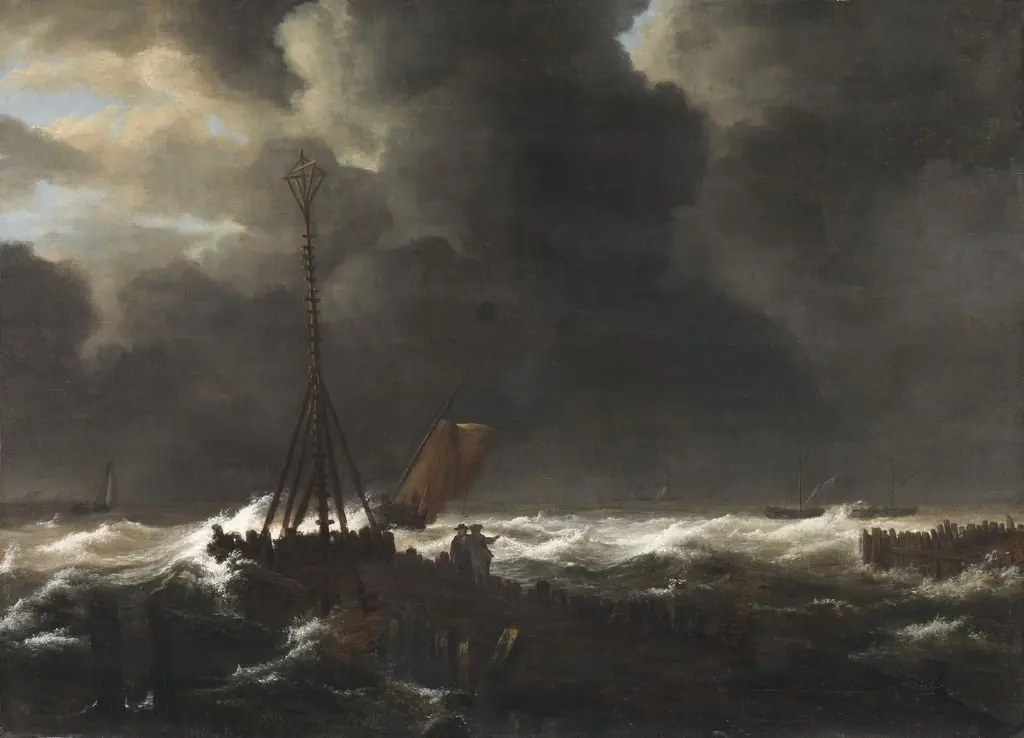
Shipwreck in a Storm
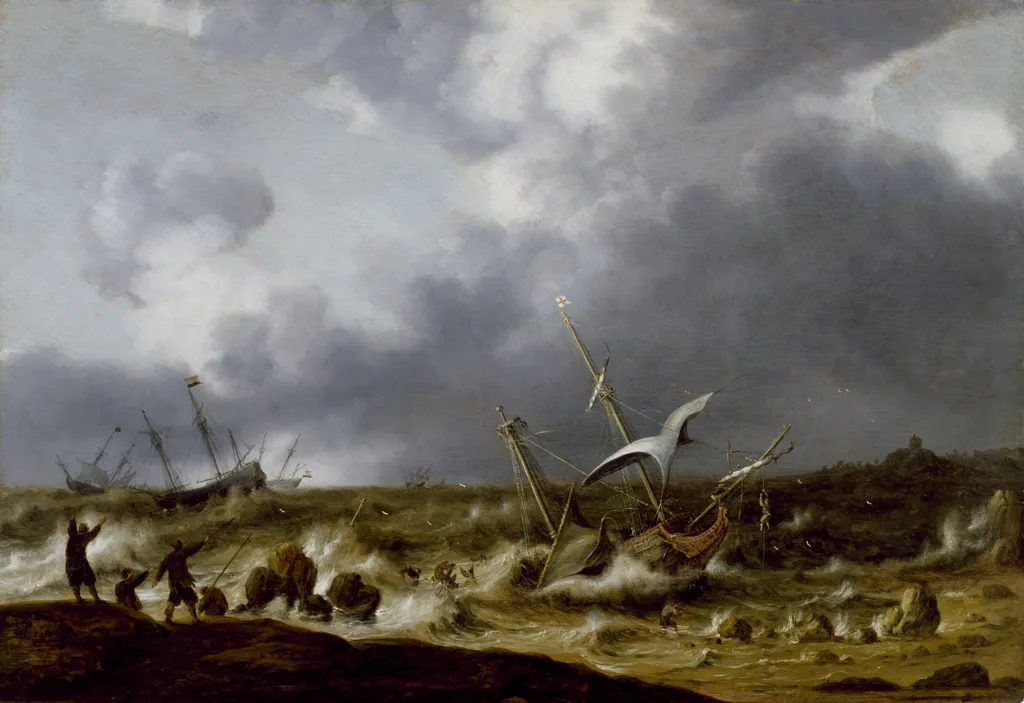
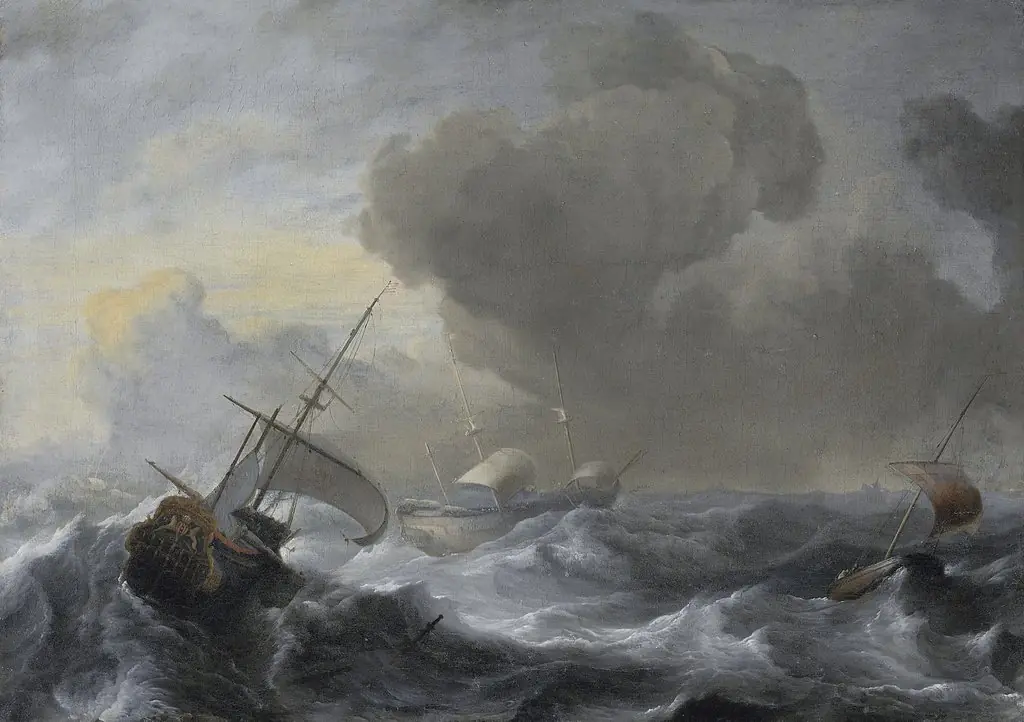
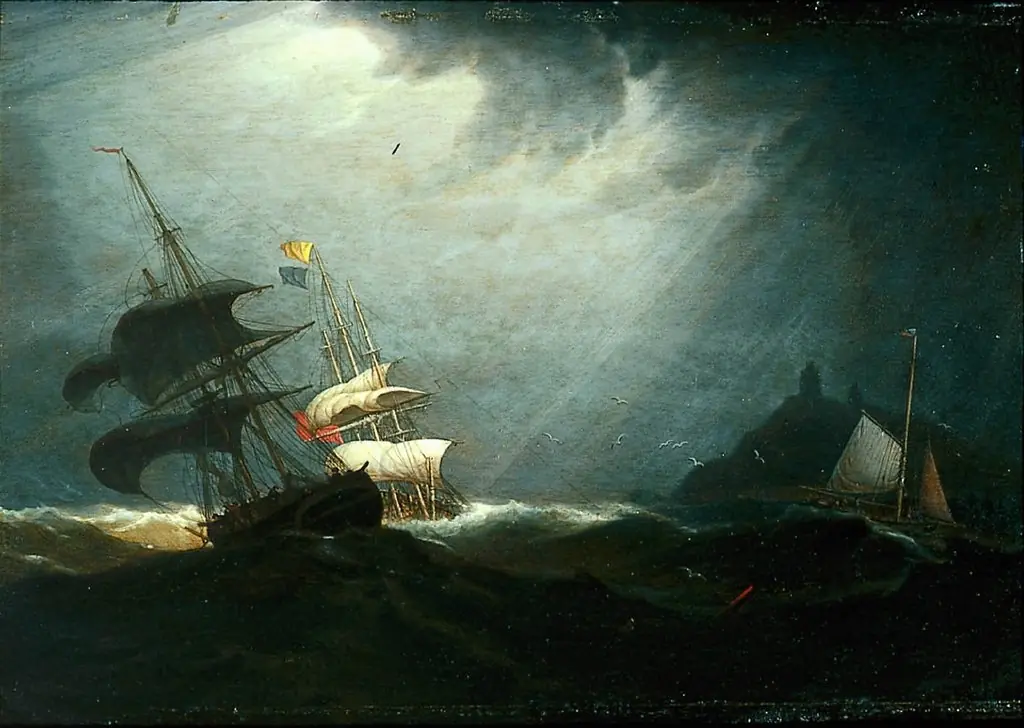
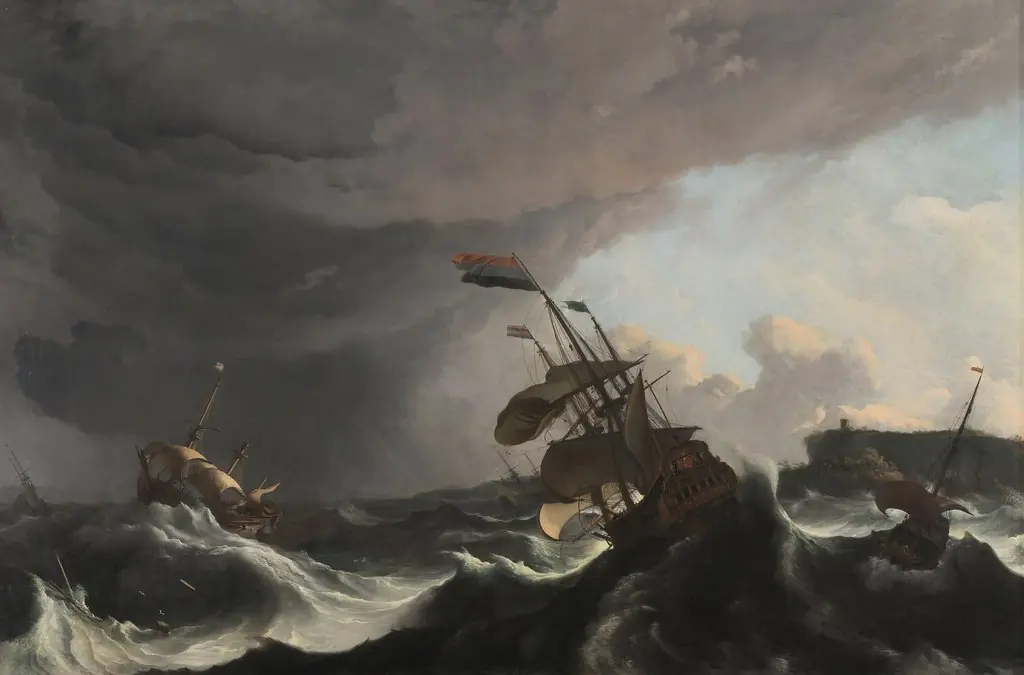
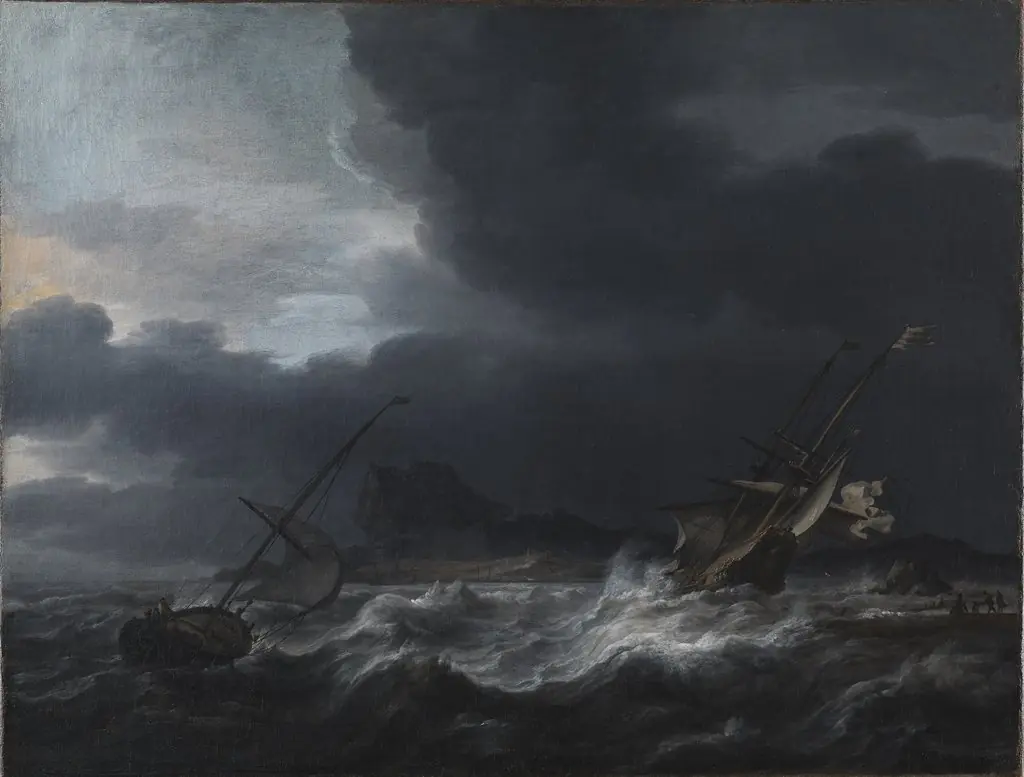
Shipwreck in a Storm is an oil painting by the Dutch Golden Age artist Willem van Diest. It dates from 1629 and is held in the collection of the Walters Art Museum.
About this work
Overview
The work exemplifies the period’s fascination with nature’s power and human vulnerability, rendered through dynamic composition and expressive brushwork.
Painted in 1629 by Willem van Diest, *Shipwreck in a Storm* is an oil-on-canvas seascape that captures the violence of the sea during a tempest. Van Diest, active in The Hague, aligned himself with the emerging Dutch tradition of atmospheric marine painting. The work exemplifies the period’s fascination with nature’s power and human vulnerability, rendered through dynamic composition and expressive brushwork.
Subject & Meaning
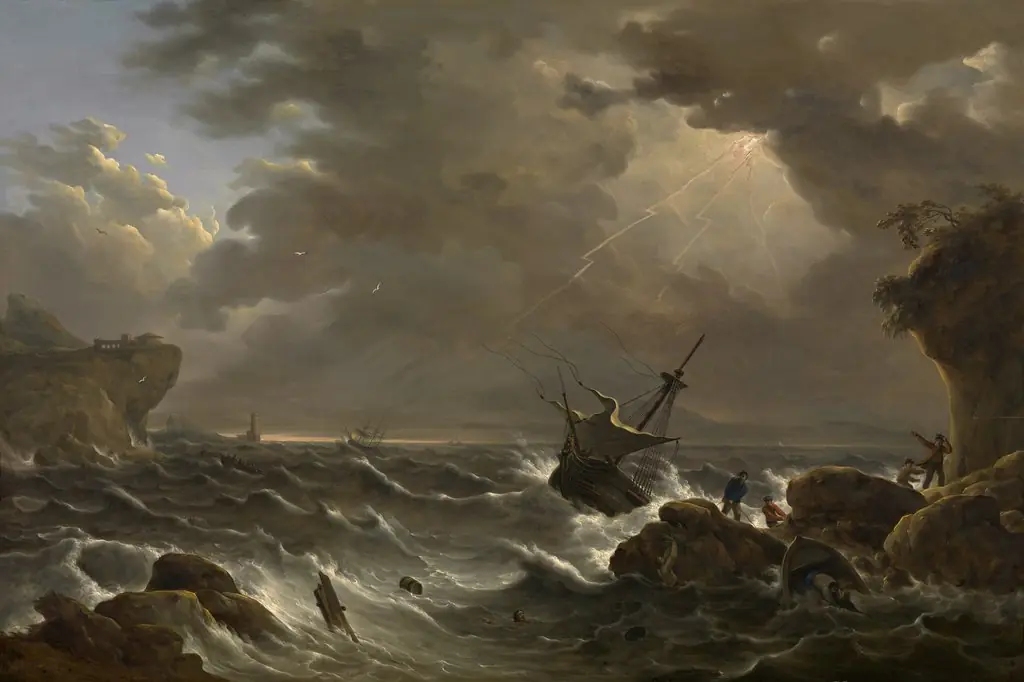
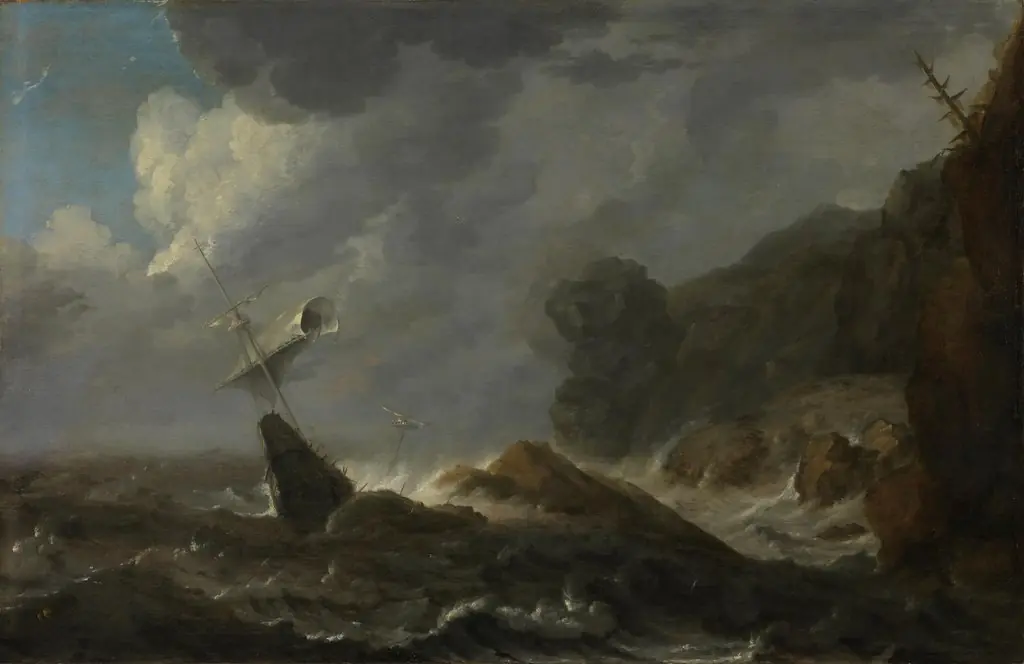
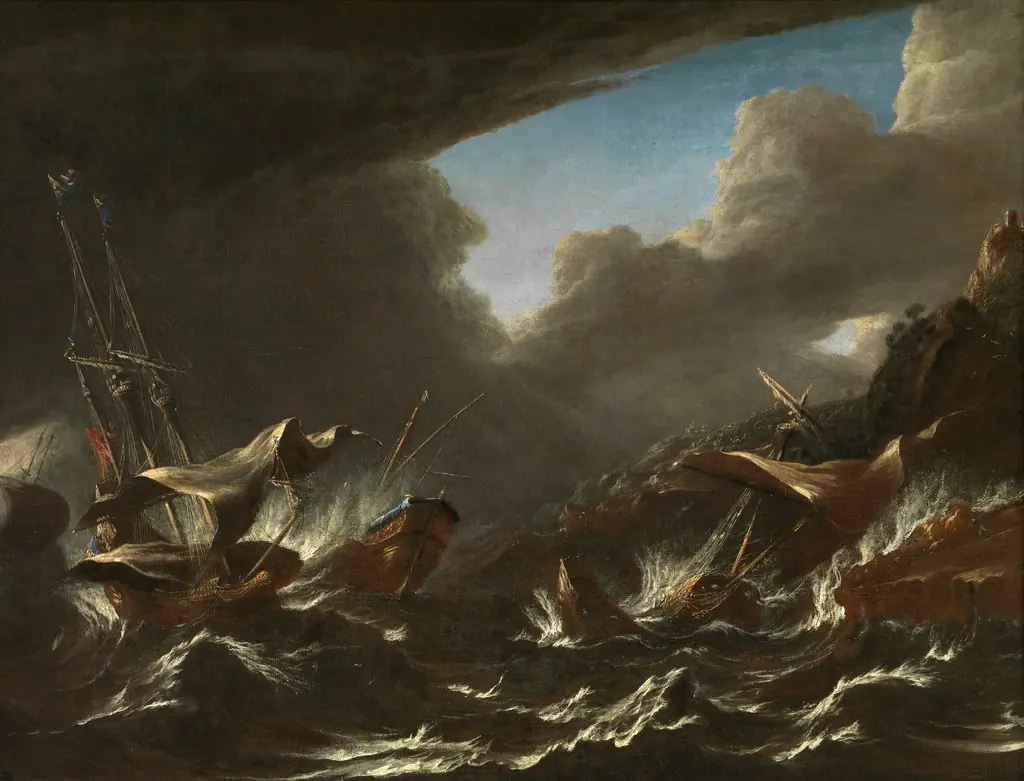
The scene portrays a vessel in ruins, its mast shattered and timbers scattered across churning waters. Figures in the foreground cling to floating debris or struggle toward shore, while others on land gesture helplessly. The imagery conveys the peril of seafaring life, a recurring theme in Dutch art tied to the nation’s maritime economy and collective memory of loss at sea.
Technique & Style
Van Diest employed oil paint with vigorous, textured strokes to simulate the chaos of wind and wave. Chiaroscuro heightens the drama: flashes of lightning pierce the storm-lit clouds, illuminating the wreckage and figures against deep shadows. The palette favors muted grays and blues, with brief, intense highlights that guide the eye through the turbulent composition.
History & Provenance
Created during the height of the Dutch Golden Age, the painting reflects van Diest’s early career before his involvement in founding the Confrerie Pictura in 1656, a collective of Hague-based artists seeking greater autonomy from guild restrictions. While the painting’s early ownership is undocumented, its style aligns with works from The Hague’s maritime art circles of the 1620s.
Context
Dutch artists of the era increasingly turned to seascapes as national identity and commerce expanded through global trade. Shipwrecks, though tragic, were familiar subjects—both as real events and moral symbols. Van Diest’s work fits within a broader trend of depicting nature’s indifference to human endeavor, shaped by the lived experience of coastal communities.
Legacy
Though less widely known than contemporaries like Jan Porcellis, van Diest contributed to the formal development of Dutch marine painting. His participation in the Confrerie Pictura helped institutionalize artistic practice outside traditional guilds. *Shipwreck in a Storm* remains a representative example of early 17th-century Dutch seascapes, valued for its emotional intensity and technical precision.
Own this work as a print
Artist & collection
Artist
Willem Hermansz. van Diest (c. 1600 in The Hague – c. 1678 in The Hague), was a Dutch Golden Age seascape painter. He was the father of the painter Jeronymus van Diest and a follower of Jan van Goyen, Jan Porcellis and…