Artwork
Portrait of an unknown man
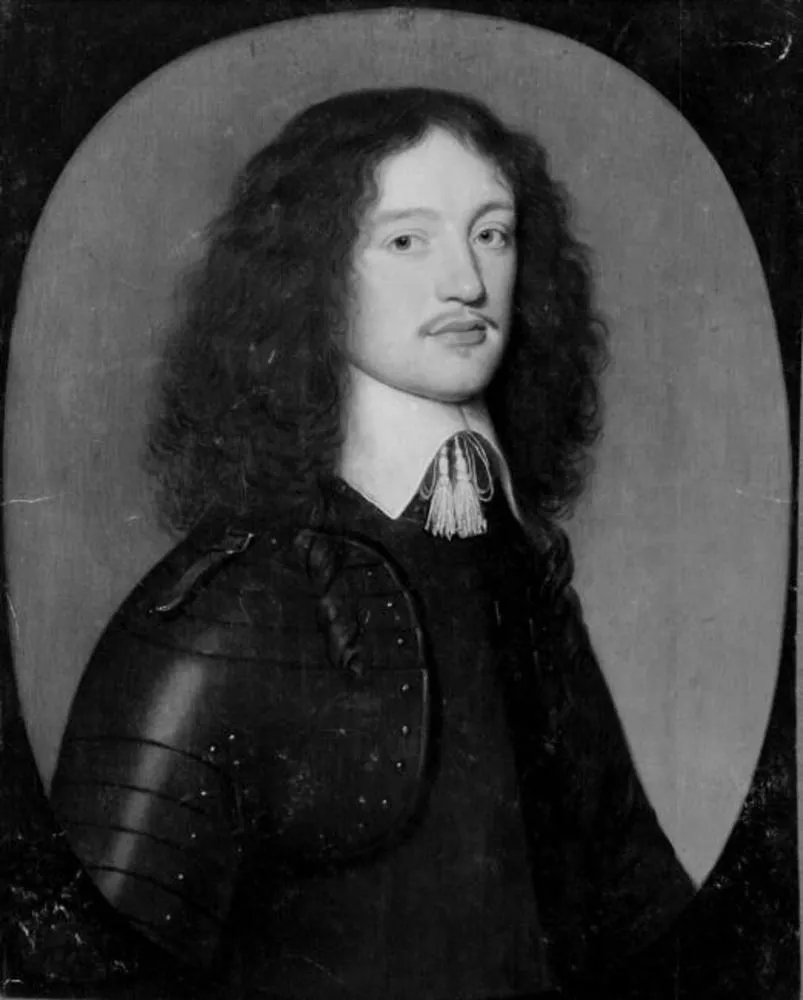
Portrait of an unknown man is an oil painting by the Dutch Golden Age artist Willem van Honthorst. It dates from 1647 and is held in the collection of the Gemäldegalerie Berlin. Created in 1647, this oil painting presents a solitary male figure rendered in the restrained palette of the Dutch Golden Age.
About this work
Overview
The work exemplifies the period’s focus on realistic portraiture, emphasizing individual presence through careful observation of form and light.
Created in 1647, this oil painting presents a solitary male figure rendered in the restrained palette of the Dutch Golden Age. The sitter, whose identity remains unknown, is positioned against a dark, unadorned backdrop that isolates him from any narrative setting. The work exemplifies the period’s focus on realistic portraiture, emphasizing individual presence through careful observation of form and light.
Subject & Meaning
The portrait shows a man with long, wavy hair and a neatly trimmed mustache, dressed in a dark, padded coat with a frilled collar. His gaze meets the viewer directly, his expression neutral, inviting contemplation of his status and character without overt symbolism. The lack of attributes or background details suggests the artist intended to capture a straightforward likeness rather than convey a specific story.
Technique & Style
Honthorst employs a pronounced chiaroscuro, illuminating the sitter’s face and shoulders while the surrounding space recedes into deep shadow. This contrast heightens the three‑dimensionality of the figure and creates a dramatic focal point. The brushwork is smooth in the illuminated areas, allowing subtle modeling of flesh tones, whereas the darker zones are rendered with broader, less detailed strokes, a hallmark of the Caravaggesque influence evident in the artist’s oeuvre.
History & Provenance
Willem van Honthorst, a Utrecht‑born painter active during the Dutch Golden Age, produced the work shortly after assuming the role of court painter to Countess Louise Henriette of Nassau in Berlin. The painting entered the collection of the Gemäldegalerie in Berlin, where it remains on display, reflecting the artist’s later career in the German court and the continued appreciation of his portraiture in institutional holdings.
Context
The portrait belongs to a broader trend in mid‑17th‑century Dutch art that favored sober, individualized representations over elaborate allegory. Honthorst, known for adapting Caravaggio’s dramatic lighting, applied these methods to portraiture, aligning with contemporary tastes for realism and psychological depth. The work thus illustrates the cross‑regional exchange of stylistic ideas between the Netherlands and the German courts during this period.
Artist & collection
Artist
Willem van Honthorst (1594–1666), was a Dutch Golden Age painter. He was born in Utrecht as the younger brother of Gerard van Honthorst, whose father Herman taught them to paint along with Abraham Bloemaert. Like his…

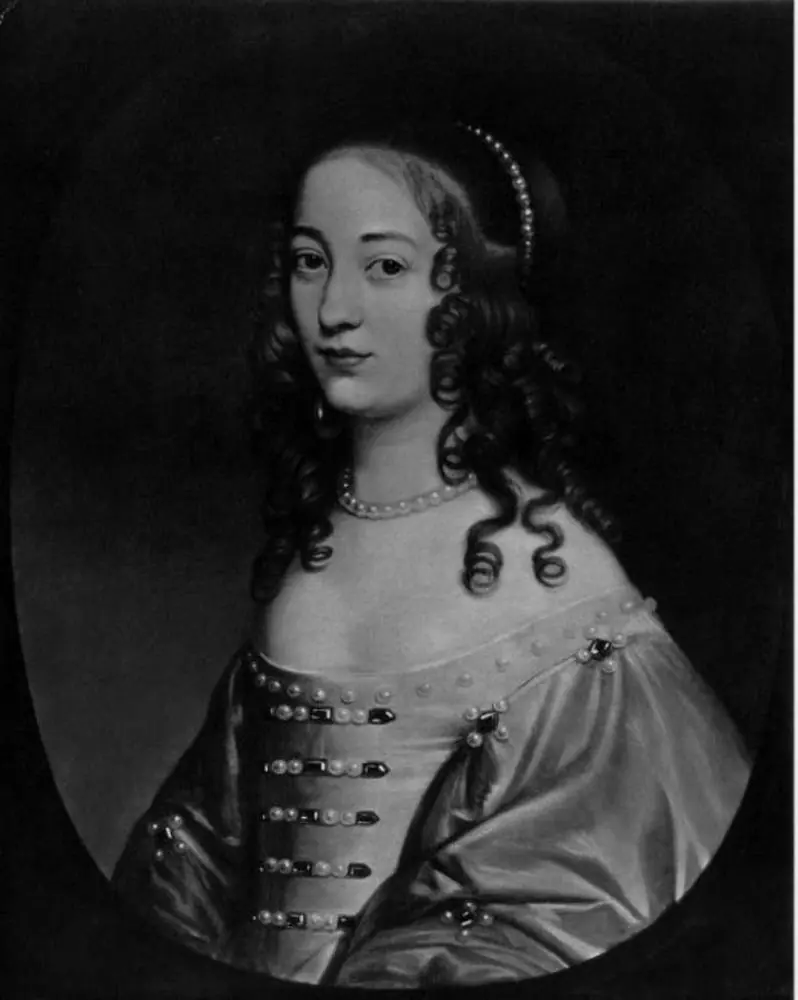
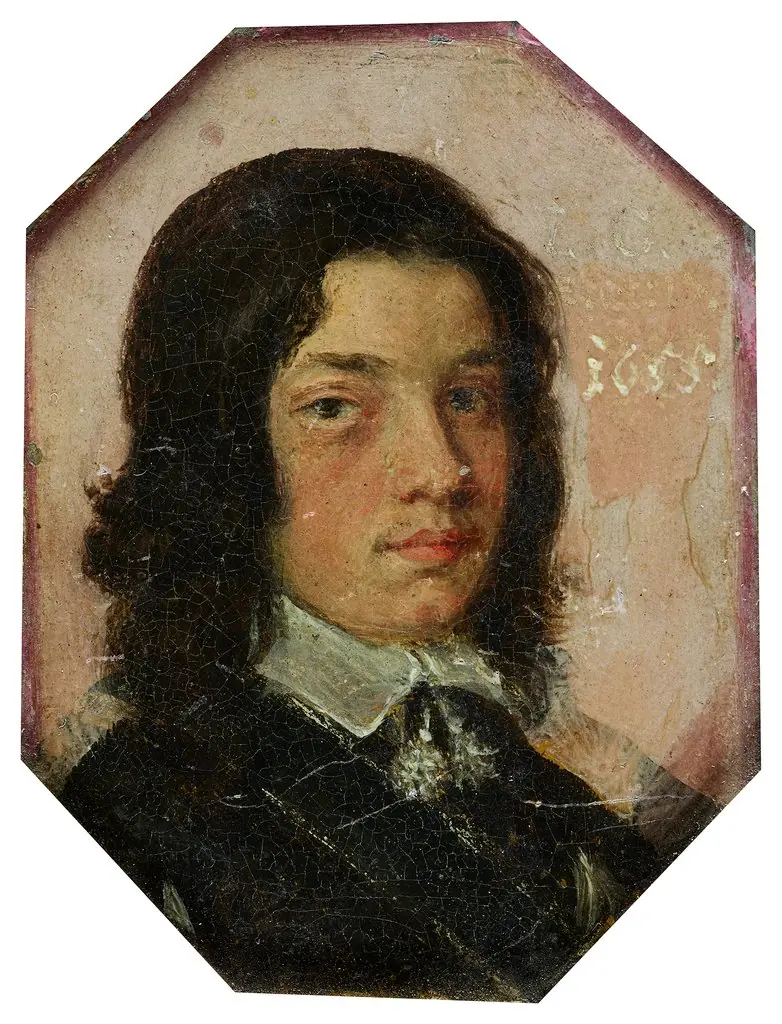
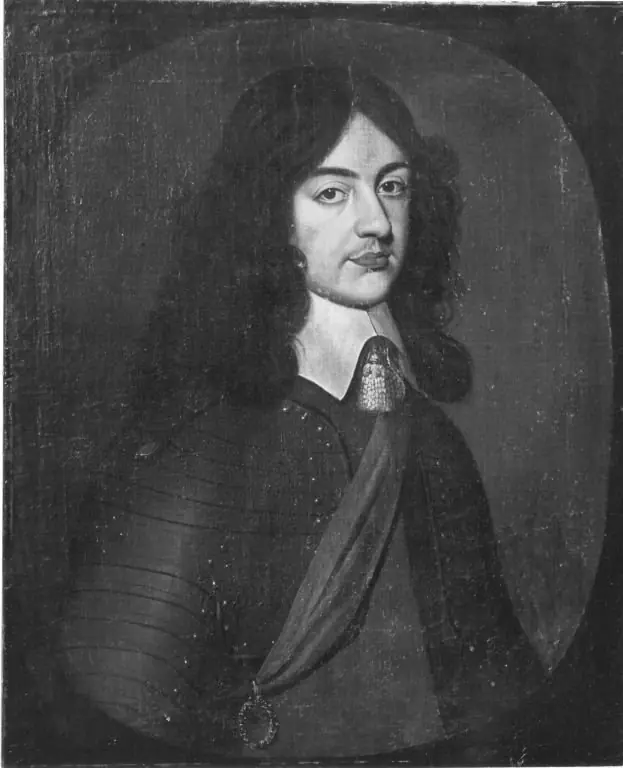 König Friedrich V. von der Pfalz
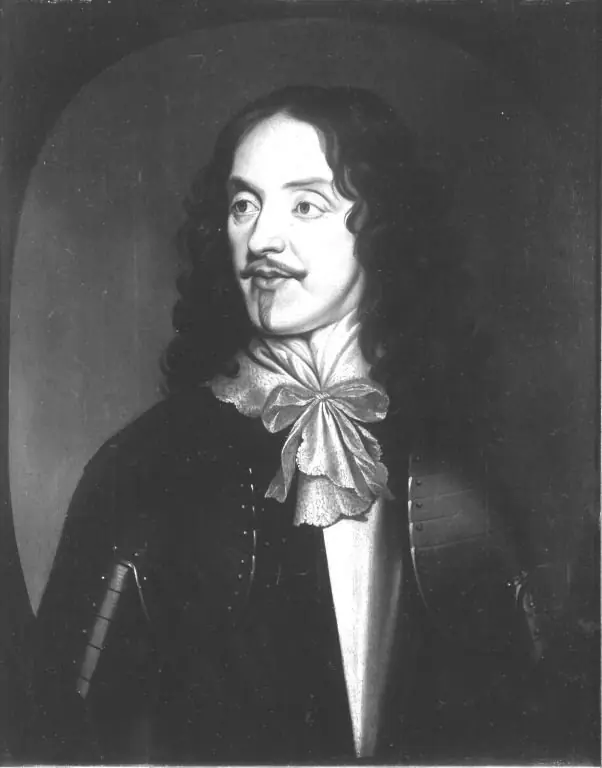 Bildnis des William, Earl of Craven (1608-1697) (Werkstatt)
 Charles II
 Charles II
 Louis Hesselin
 Portrait of a 20 year-old man
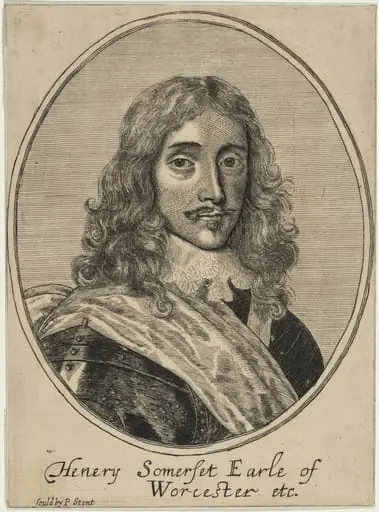 Henry Somerset, Earl of Worcester, First Dukeof Beaufort
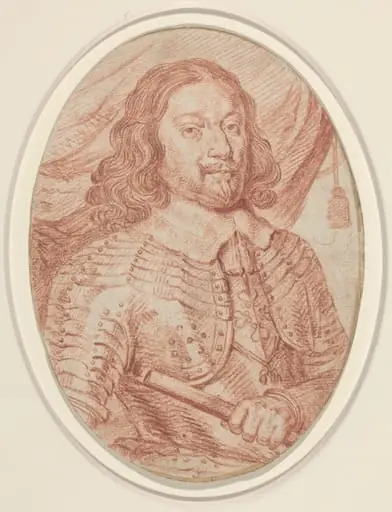 Portrait of a French General
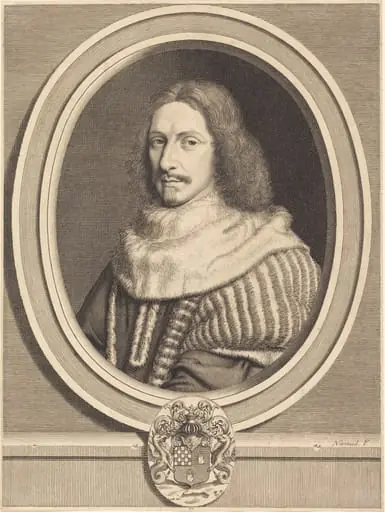 Nicholas Potier de Novion
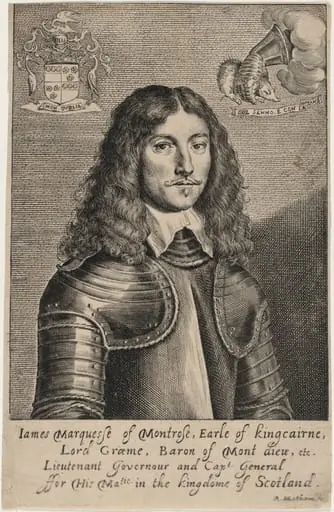 James Graham, First Marquess of Montrose
 Henri, Marquis de Mouy
 Portrait of an officer