Artwork
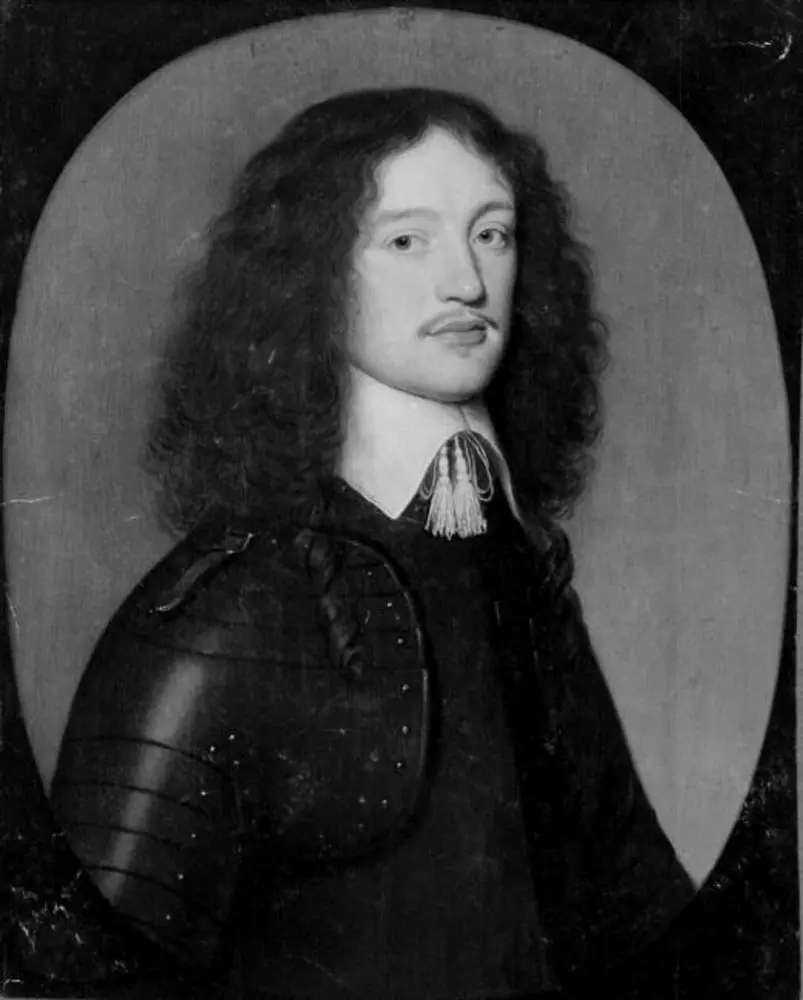
Bildnis des William, Earl of Craven (1608-1697) (Werkstatt)
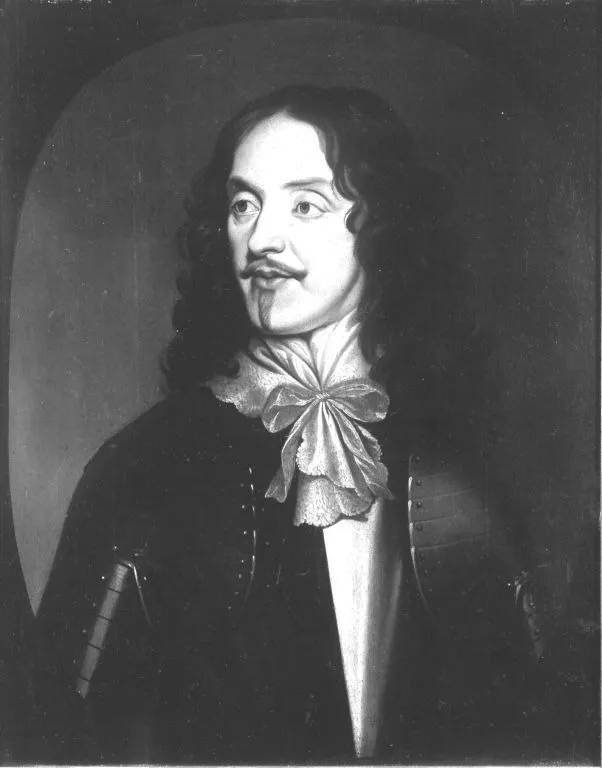
Bildnis des William, Earl of Craven (1608-1697) (Werkstatt) is an unspecified painting by the Dutch Golden Age artist Gerard van Honthorst. It dates from 1634 and is held in the collection of the Bavarian State Painting Collections.
About this work
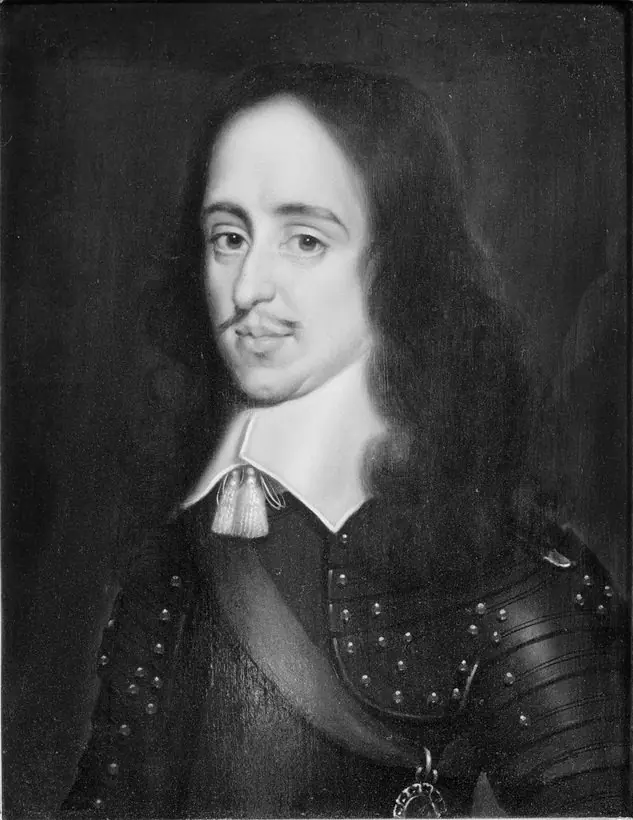
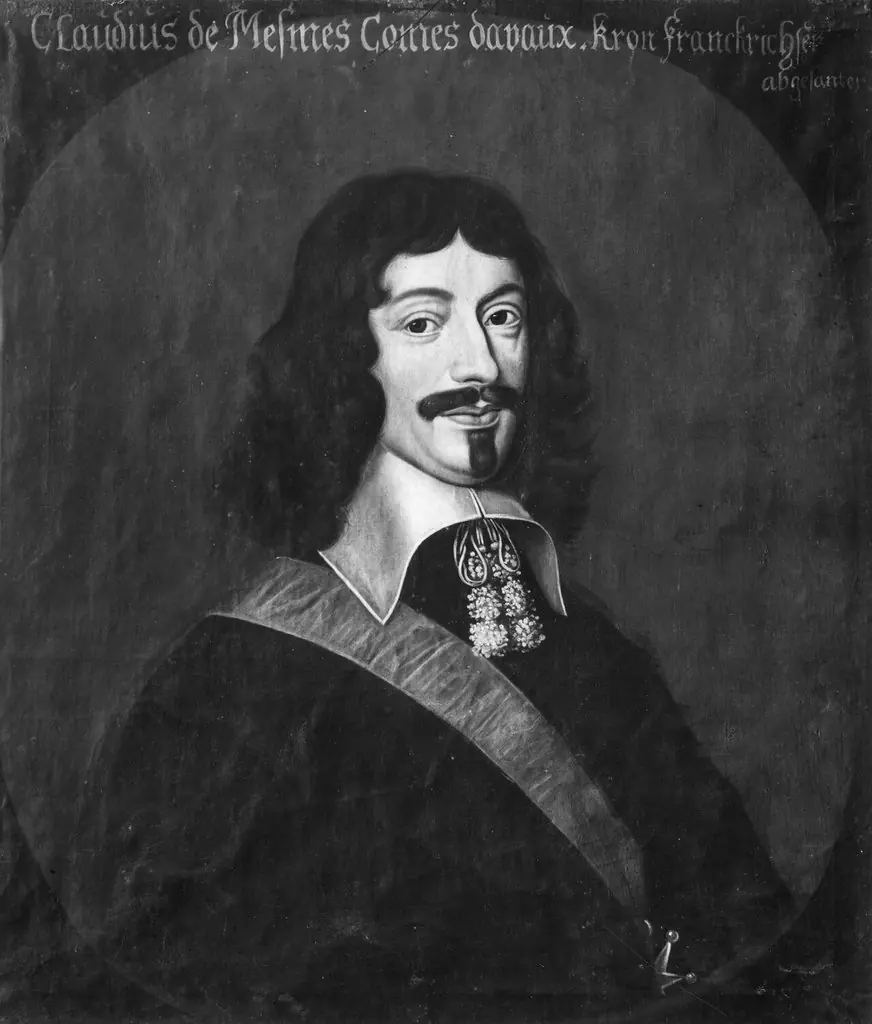
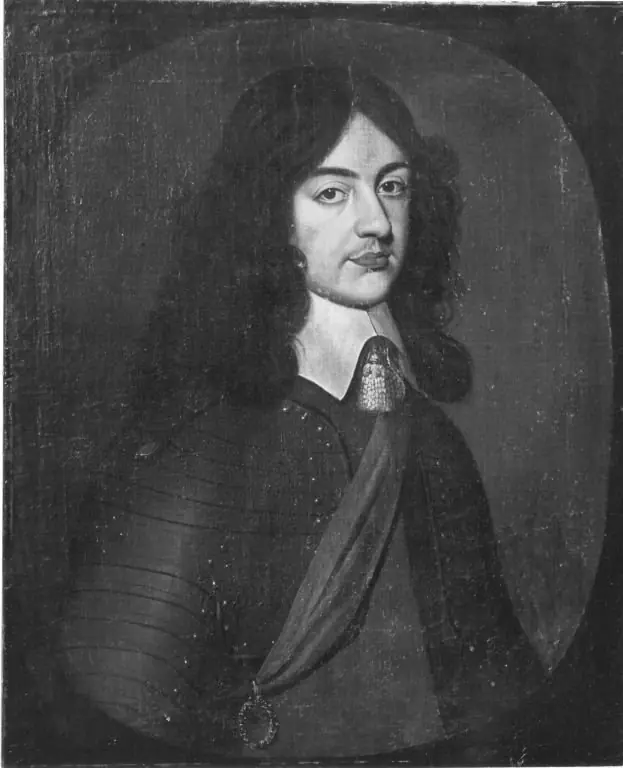
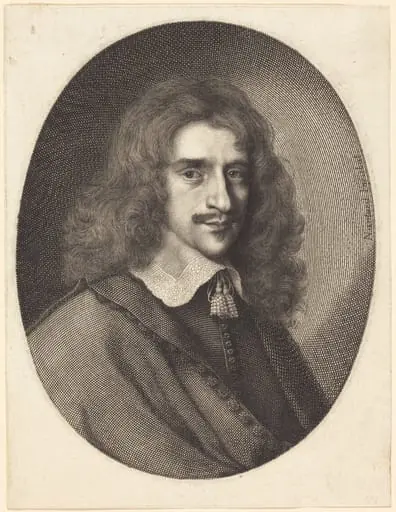
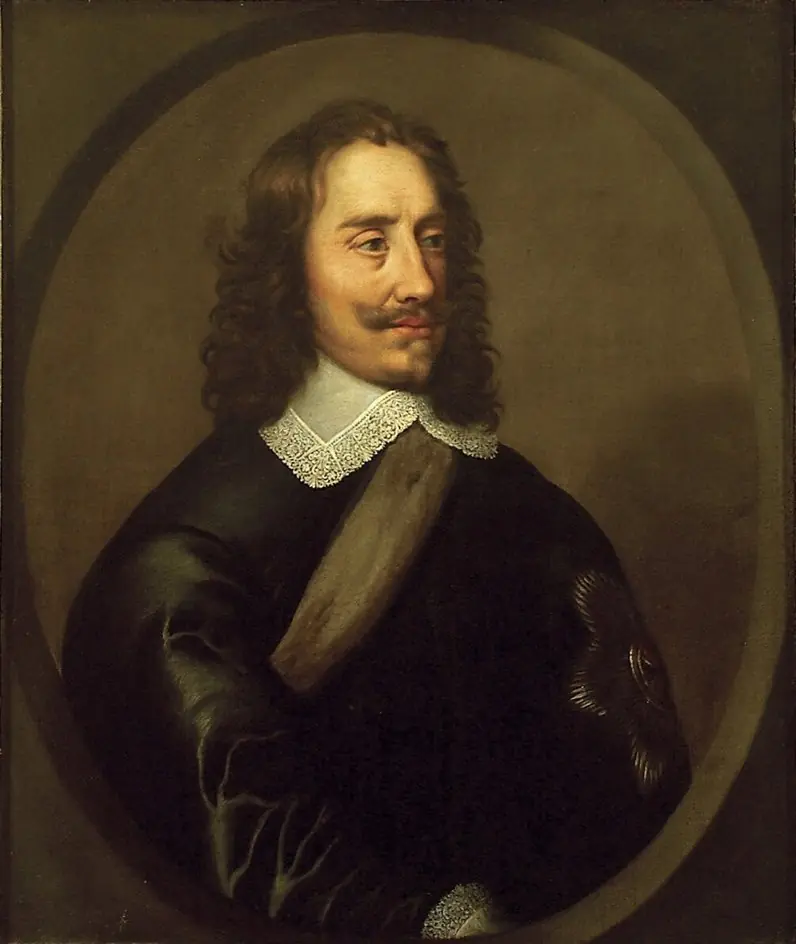
The painting depicts a man with long, dark hair and a mustache, wearing a dark jacket over a white shirt with a large, ornate bow at the neck.
The painting depicts a man with long, dark hair and a mustache, wearing a dark jacket over a white shirt with a large, ornate bow at the neck. He is shown from the chest up, facing forward but turned slightly to his right. The background is a plain, dark color.
The man's clothing and hairstyle suggest that the painting is from the 17th century. The artist's use of chiaroscuro creates a sense of depth and dimensionality in the image.
To learn more about this style of painting, look up the artist Gerard van Honthorst.
Overview
Executed circa 1634, this oil portrait presents William, Earl of Craven, rendered by Dutch artist Gerard van Honthorst. The work is part of the Alte Pinakothek’s holdings and exemplifies the Dutch Golden Age’s interest in dramatic lighting and intimate likenesses.
Subject & Meaning
The sitter, identified as William Craven, 1st Earl of Craven (1608–1697), is shown from the chest upward. He wears a dark coat over a white shirt accented with an elaborate bow tie, his dark hair and moustache styled in a manner typical of mid‑seventeenth‑century aristocracy. The direct yet slightly turned pose conveys both status and personal presence.
Technique & Style
Honthorst employs chiaroscuro, a stark contrast between illuminated facial features and a deep, unadorned background, to model the figure’s volume. The controlled artificial light, a hallmark of his Roman period, highlights the textures of fabric and flesh while the surrounding darkness isolates the subject, enhancing three‑dimensional effect.
History & Provenance
After returning from Italy, Honthorst emerged as a leading portraitist in Utrecht, working alongside peers such as Hendrick ter Brugghen and Dirck van Baburen. The painting eventually entered the collection of the Alte Pinakothek in Munich, where it remains on display as part of the museum’s Dutch Golden Age assemblage.
Context
The portrait reflects the cross‑cultural exchange between Dutch and English elites in the early 1630s, a period when English nobles frequently commissioned works from continental artists. Honthorst’s reputation for night‑time illumination, earned in Rome, made him a sought‑after choice for patrons desiring sophisticated, theatrical portraiture.
Artist & collection
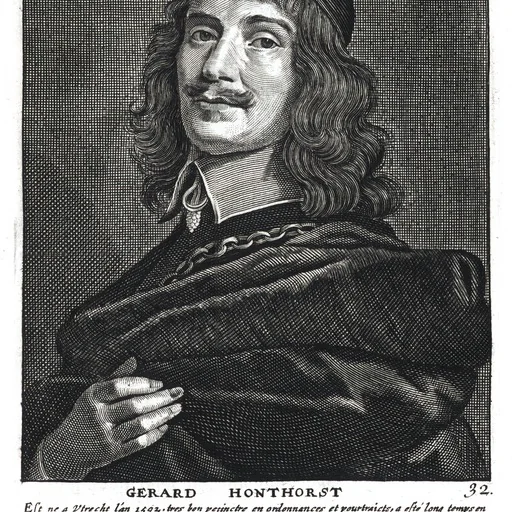
Artist
Gerard "Gerrit" van Honthorst (4 November 1592 – 27 April 1656) was a Dutch Golden Age painter who became known for his depiction of artificially lit scenes, eventually receiving the Italian nickname Gherardo delle Notti ("Gerard of the…

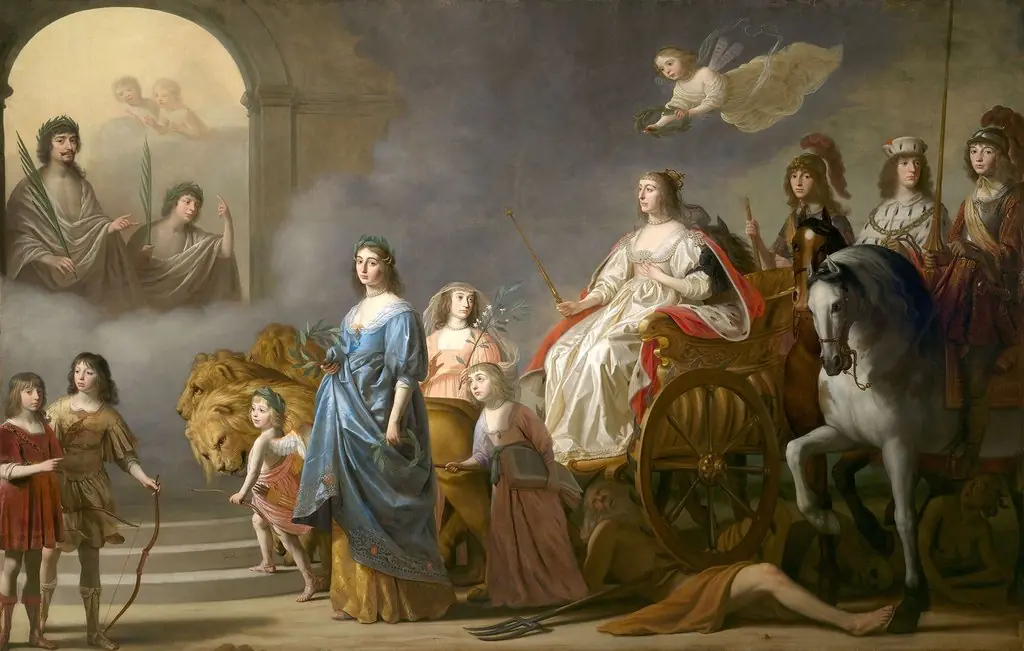 The Triumph of the Winter Queen: Allegory of the Just
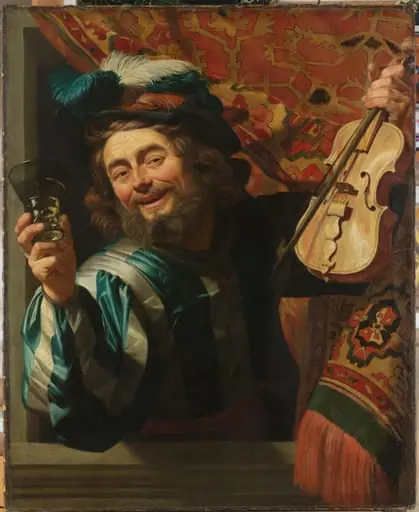 Een vrolijke vioolspeler
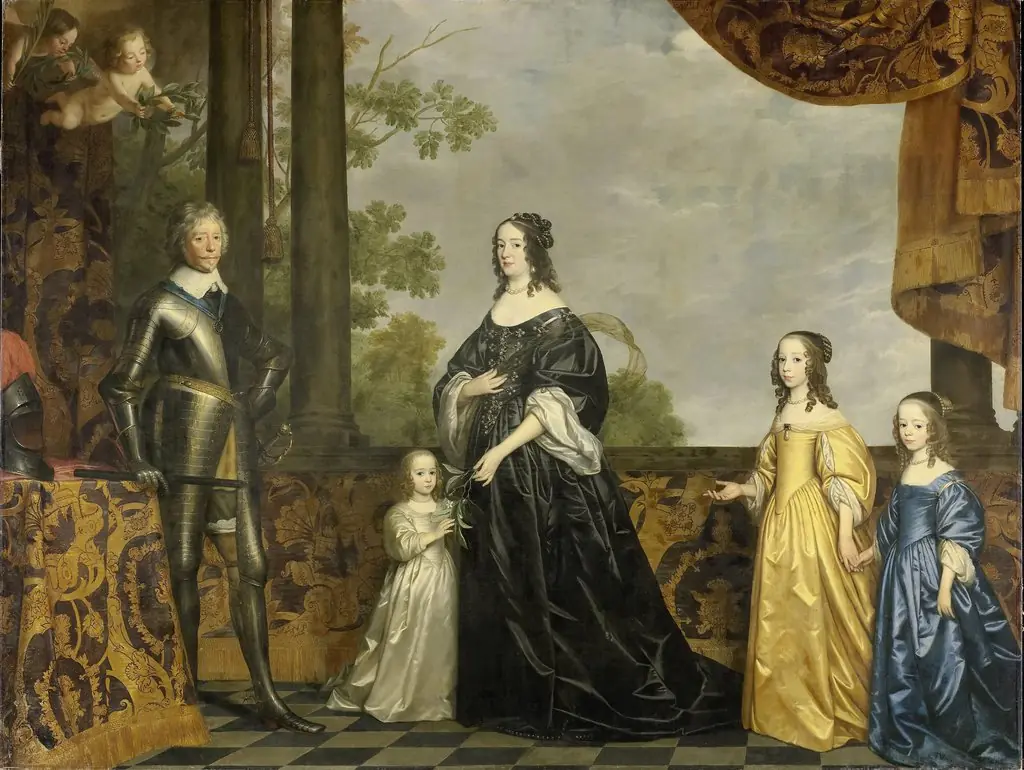 Frederik Hendrik (1584-1647), Prince of Orange, his wife Amalia van Solms (1602-75) and their three youngest daughters, Albertina Agnes (1634-96), Henrietta Catharina (1637-1708) and Maria (1642-88)
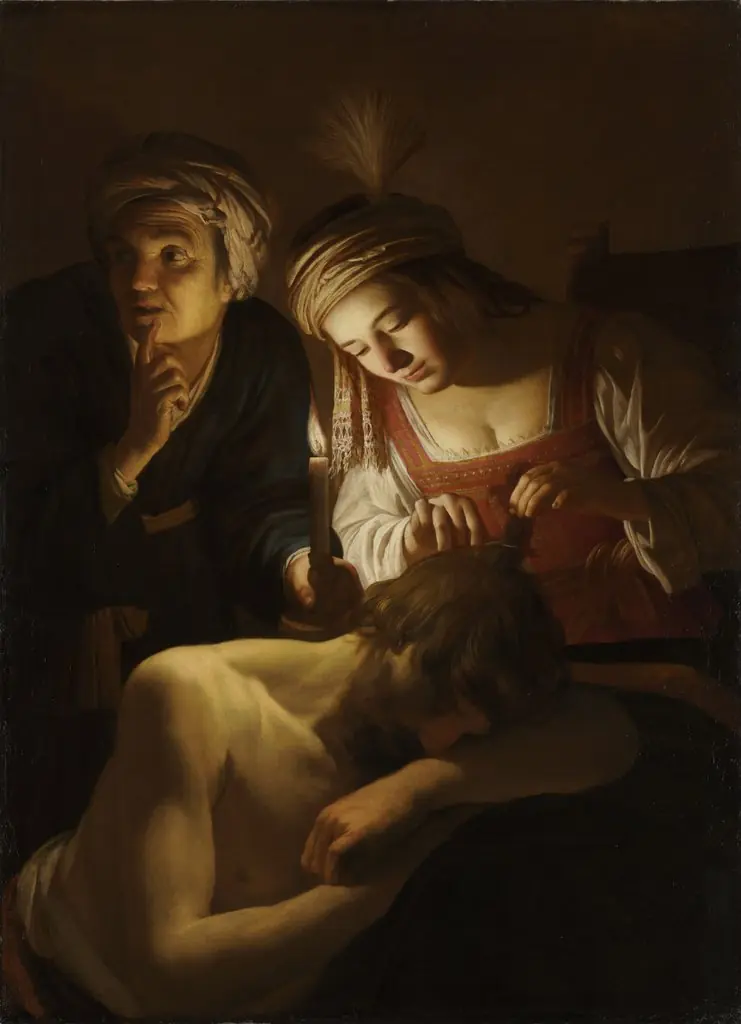 Samson and Delilah
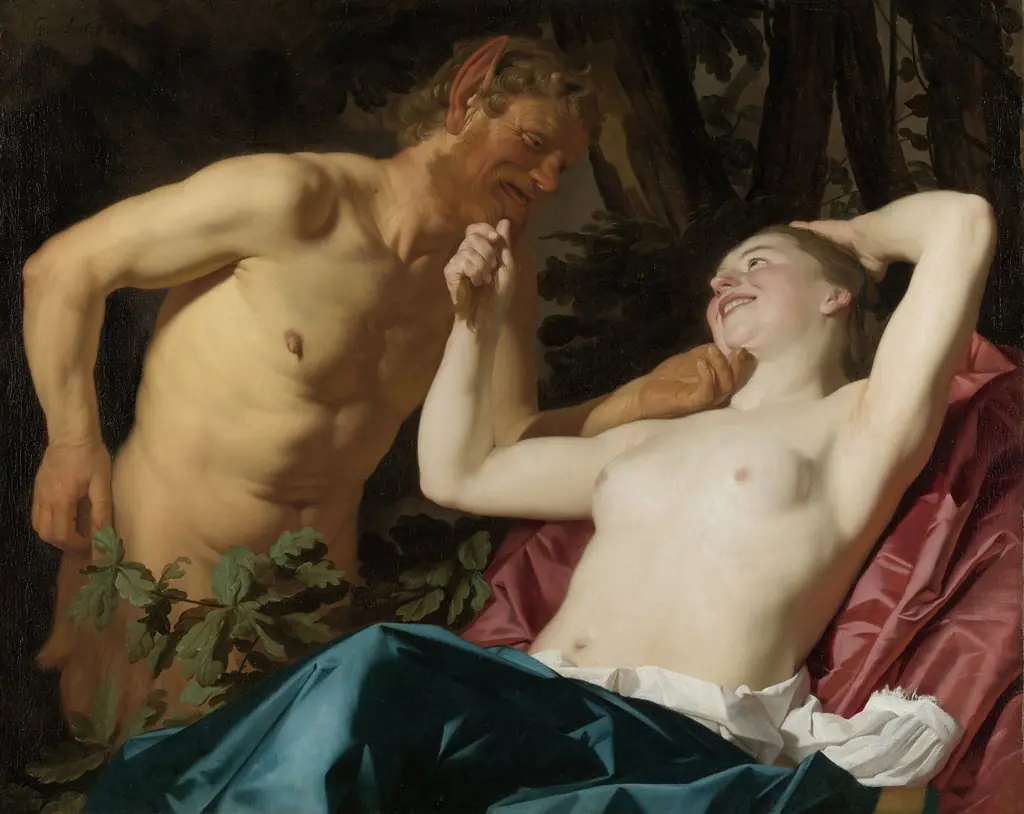 Satyr and Nymph
 Young Woman with a Candlestick, Old Woman and a Violin Player
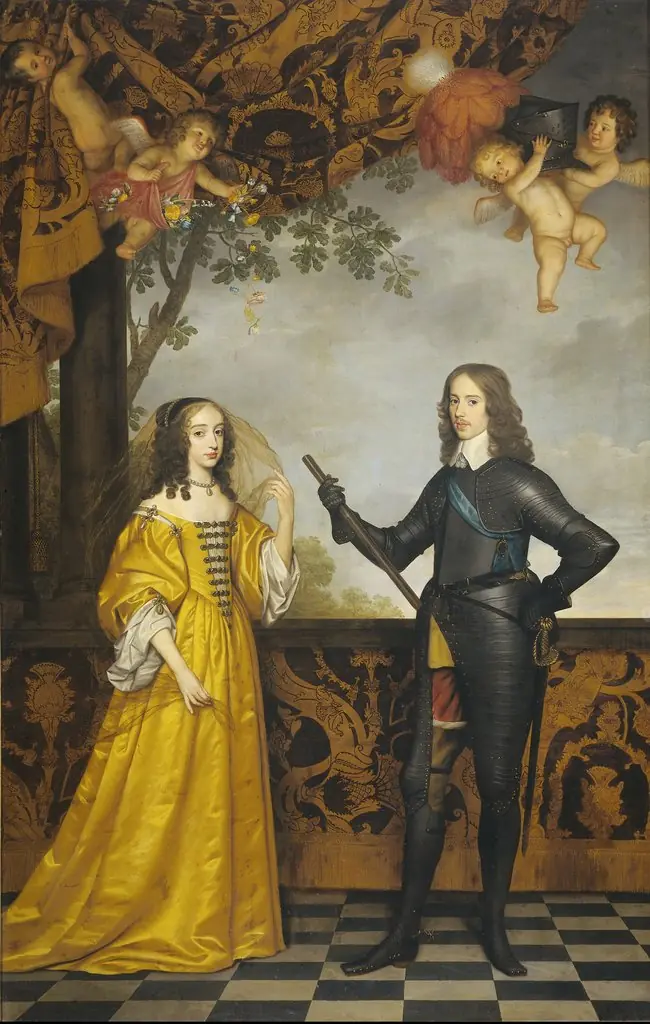 Willem II (1626-50), Prince of Orange, and his wife Maria Stuart (1631-60)
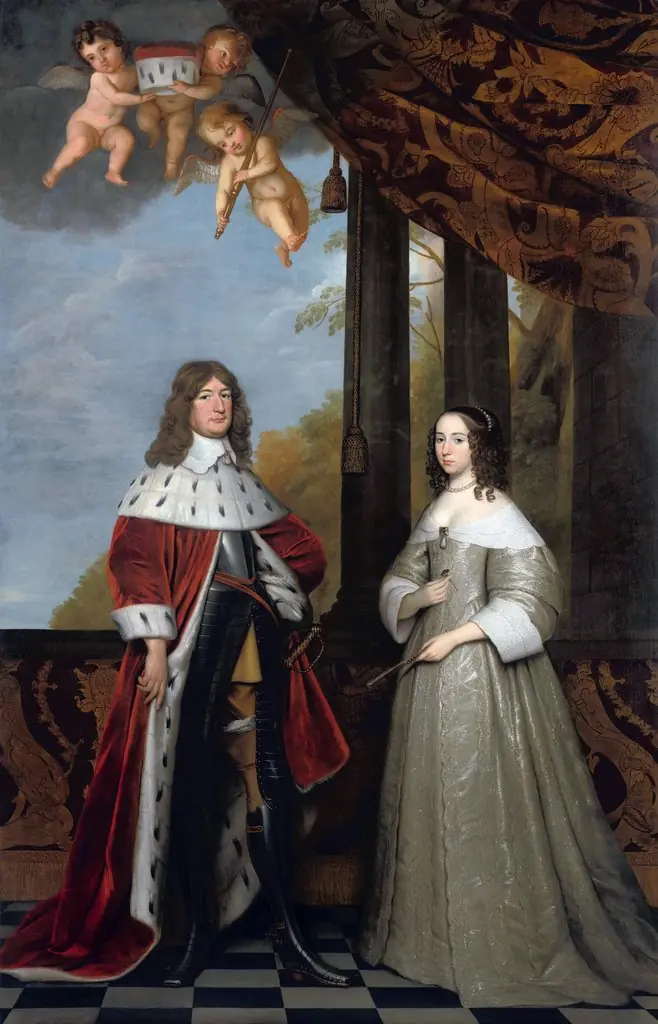 Friedrich Wilhelm (1620-88), Elector of Brandenburg, and his wife Louise Henriette (1627-67), Countess of Orange-Nassau