Artwork
Louis Hesselin
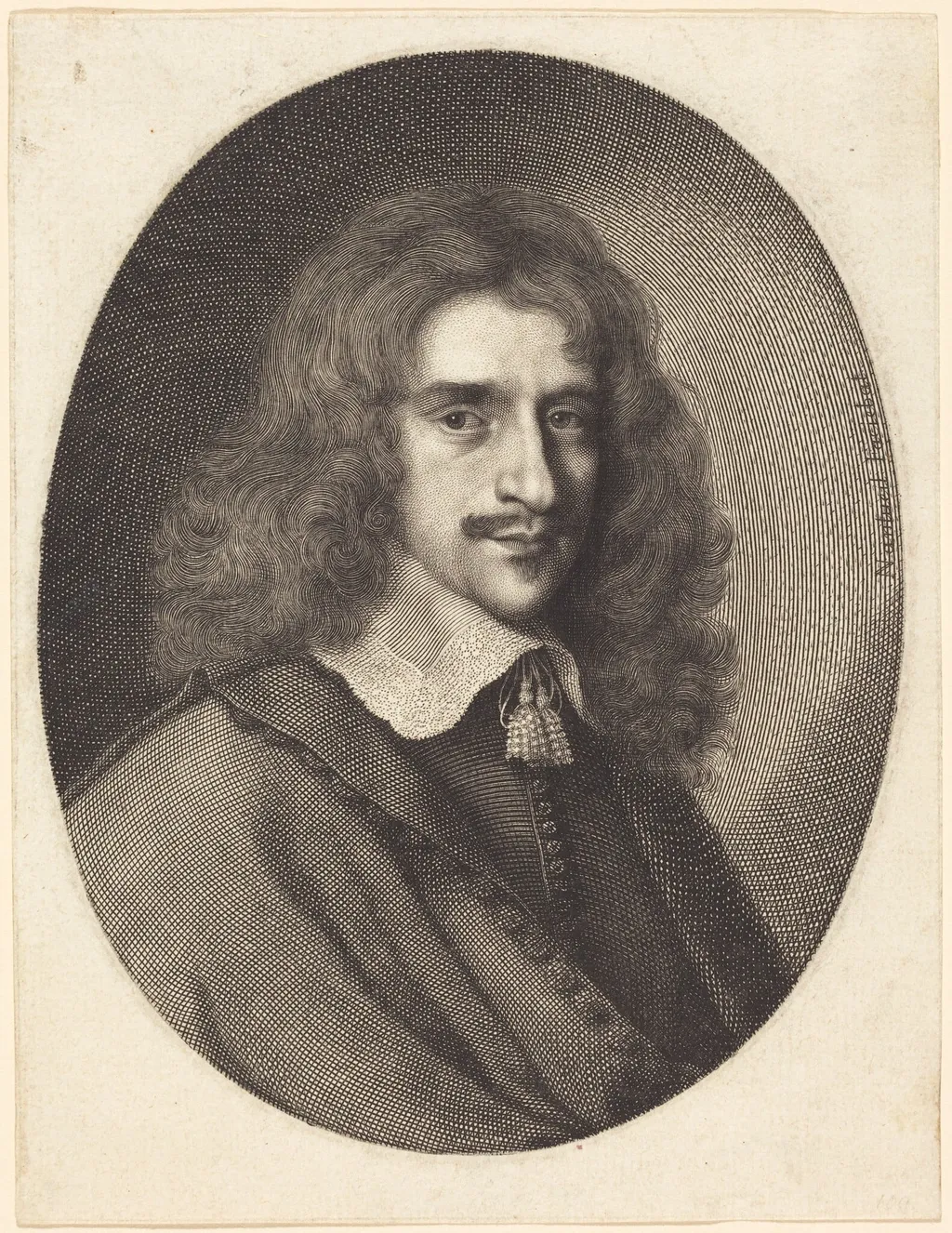
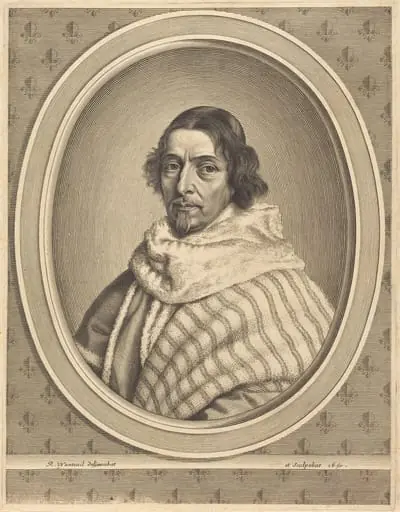
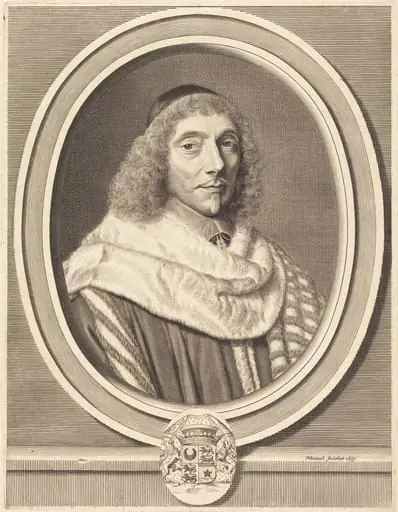
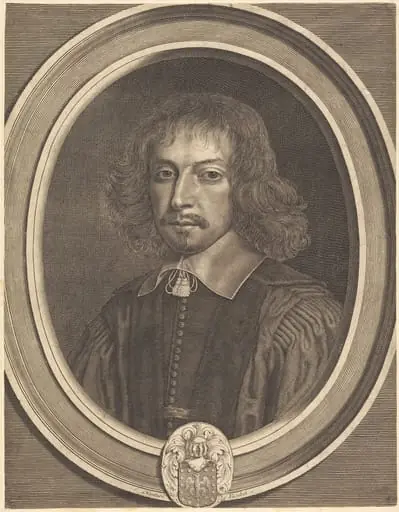
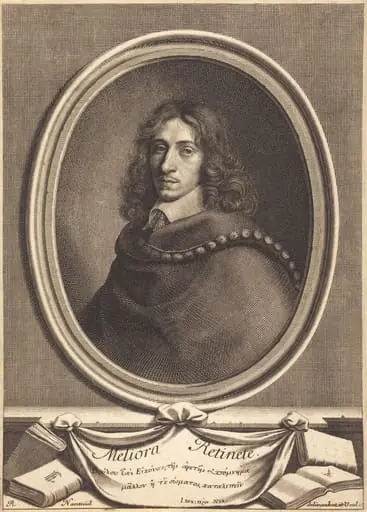
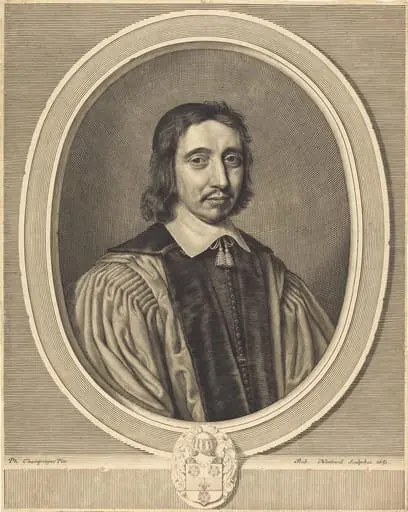
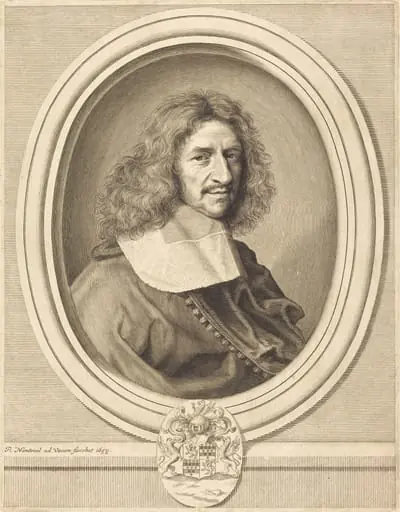
Louis Hesselin is an ink print by the Baroque artist Robert Nanteuil. It dates from 1650 and is held in the collection of the National Gallery of Art.
About this work
Overview
The 1650 engraving by Robert Nanteuil presents a close‑up portrait of Louis Hesselin, a notable figure within the French royal milieu of the mid‑seventeenth century. Executed in black and white, the image isolates the sitter against an unadorned background, emphasizing his facial expression and the intricate rendering of his attire.
Subject & Meaning
Louis Hesselin appears as a dignified court attendant, his solemn gaze and carefully styled wig suggesting both status and the decorum expected at Louis XIV’s court. The portrait’s focus on his visage and modest accessories reflects the period’s interest in documenting individual identity within the broader framework of royal service.
Technique & Style
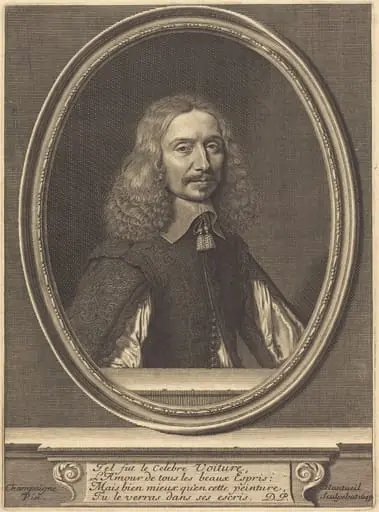
Nanteuil employed fine, parallel lines to model light and shadow, a hallmark of his engraving practice. This hatching creates a tactile sense of volume in the curly wig, high collar, and facial hair, producing a near‑three‑dimensional effect despite the medium’s monochrome limitation. The meticulous line work demonstrates the artist’s virtuosity in rendering texture.
History & Provenance
Created by Nanteuil, a leading portrait engraver attached to the court of Louis XIV, the print was likely circulated among elite patrons to commemorate Hesselin’s position. While specific ownership records are scarce, the work has been preserved in several European collections, attesting to its continued relevance as a documentary portrait of a 17th‑century court figure.
Artist & collection
Artist
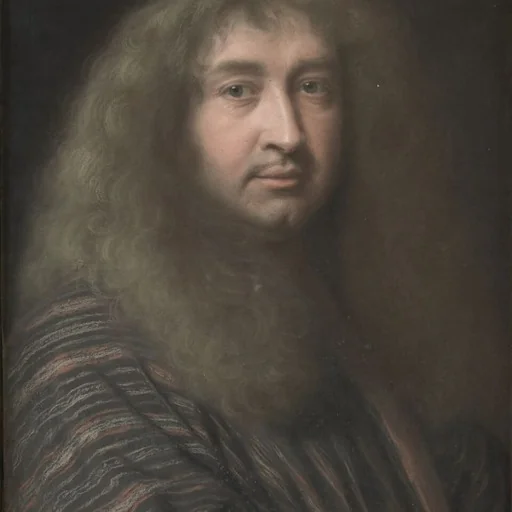
Robert Nanteuil (French pronunciation: ; 1623 – 9 December 1678) was a French portrait artist: engraver, draughtsman and pastellist to the court of Louis XIV.