Artwork
Self-portrait
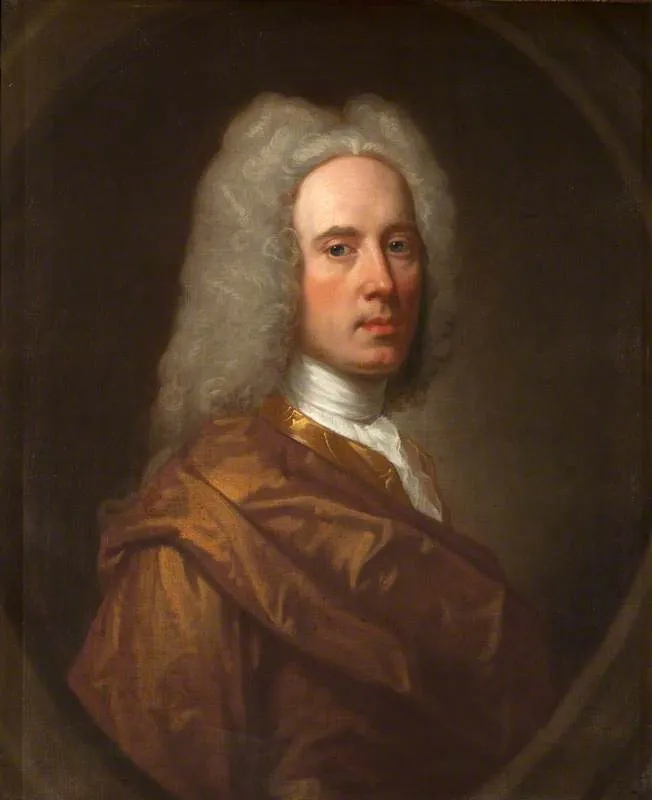
Self-portrait is an oil painting by William Aikman. It dates from 1716 and is held in the collection of the National Galleries Scotland.
About this work
Overview
The painting resides in the Scottish National Gallery, where it stands as one of the few surviving portraits by Aikman of himself.
Painted around 1716, this oil-on-canvas work is a self-portrait by Scottish artist William Aikman. It presents the artist in a compact oval format, emphasizing intimacy and focus. The painting resides in the Scottish National Gallery, where it stands as one of the few surviving portraits by Aikman of himself. Its restrained composition reflects the conventions of early 18th-century portraiture in Britain.
Subject & Meaning
The subject is Aikman himself, rendered with a solemn, introspective gaze. His long, white curls and dignified bearing suggest maturity and professional stature. The absence of symbolic objects or elaborate setting directs attention to his presence alone, implying a quiet assertion of identity as an artist. The tone is neither celebratory nor theatrical, but grounded in personal reflection.
Technique & Style
Aikman employs subtle chiaroscuro to model the face and robe, using soft transitions between light and shadow. The dark background isolates the figure, enhancing the three-dimensionality of his form. Brushwork is precise but unobtrusive, particularly in the rendering of fabric folds and hair. The gold trim on the brown robe catches light delicately, adding refinement without ostentation.
History & Provenance
The painting was likely executed during Aikman’s time in London, where he established himself as a portraitist after training in the Netherlands. It remained in private hands until entering the collection of the Scottish National Gallery. Its survival is notable, as many of Aikman’s works were lost or dispersed after his death in 1731. The gallery acquired it as part of a broader effort to preserve Scottish artistic heritage.
Context
In early 18th-century Britain, self-portraits were uncommon among artists outside academic circles. Aikman’s work aligns with a growing trend of artists asserting individual identity through portraiture, influenced by Dutch and Flemish precedents. Unlike grander royal commissions, this piece reflects the modest, professional ethos of a working painter navigating the London art scene.
Legacy
Though Aikman is less known today than his contemporaries, this self-portrait remains a key example of Scottish portraiture from the period. It offers insight into how artists represented themselves without the aid of institutional patronage. The painting continues to inform studies of artistic identity and the evolution of British portraiture in the decades before Reynolds and Gainsborough.
Artist & collection
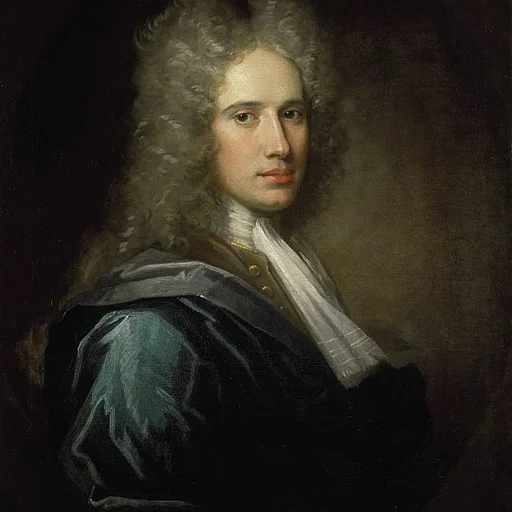

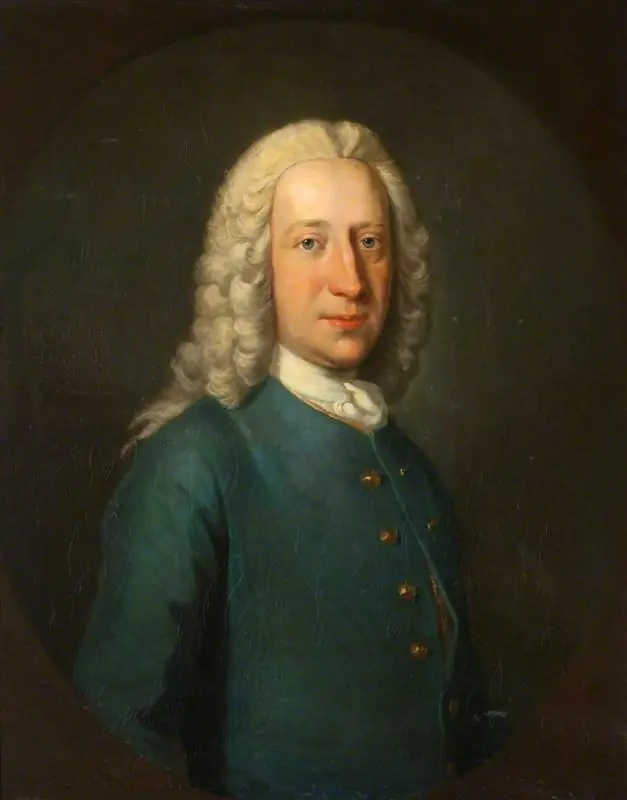 Portrait of a Gentleman
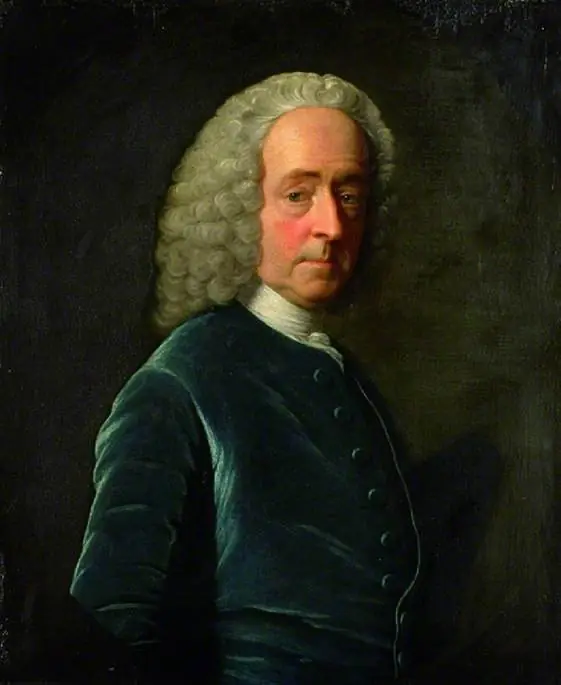 Portrait of James Haughton Langston
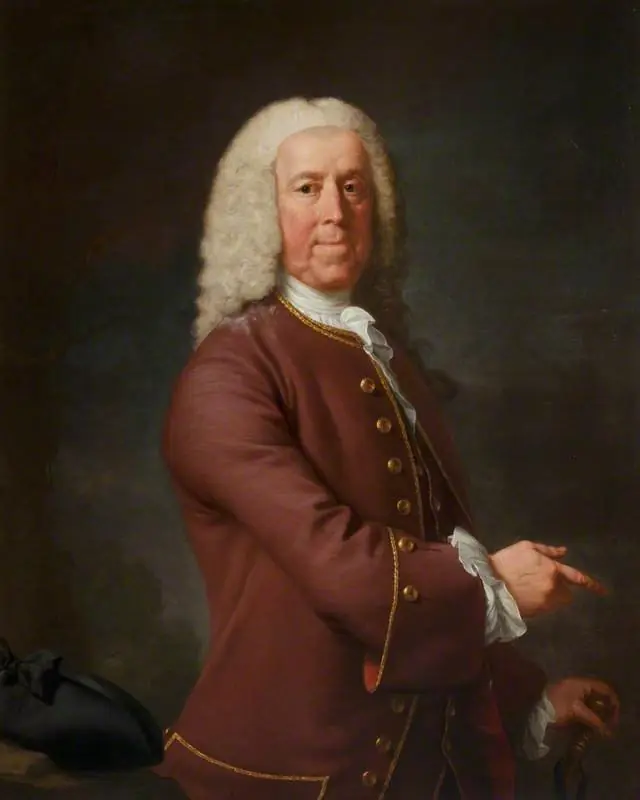 Portrait of a Gentleman
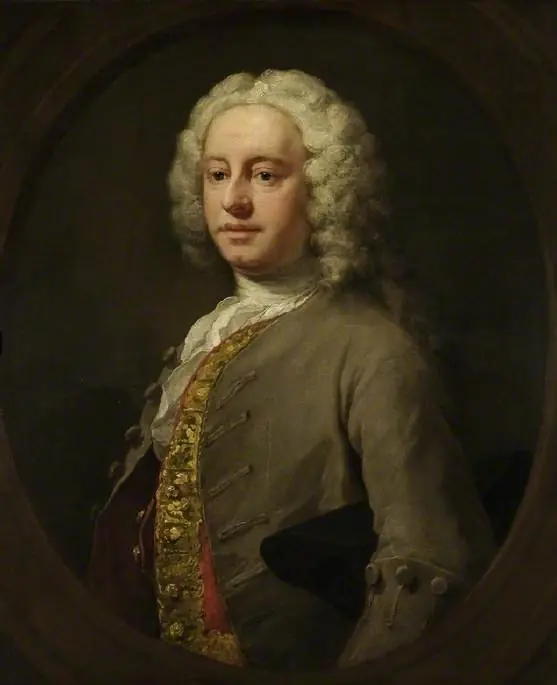 Portrait of an Unknown Man
 Portrait of a Military Gentleman, possibly General George Wade (1673-1748)
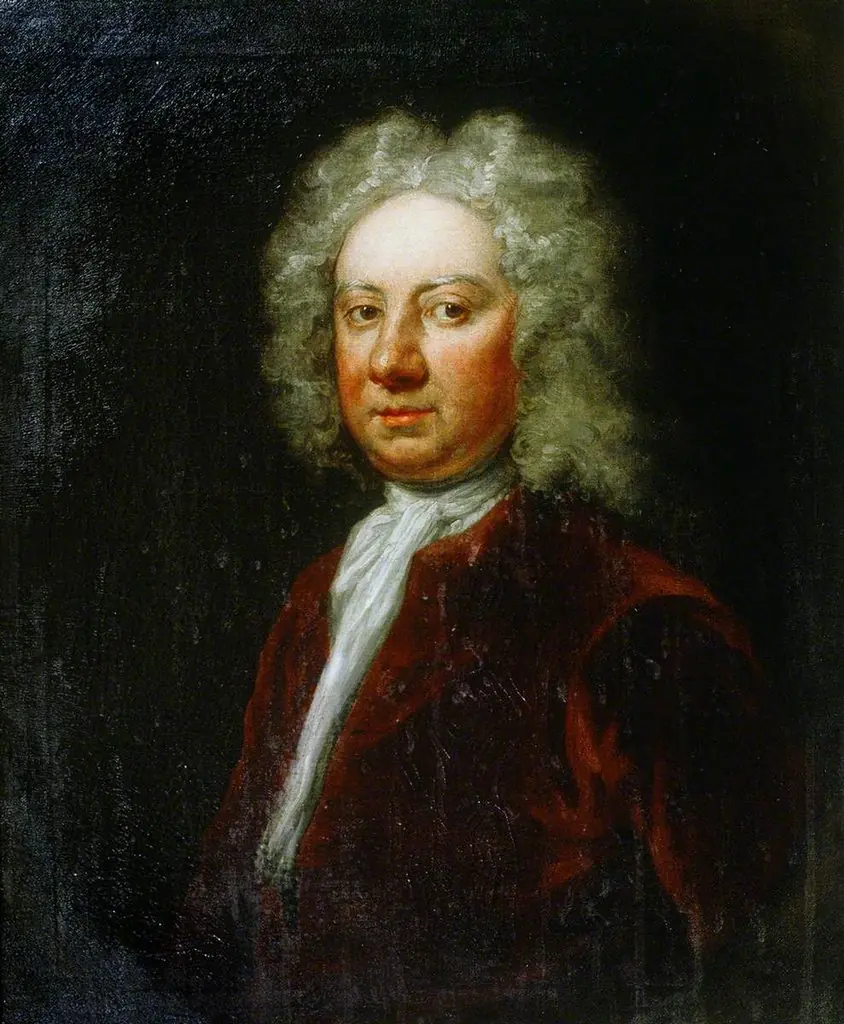 Portrait of a gentleman
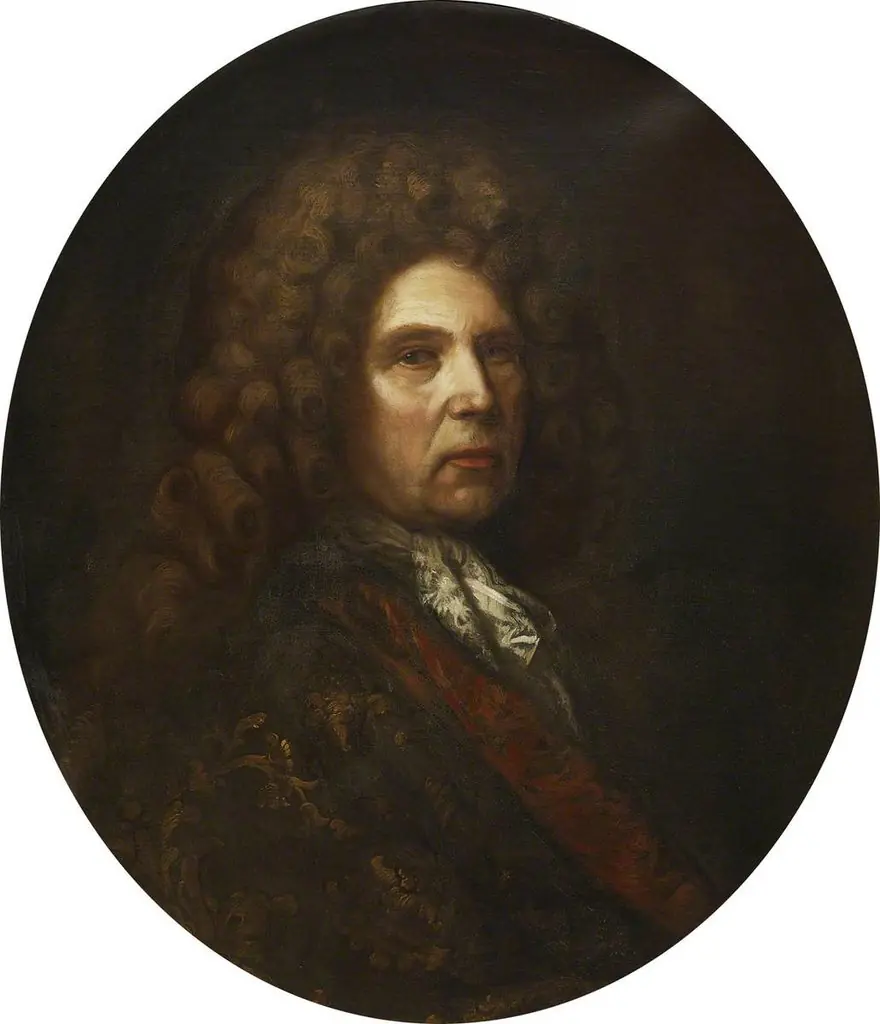 Jacques (Jean) Rousseau (1630–1693)
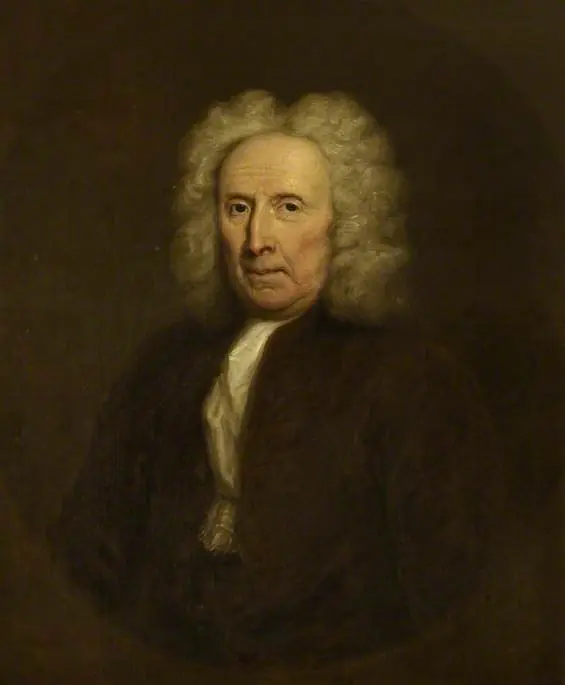 Richard Snow
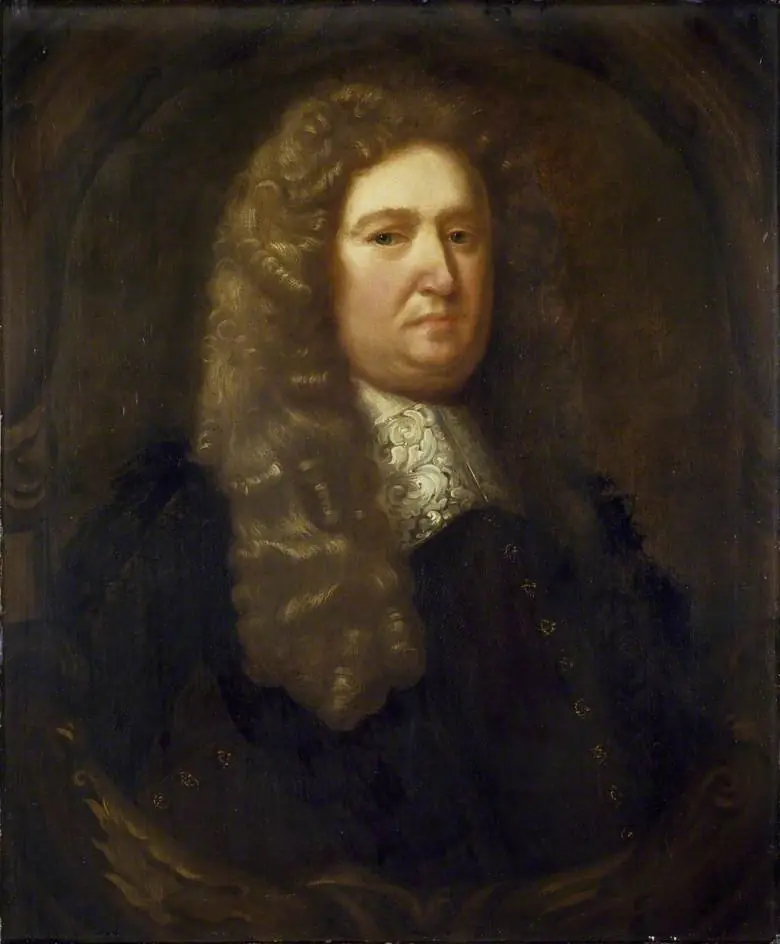 Robert Plot
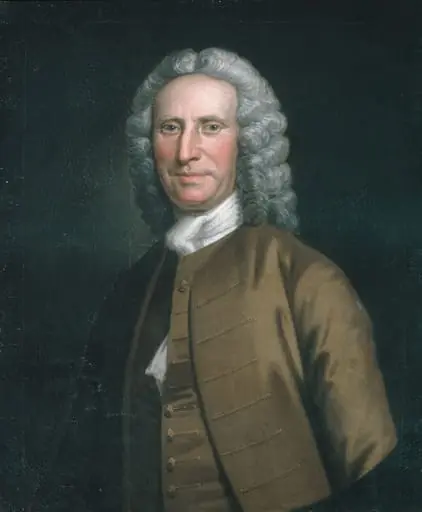 Cadwallader Colden
 Portrait of a gentleman in a red cloak
 James Ker of Bughtrigg (1700 - 1768)