Artwork
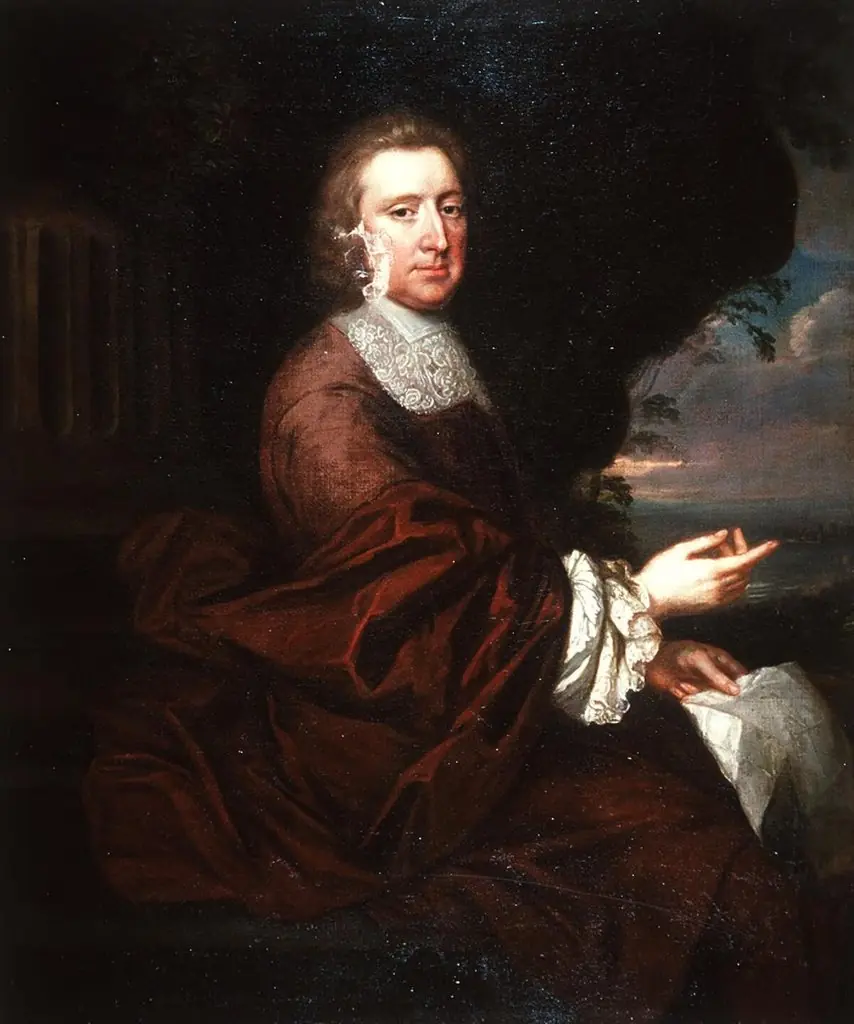
Portrait of a gentleman in a red cloak
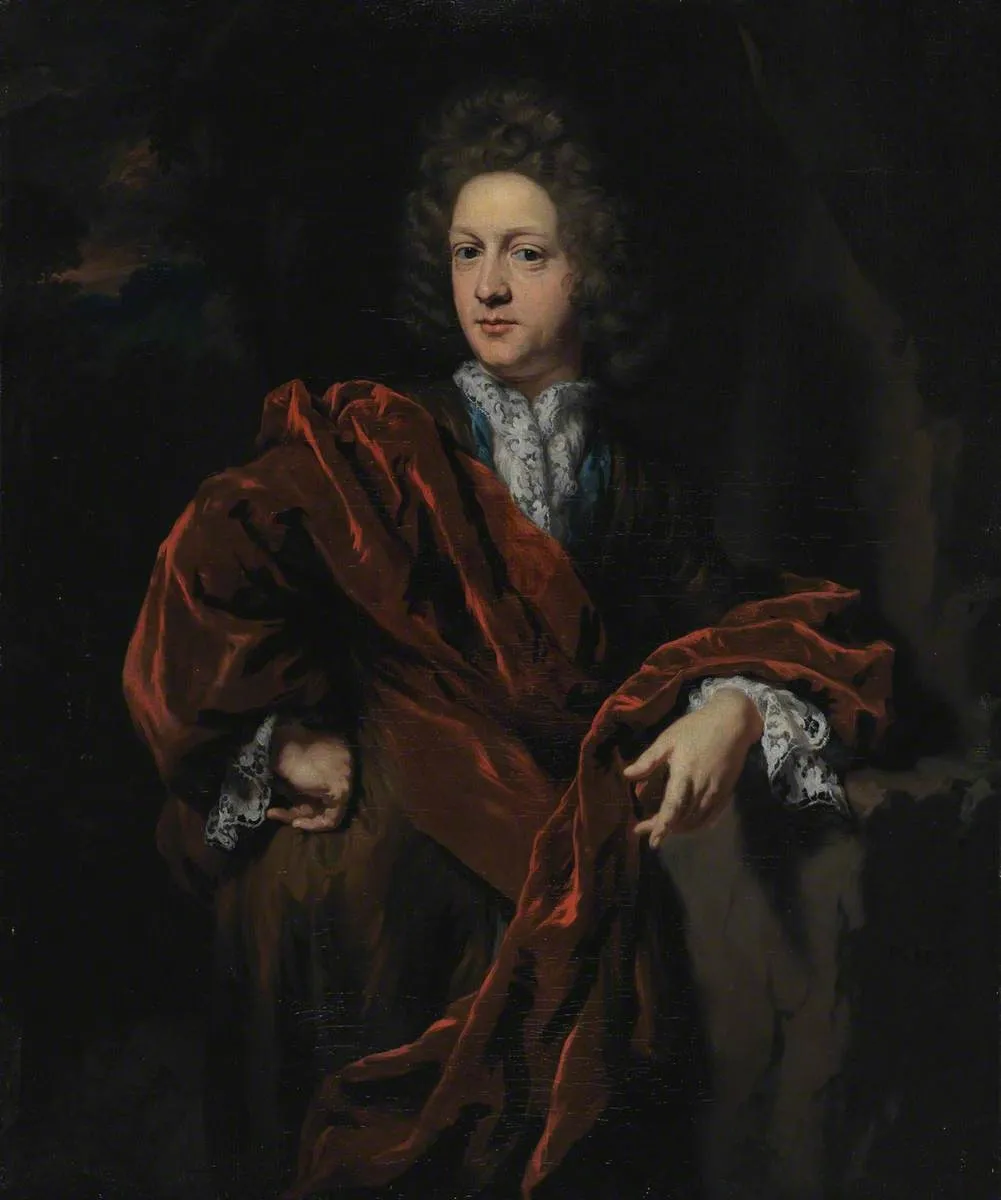
Portrait of a gentleman in a red cloak is an oil painting by the Dutch Golden Age artist Nicolaes Maes. It dates from 1673 and is held in the collection of the Fitzwilliam Museum.
About this work
Overview
It belongs to the Fitzwilliam Museum’s collection and exemplifies the refined portraiture favored by the Dutch urban elite during the late Golden Age.
Painted around 1673, this oil-on-canvas portrait is the work of Nicolaes Maes, a Dutch artist who transitioned from Rembrandt’s studio to become a leading portraitist in Amsterdam. The painting reflects Maes’s mature style, characterized by refined composition and subtle lighting. It belongs to the Fitzwilliam Museum’s collection and exemplifies the refined portraiture favored by the Dutch urban elite during the late Golden Age.
Subject & Meaning
The sitter is a man of means, dressed in a dark red cloak draped over one shoulder and a finely detailed lace-trimmed shirt. His poised posture and unadorned background emphasize dignity rather than status symbols. The absence of identifiers like titles or objects suggests a focus on personal presence, aligning with the era’s preference for restrained, introspective portraiture that conveyed character over wealth.
Technique & Style
Maes employs chiaroscuro to model the figure with soft gradations of light and shadow, lending volume to the fabric and face. The brushwork is precise in the lace and hair, yet looser in the cloak’s folds, creating a tactile contrast. The dark, neutral background isolates the subject, directing attention to his form and expression. This technique reflects Maes’s adaptation of Rembrandt’s lighting principles into a more elegant, commercial idiom.
History & Provenance
The painting was likely commissioned by a wealthy Amsterdam merchant or civic official during Maes’s peak years as a portraitist. It remained in private collections until entering the Fitzwilliam Museum’s holdings, where it has been preserved as a representative example of late 17th-century Dutch portraiture. Its documented history is limited, but its style and date align with Maes’s known output from this period.
Context
In the 1670s, Amsterdam’s rising merchant class sought portraits that conveyed refinement without ostentation. Maes, having moved from genre scenes to portraiture, met this demand with compositions that balanced realism and decorum. His work stood apart from the flamboyant styles of other European courts, instead favoring quiet authority and psychological presence—qualities that defined Dutch civic portraiture at the time.
Legacy
Maes’s portraits, including this one, helped define the aesthetic of Dutch elite portraiture in the later Golden Age. His ability to merge Rembrandt’s tonal depth with a more polished, accessible style influenced contemporaries and successors. While less celebrated today than his teacher, his body of work remains a key reference for understanding the evolution of Dutch painting beyond religious and genre subjects.
Artist & collection
Artist
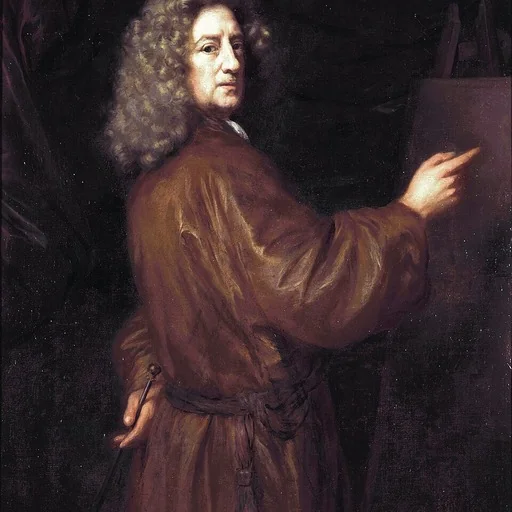
Nicolaes Maes (January 1634 – December 1693; buried 24 December 1693) was a Dutch painter known for his genre scenes, portraits, religious compositions and the occasional still life.

 Portrait of a gentleman
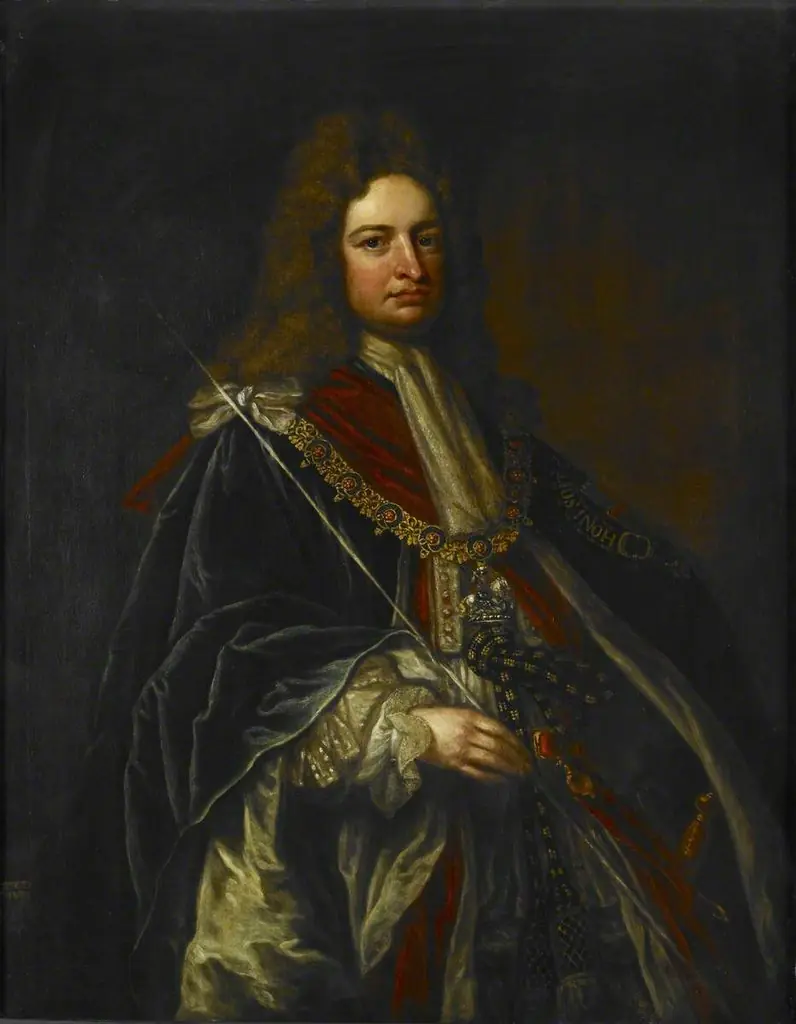 Robert Harley (1661–1724), 1st Earl of Oxford and Mortimer
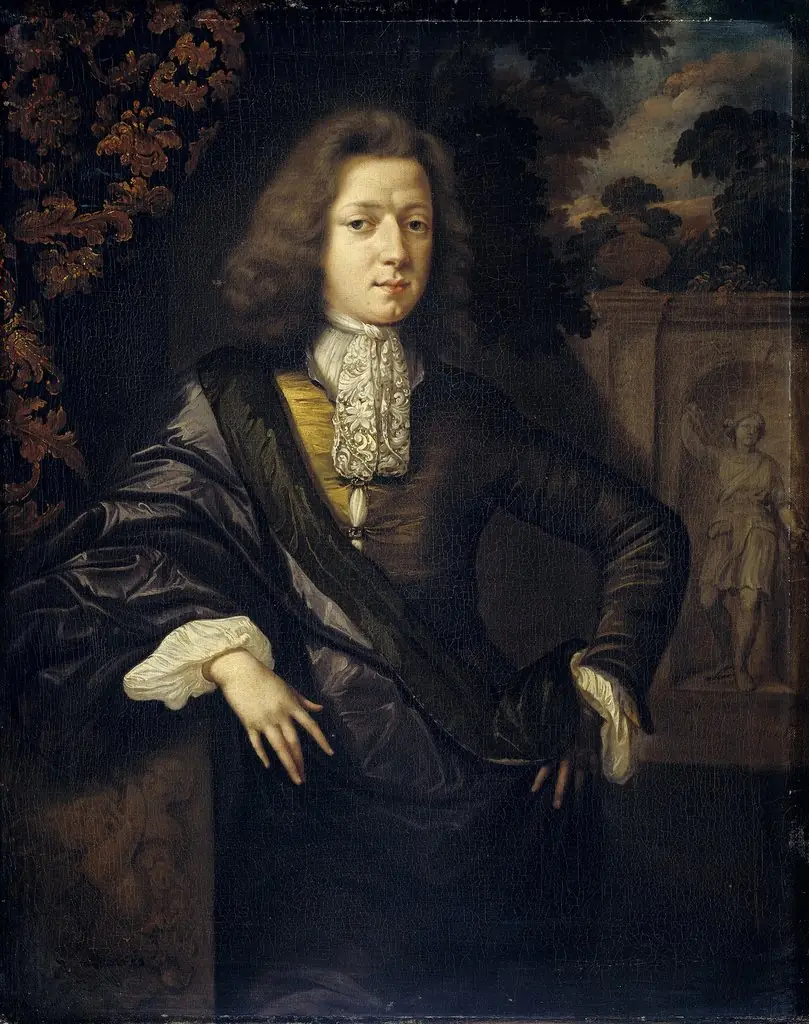 Portrait of Johan van Bochoven (1624-93), Public prosecutor and councillor at the court of Flanders
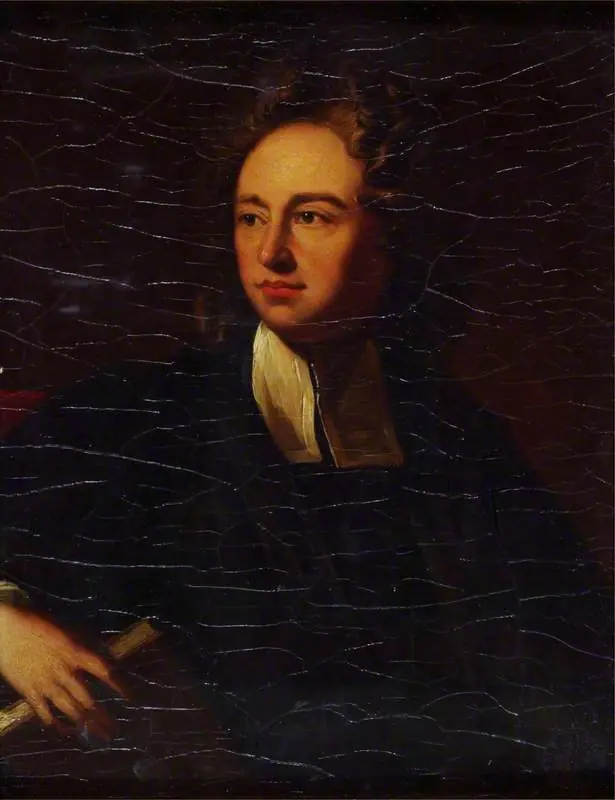 Richard Bentley (after James Thornhill)
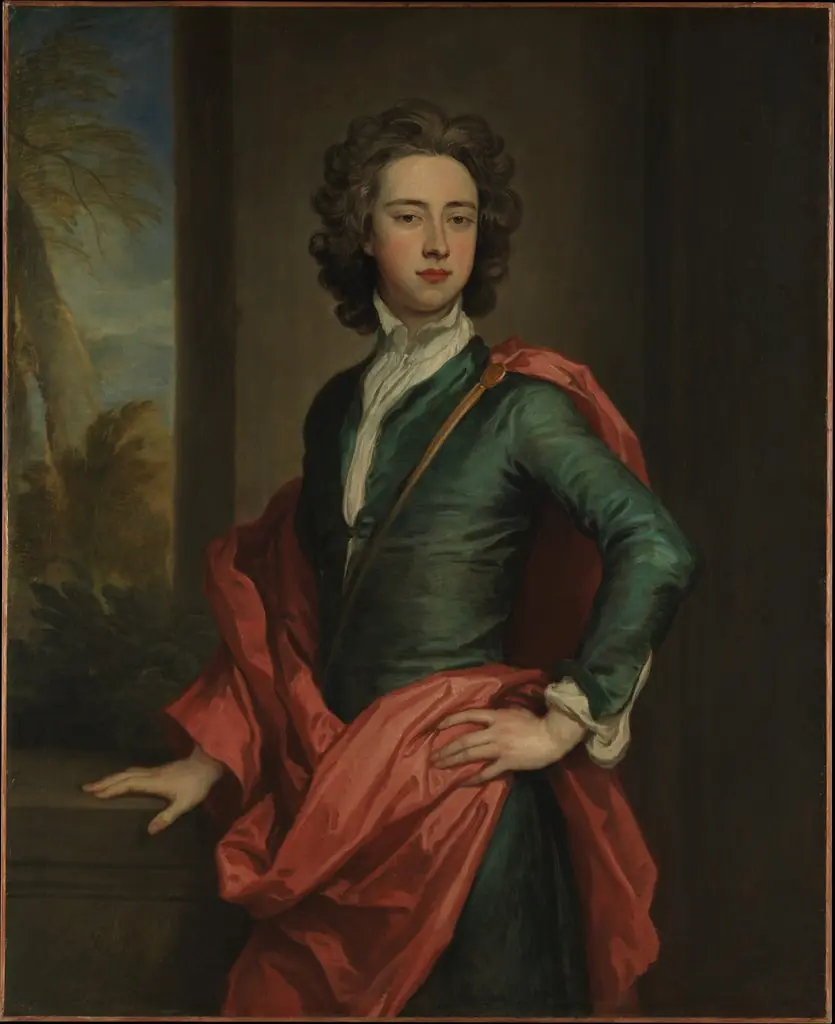 Charles Beauclerk (1670–1726), Duke of St. Albans
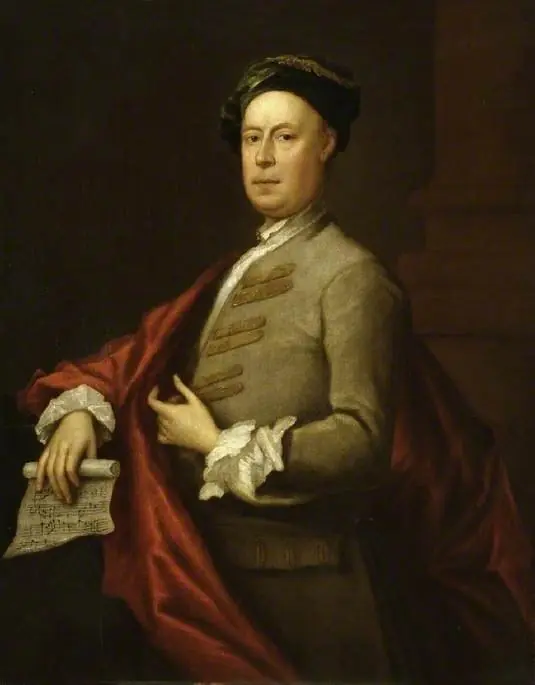 'G.F. Handel'
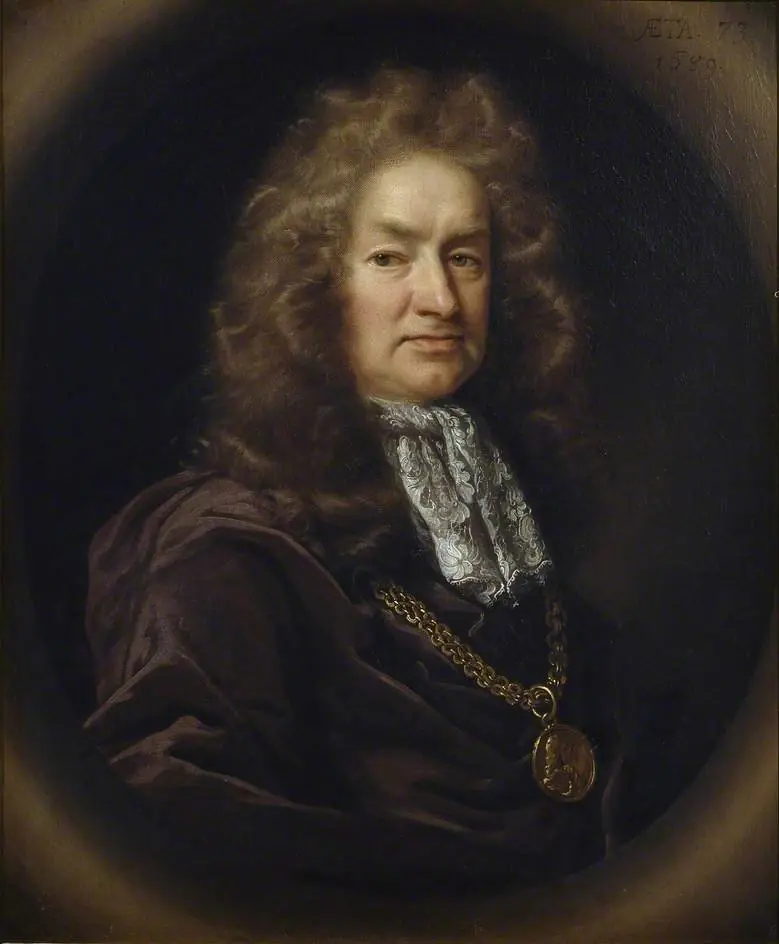 Elias Ashmole
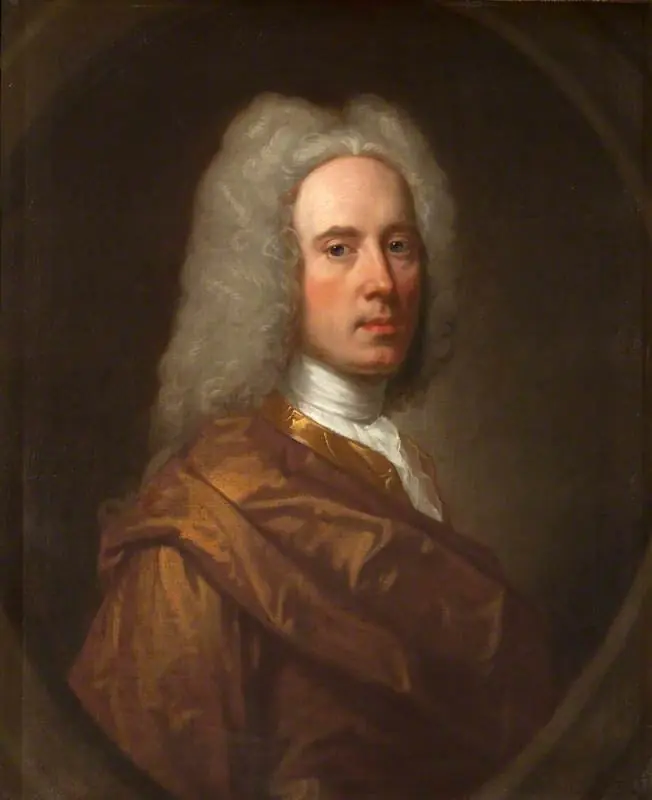 Self-portrait
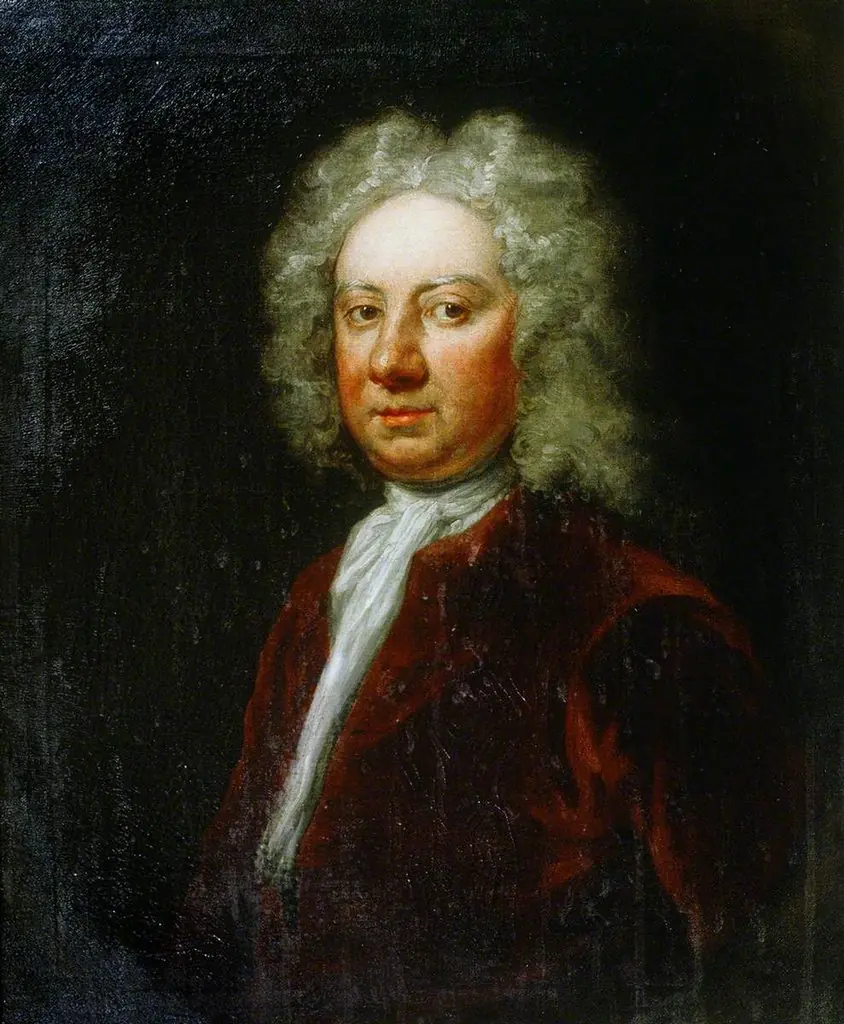 Portrait of a gentleman
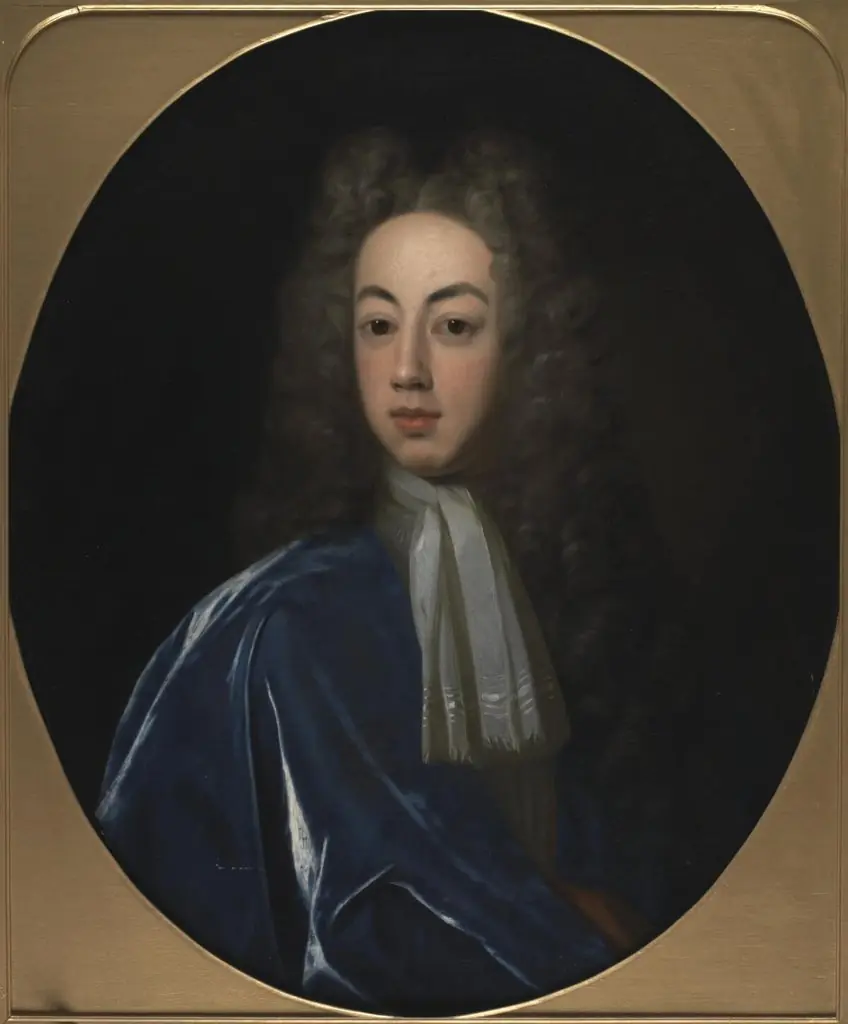 William Owen, son of Sir Robert Owen
 Godfrey Kneller
 Portrait of a Gentleman