Artwork
William Bonham
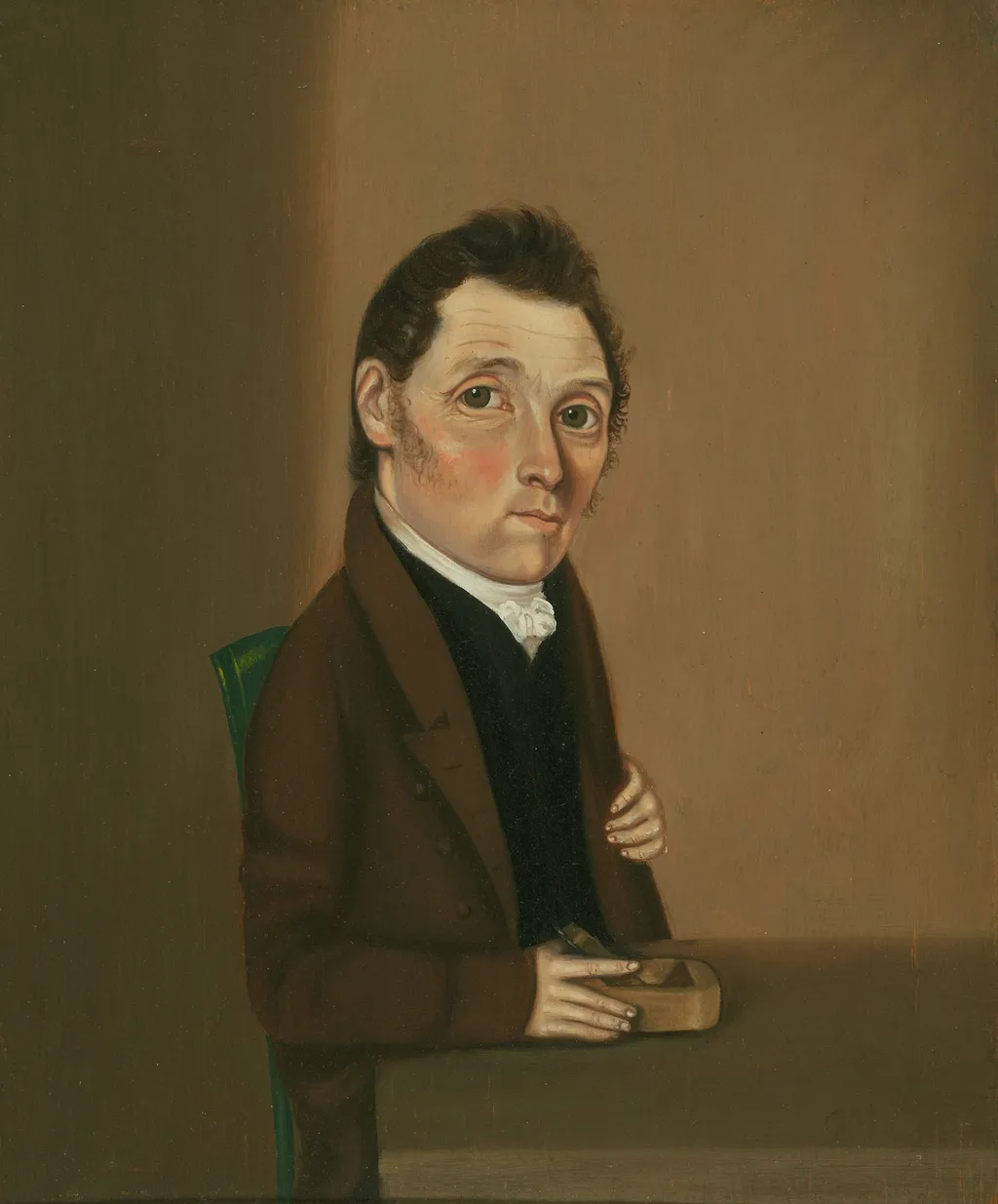
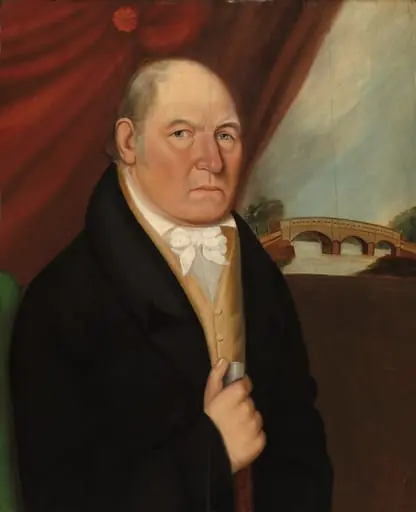
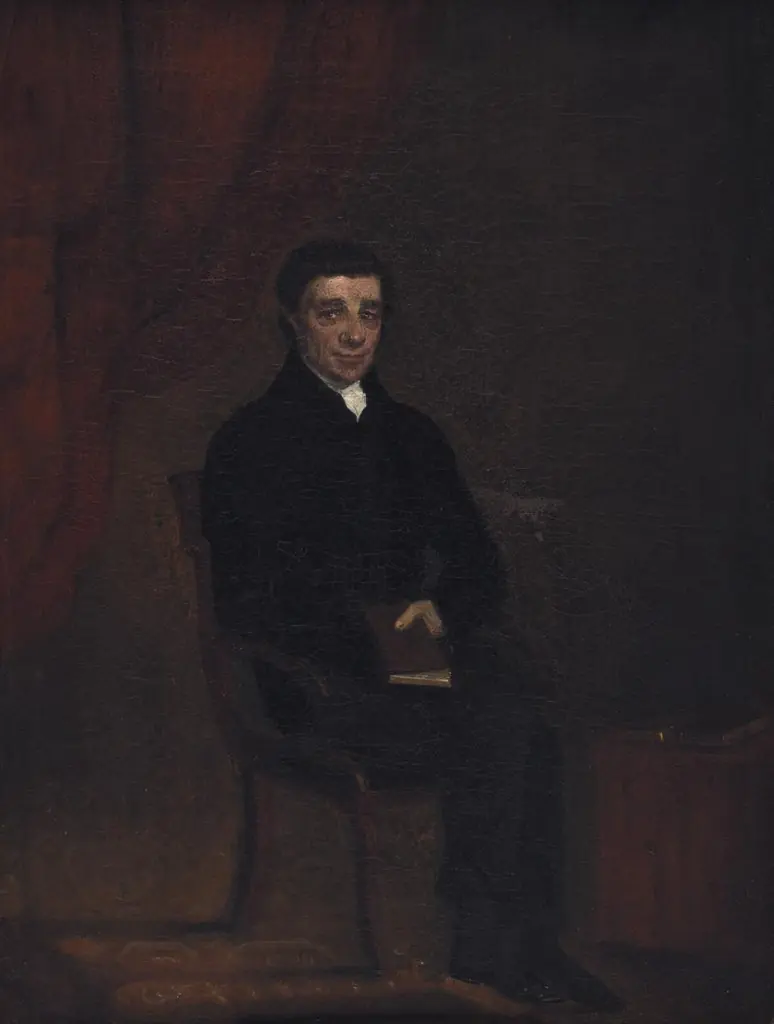
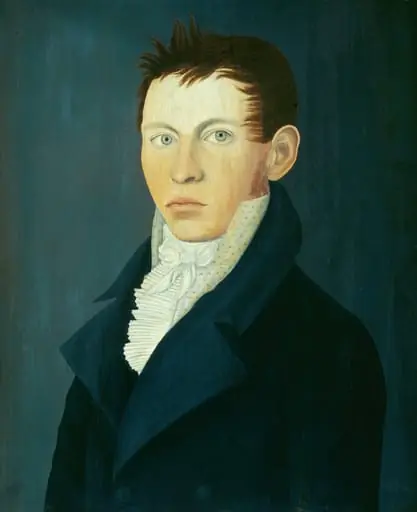
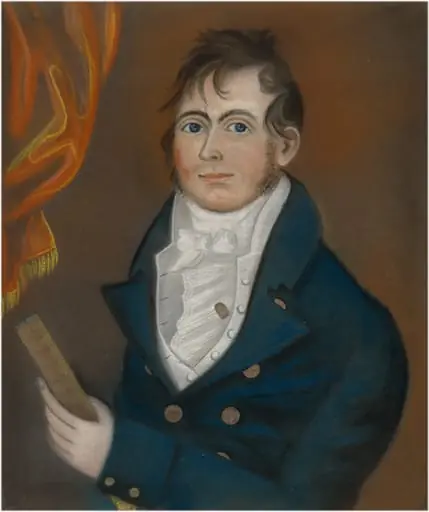
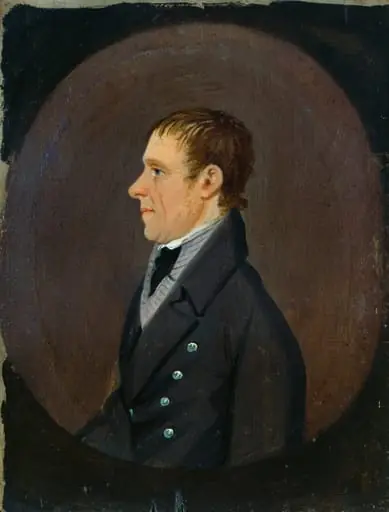
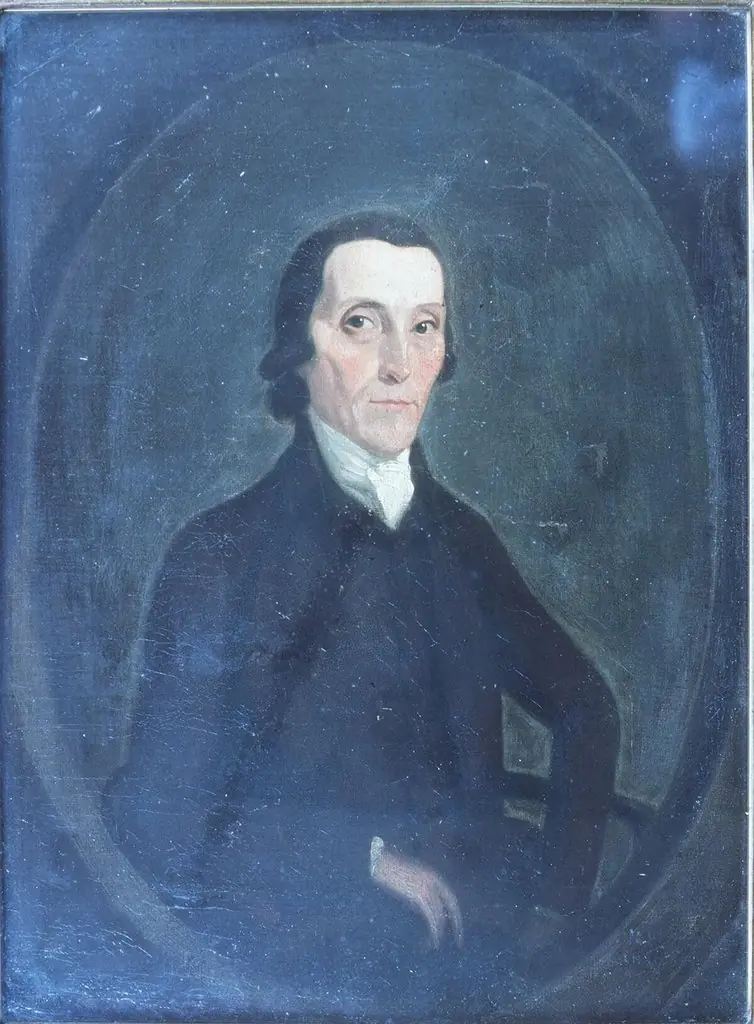
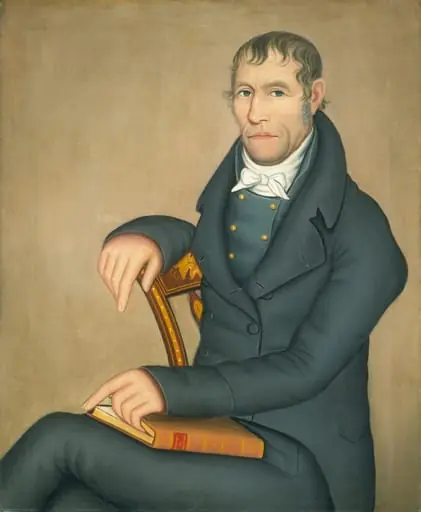
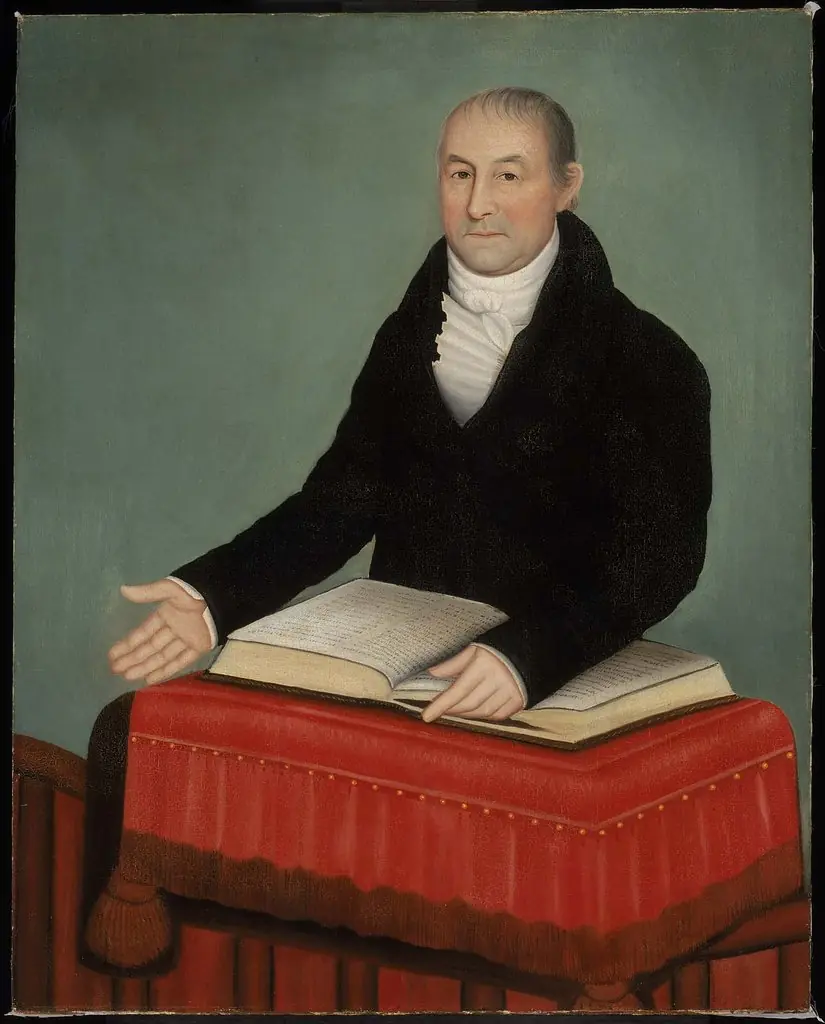
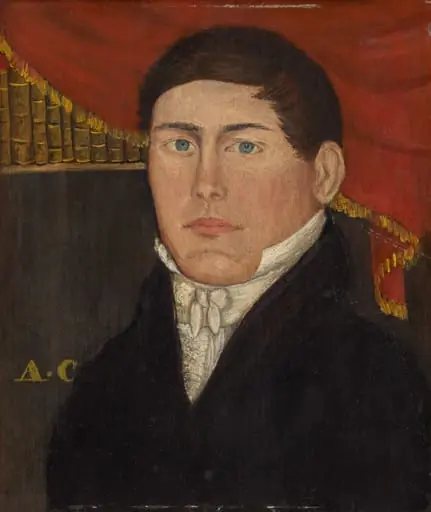
William Bonham is an unspecified painting by William Bonnell. It dates from 1825 and is held in the collection of the Art Institute of Chicago.
About this work
Overview
Bonnell, an untrained American artist born in 1804, worked within the folk art tradition, favoring direct representation over academic conventions.
Painted in 1825 by William Bonnell, this portrait depicts a man named William Bonham. Bonnell, an untrained American artist born in 1804, worked within the folk art tradition, favoring direct representation over academic conventions. The painting is part of the Art Institute of Chicago’s collection and exemplifies the quiet, personal character of early 19th-century American portraiture outside formal institutions.
Subject & Meaning
The sitter, William Bonham, is portrayed with quiet dignity, dressed in a brown coat, black vest, and white cravat. He holds a small wooden box topped with a plane, suggesting his trade as a carpenter or craftsman. The inclusion of this tool transforms the portrait from a mere likeness into a statement of identity and occupation, reflecting values of labor and self-reliance common in the period.
Technique & Style
Bonnell’s approach is unrefined yet deliberate: flat planes of color, simplified modeling, and careful attention to textile textures define the style. The background is unadorned, focusing attention on the figure and the object in his hands. Brushwork is even and precise where details matter—like the cravat or the plane’s edge—while other areas remain loosely rendered, revealing an intuitive, non-academic method.
History & Provenance
The painting has remained in institutional hands since at least the 20th century, entering the Art Institute of Chicago’s collection as part of its broader effort to document vernacular American art. No record of earlier ownership or commission is known, suggesting the portrait may have been made for personal or local use rather than a formal patronage arrangement.
Context
In the 1820s, formal portrait painting was dominated by trained artists in urban centers. In contrast, self-taught painters like Bonnell served rural and small-town clients, offering affordable likenesses grounded in local life. This portrait reflects a broader trend: ordinary Americans commissioning images that affirmed their roles in society through clothing and tools rather than grandeur.
Legacy
Bonnell’s work, including this portrait, contributes to the understanding of American folk art as a legitimate cultural expression. His focus on everyday objects and unidealized figures helped shape how later generations value non-academic art. Today, such works are studied not for technical perfection, but for their insight into the lives of ordinary people in early America.
Own this work as a print
Artist & collection

Artist
William Bonnell (February 1, 1804 – October 12, 1865) was an American portrait painter. His works are generally placed in the folk art category, due to his lack of formal training.