Artwork
Self-portrait
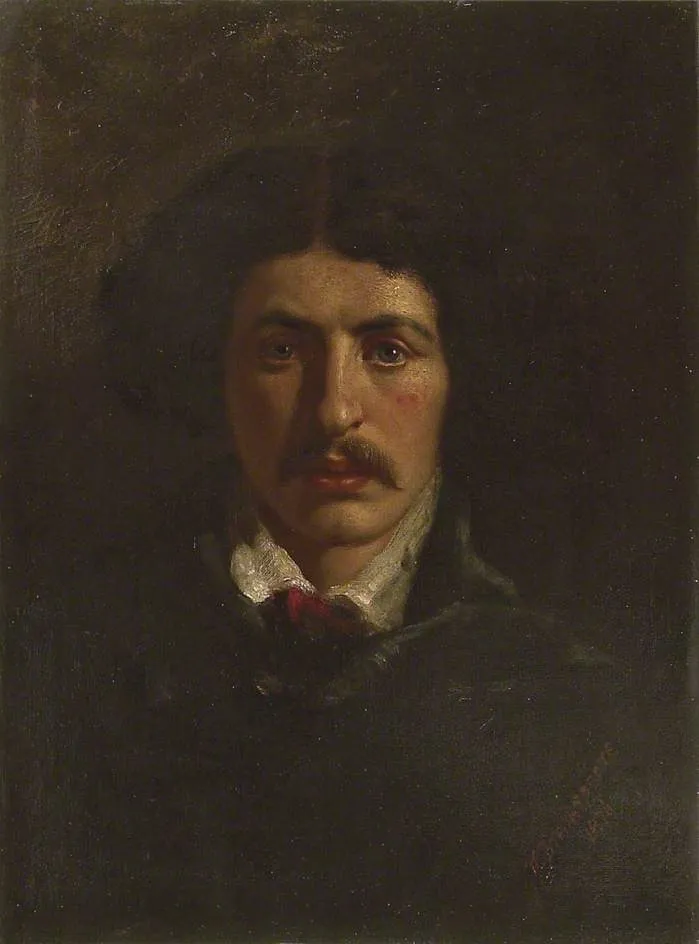
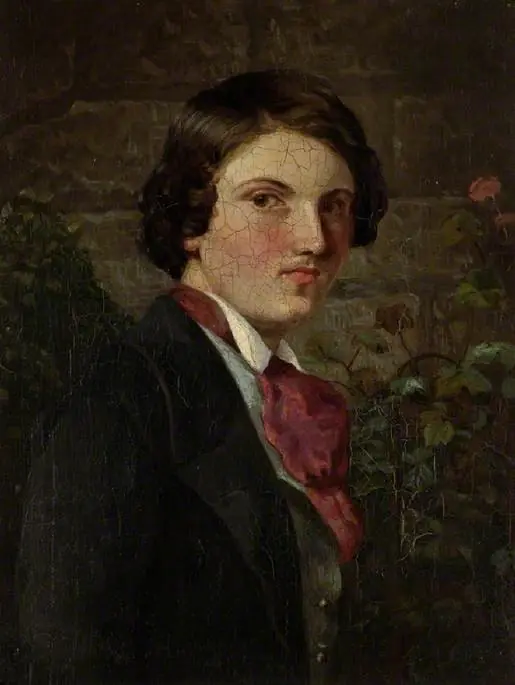
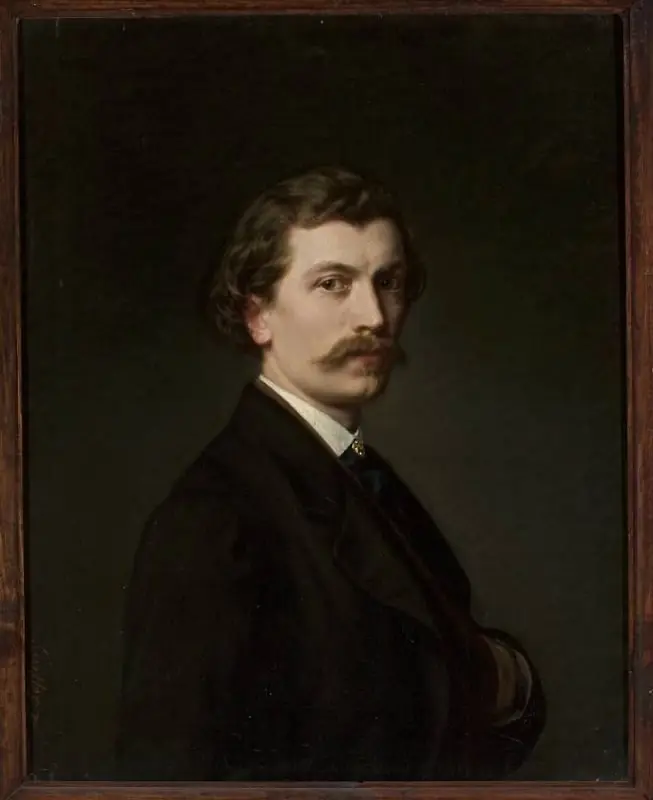
Self-portrait is an oil painting by the Impressionist artist William Breakspeare. It dates from 1888 and is held in the collection of the Ashmolean Museum. Created in 1888, this oil self‑portrait presents the artist in a straightforward, frontal pose.
About this work
Overview
Created in 1888, this oil self‑portrait presents the artist in a straightforward, frontal pose. The figure is rendered against a dark backdrop, drawing attention to his face, which occupies the central visual field. The composition reflects the conventions of portraiture while hinting at the broader aesthetic concerns of late‑19th‑century British painting.
Subject & Meaning
The sitter is a middle‑aged man with dark hair, a moustache, and a serious expression, gazing directly at the viewer. He is dressed in a dark jacket, white shirt and a red bow tie, attire that conveys a modest professionalism. The direct eye contact and restrained demeanor suggest a desire to present himself with dignity and artistic seriousness.
Technique & Style
Executed in oil, the work displays visible brushwork that adds texture to both flesh and fabric. The handling of light and shadow creates a modest chiaroscuro effect, emphasizing the facial features against the somber background. Though rooted in portrait tradition, the loose application of paint aligns the piece with the Impressionist tendency toward surface perception.
History & Provenance
The portrait was painted by William Breakspeare, a Birmingham‑born artist who began his career as a decorator before joining the Royal Birmingham Society of Artists. He exhibited regularly with the Society from 1874 to 1899. The painting now belongs to the collection of the Ashmolean Museum, where it is displayed as part of its British art holdings.
Artist & collection
Artist
William Arthur Breakspeare (19 January 1856 – 8 May 1914) RBA, RBSA was an artist from Birmingham, England, the son of John Breakspeare, a flower painter working in the Birmingham japanning trade.

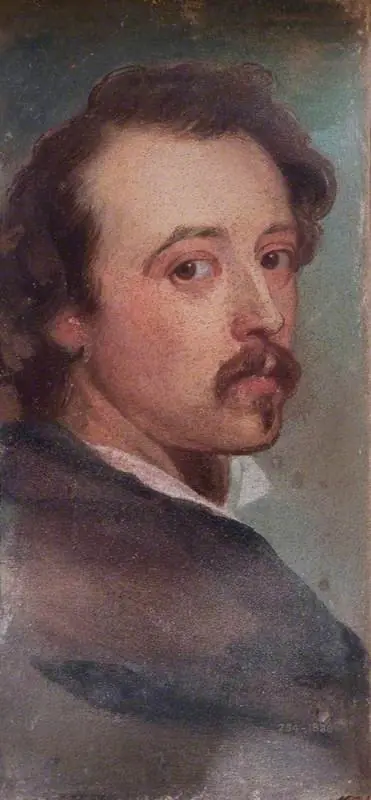 Portrait of a Man (sketch for a mural in the Villa Carreggi)
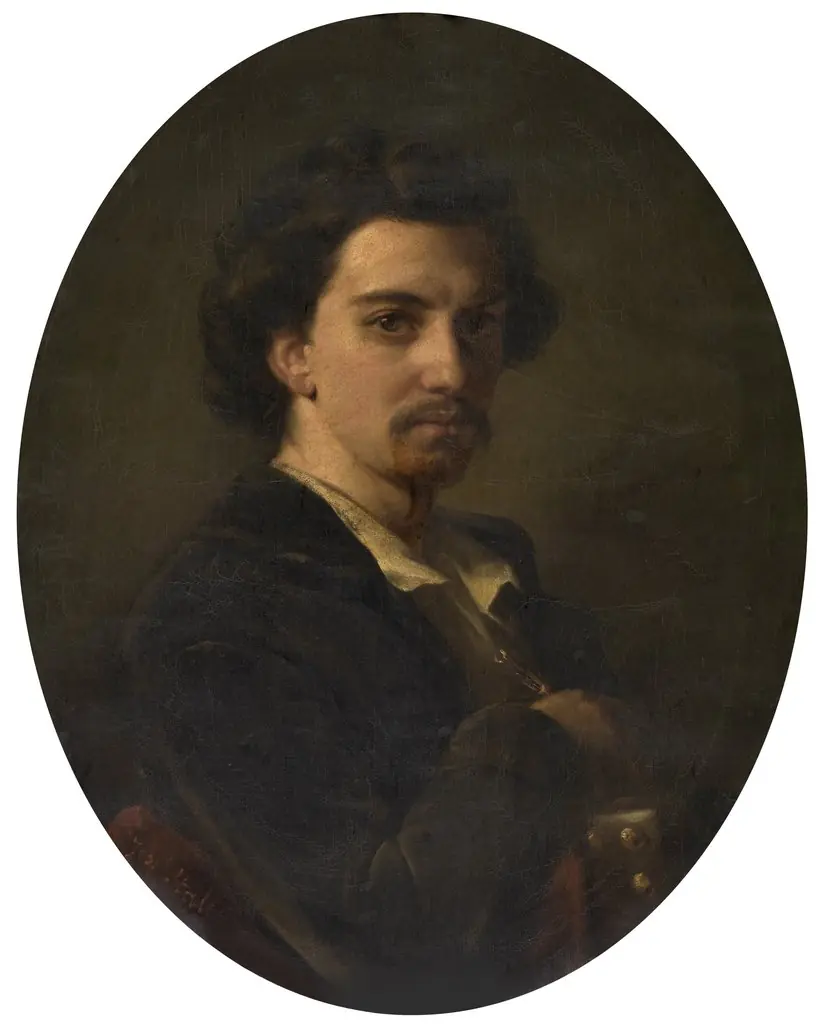 The Painter Constant Wauters
 Self-portrait
 Self-Portrait
 Studiekop naar links
 Gold and Brown: Self-Portrait
 Self-portrait
 Portretul lui Filip Marin
 Self-portrait with cigarette
 El pintor Francesc Torrescassana
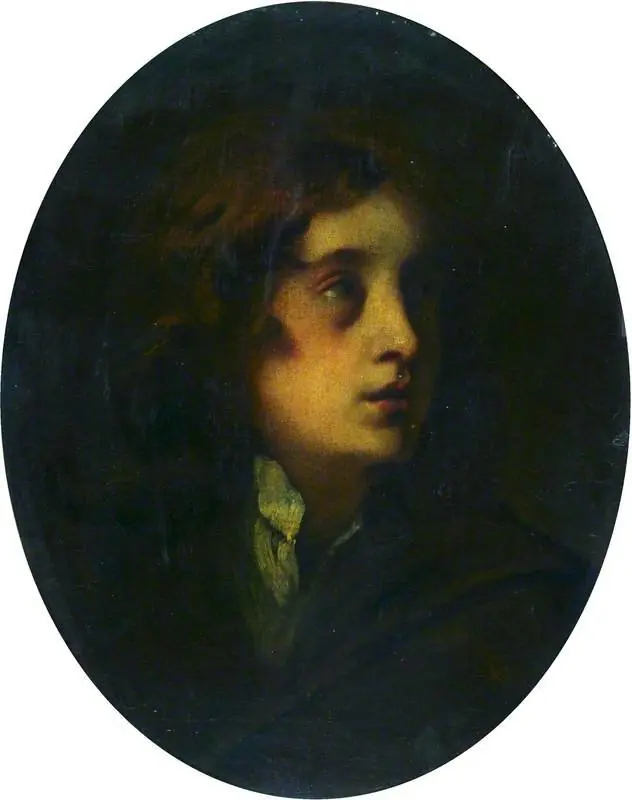 Portrait of a Young Man
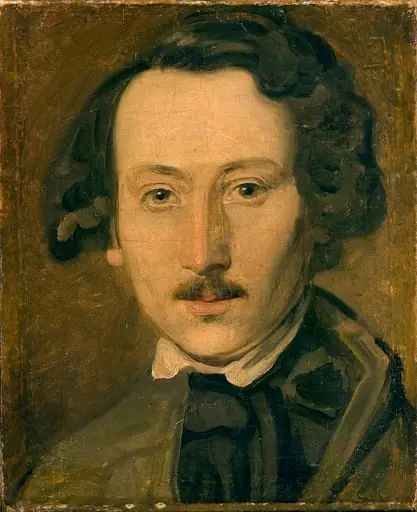 Nils Johan Olsson Blommér