Artwork
Self-Portrait
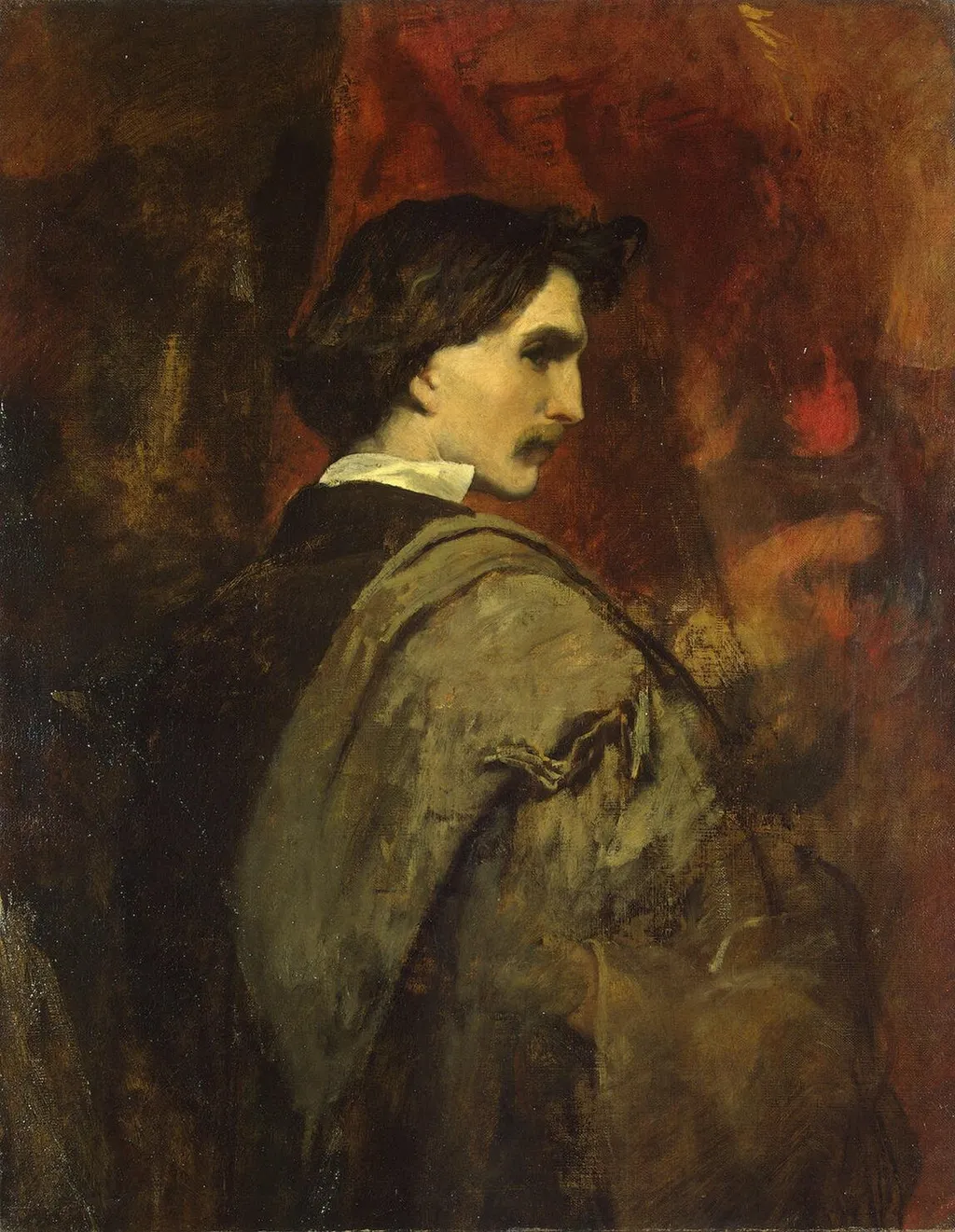
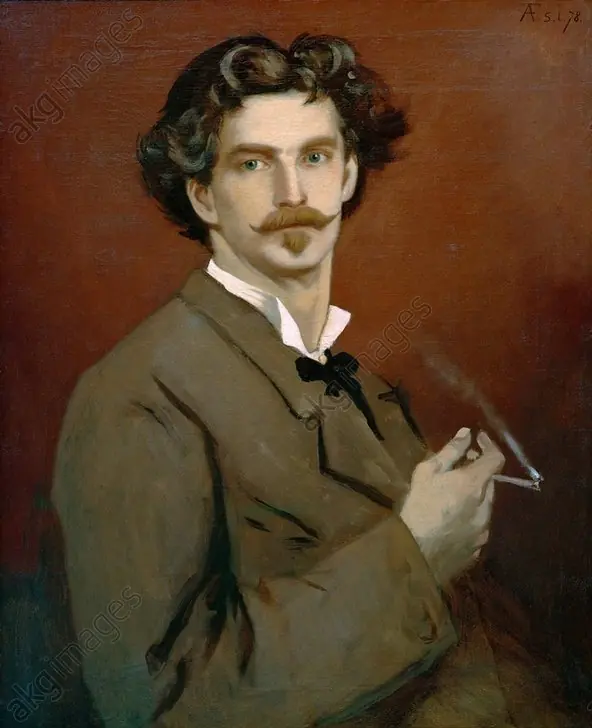
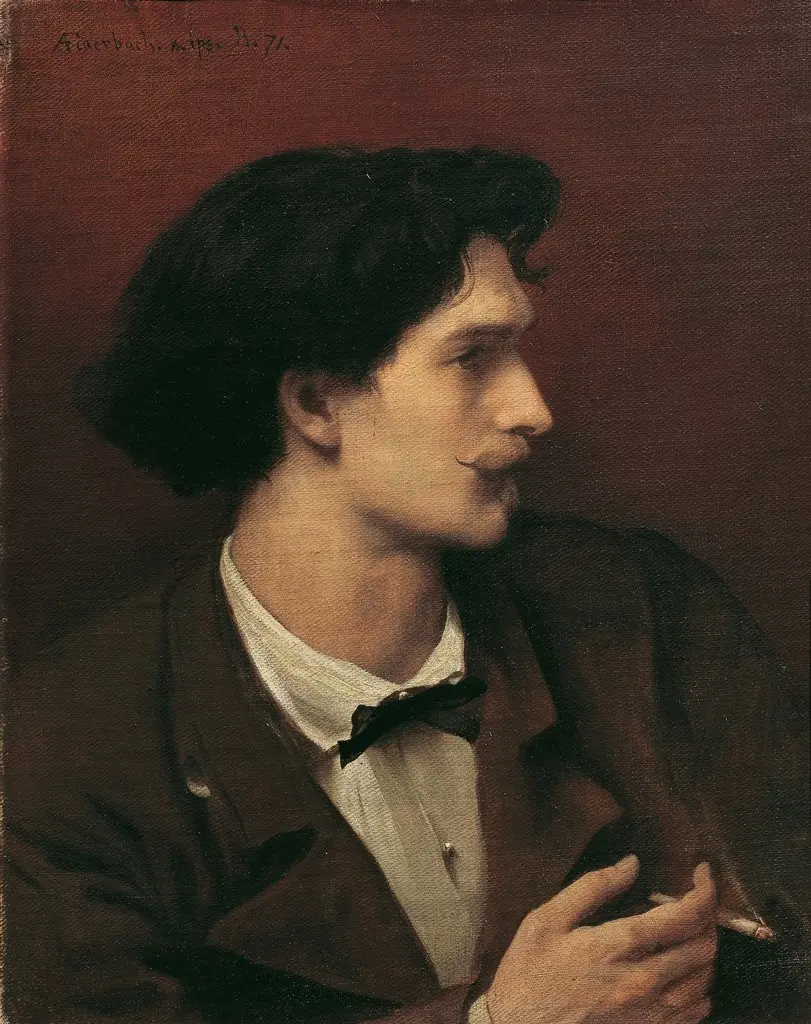
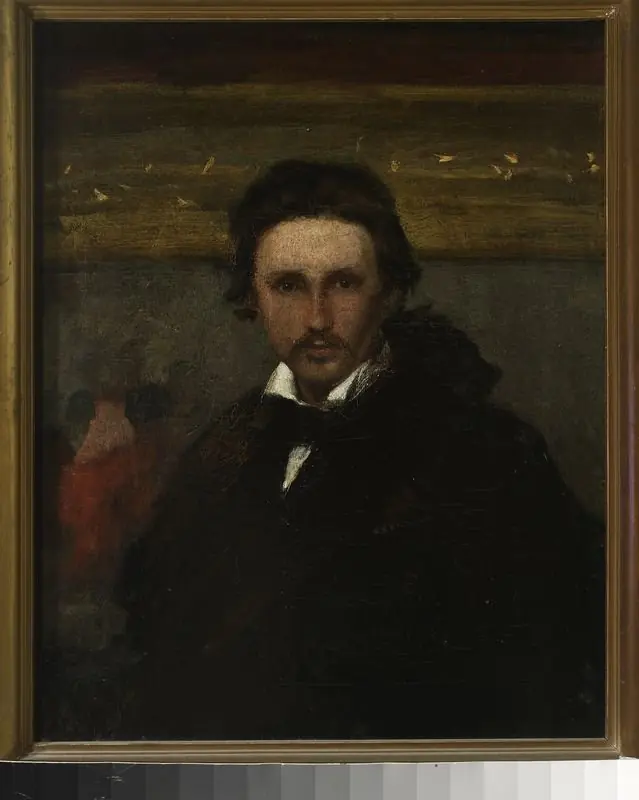
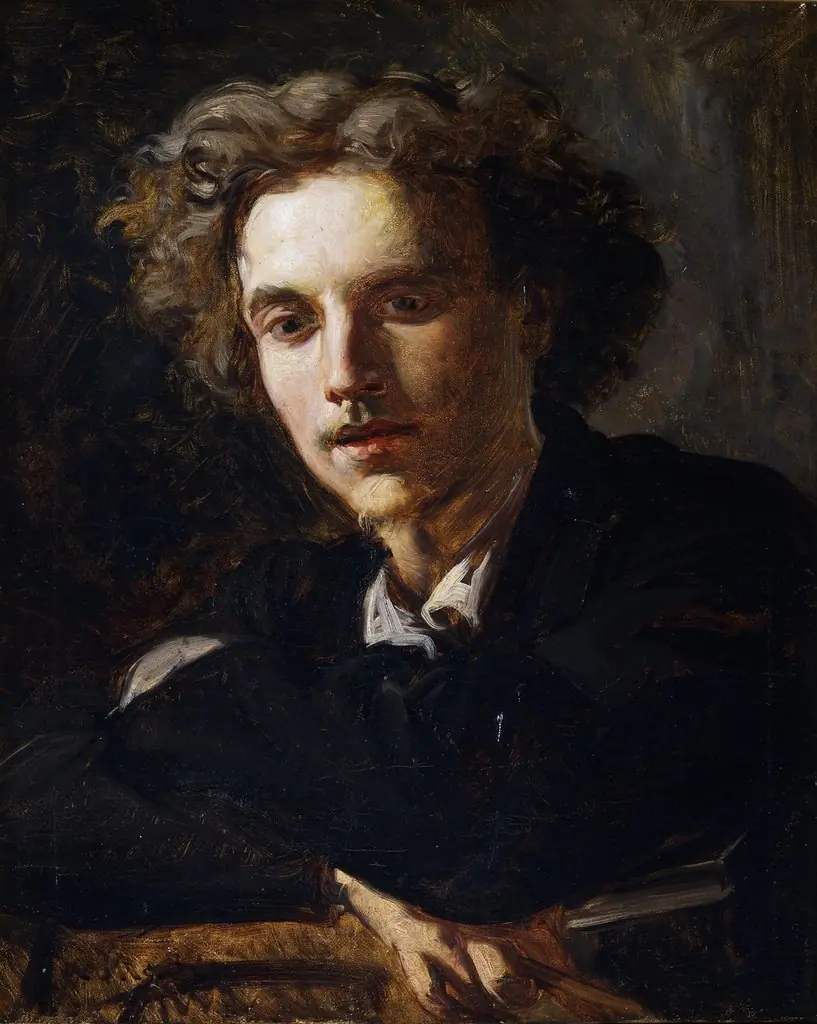
Self-Portrait is an oil painting by the Biedermeier artist Anselm Feuerbach. It dates from 1856 and is held in the collection of the Hermitage Museum.
About this work
Overview
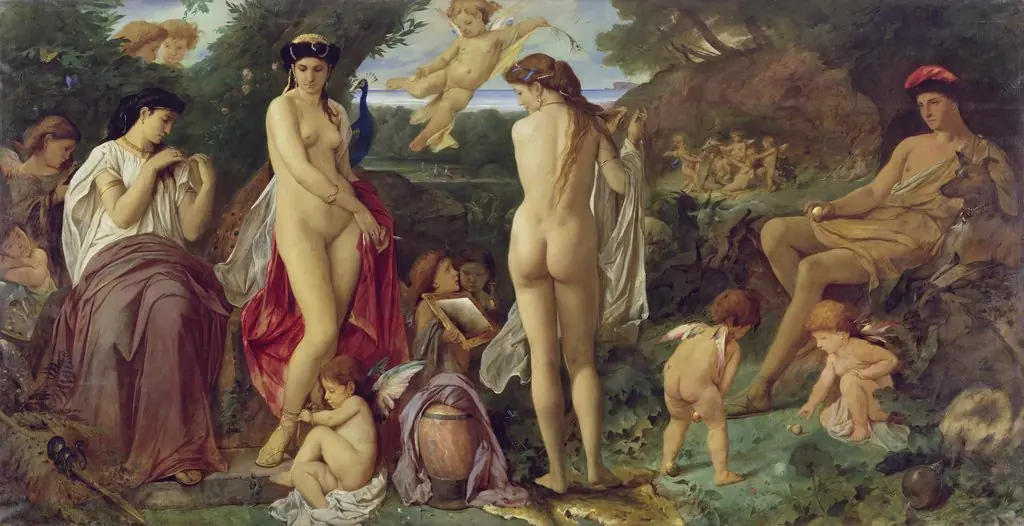
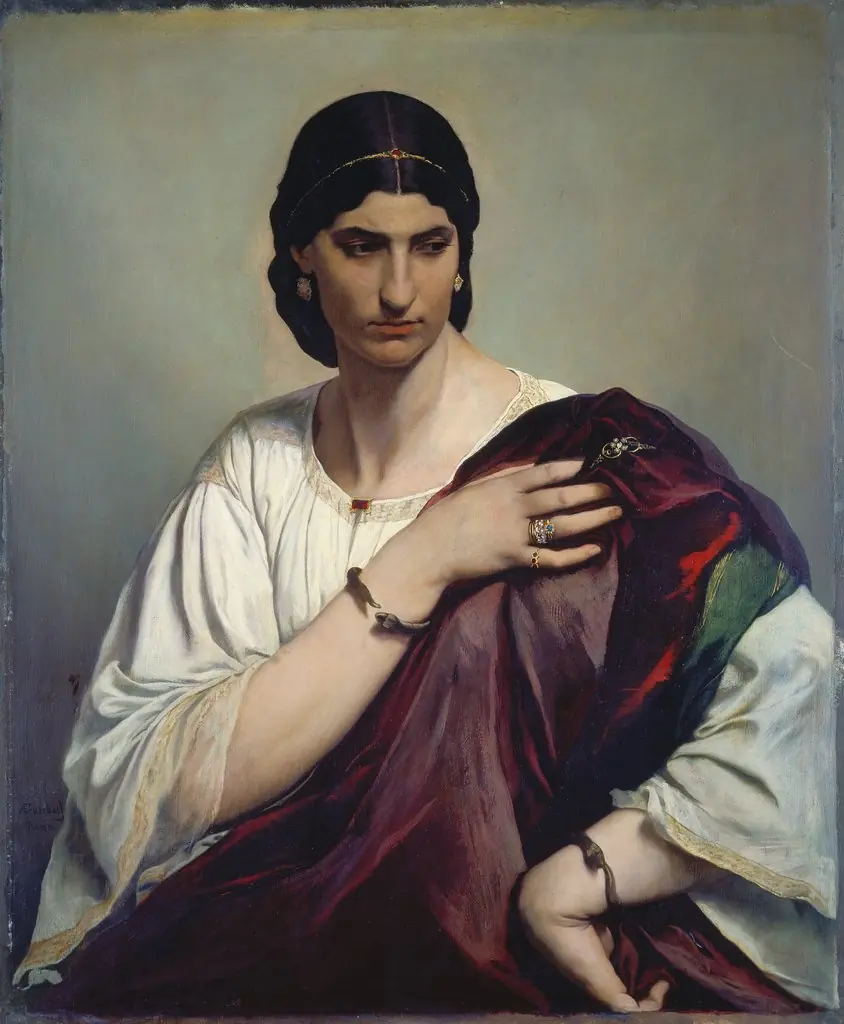
Self-Portrait (1856) is an oil painting by Anselm Feuerbach, a prominent figure in 19th-century German Neoclassicism. The work belongs to the Biedermeier movement and is part of the State Hermitage Museum's collection.
Subject & Meaning
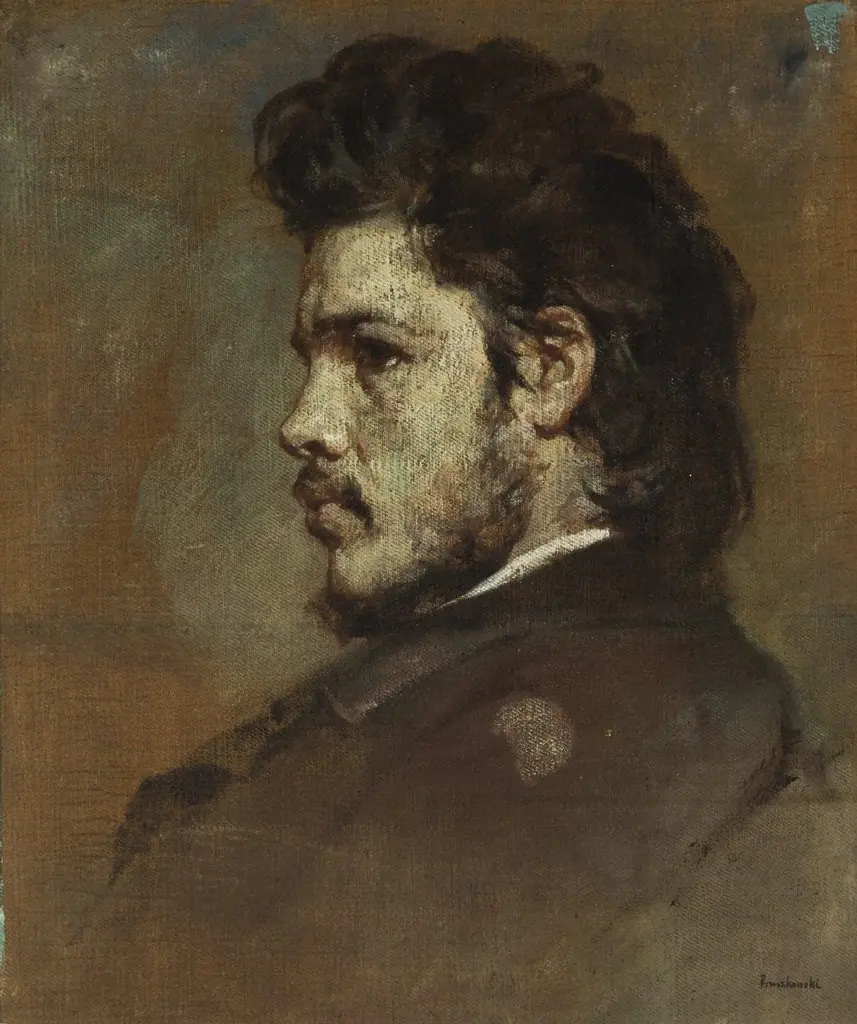
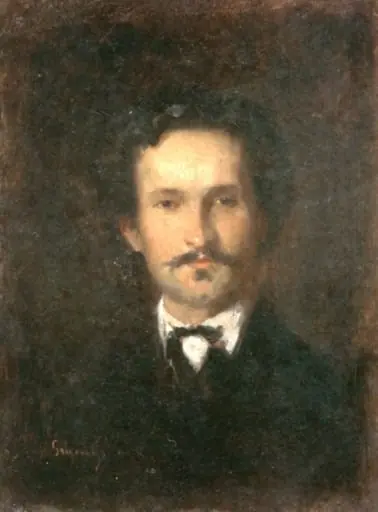
The painting is a self-representation of Feuerbach, capturing his likeness with a dark mustache and short dark hair, gazing slightly to the side. His attire consists of a dark green coat over a light-shirt with a high collar.
Technique & Style
Characterized by loose, almost sketchy brushstrokes, particularly evident in the coat and background, the painting contrasts with a relatively sharper, softly lit facial focus, employing subtle chiaroscuro effects.
History & Provenance
Created in 1856, the self-portrait has been preserved in the State Hermitage Museum's collection, though specific acquisition details are not provided.
Context
As a Biedermeier and Neoclassical piece, it reflects the era's emphasis on simplicity, intimacy, and classical influences, albeit with a more relaxed, personal approach to portraiture.
Legacy
While specific legacy details of this self-portrait are not highlighted, it contributes to Feuerbach's broader influence on 19th-century German art, particularly in portraiture and Neoclassical revival.
Artist & collection

Artist
Anselm Feuerbach (12 September 1829 – 4 January 1880) was a German painter. He was the leading neoclassical painter of the German 19th-century school.