Artwork
Phryne.
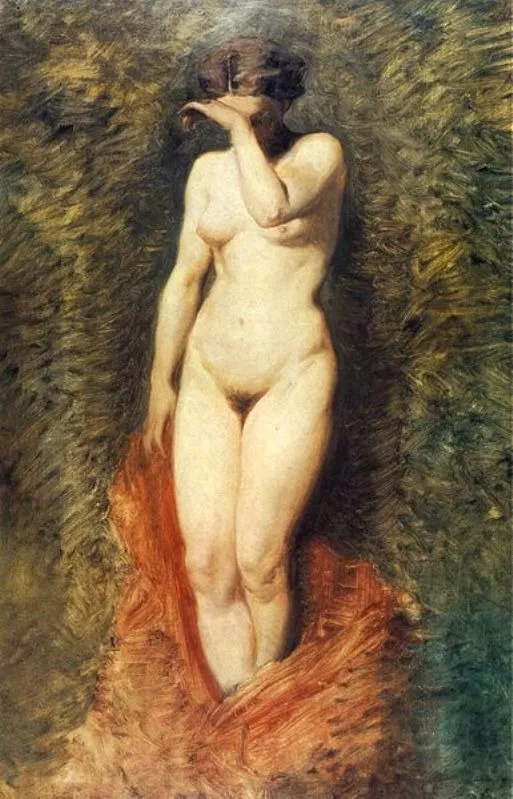
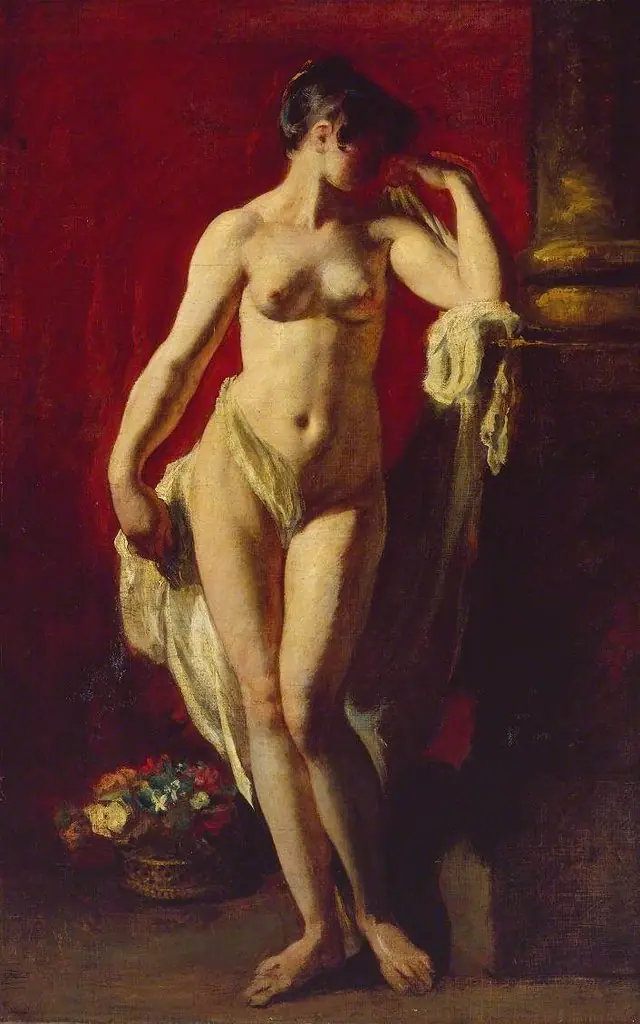
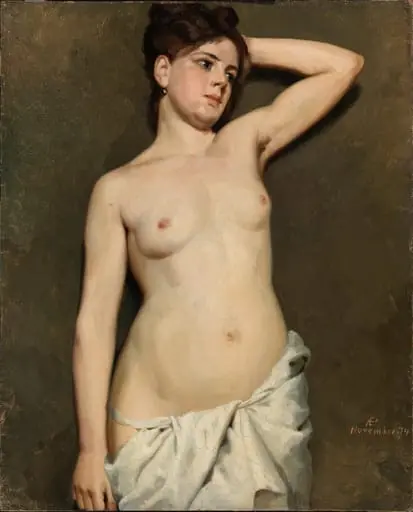
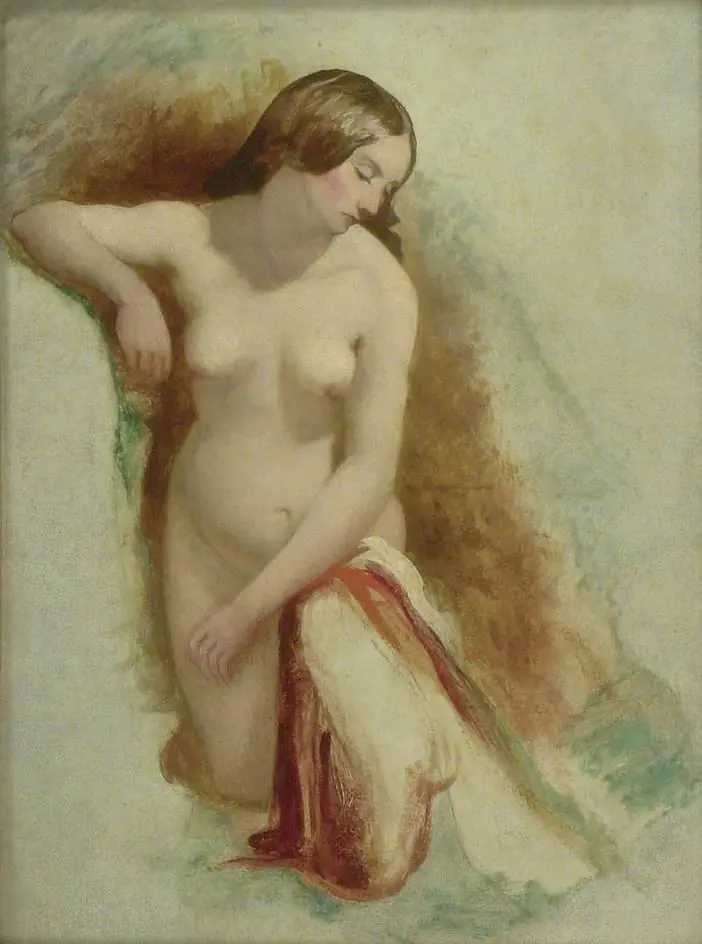
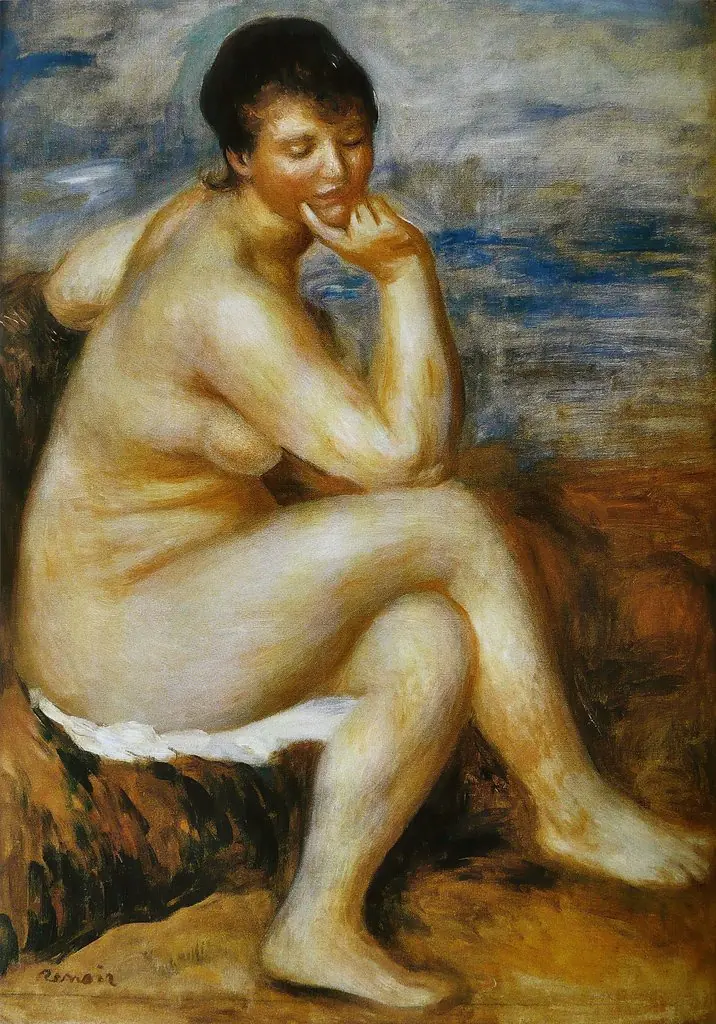
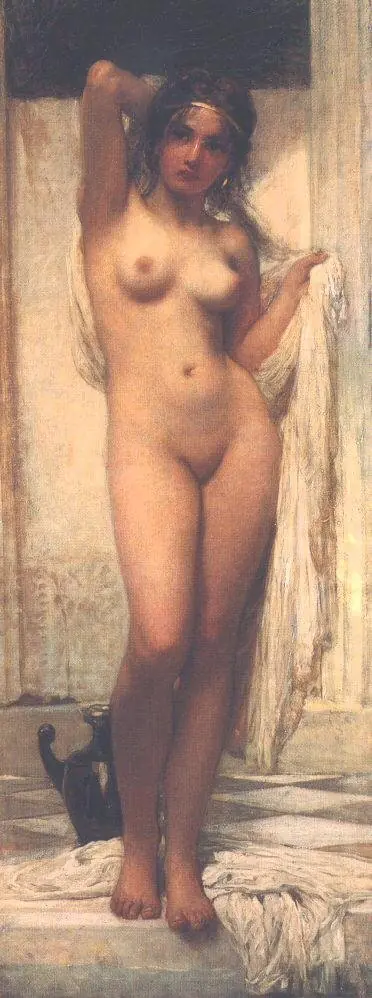
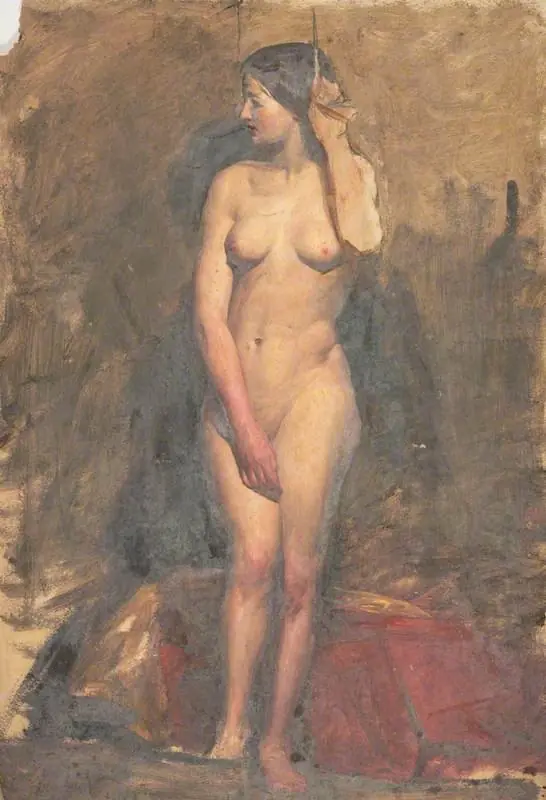
Phryne. is an oil painting by the Realist artist Artur Grottger. It dates from 1867 and is held in the collection of the National Museum in Kraków.
About this work
Overview
Its subdued palette and intimate scale distinguish it from grand historical narratives common in the period, instead focusing on quiet personal presence.
Painted in 1867 by Polish artist Artur Grottger, Phryne is an oil on canvas work currently held in the Czartoryski Museum in Kraków. The painting portrays a solitary female figure in a modest interior setting, rendered with careful attention to light and form. Its subdued palette and intimate scale distinguish it from grand historical narratives common in the period, instead focusing on quiet personal presence.
Subject & Meaning
The figure, identified as Phryne—an ancient Greek courtesan—stands nude, her posture withdrawn and contemplative. One hand partially obscures her face, suggesting introspection or vulnerability. The title evokes classical associations, yet the scene avoids mythological grandeur. Instead, it conveys psychological depth, emphasizing inner state over external narrative, aligning with emerging 19th-century interests in individual emotion.
Technique & Style
Grottger employs chiaroscuro to model the figure’s form, using soft transitions between light and shadow to create volume without harsh edges. Warm tones in the skin and drapery contrast with muted greens and browns in the background, enhancing the sense of enclosure. Brushwork is restrained yet deliberate, favoring texture over detail, contributing to the painting’s intimate, almost private atmosphere.
History & Provenance
Created during Grottger’s time in Kraków, the painting entered the Czartoryski collection shortly after its completion. It remained in private hands within the family until the museum’s formal acquisition. Unlike his more politically charged works, Phryne was not widely exhibited in his lifetime, and its reception was largely personal, reflecting the artist’s quieter, introspective phase.
Context
In mid-19th-century Poland, artistic expression often carried national or moral weight. Grottger’s focus on a solitary, non-narrative nude was unusual, diverging from both academic traditions and patriotic themes. The work aligns with broader European trends toward psychological realism and the exploration of the individual, even as it resists overt symbolism or idealization.
Legacy
Phryne endures as a quiet anomaly in Grottger’s oeuvre—a study in restraint and psychological nuance. It has influenced later Polish artists interested in intimate portraiture and the emotional potential of the nude form. Though not widely reproduced, its presence in the Czartoryski Museum ensures its role as a subtle landmark in the transition toward modern sensibilities in Polish painting.
Artist & collection
Artist
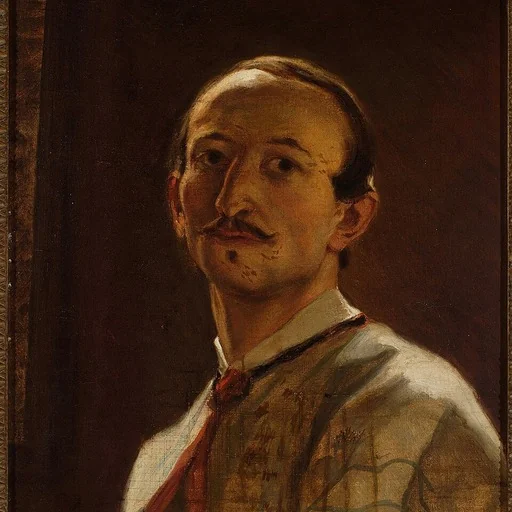
Artur Grottger (11 November 1837 – 13 December 1867) was a Polish Romantic painter and graphic artist, one of the most prominent artists of the mid 19th century under the partitions of Poland, despite a life cut short by incurable illness.

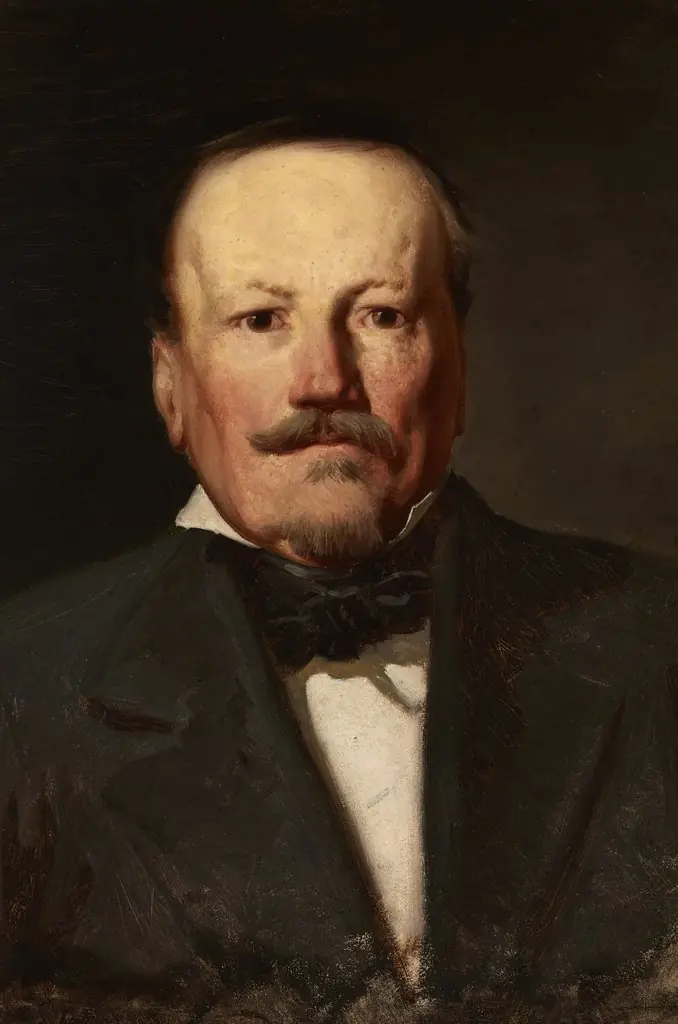 Portrait of a Man
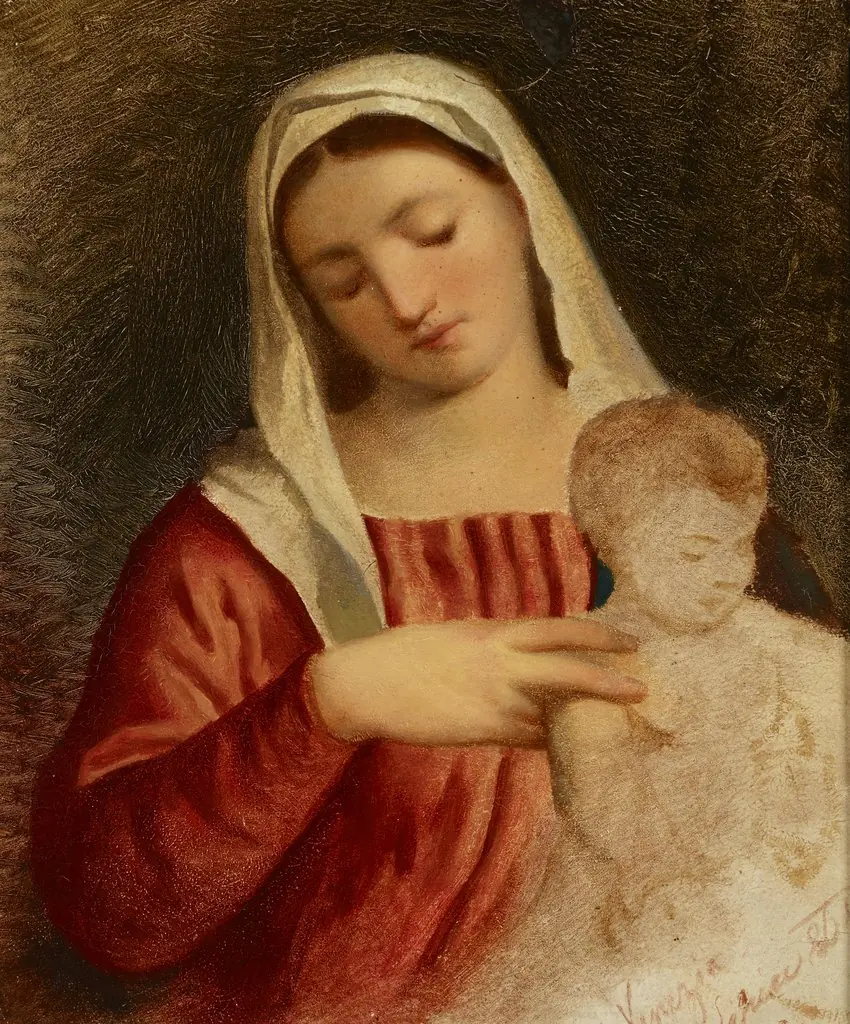 Madonna with Child – Copy of the fragment of the painting "Madonna with Child and Saints" by Bonifacio Veronese
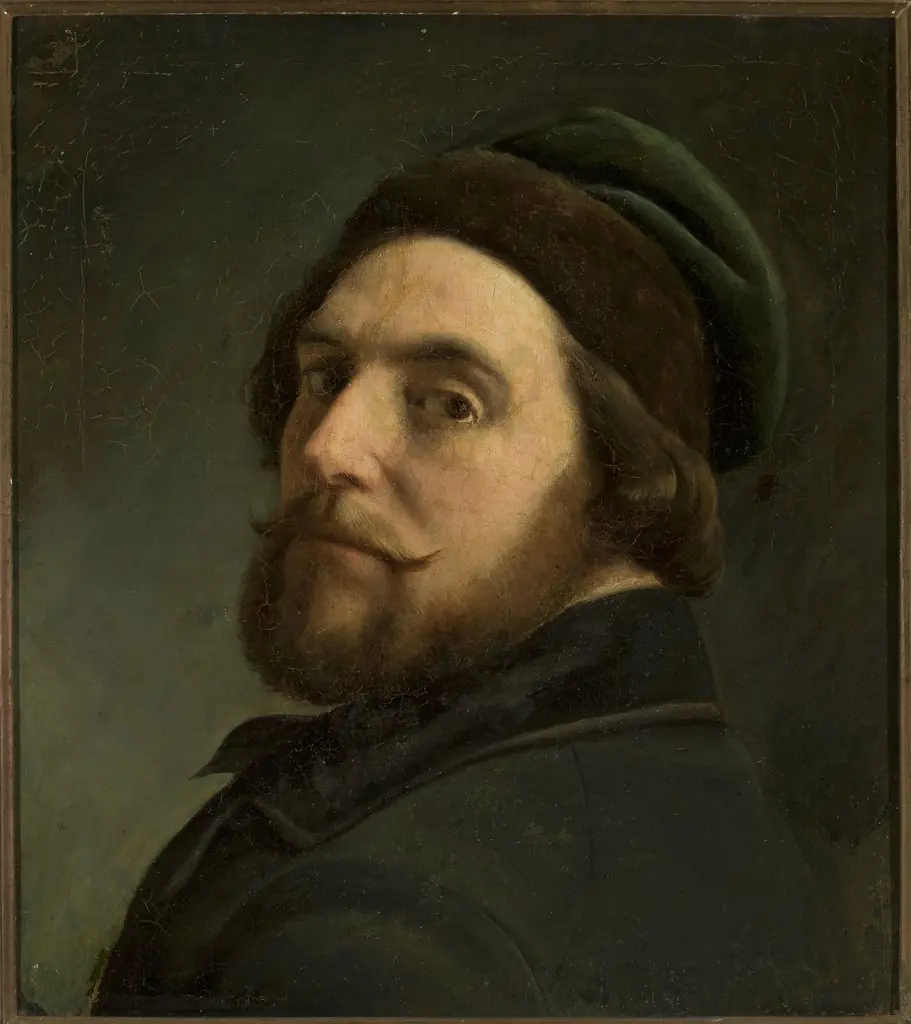 Male portrait
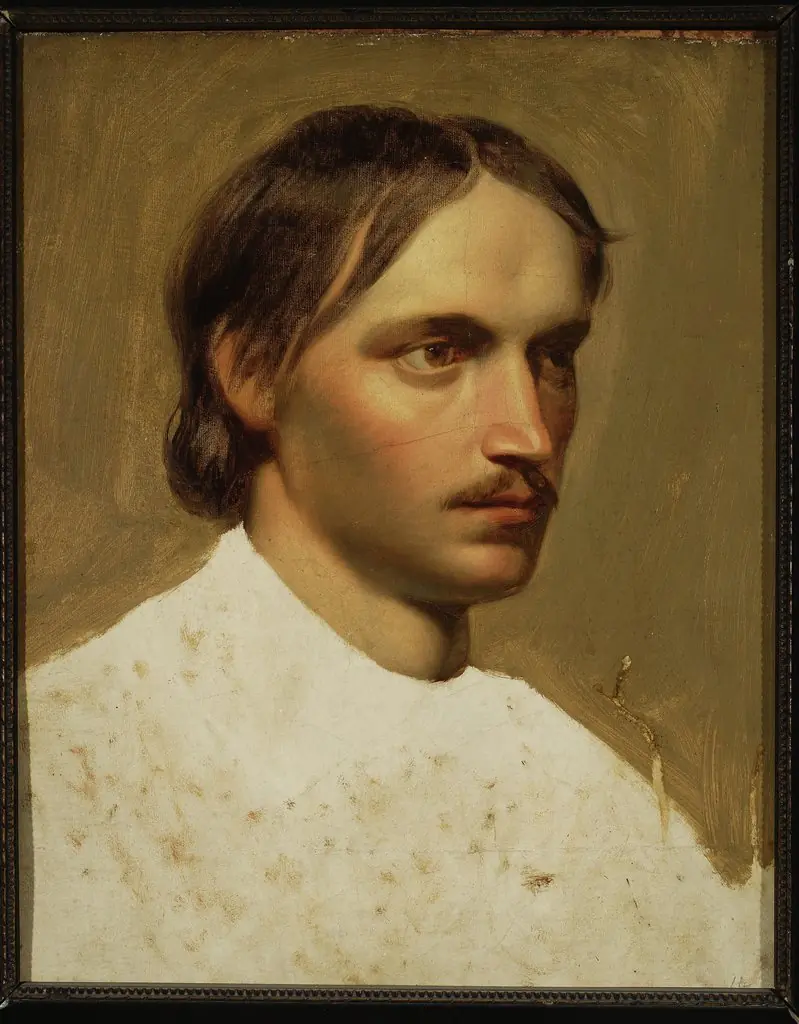 Portrait of Wincenty Chochlik Wasilewski (1849–1897)
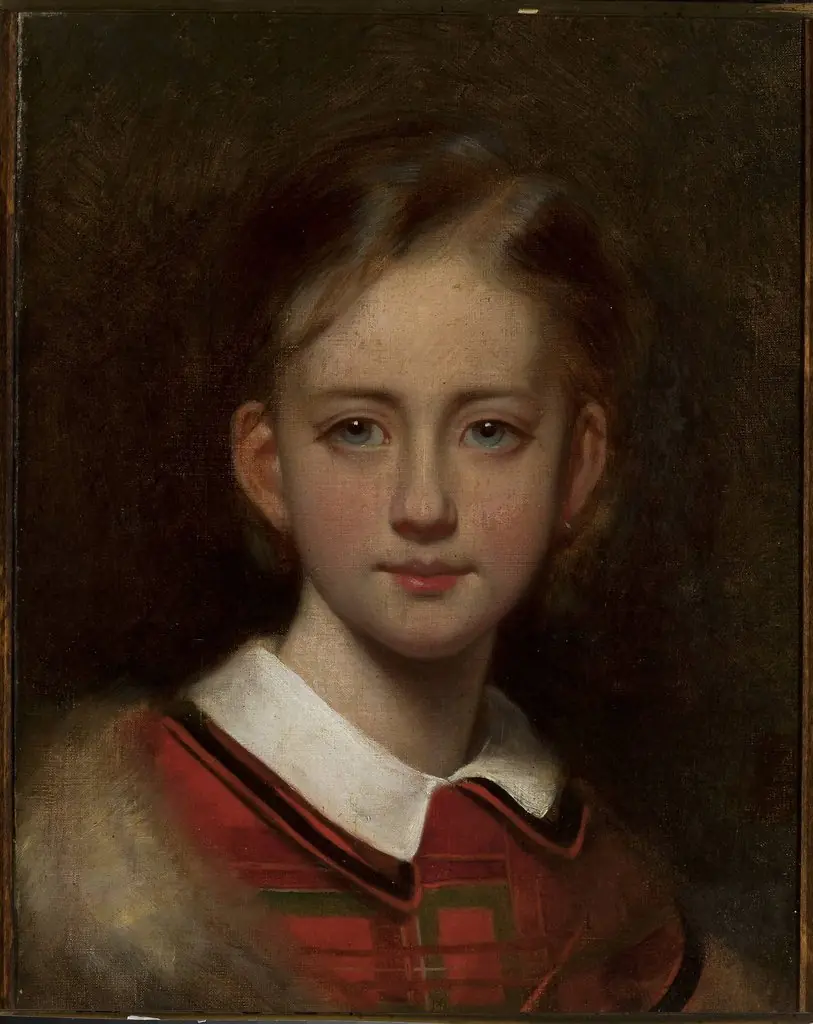 Portrait of a girl
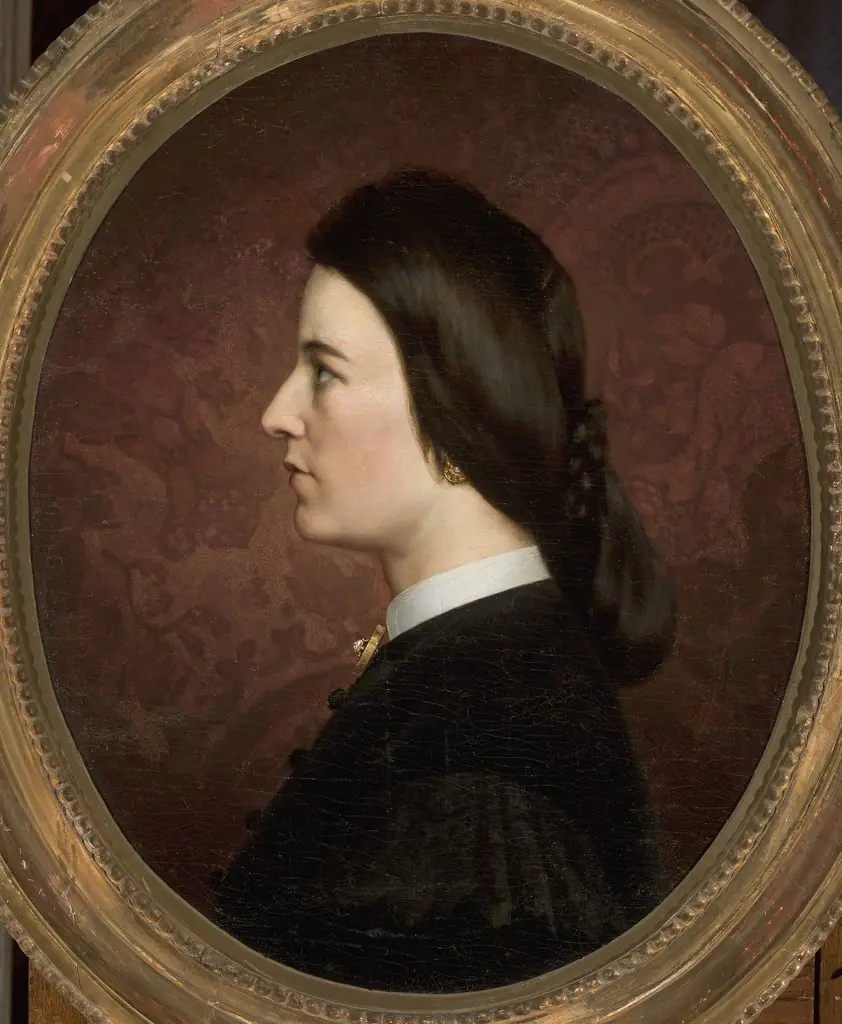 Portrait of Maria Sawiczewska, artist’s sister
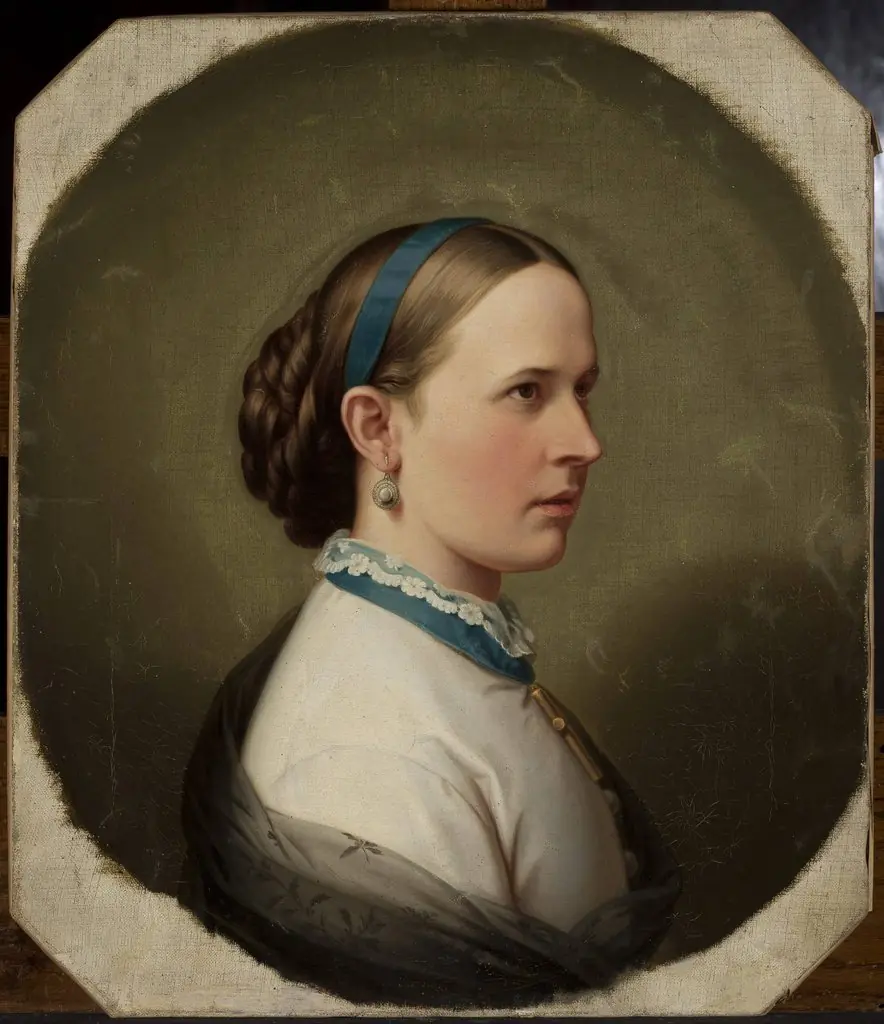 Portrait of a young woman
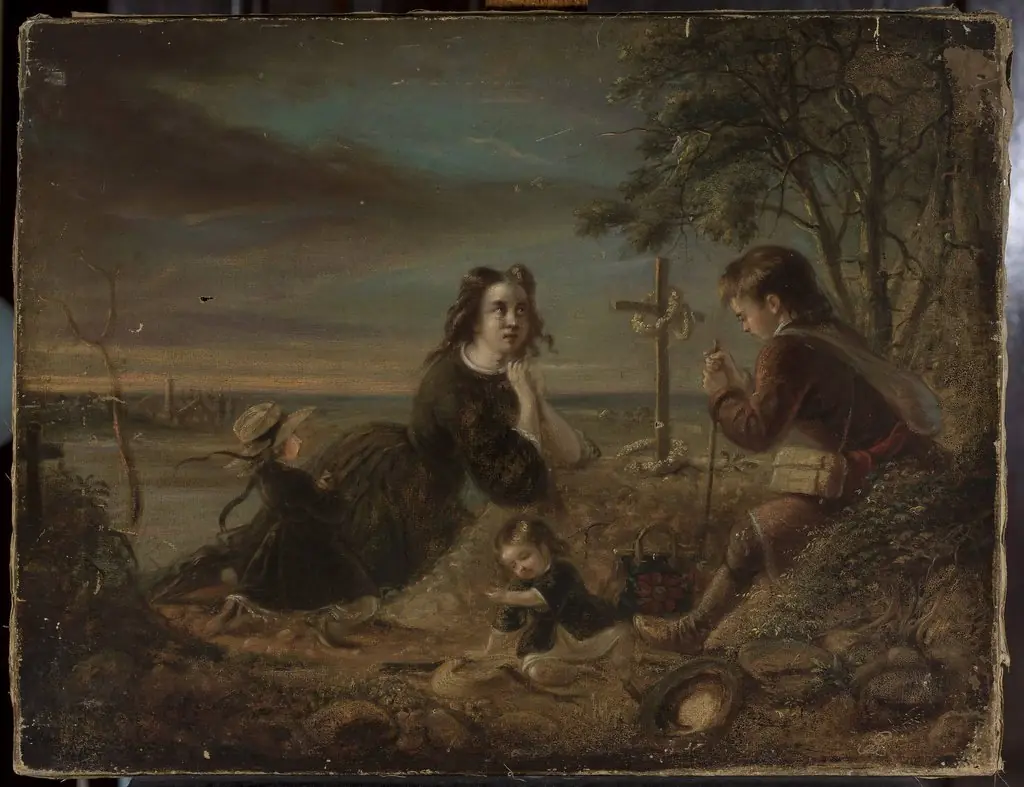 Prayer at the grave