Artwork
Untitled
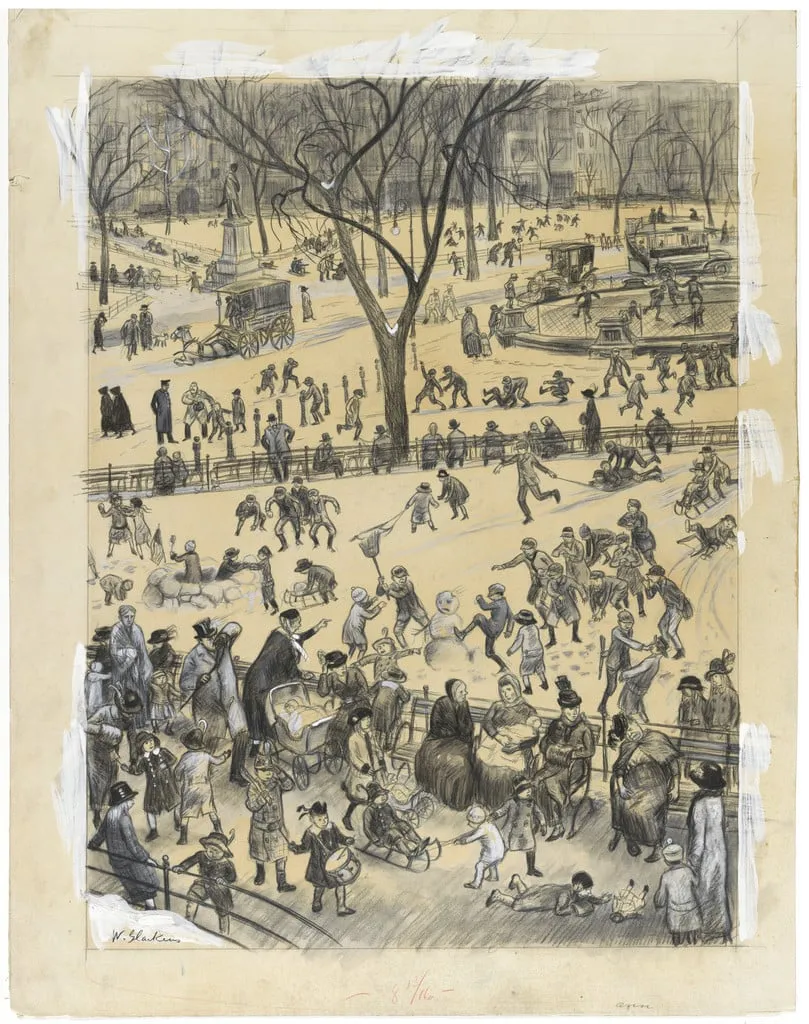
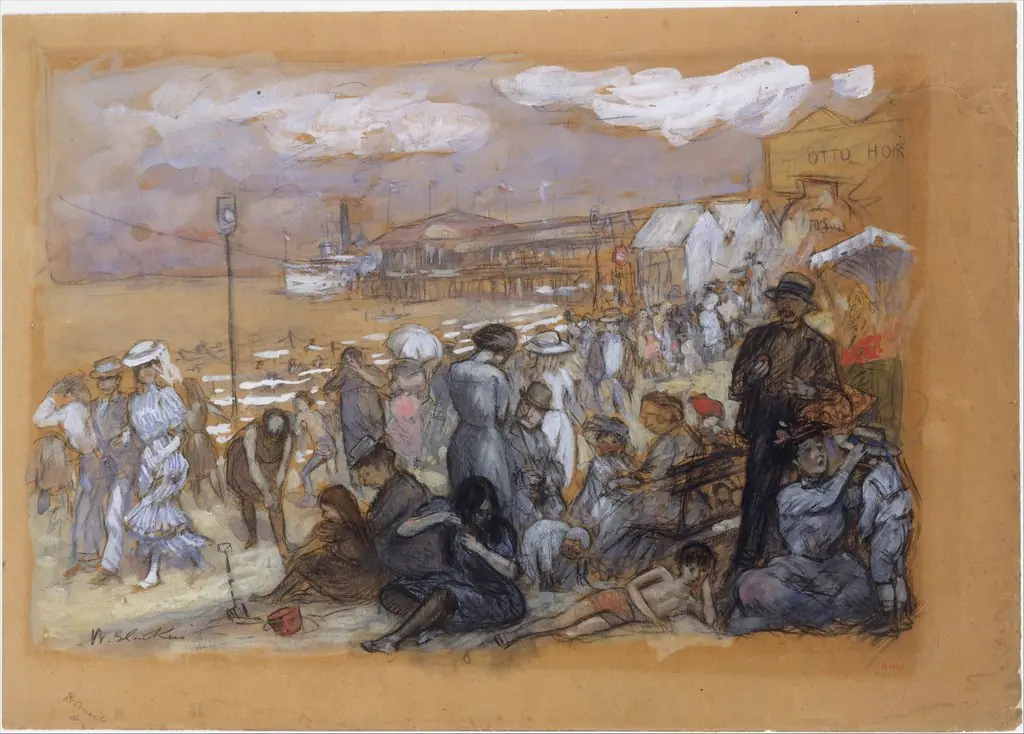
Untitled is a watercolor drawing by William James Glackens. It dates from 1913 and is held in the collection of the Museum of Modern Art. Created in 1913, this drawing by William Glackens combines charcoal, pencil, colored pencil, gouache, and watercolor on paper.
About this work
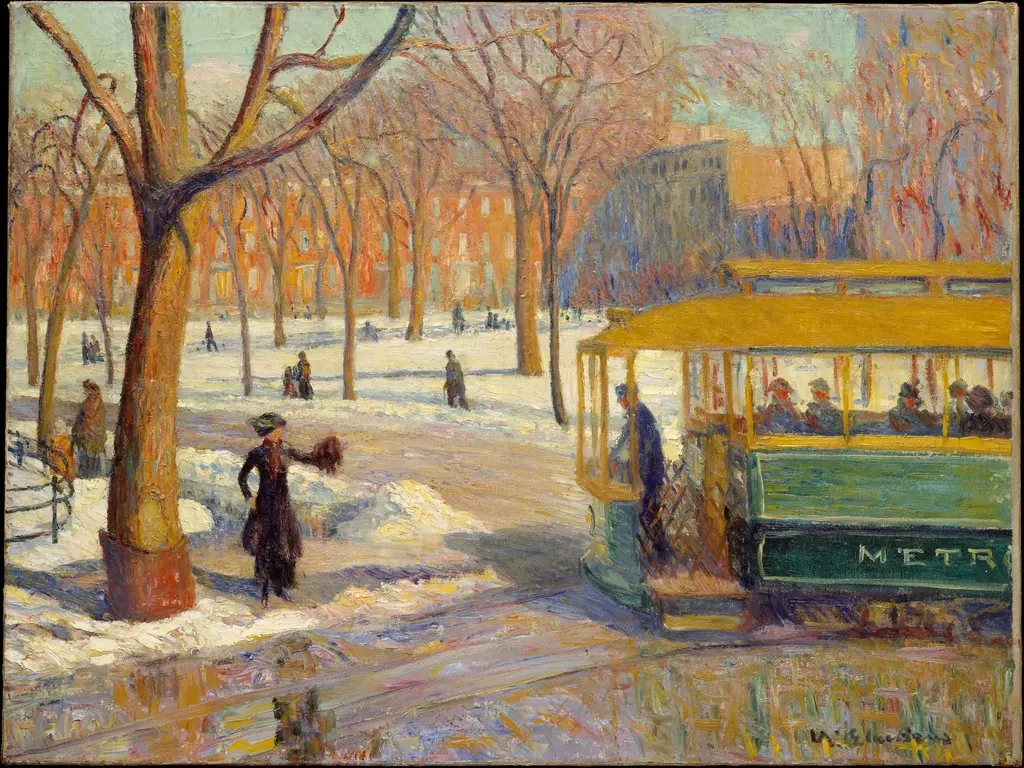
You see a busy street corner in New York, drawn in quick, colorful strokes—people walking, a trolley car, storefronts, and trees.
You see a busy street corner in New York, drawn in quick, colorful strokes—people walking, a trolley car, storefronts, and trees.
Glackens made this in 1913, the same year the Armory Show brought modern art to America. He wasn’t trying to shock anyone; he just wanted to show the city as it felt to him—lively, messy, real. The drawing mixes rough lines with soft watercolor washes, like he worked fast to keep up with the scene.
If you like how he blends movement and color, look up the technique of watercolor glazing.
Overview
Created in 1913, this drawing by William Glackens combines charcoal, pencil, colored pencil, gouache, and watercolor on paper. It exemplifies his commitment to capturing the immediacy of urban environments, using layered media to convey both structure and atmosphere. Unlike academic traditions, Glackens favored direct observation over idealized composition, aligning with the Ashcan School’s focus on everyday reality.
Subject & Meaning
The scene depicts a bustling New York street corner, with pedestrians, a trolley, storefronts, and trees rendered in loose, energetic strokes. There is no narrative climax or symbolic intent—only the quiet assertion of ordinary life as worthy of attention. Glackens sought not to dramatize but to record the rhythm of the city, reflecting a personal, unfiltered experience of modernity.
Technique & Style
Glackens applied watercolor washes over sketchy charcoal and pencil lines, allowing colors to bleed and layer naturally. Colored pencil adds subtle accents, while gouache provides opaque highlights. The rapid, gestural handling suggests working en plein air, capturing motion and light as they shifted. This method prioritized spontaneity over polish, echoing the tempo of city life.
History & Provenance
Made in 1913, the year of the Armory Show, the drawing emerged during a period of artistic upheaval in America. Though Glackens was not aligned with European modernists, his work existed alongside their radical shifts. This piece remained within his personal circle, never intended for public exhibition, and reflects his quiet resistance to institutional norms rather than a deliberate act of rebellion.
Context
At a time when American art was dominated by academic conventions, Glackens and his peers turned to the streets for subject matter. His focus on urban realism contrasted with the genteel scenes favored by the National Academy. The drawing’s immediacy mirrors the rapid changes in New York’s infrastructure and social fabric, offering a visual record of a city in transition.
Legacy
Though less celebrated than his later oil paintings, this drawing reveals the foundation of Glackens’ approach: directness, color sensitivity, and emotional honesty. It influenced younger realists who valued observational integrity over stylistic flourish. Its mixed-media technique remains a quiet example of how traditional drawing tools could be adapted to express modern experience without pretense.
Artist & collection
Artist
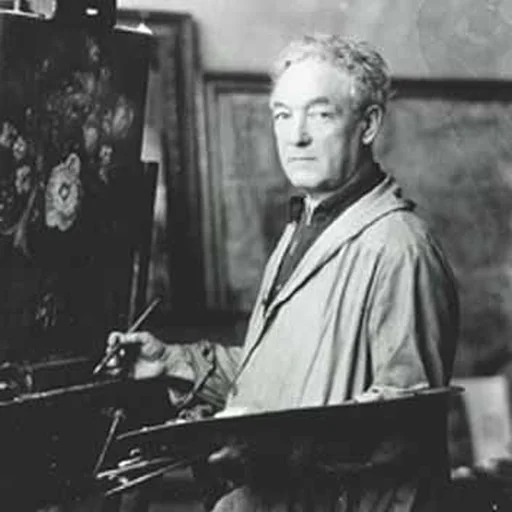
William James Glackens was an American realist painter and one of the founders of the Ashcan School, which rejected the formal boundaries of artistic beauty laid down by the conservative National Academy of Design.

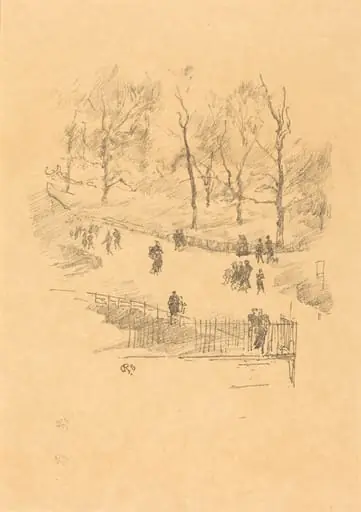 Kensington Gardens
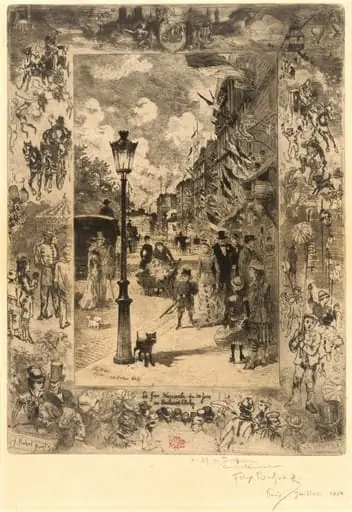 La Fête nationale au Boulevard Clichy (National Holiday on the Boulevard de Clichy)
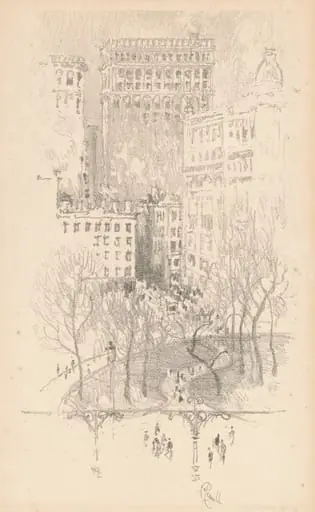 Union Square
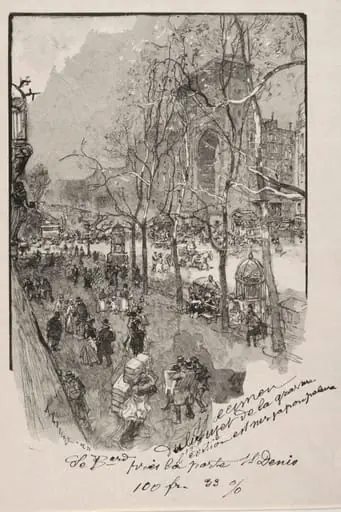 Les Boulevards, près de la Porte St. Denis
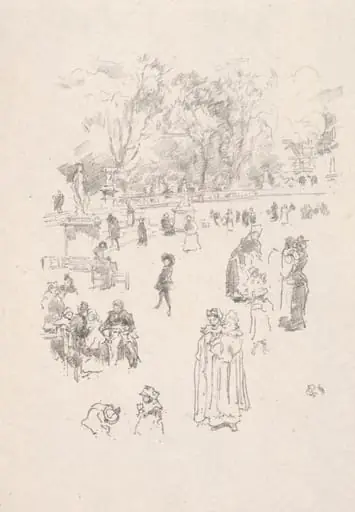 Nursemaids
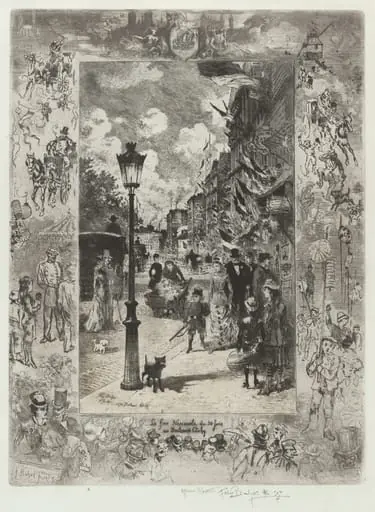 La Fete Nationale au Boulevard de Clichy (National Holiday on the Boulevard de Clichy)
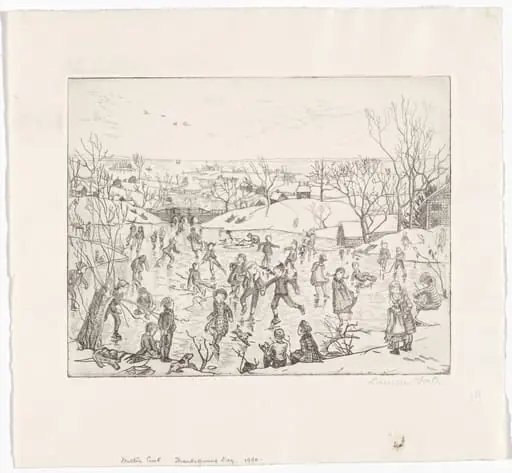 Untitled
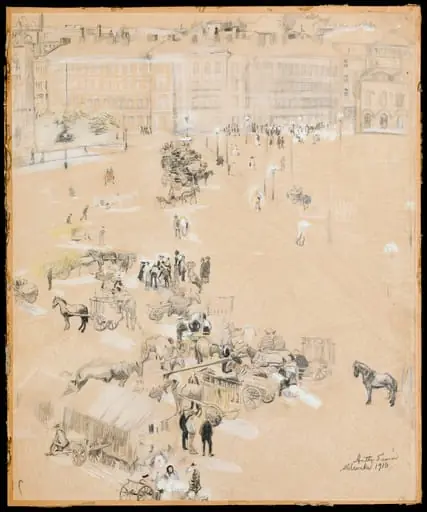 Torikauppaa Rautatientorilla
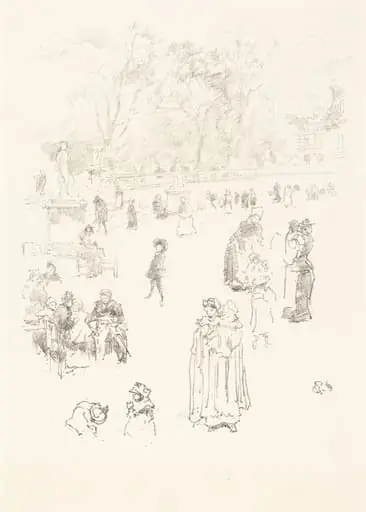 Nursemaids: "Les Bonnes du Luxembourg"
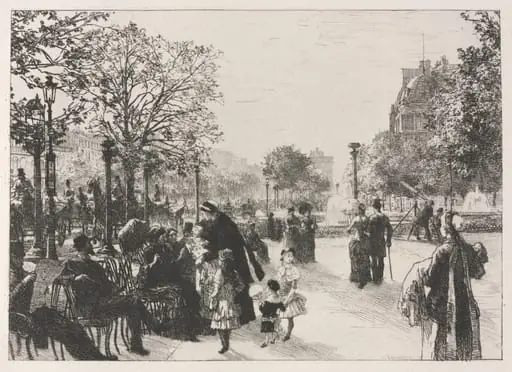 Tuileries Gardens
 Untitled
 Untitled