Artwork
Albrecht Dürer (1471–1528) (design for a mosaic in the Victoria and Albert Museum)
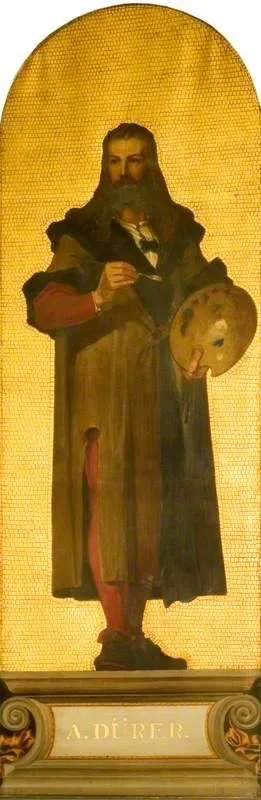
Albrecht Dürer (1471–1528) (design for a mosaic in the Victoria and Albert Museum) is an oil painting by William Henry Fisk. It dates from 1869 and is held in the collection of the Victoria and Albert Museum.
About this work
Overview
The painting resides in the Victoria and Albert Museum, where it functions as a commemorative portrait rather than a historical artifact from Dürer’s lifetime.
This oil painting, created in 1869 by William Henry Fisk, portrays the German Renaissance artist Albrecht Dürer. Though often mistaken for a work by Dürer himself, it is a 19th-century tribute. The subject is depicted standing before a textured yellow surface resembling mosaic tile, evoking the artistic legacy he influenced. The painting resides in the Victoria and Albert Museum, where it functions as a commemorative portrait rather than a historical artifact from Dürer’s lifetime.
Subject & Meaning
The figure represents Albrecht Dürer, identified by his long beard, flowing hair, and scholarly bearing. He holds a palette and brush, symbols of his profession as a painter and printmaker. The mosaic-like backdrop alludes to his reputation for intricate detail and his engagement with Italian artistic traditions. The portrait frames Dürer not merely as a historical figure but as an enduring emblem of artistic craftsmanship and intellectual rigor.
Technique & Style
Fisk employed a smooth, polished brushwork typical of mid-19th-century academic portraiture. The subject is rendered with careful attention to facial structure and fabric folds, while the background is treated with a stippled, granular texture to mimic mosaic. The yellow ground contrasts subtly with the dark clothing, drawing focus to the figure. The composition follows classical conventions, emphasizing dignity and stillness over narrative movement.
History & Provenance
Commissioned in 1869, the painting was acquired by the Victoria and Albert Museum as part of its broader effort to collect works honoring historical artists. It was not created as a portrait from life, since Dürer died centuries earlier. Fisk, known for historical and literary subjects, likely drew from engravings and written accounts of Dürer’s appearance. The work entered the museum’s collection shortly after completion and has remained there since.
Context
In the Victorian era, there was a renewed interest in Renaissance figures as models of artistic integrity and technical mastery. Fisk’s portrait reflects this cultural moment, aligning Dürer with ideals of the artist as a thoughtful, dignified creator. The mosaic background may reference the museum’s own decorative arts holdings, linking the subject to the institution’s mission of celebrating craftsmanship across centuries.
Legacy
The painting serves as a 19th-century interpretation of a 16th-century artist, illustrating how historical figures were reimagined in later periods. While not a primary source on Dürer, it offers insight into Victorian attitudes toward art history and the veneration of past masters. It remains a quiet presence in the museum, inviting viewers to consider how legacy is visually constructed over time.
Artist & collection

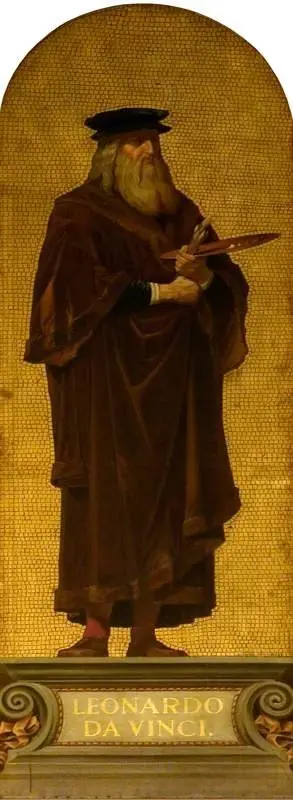 Leonardo da Vinci (1452–1519) (design for a mosaic in the Victoria and Albert Museum)
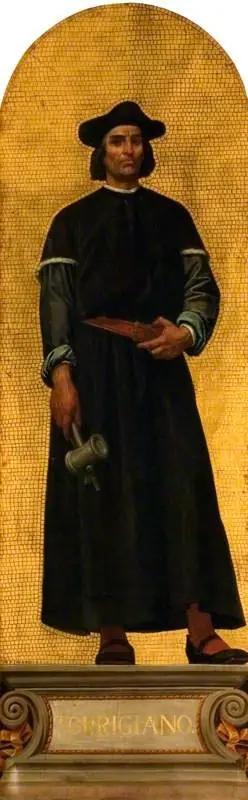 Pietro Torrigiano (1472–1522) (design for a mosaic in the Victoria and Albert Museum)
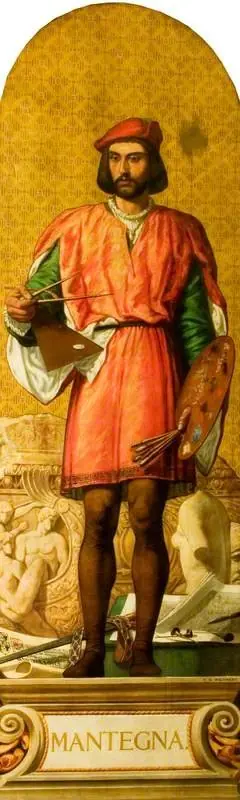 Mantegna (c.1431–1506) (design for a mosaic in the Victoria and Albert Museum)
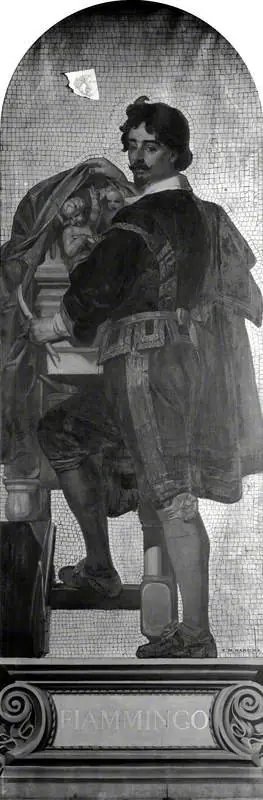 'Fiammingo' (François Duquesnoy) (1597–1643) (design for a mosaic in the Victoria and Albert Museum)
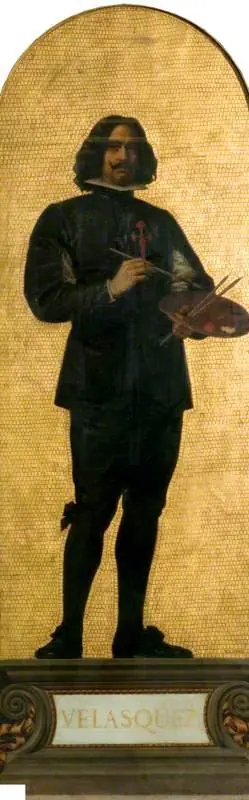 Diego Velázquez (1599–1660) (design for a mosaic in the Victoria and Albert Museum)
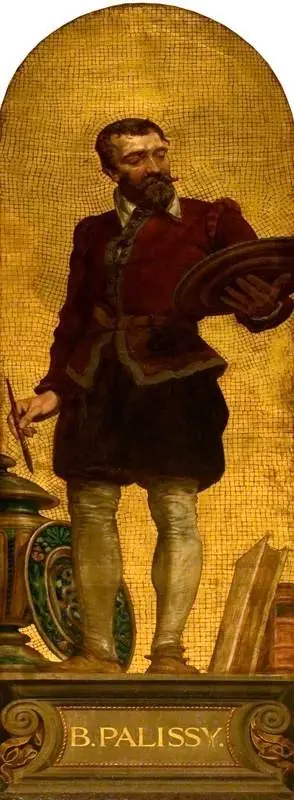 Bernard Palissy (1510–1589) (design for a mosaic in the Victoria and Albert Museum)
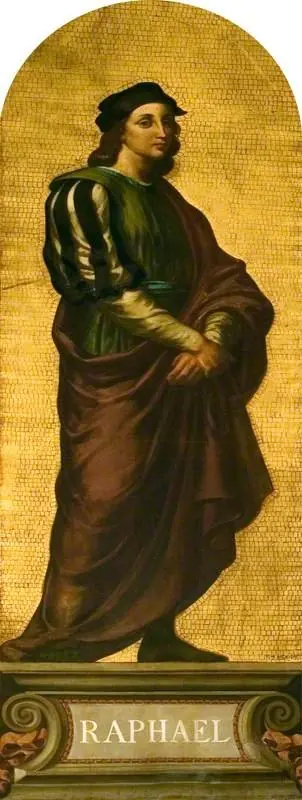 Raphael (1483–1520) (design for a mosaic in the Victoria and Albert Museum)
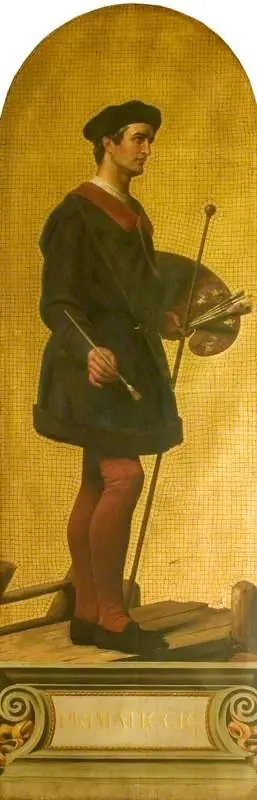 Francesco Primaticcio (1504–1570) (design for a mosaic in the Victoria and Albert Museum)
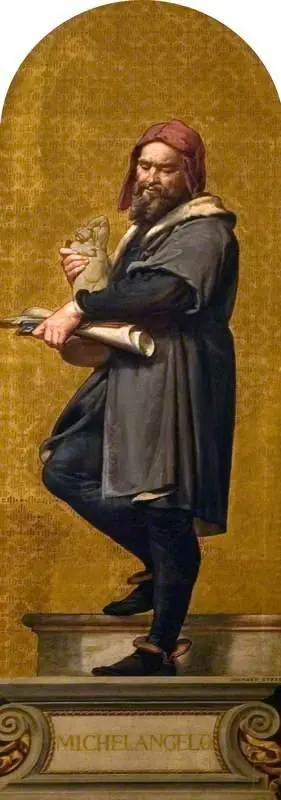 Michelangelo (1475–1564) (design for a mosaic in the Victoria and Albert Museum)
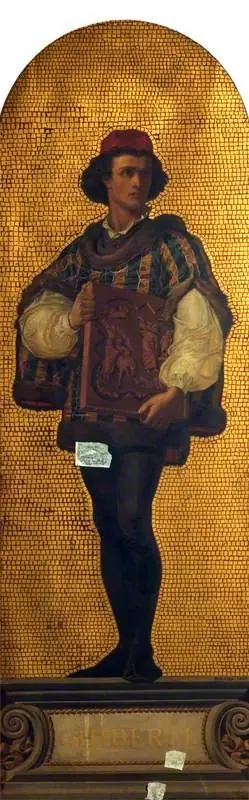 Ghiberti (1378–1455) (design for a mosaic in the Victoria and Albert Museum)
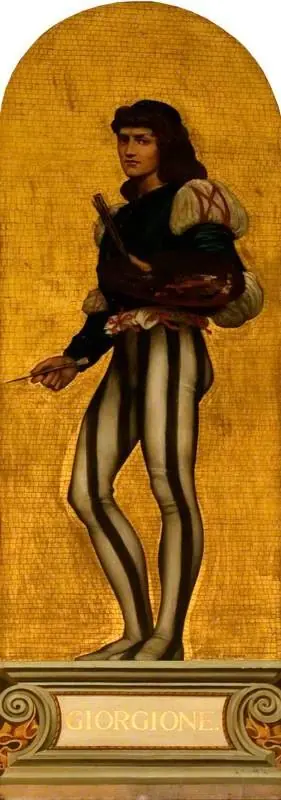 Giorgione (c.1477–1510) (design for a mosaic in the Victoria and Albert Museum)
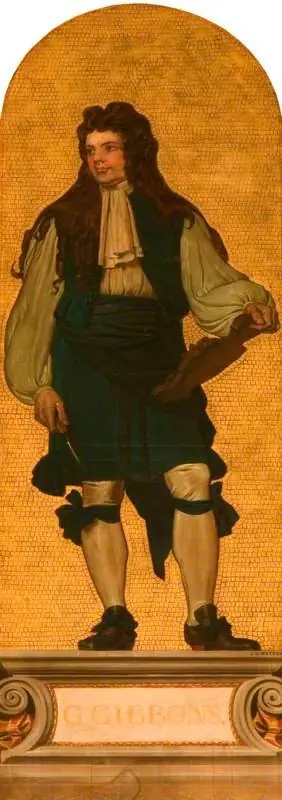 Grinling Gibbons (1648–1721) (design for a mosaic in the Victoria and Albert Museum)
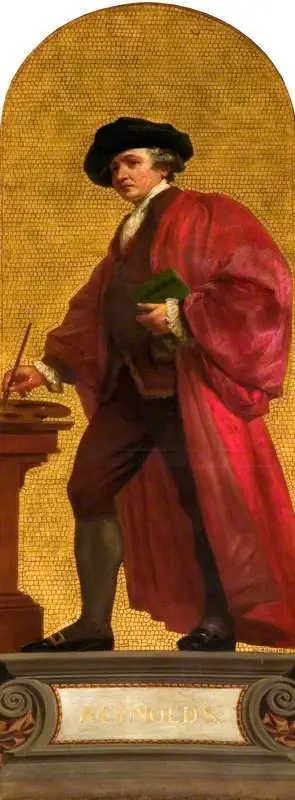 Sir Joshua Reynolds (1723–1792), PRA (design for a mosaic in the Victoria and Albert Museum)
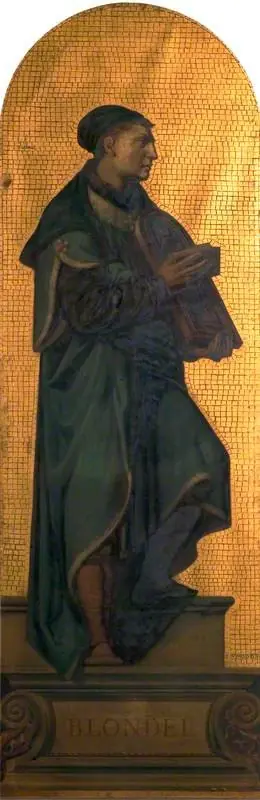 Lancelot Blondeel (1498–1561) (design for a mosaic in the Victoria and Albert Museum)
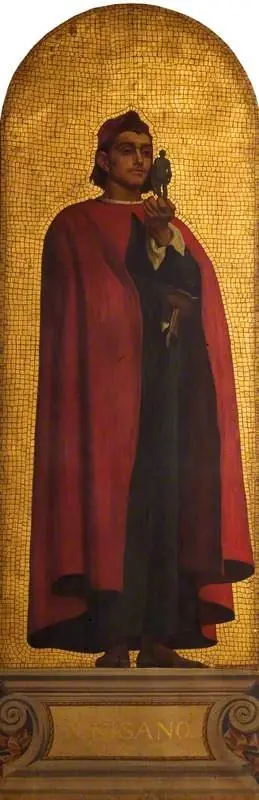 Nicola Pisano (c.1220/1225–c.1284) (design for a mosaic in the Victoria and Albert Museum)
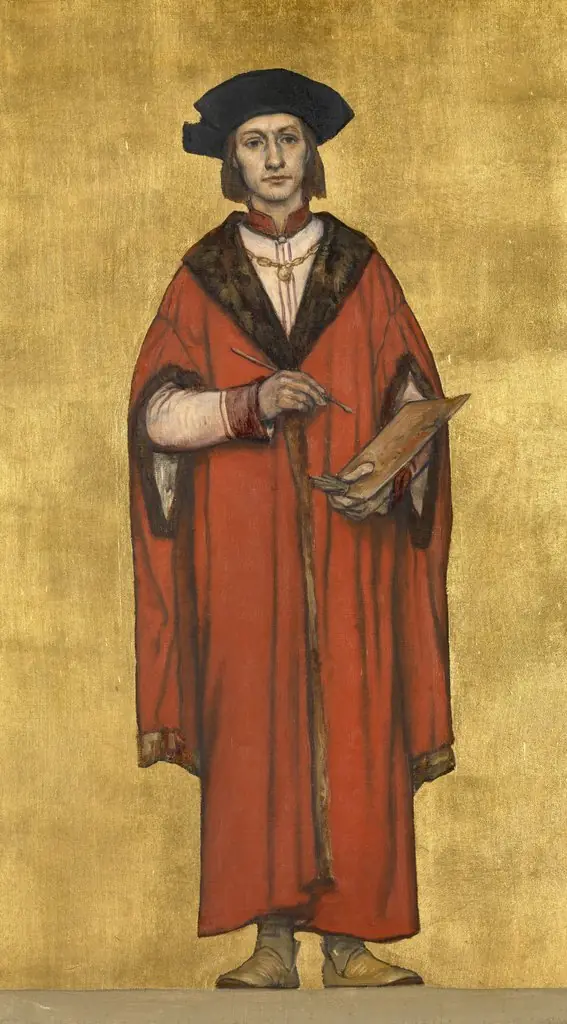 The Painter Jan van Eyck
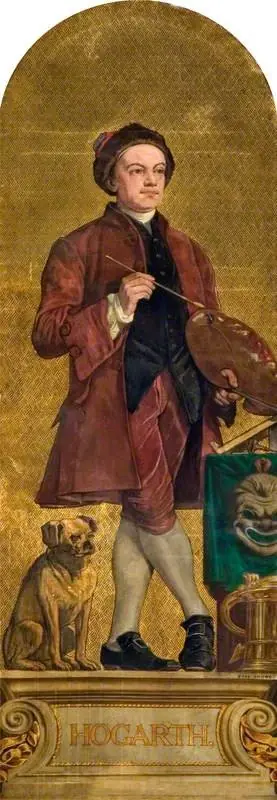 William Hogarth (1697–1764) (design for a mosaic in the Victoria and Albert Museum)
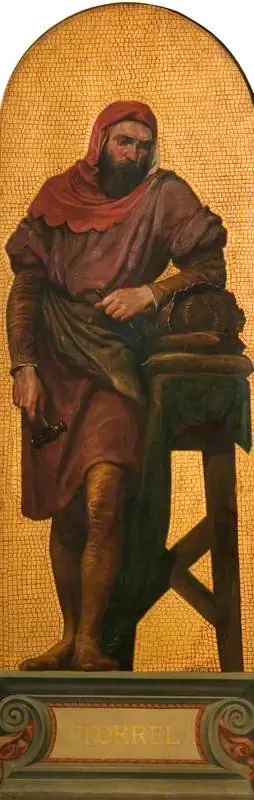 William Torrel (1291–1303) (design for a mosaic in the Victoria and Albert Museum)