Artwork
Nicola Pisano (c.1220/1225–c.1284) (design for a mosaic in the Victoria and Albert Museum)
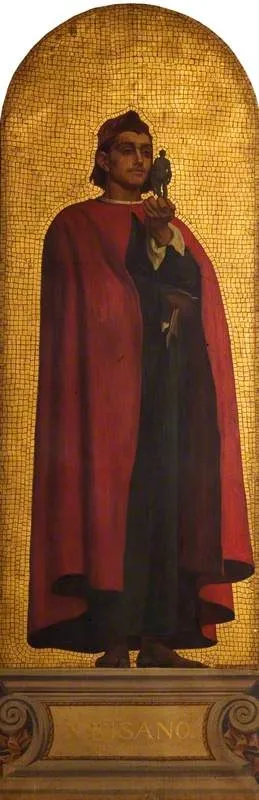
Nicola Pisano (c.1220/1225–c.1284) (design for a mosaic in the Victoria and Albert Museum) is an oil painting by James Gamble. It dates from 1869 and is held in the collection of the Victoria and Albert Museum.
About this work
Overview
James Gamble’s 1869 oil painting, titled “Nicola Pisano (c.1220/1225–c.1284) (design for a mosaic in the Victoria and Albert Museum),” is part of the collection at the Victoria and Albert Museum. The work presents a solitary figure positioned before a mosaic wall, rendered in a restrained palette that emphasizes the contemplative mood of the scene.
Subject & Meaning
The central figure is a man in a black robe topped with a vivid red cape. He holds a small object—perhaps a sculptural fragment or a tool—in his right hand, his expression serious and his gaze directed outward, suggesting a moment of thoughtful engagement with the artistic design behind him.
Technique & Style
Gamble employs chiaroscuro to model the figure, using contrasts of light and shadow to give volume to the drapery and the mosaic surface. The background mosaic is composed of tiny square tiles in muted yellows and browns, their subtle tonal shifts reinforcing the painting’s quiet, reflective atmosphere.
History & Provenance
Created in 1869, the painting entered the Victoria and Albert Museum’s holdings, where it remains on display. Its title references the medieval sculptor Nicola Pisano, linking Gamble’s 19th‑century interpretation to the historical figure’s design for a mosaic now housed in the museum.
Context
Gamble’s work reflects the Victorian interest in historic art and architecture, particularly the revival of medieval motifs. By depicting a modern observer before a reconstruction of Pisano’s design, the painting bridges contemporary artistic practice with the legacy of early Italian sculpture and decorative arts.
Artist & collection
Artist
James Gamble spent his career painting over and over the same quiet London street—Ebury Street—where he lived and worked.

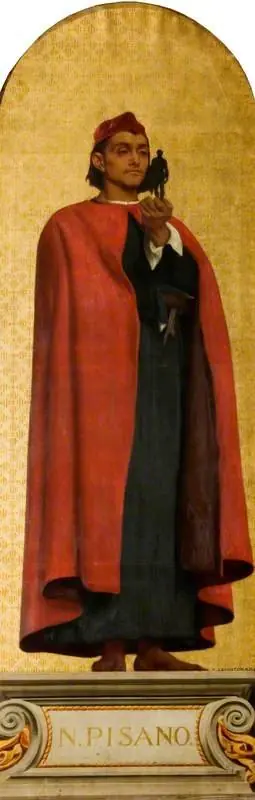 Nicola Pisano (c.1220/1225–c.1284) (design for a mosaic in the Victoria and Albert Museum)
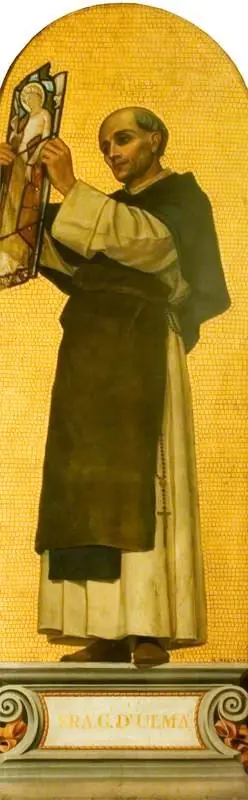 Fra Giacomo da Ulma (design for a mosaic in the Victoria and Albert Museum)
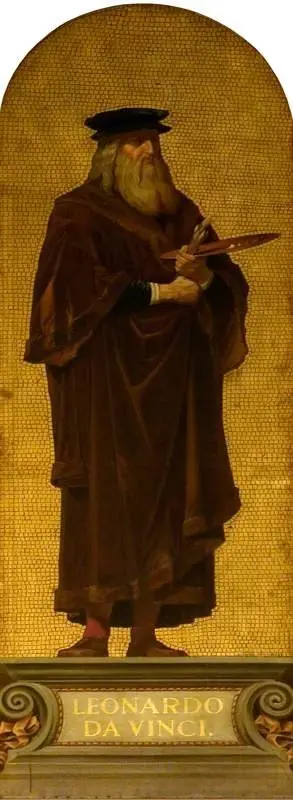 Leonardo da Vinci (1452–1519) (design for a mosaic in the Victoria and Albert Museum)
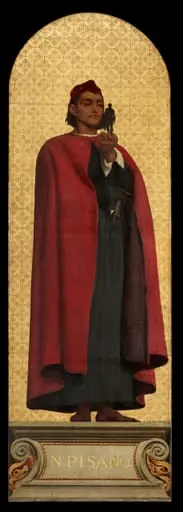 Nicola Pisano: design for a mosaic in the Museum (the 'Kensington Valhalla')
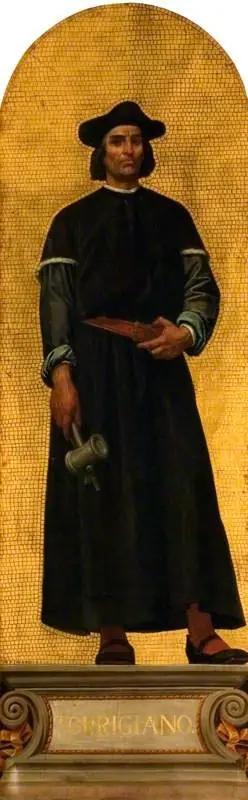 Pietro Torrigiano (1472–1522) (design for a mosaic in the Victoria and Albert Museum)
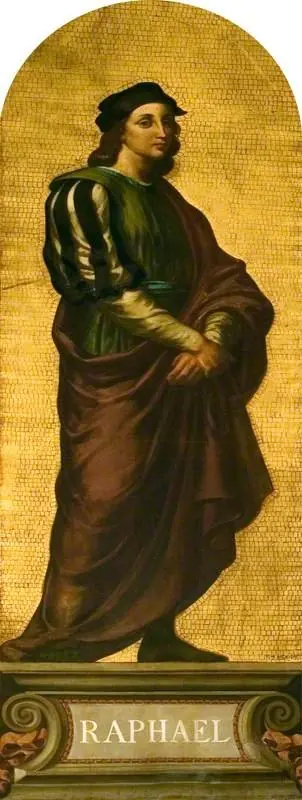 Raphael (1483–1520) (design for a mosaic in the Victoria and Albert Museum)
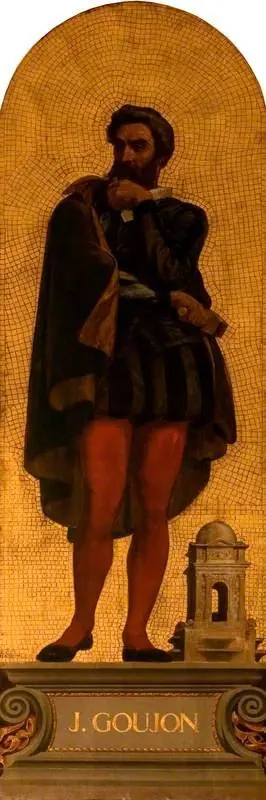 Jean Goujon (c.1510–1565) (design for a mosaic in the Victoria and Albert Museum)
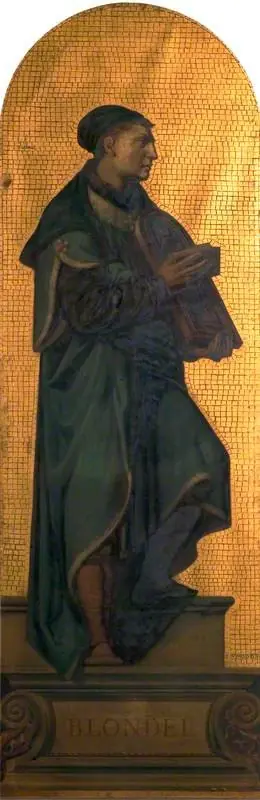 Lancelot Blondeel (1498–1561) (design for a mosaic in the Victoria and Albert Museum)
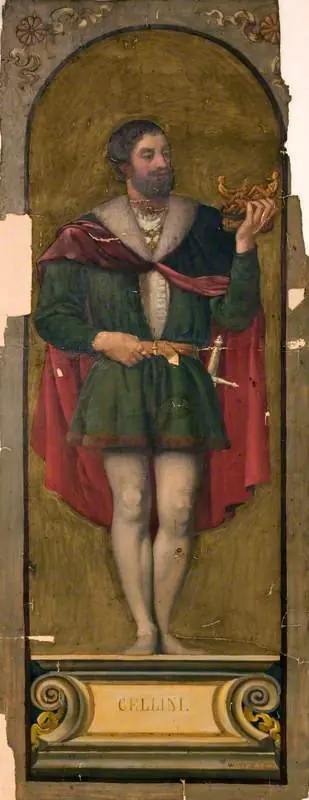 Benvenuto Cellini (1500–1571) (design for a mosaic in the Victoria and Albert Museum)
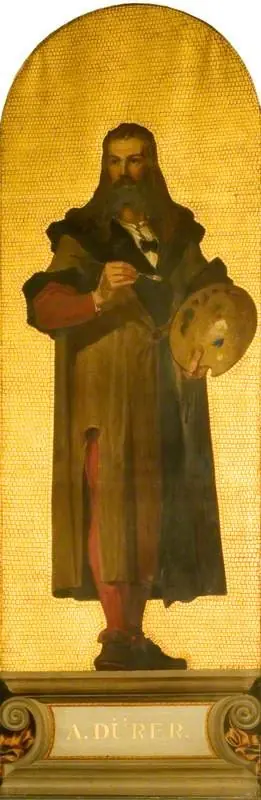 Albrecht Dürer (1471–1528) (design for a mosaic in the Victoria and Albert Museum)
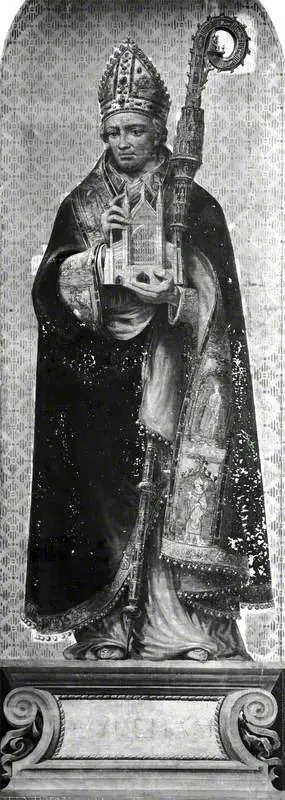 William of Wykeham (1320–1404) (design for a mosaic in the Victoria and Albert Museum)
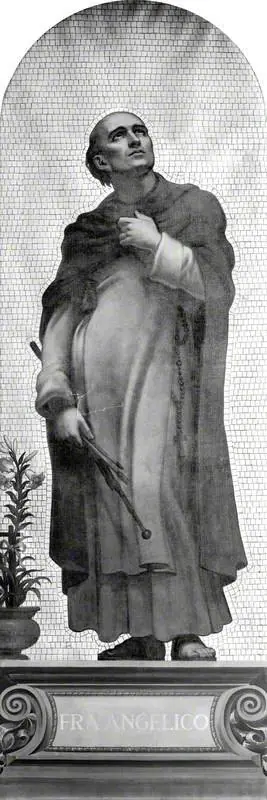 Fra Angelico (c.1395–1455) (design for a mosaic in the Victoria and Albert Museum)
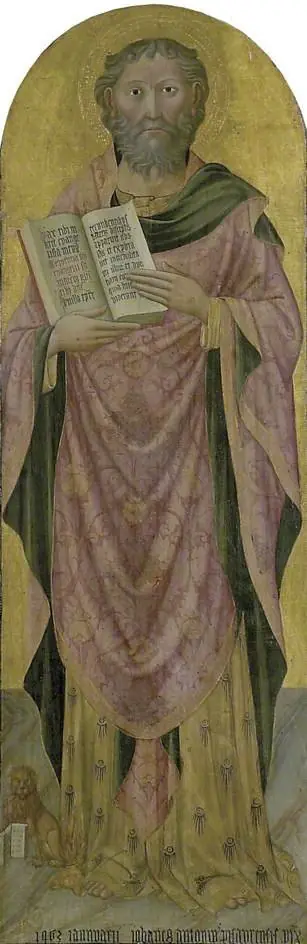 St Mark
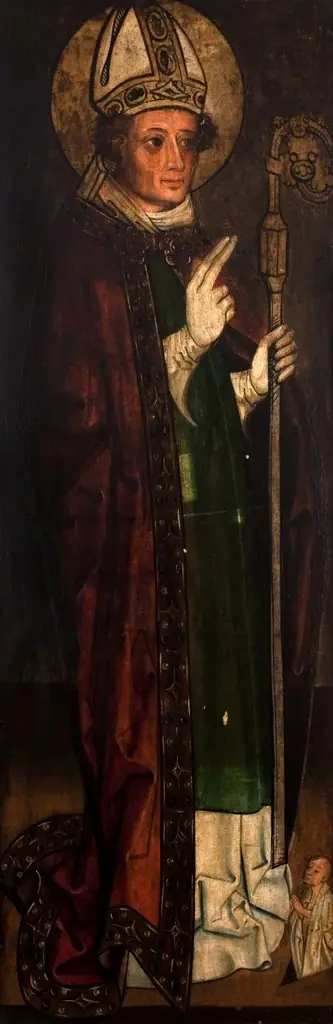 St Stanislaus (obverse); Archangel Gabriel from the Scene of the Annunciation (reverse). Wing of the altar retable from Snoza
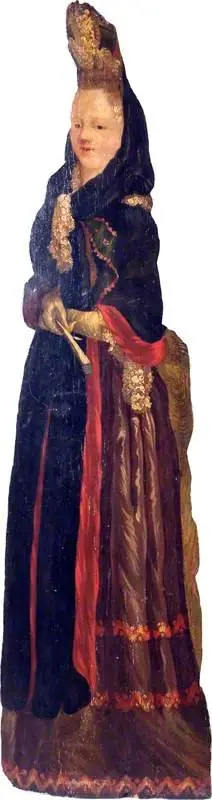 Woman with a Tall Head-Dress (dummy board)
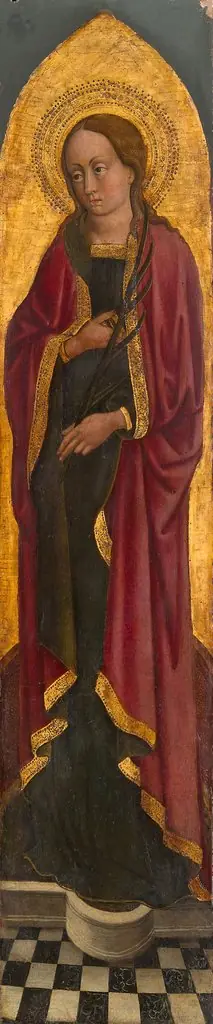 Saint Giustina of Padua from an Augustinian altarpiece
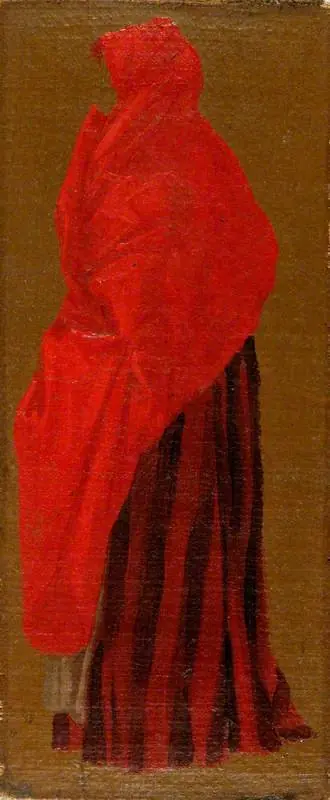 A Lady Seen from Behind
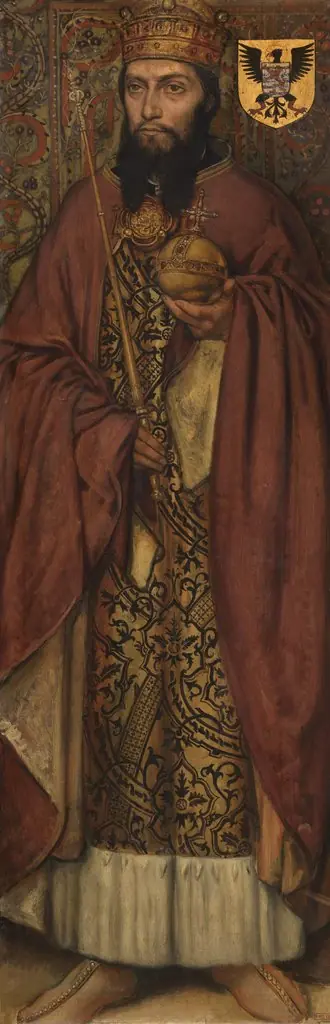 Henry I, Duke of Brabant, 1220
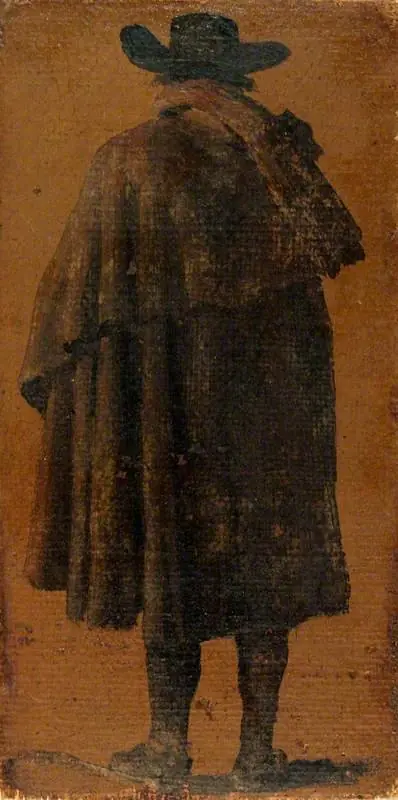 A Man Seen from Behind
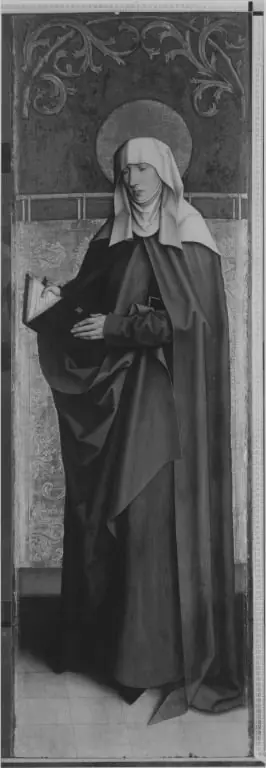 Flügel eines Altares: Hl. Brigitta (abgesägte Rückseite von WAF 1205)