Artwork
Raphael (1483–1520) (design for a mosaic in the Victoria and Albert Museum)
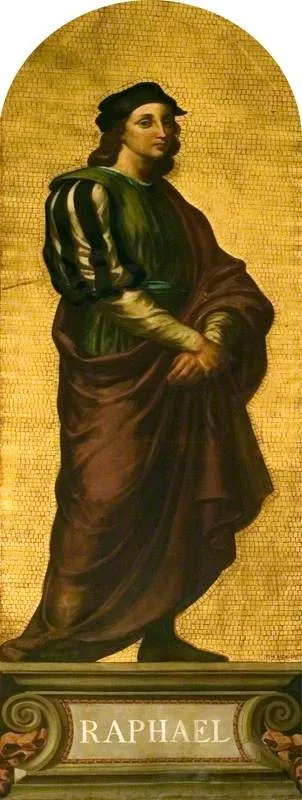
Raphael (1483–1520) (design for a mosaic in the Victoria and Albert Museum) is an oil painting by Francis Wollaston Moody. It dates from 1865 and is held in the collection of the Victoria and Albert Museum.
About this work
Overview
This oil painting, created around 1865 by Francis Wollaston Moody, portrays the Renaissance artist Raphael.
This oil painting, created around 1865 by Francis Wollaston Moody, portrays the Renaissance artist Raphael. Though often associated with his own works, here Raphael is the subject of a later 19th-century portrait. The piece was produced as a reference for a mosaic design and is now part of the Victoria and Albert Museum’s collection, reflecting Victorian-era interest in historical artistic figures.
Subject & Meaning
The portrait depicts Raphael as a composed, contemplative figure, dressed in a dark robe over a lighter shirt and a broad-brimmed hat. His gaze, directed to the right, suggests introspection rather than direct engagement. The calm expression and still posture convey an idealized image of the artist as a thoughtful intellectual, aligning with 19th-century reverence for Renaissance humanism.
Technique & Style
Moody employed traditional oil painting techniques with soft transitions and muted tones. The warm golden background enhances the figure’s presence without distraction, while the detailed rendering of fabric and hat adds texture and depth. The lighting is even and diffused, minimizing dramatic contrast to support a serene, dignified mood consistent with Victorian portraiture conventions.
History & Provenance
Commissioned as a preparatory study for a mosaic, the painting was completed in the mid-19th century and entered the Victoria and Albert Museum’s collection. Its purpose was not as a standalone artwork but as a visual reference for decorative arts. The museum’s acquisition reflects its broader mission to document the history of design and artistic influence across periods.
Context
In the 1860s, British artists and designers looked to the Renaissance for inspiration in reviving craftsmanship and elevating decorative arts. Raphael, as a symbol of classical harmony, was frequently invoked in this movement. Moody’s portrait was one of several such images created to support public and institutional efforts to connect contemporary design with historical ideals.
Legacy
Though not widely exhibited as a major work, the portrait remains a documented example of Victorian engagement with Renaissance legacy. It illustrates how historical figures were reimagined through later artistic lenses, serving educational and decorative purposes rather than asserting individual artistic innovation. Its presence in the V&A underscores its role in the history of design education.
Artist & collection

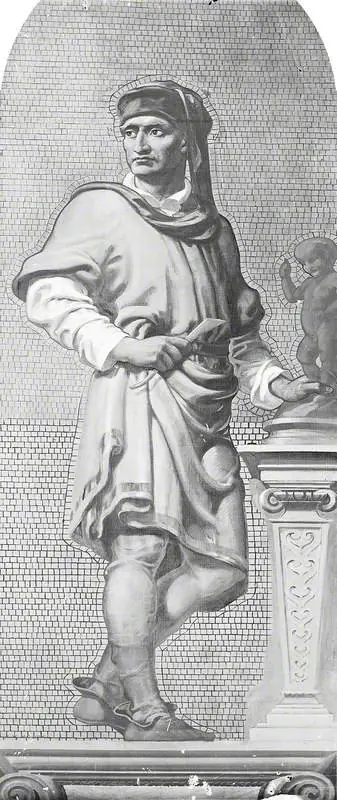 Luca della Robbia (1400–1481) (design for a mosaic in the Victoria and Albert Museum) (detail)
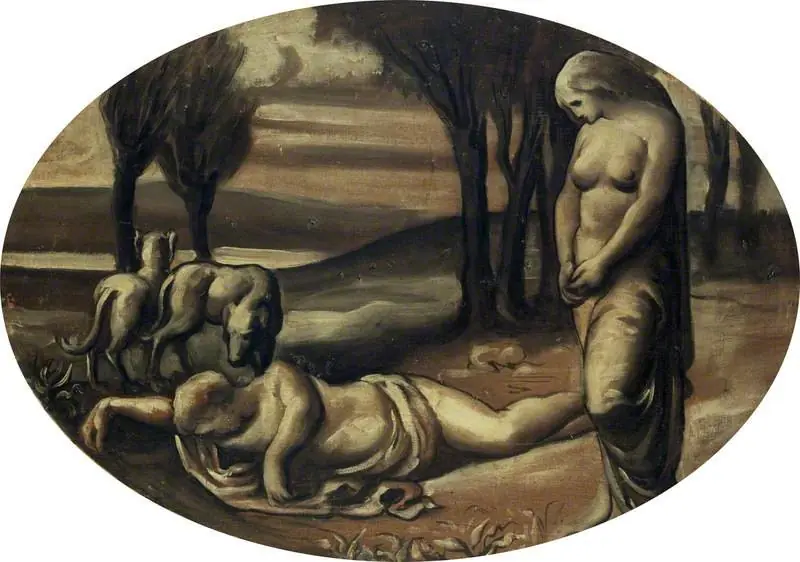 Pyramus and Thisbe (decorative panel)
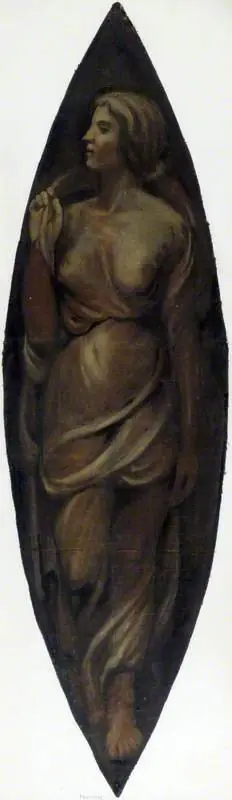 Standing Female Figure (decorative panel)
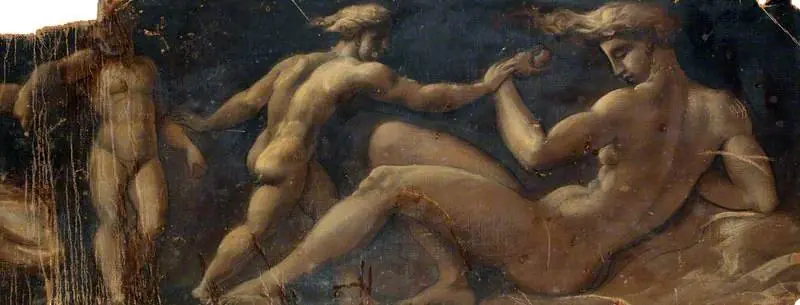 Reclining Figure (decorative panel)
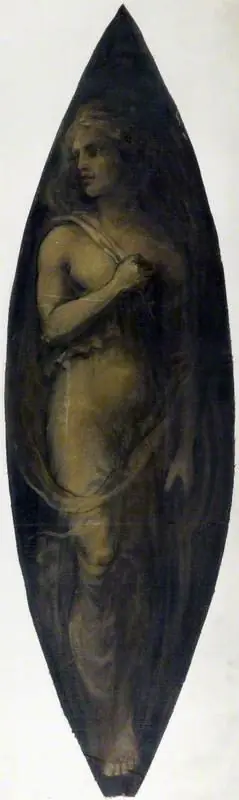 Standing Female Figure (decorative panel)
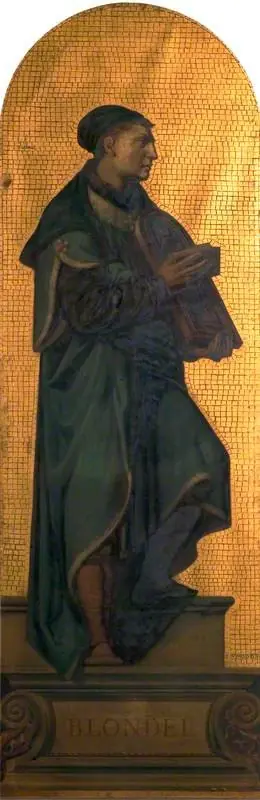 Lancelot Blondeel (1498–1561) (design for a mosaic in the Victoria and Albert Museum)
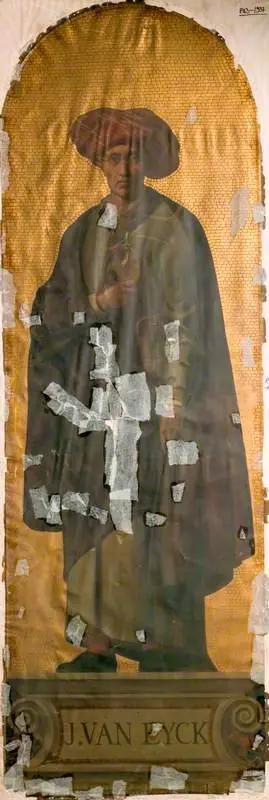 Jan van Eyck (c.1385–1441) (design for a mosaic in the Victoria and Albert Museum) (formerly attributed to Agnes Sutherland)
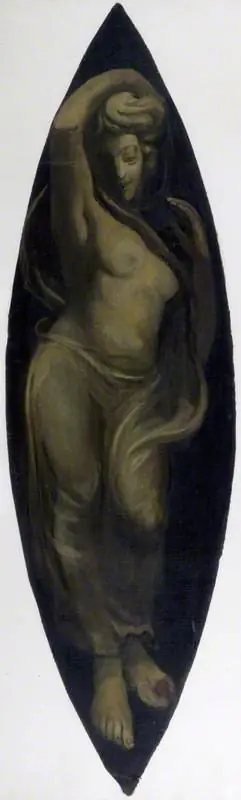 Standing Female Figure (decorative panel)
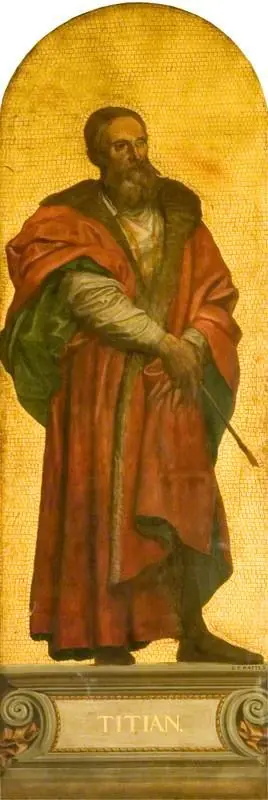 Titian (c.1485–1576) (design for a mosaic in the Victoria and Albert Museum)
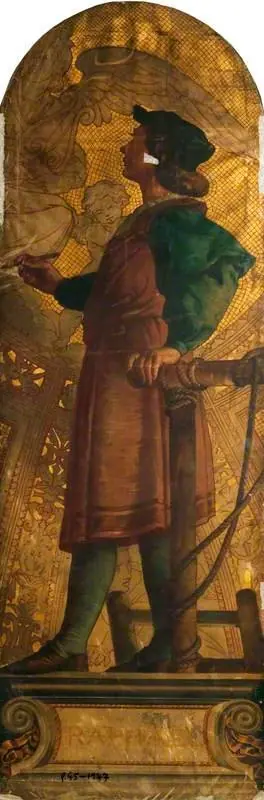 Raphael (1483–1520) (design for a mosaic in the Victoria and Albert Museum, not executed)
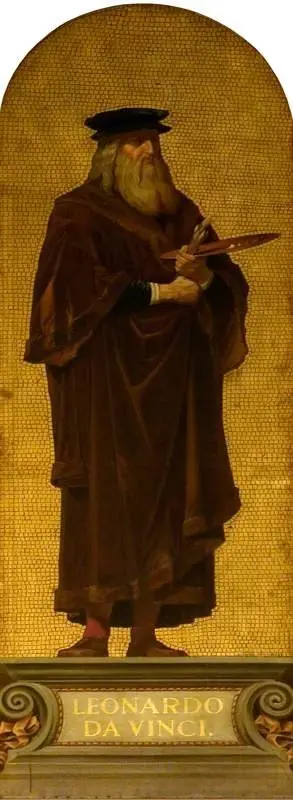 Leonardo da Vinci (1452–1519) (design for a mosaic in the Victoria and Albert Museum)
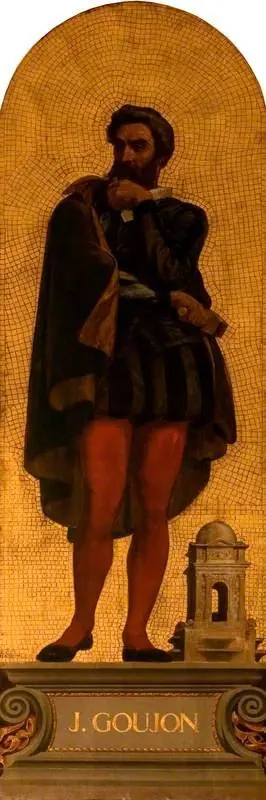 Jean Goujon (c.1510–1565) (design for a mosaic in the Victoria and Albert Museum)
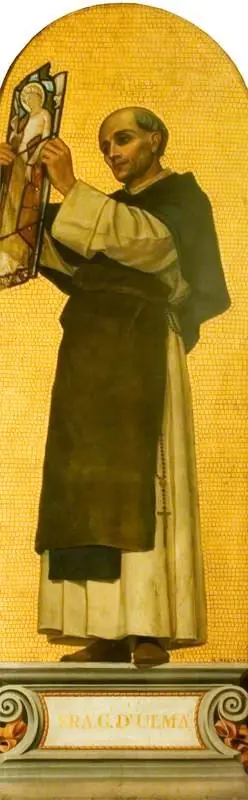 Fra Giacomo da Ulma (design for a mosaic in the Victoria and Albert Museum)
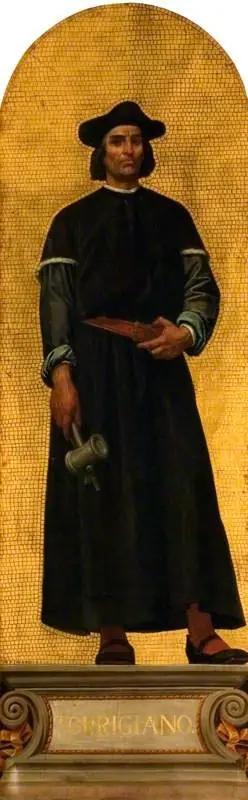 Pietro Torrigiano (1472–1522) (design for a mosaic in the Victoria and Albert Museum)
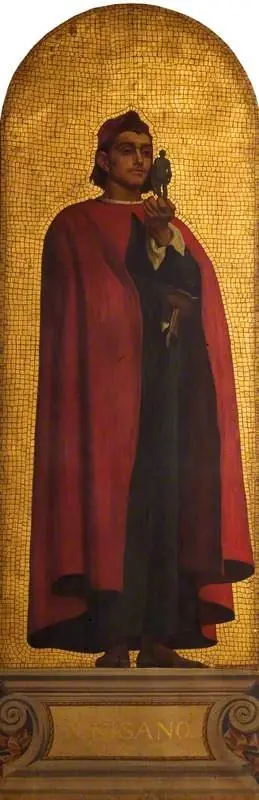 Nicola Pisano (c.1220/1225–c.1284) (design for a mosaic in the Victoria and Albert Museum)
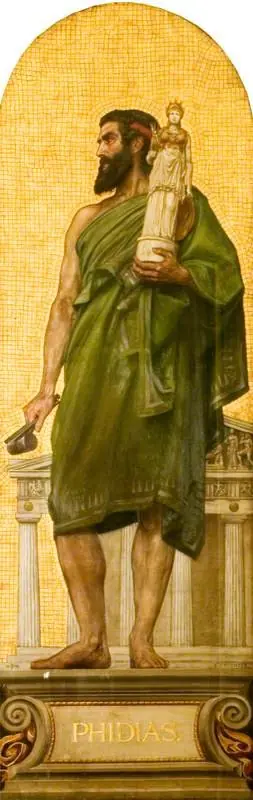 Phidias (c.480 BC–c.430 BC) (design for a mosaic in the Victoria and Albert Museum)
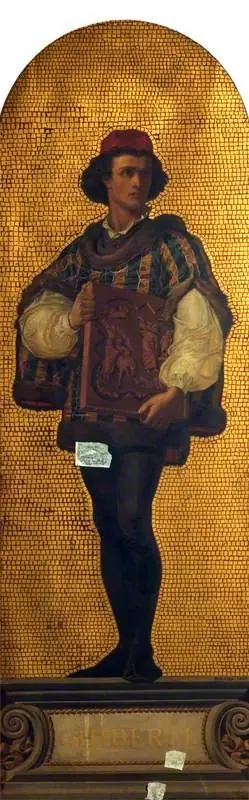 Ghiberti (1378–1455) (design for a mosaic in the Victoria and Albert Museum)
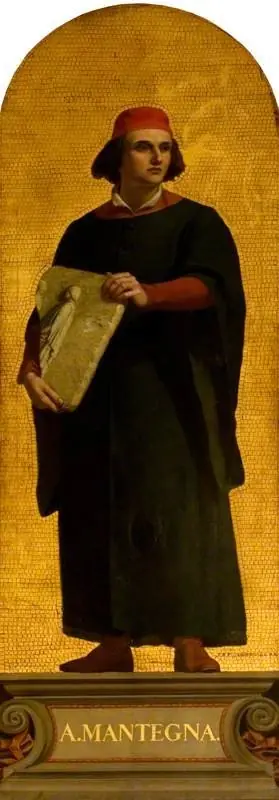 Andrea Mantegna (c.1431–1506) (design for a mosaic in the Victoria and Albert Museum)
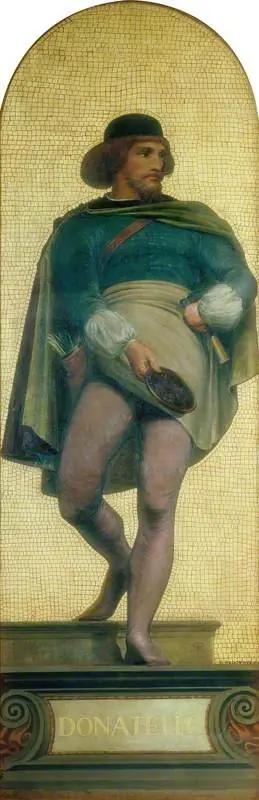 Donatello (c.1386–1466) (design for a mosaic in the Victoria and Albert Museum)