Artwork
Satan, Sin and Death (A Scene from Milton's `Paradise Lost')
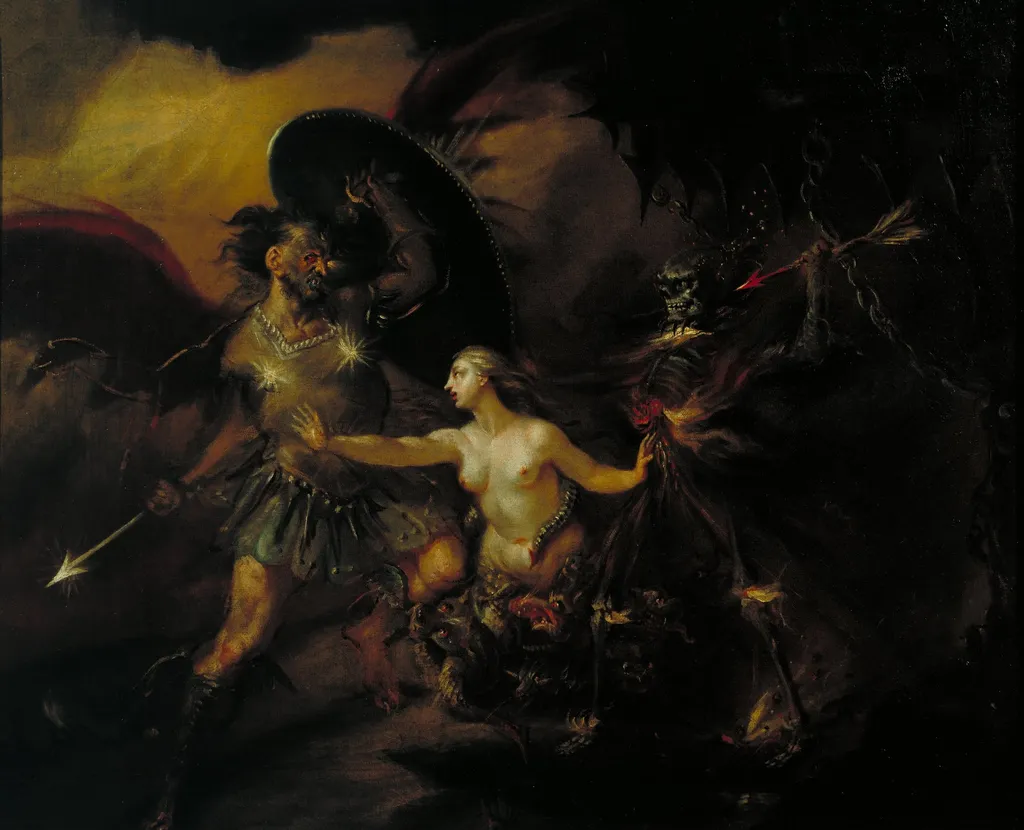
Satan, Sin and Death (A Scene from Milton's `Paradise Lost') is an oil painting by the Rococo painting artist William Hogarth. It dates from 1735 and is held in the collection of the Tate.
About this work
Overview
Satan, Sin and Death (A Scene from Milton's `Paradise Lost') is a painting executed in oil on canvas by William Hogarth in 1735. It illustrates a scene from John Milton's epic poem `Paradise Lost`.
Subject & Meaning
The painting depicts three figures: Satan, represented as a muscular man with a sword; Sin, a nude woman with a snake wrapped around her waist; and Death, a skeleton-like figure with an arrow in its chest. The scene conveys a sense of tension and conflict, as if the figures are engaged in a fierce battle.
Technique & Style
The painting employs chiaroscuro to create a sense of depth, with a predominantly dark palette featuring shades of brown and black. The use of light and shadow adds to the overall mood of tension and drama.
Context
The work was created during the rococo period, although Hogarth's style was not typically associated with the lighthearted and ornate qualities of rococo art. Instead, it reflects his background as a satirist and narrative painter, evident in other works such as `A Harlot's Progress` and `Marriage A-la-Mode`.
Own this work as a print
Artist & collection
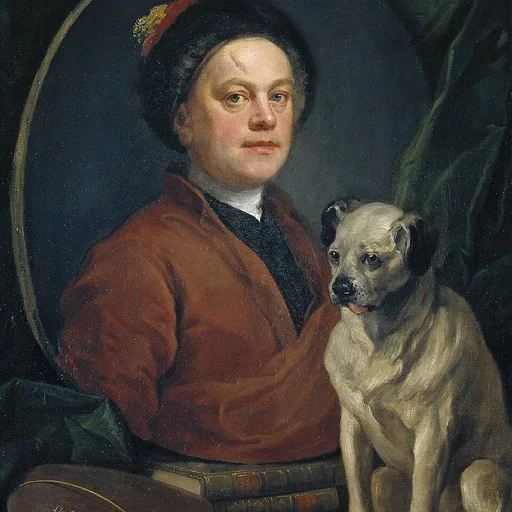
Artist
William Hogarth (; 10 November 1697 – 26 October 1764) was an English painter, engraver, satirist, cartoonist and writer.

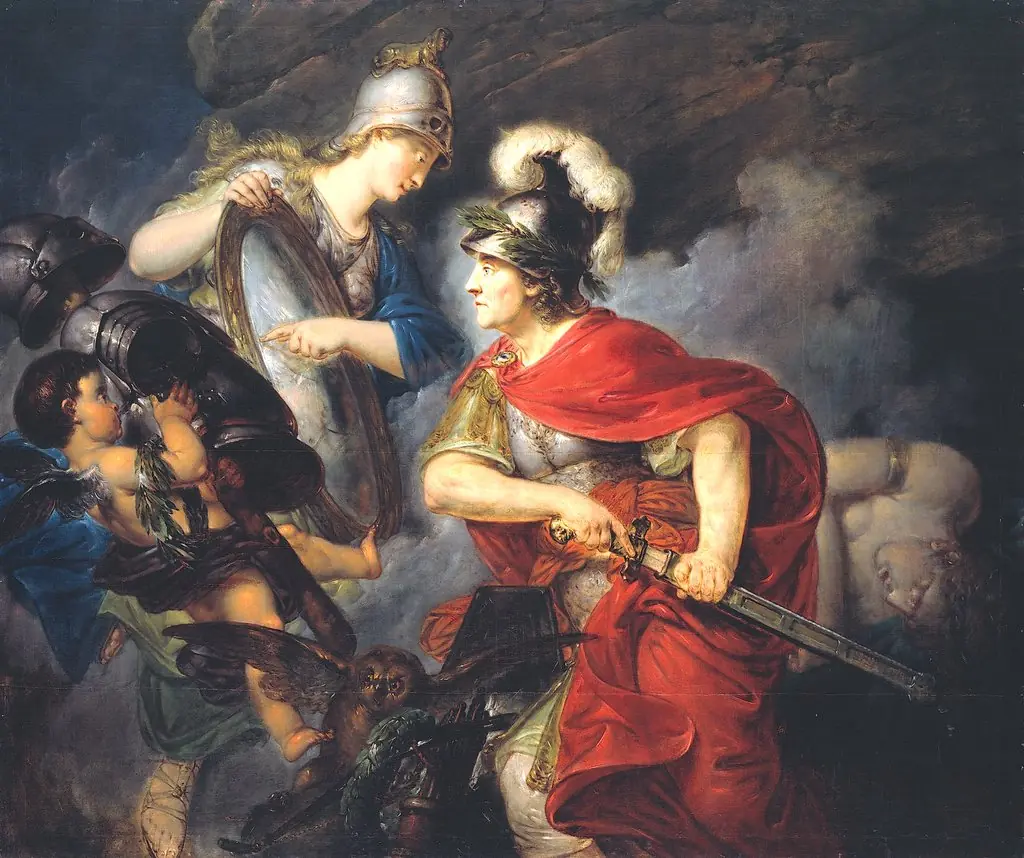 Allegory of Frederick the Great as Perseus
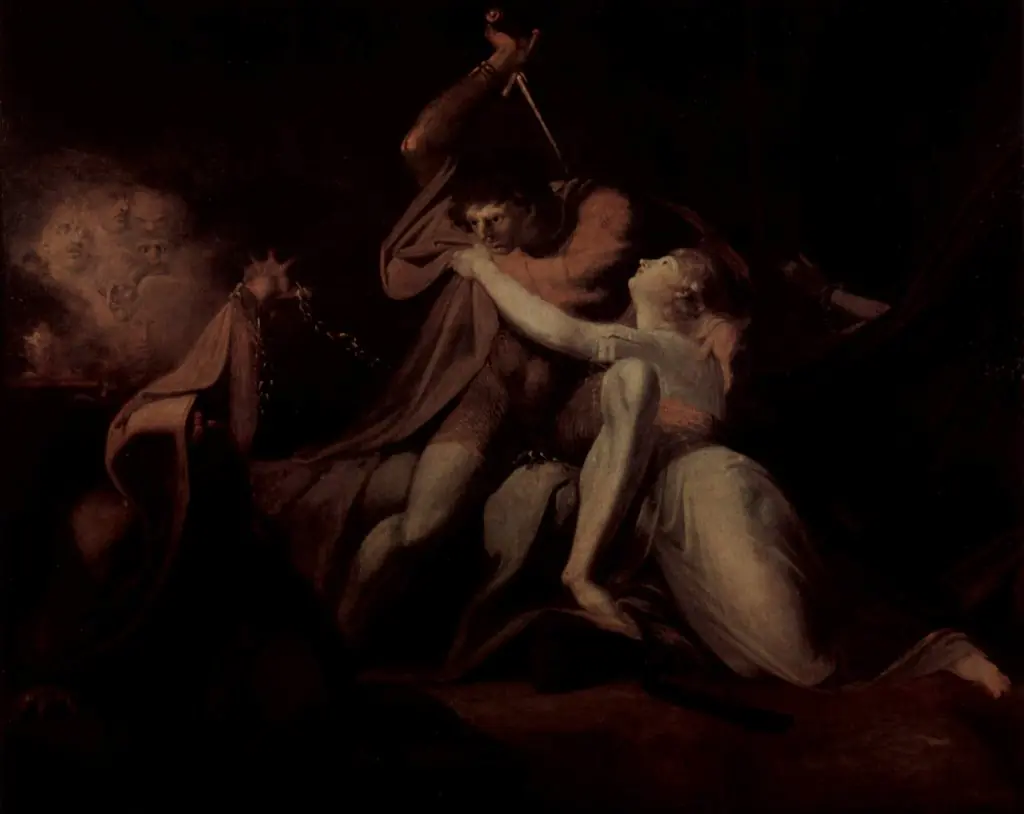 Parcival befreit Belisane von den Zaubereien des Urma
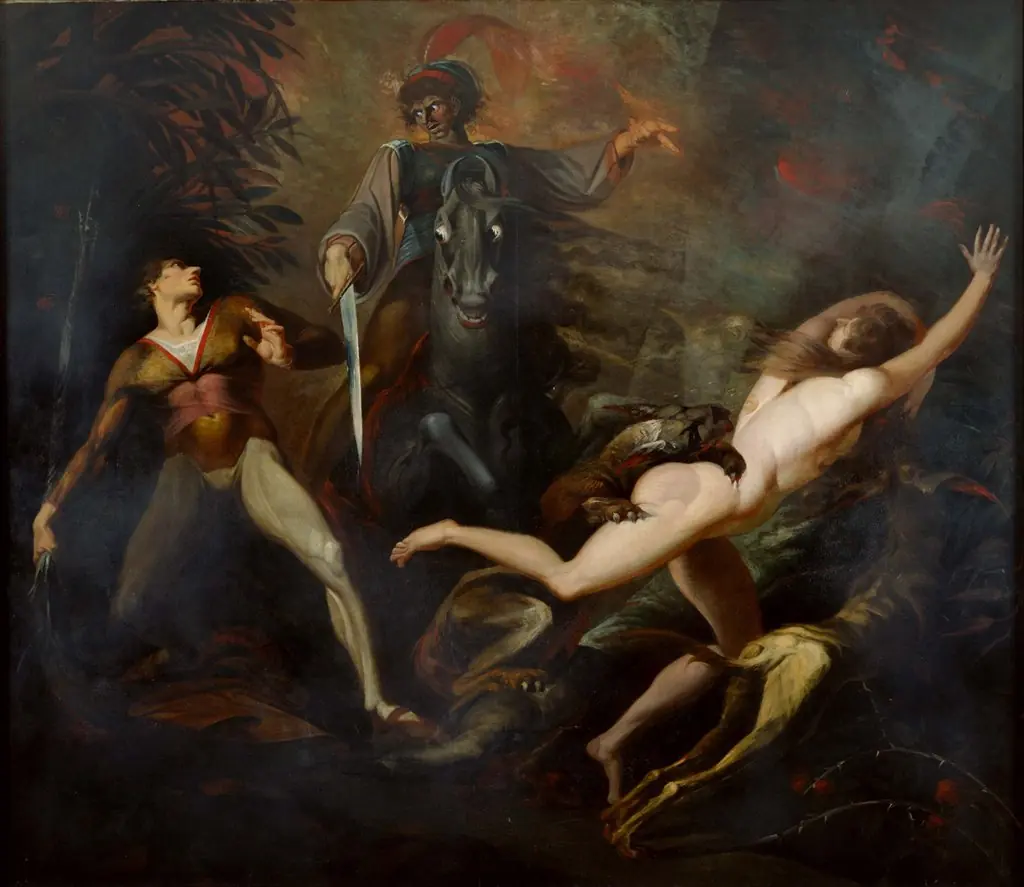 Theodore Meets in the Wood the Spectre of His Ancestor Guido Cavalcanti
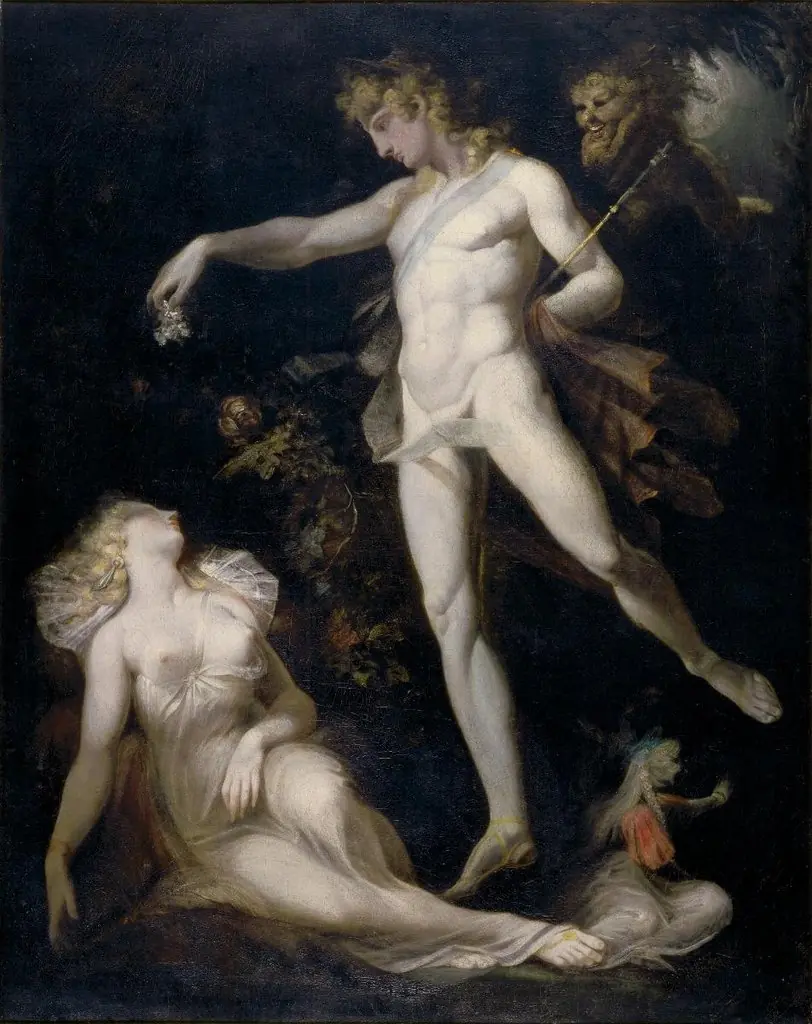 Oberon träufelt Blumensaft auf die Augen der schlafenden Titania
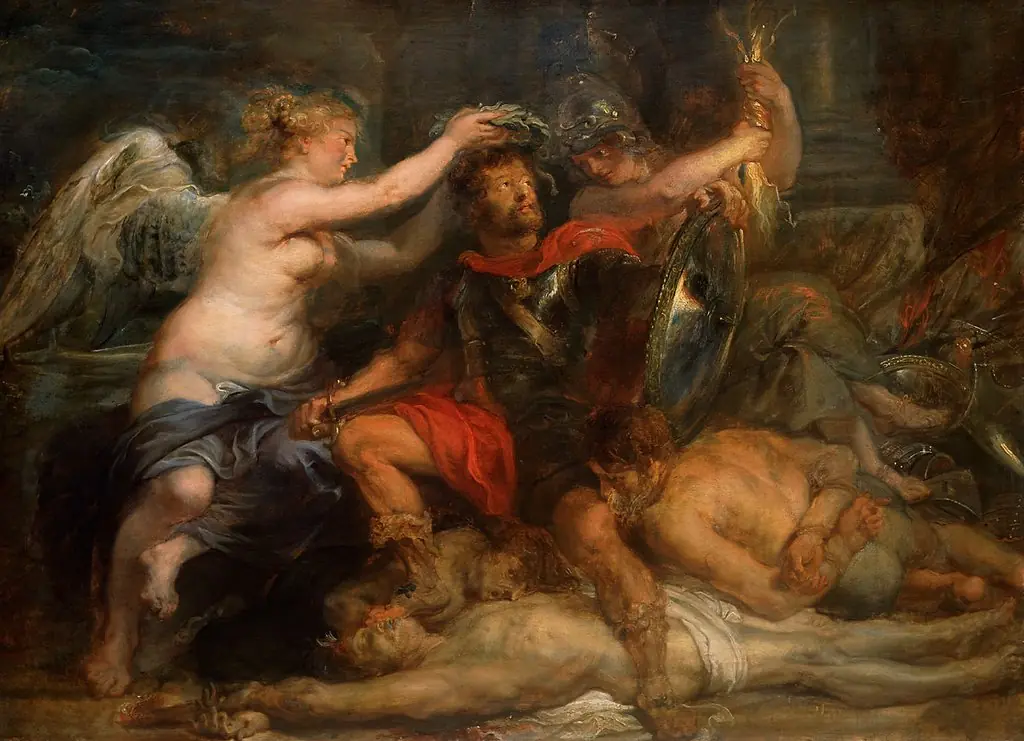 Victory crowns the Hero
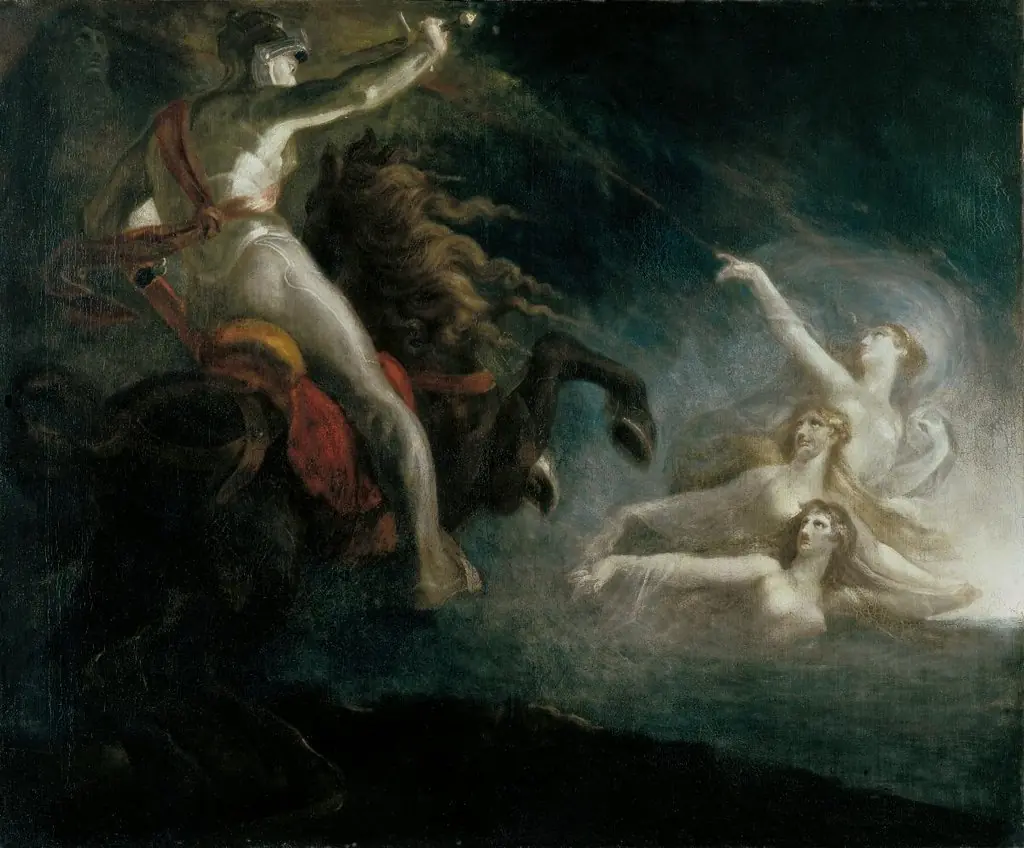 Die Donaunixen prophezeien Hagen den unglücklichen Ausgang von Gunthers Zug
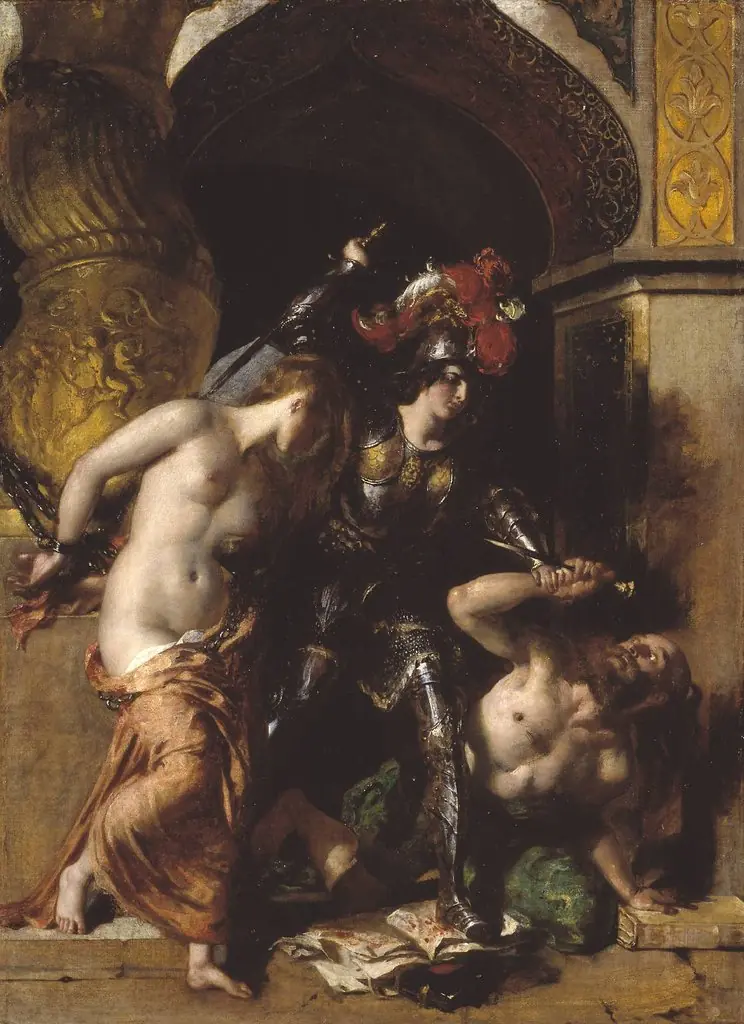 Britomart Redeems Faire Amoret
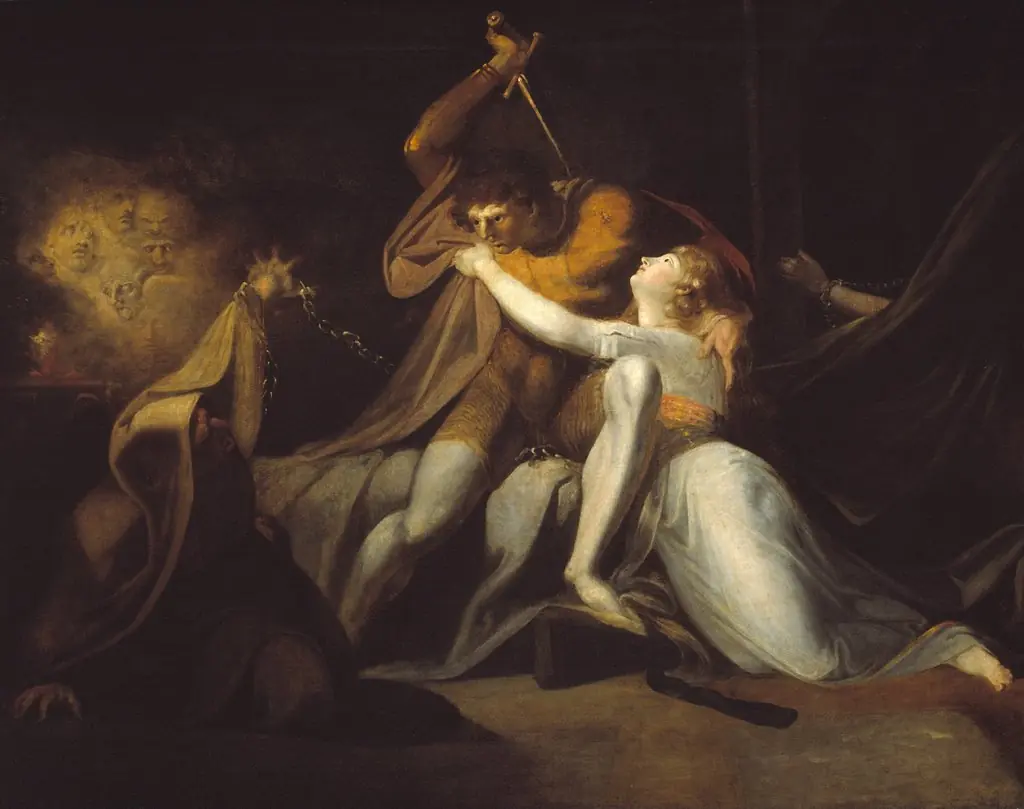 Percival Delivering Belisane from the Enchantment of Urma
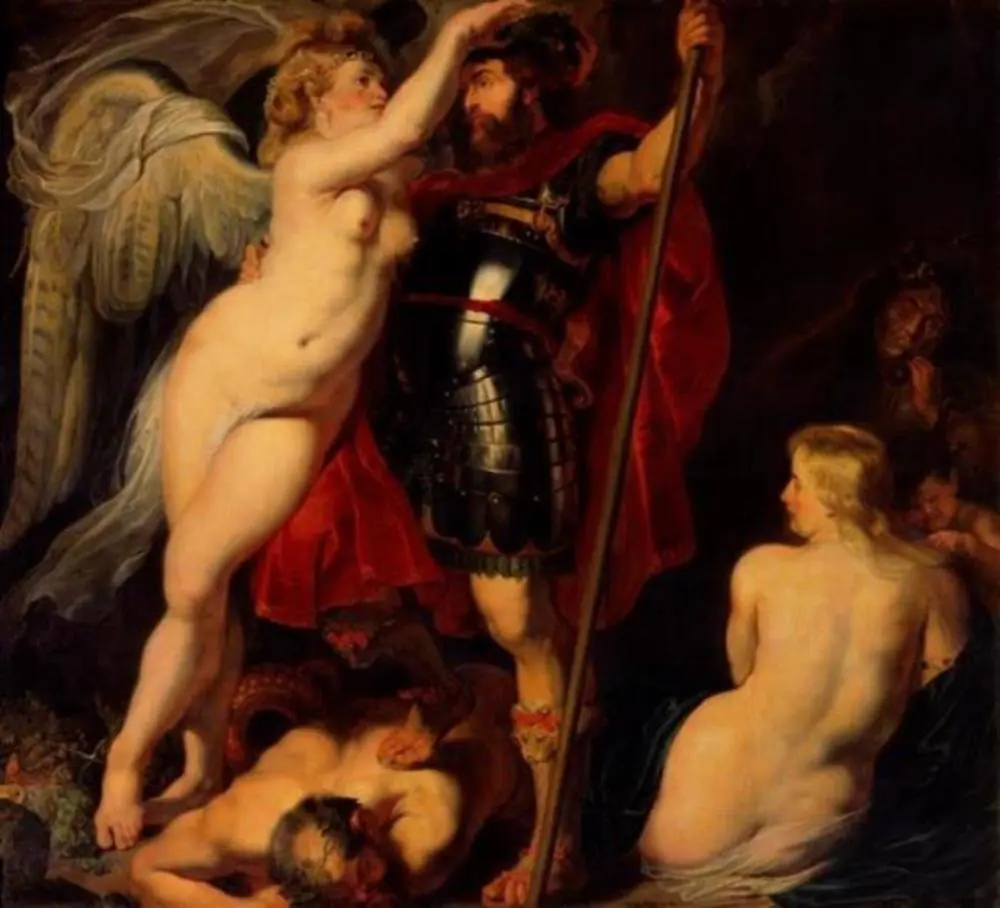 Crowning the Hero
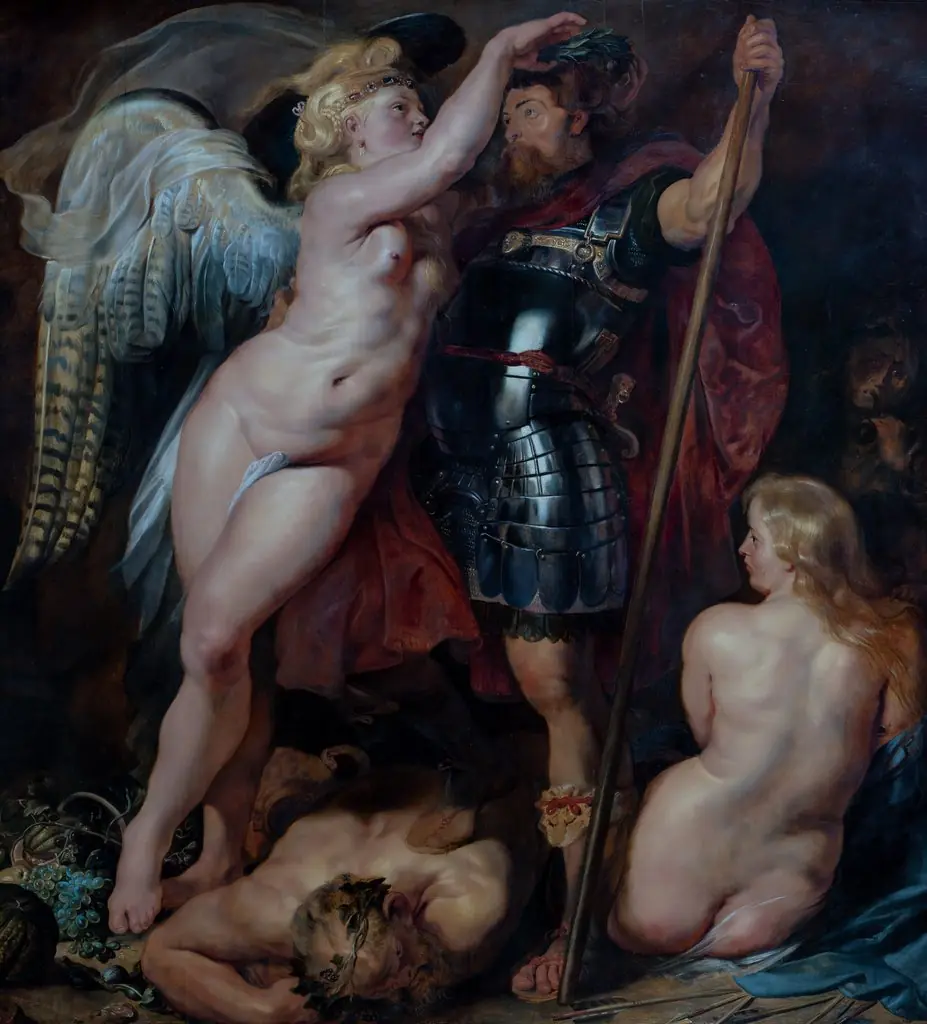 The Coronation of the Hero of Virtue