Artwork
Percival Delivering Belisane from the Enchantment of Urma
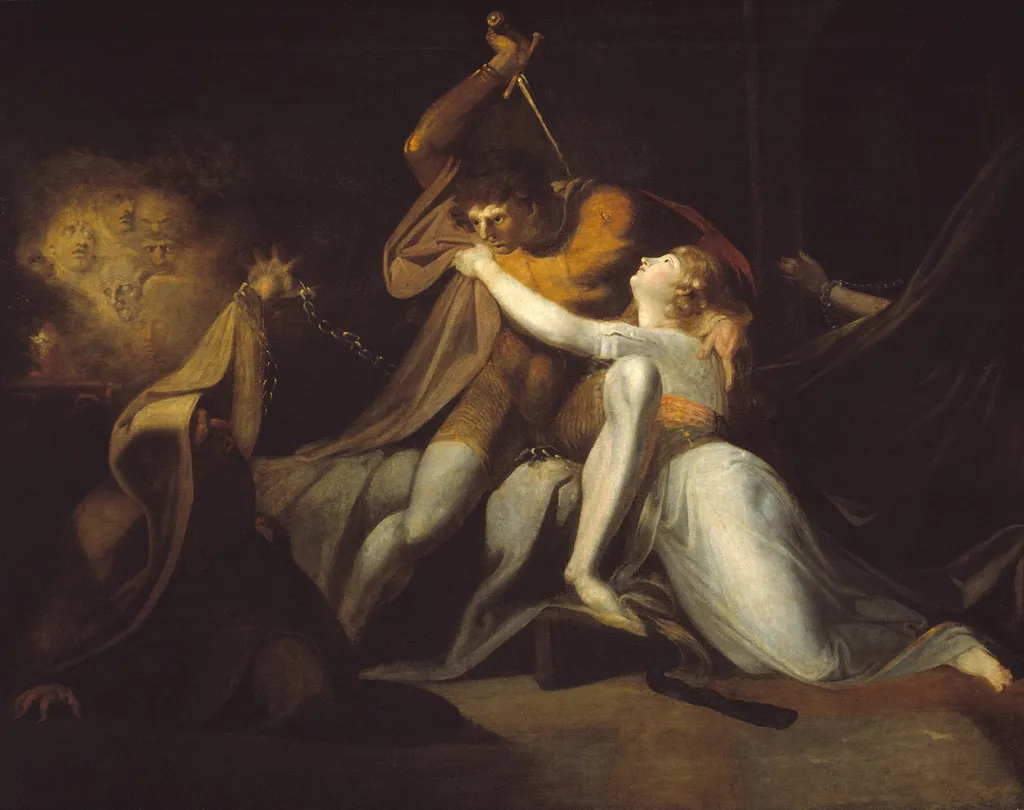
Percival Delivering Belisane from the Enchantment of Urma is an oil painting by the Rococo painting artist Henry Fuseli. It dates from 1792 and is held in the collection of the National Gallery.
About this work
Overview
Henry Fuseli's 1783 oil painting, Percival Delivering Belisane from the Enchantment of Urma, is a dramatic depiction of a scene from medieval legend, currently housed at the Tate Britain in London.
Subject & Meaning
The painting illustrates a pivotal moment from Arthurian lore, where Percival rescues Belisane from a mystical enchantment. The central figures—Percival (dark-haired, in brown robe, wielding a sword) and Belisane (in white with an orange sash, looking up at her rescuer)—are contrasted with a dark, chained figure emerging from the shadows, symbolizing the overcome evil or the enchantment itself.
Technique & Style
Fuseli employs chiaroscuro to create an intense, mysterious atmosphere through stark light and dark contrasts. The painting's texture is enhanced by impasto, while glazing techniques impart depth and luminosity to the colors, characteristic of Fuseli's expressive and emotionally charged style.
History & Provenance
Created in 1783, the work is part of the Tate Britain's collection in London, though specific details of its commission or earlier ownership are not provided in the available information.
Context
Painted during the late 18th century, this work reflects Fuseli's interest in medieval and literary subjects, aligning with contemporary artistic fascinations with the sublime and the dramatic.
Legacy
While specific influences or direct artistic lineage are not detailed, the painting contributes to Fuseli's reputation for capturing dramatic, often supernatural, moments from literature with vivid technique, influencing subsequent artists in their approach to narrative painting.
Own this work as a print
Artist & collection
Artist
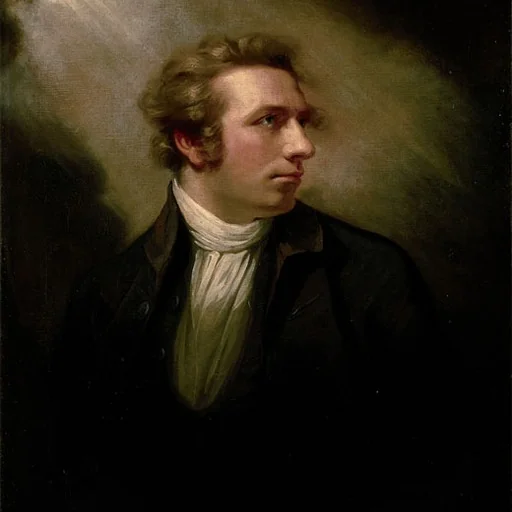
Henry Fuseli was a Swiss painter, draughtsman, and writer on art who spent much of his career in Britain.

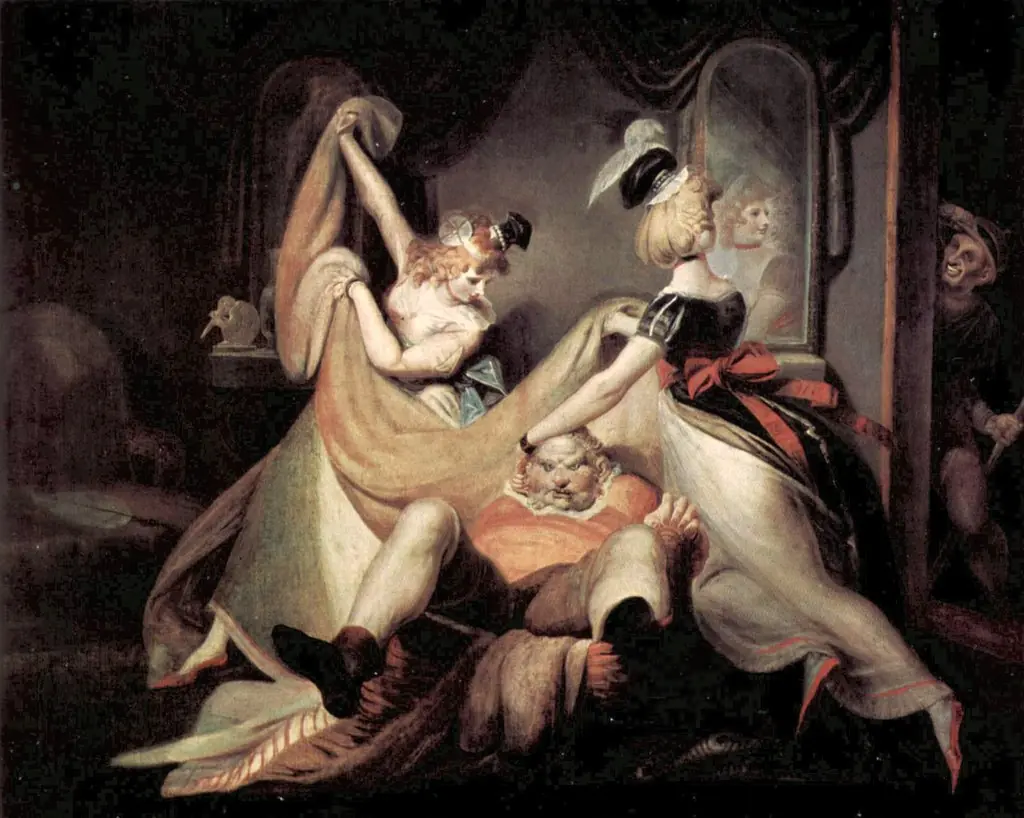 Falstaff in the Laundry Basket
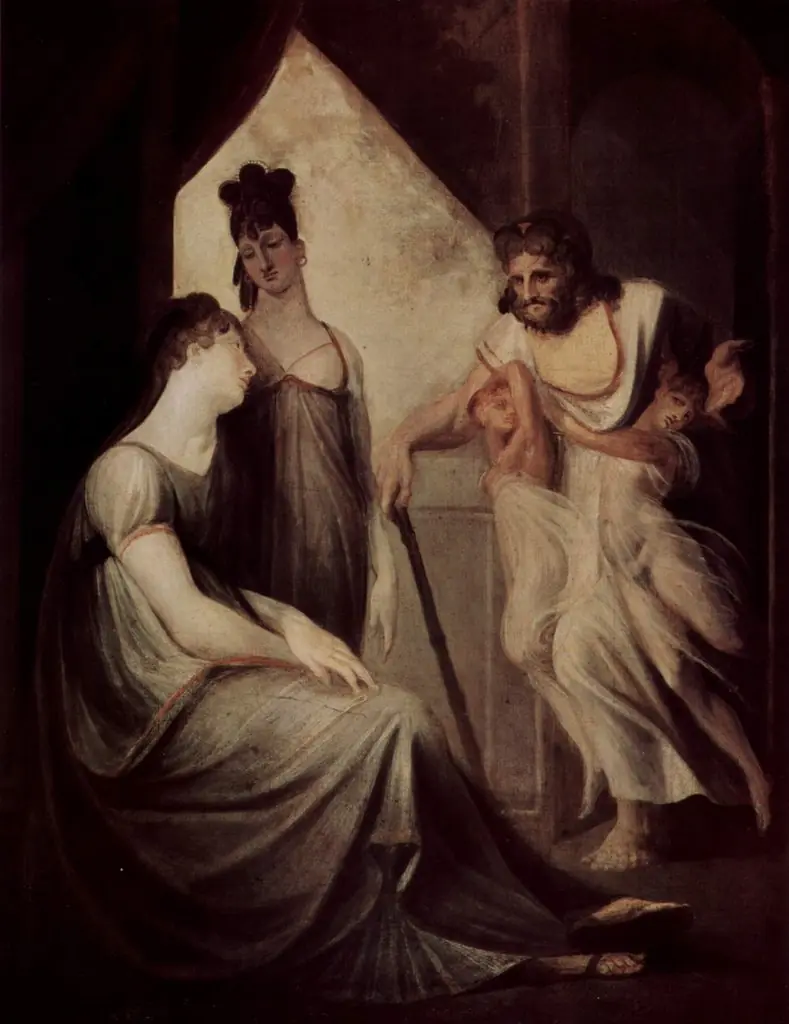
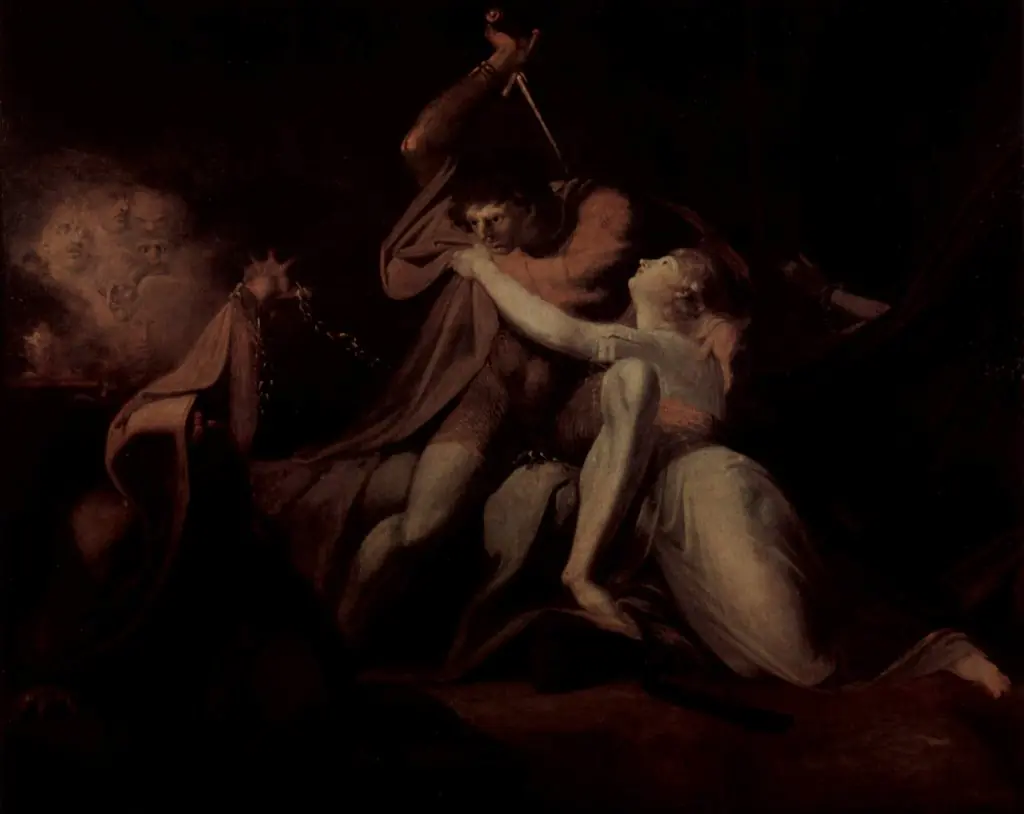 Parcival befreit Belisane von den Zaubereien des Urma
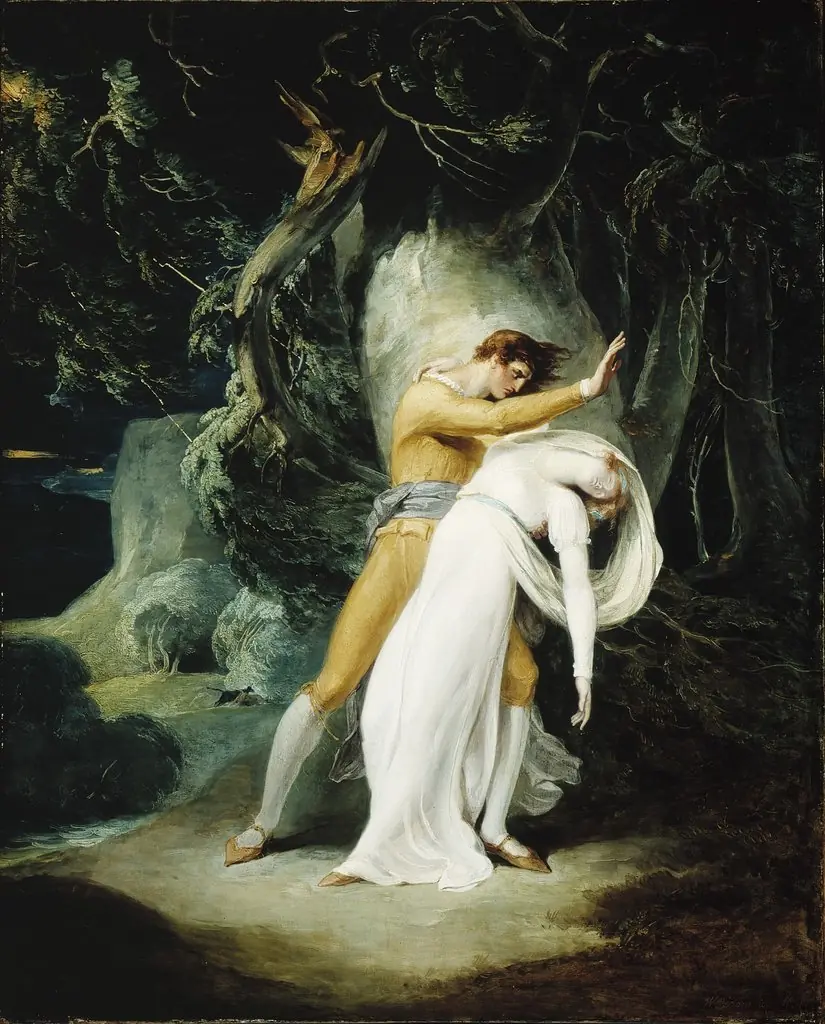 Celadon and Amelia
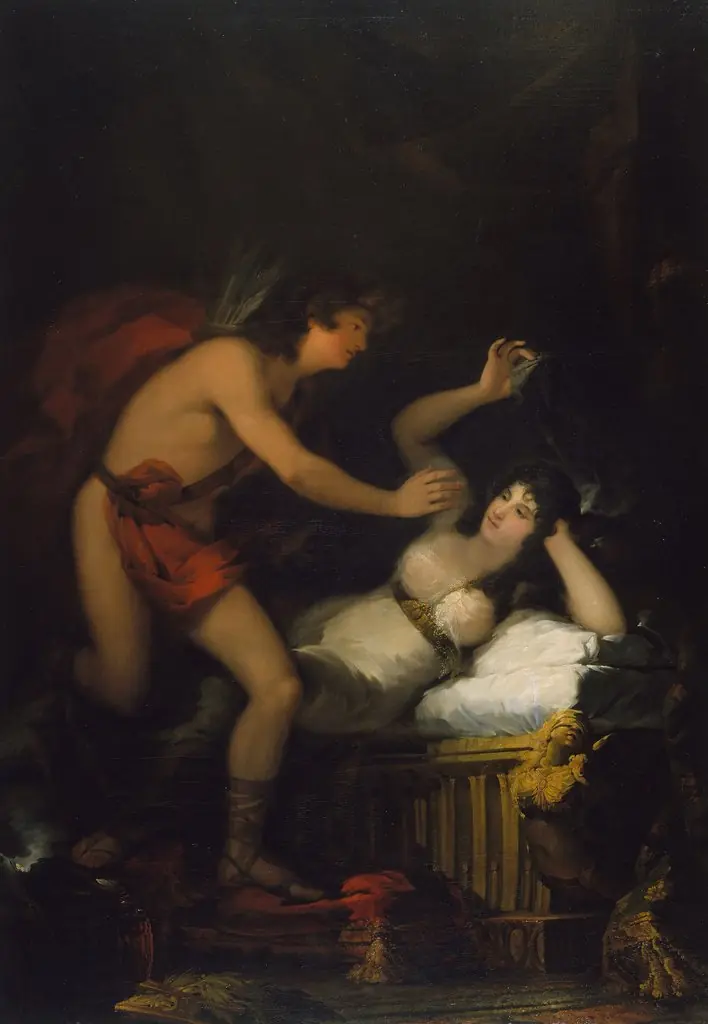 Allegory of Love, Cupid and Psyche
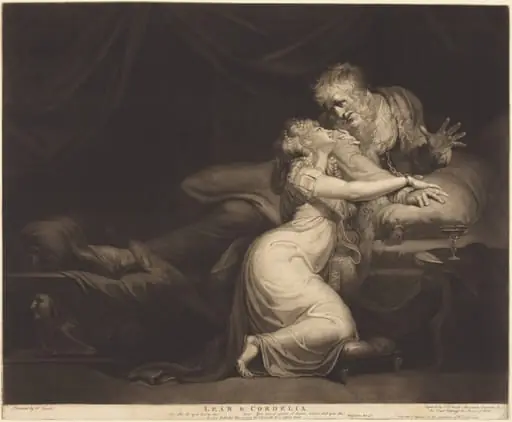 Lear and Cordelia
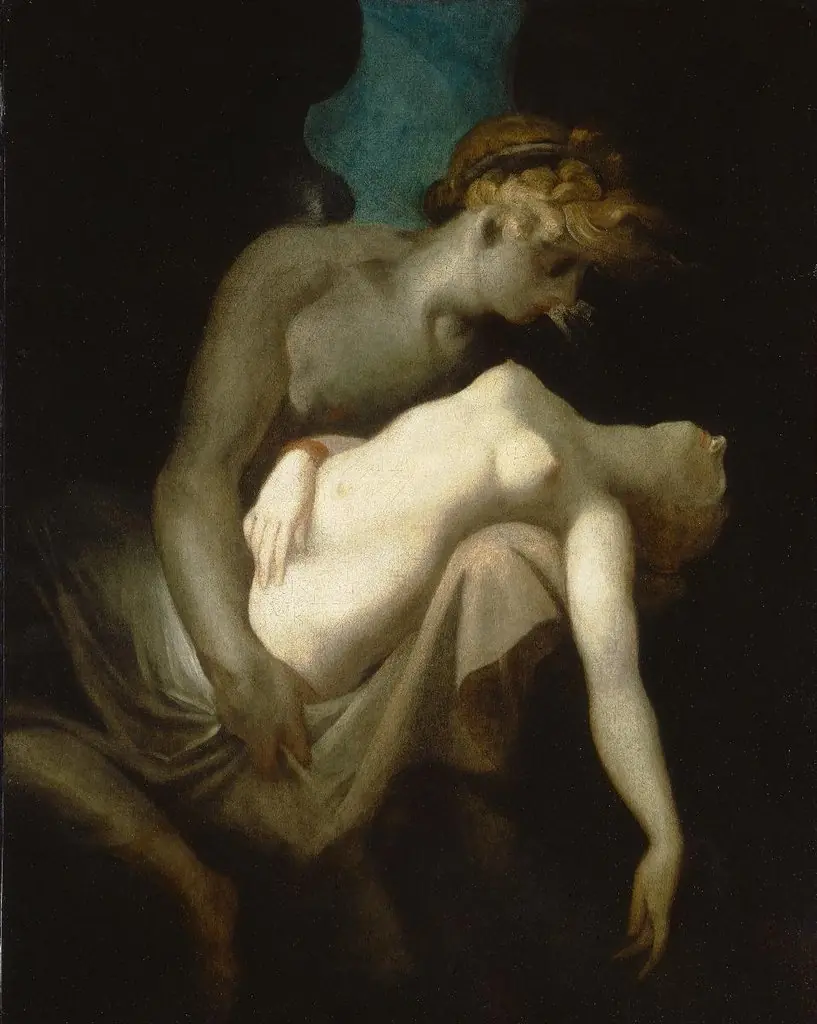 Amor und Psyche
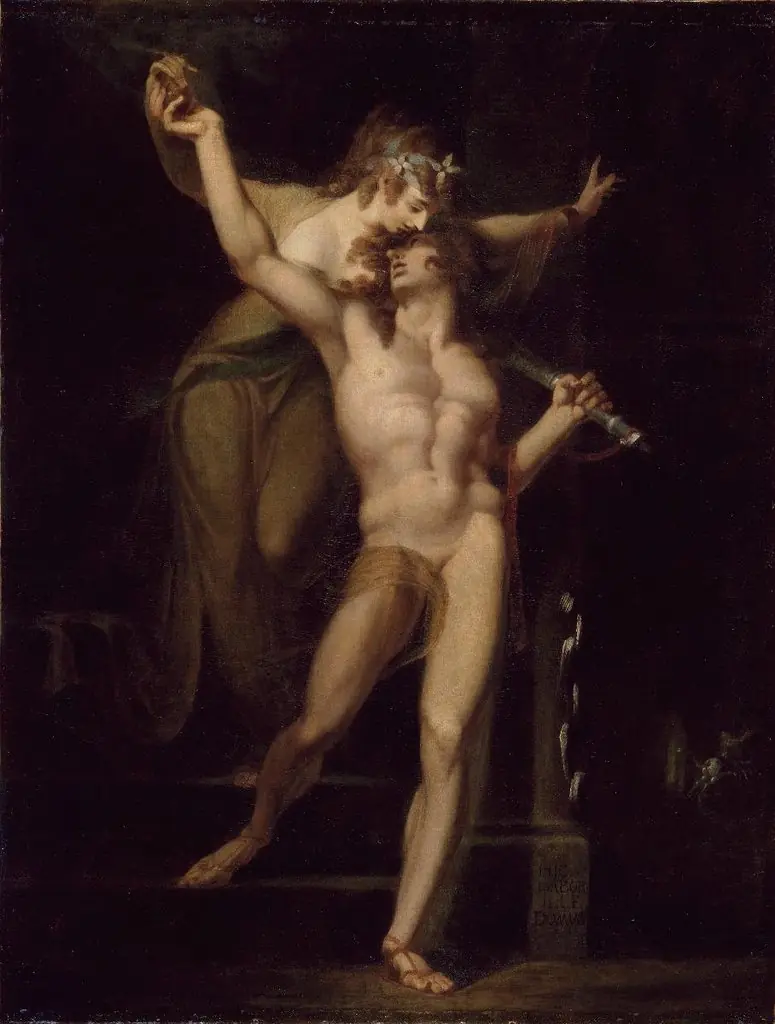 Theseus und Ariadne
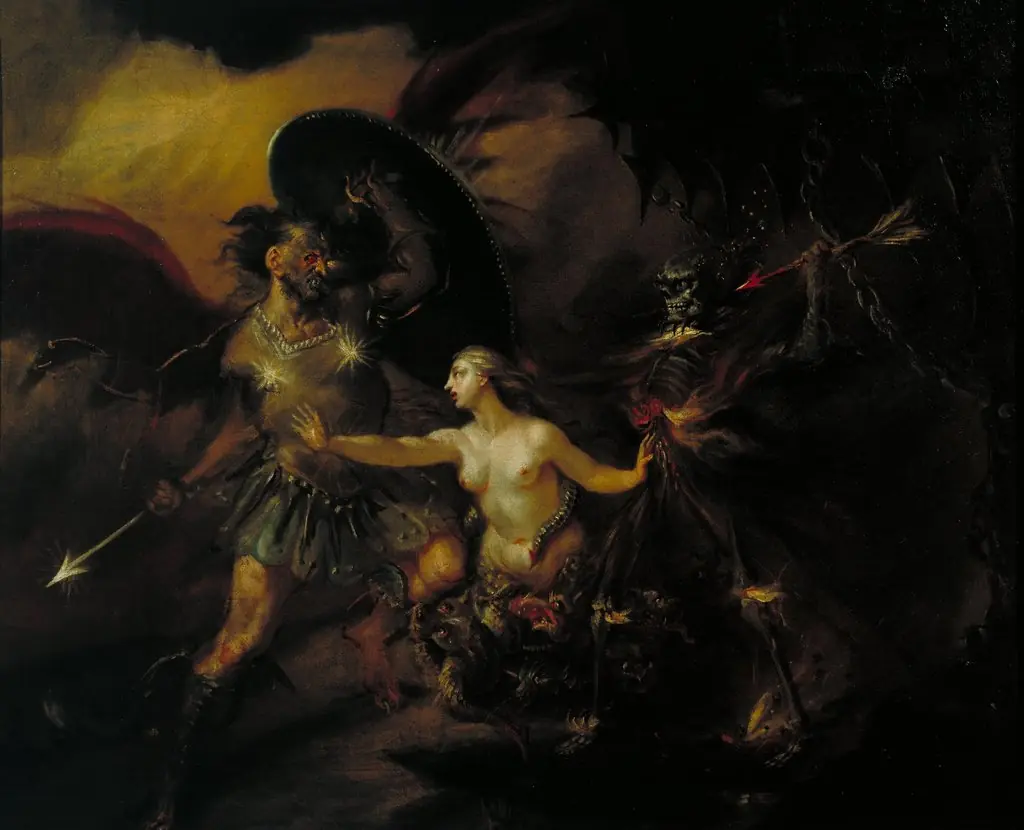 Satan, Sin and Death (A Scene from Milton's `Paradise Lost')
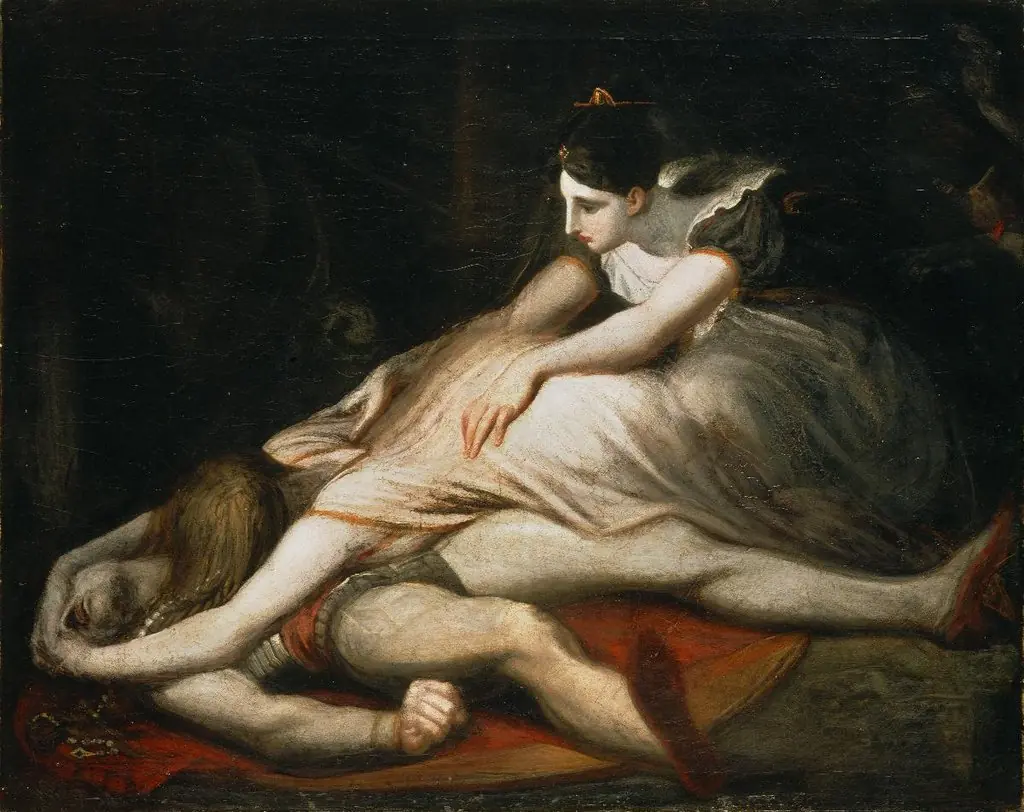 Kriemhild über der Leiche Siegfrieds
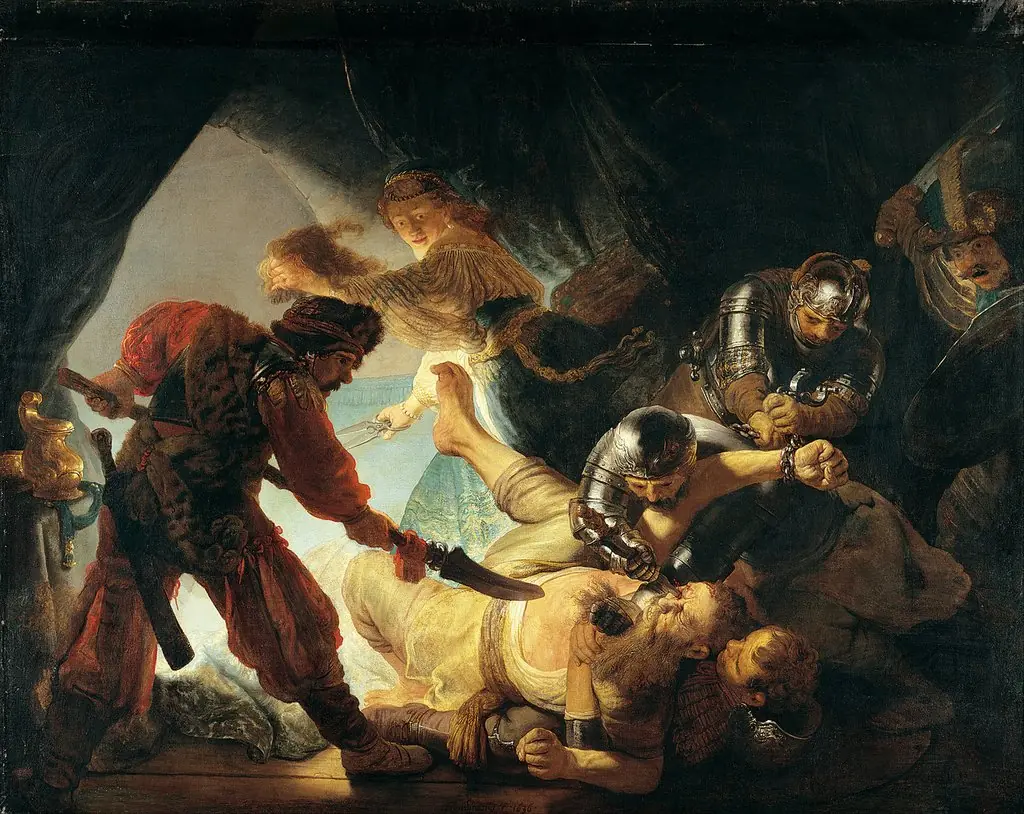 The Blinding of Samson
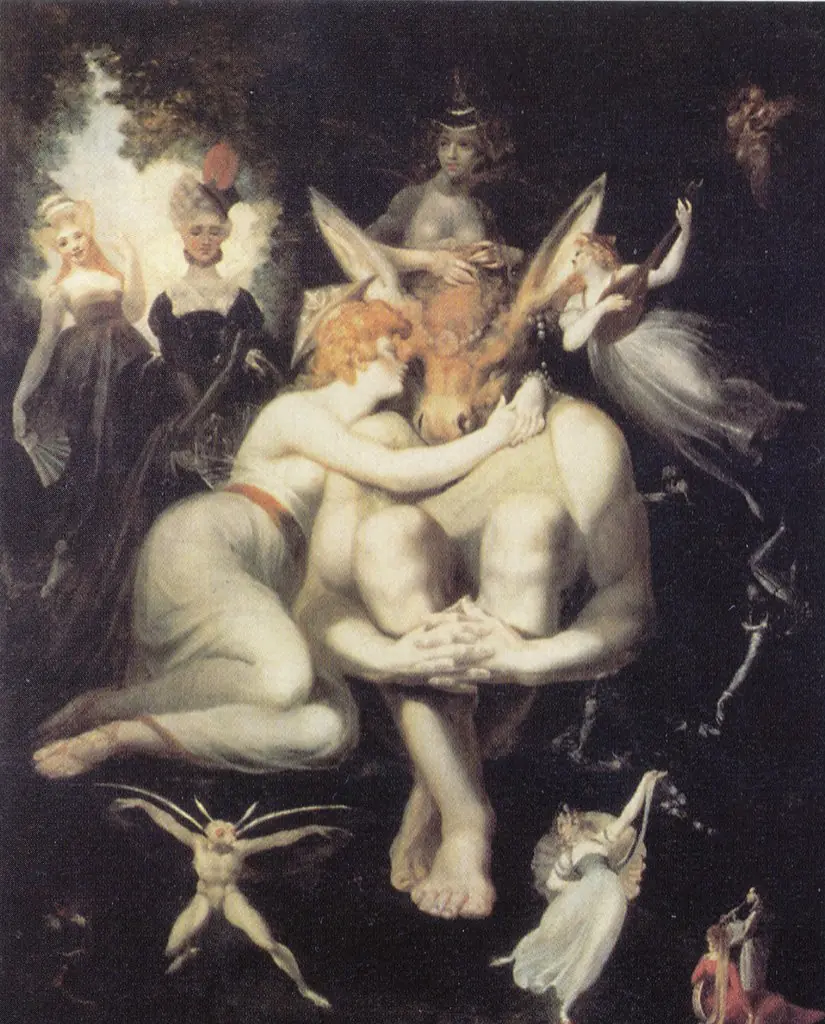
 Titania and Bottom
 Belisane and Parcival under the Enchantment of Urma