Artwork
Portrait of Jack Joyce
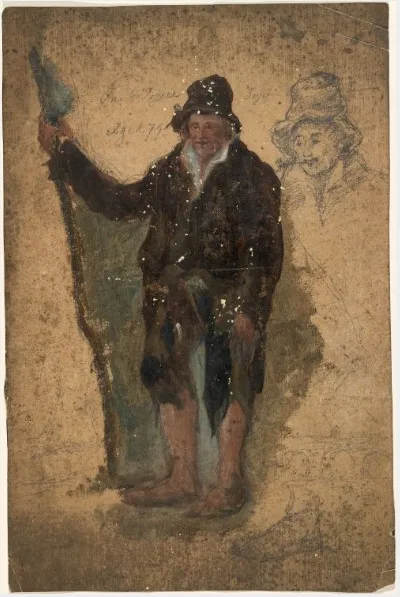
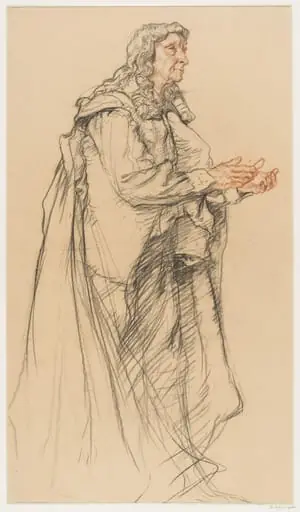
Portrait of Jack Joyce is an unspecified painting by William Howis senior. It dates from 1853 and is held in the collection of the National Gallery of Ireland.
About this work
Overview
The subject’s posture and attire convey a sense of quiet endurance, distinguishing it from formal aristocratic portraits of the era.
Painted around 1853 by William Howis senior, this portrait depicts a man named Jack Joyce. The work resides in the National Gallery of Ireland and exemplifies mid-19th-century British-Irish portraiture. Its subdued palette and intimate scale suggest a focus on character rather than social status. The subject’s posture and attire convey a sense of quiet endurance, distinguishing it from formal aristocratic portraits of the era.
Subject & Meaning
Jack Joyce is portrayed with a somber, introspective demeanor, his gaze directed slightly to the right as if lost in private thought. His worn clothing and weathered appearance suggest a life of labor or hardship. The fabric he holds may imply a trade or occupation, though its exact purpose remains ambiguous. The painting avoids idealization, instead presenting a figure defined by quiet dignity and resilience.
Technique & Style
Howis employs chiaroscuro to model the figure against a muted, earth-toned background, enhancing the three-dimensionality of the form. Brushwork is restrained but deliberate, with attention to the texture of fabric and skin. Shadows gather softly around the edges of the canvas, drawing focus to the face and hands. The lack of ornate detail reinforces the subject’s humility and the painting’s emotional restraint.
History & Provenance
The painting entered the National Gallery of Ireland’s collection in the late 19th century, likely through a private donation or institutional acquisition. Its early provenance is not fully documented, but its survival suggests it was valued by contemporaries for its psychological depth. No records indicate it was commissioned, implying it may have been painted out of personal or documentary interest.
Context
Created during a period of economic hardship in Ireland, the portrait reflects a growing interest in depicting ordinary individuals with dignity. While academic portraiture favored the elite, artists like Howis turned to working-class subjects, aligning with broader social observations in visual culture. This work stands as a quiet counterpoint to the grandeur typical of Victorian-era commissions.
Legacy
Though William Howis senior is not widely known today, this portrait endures as a compelling example of empathetic realism in 19th-century Irish art. It contributes to a quieter tradition of portraiture that prioritizes individual presence over social hierarchy. The work continues to invite reflection on identity, labor, and the unseen lives captured in paint.
Artist & collection

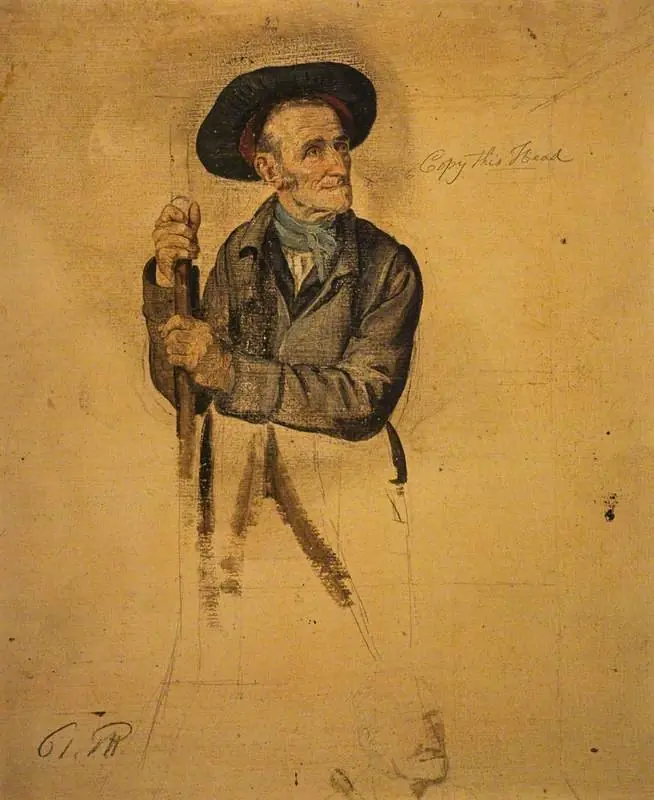 A Man with a Pike (study for 'The Covenanters Preaching')
 The Beggars: Obese Beggar with Lowered Eyes
 The Beggars: Beggar with Pot
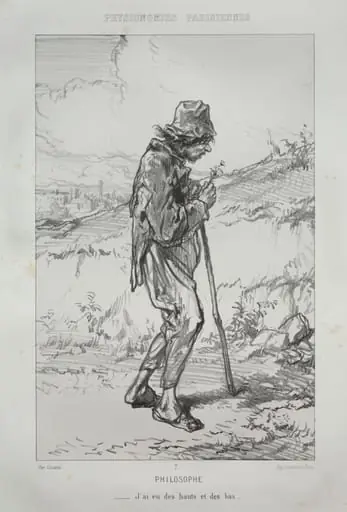 Philosophe
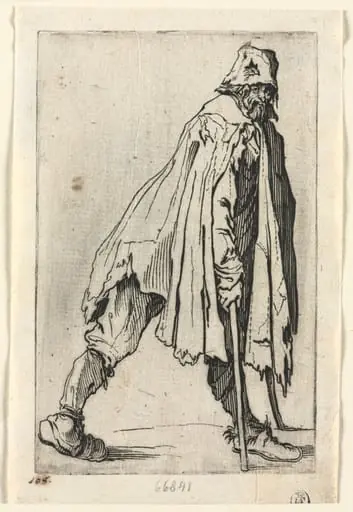 The Beggars: The Beggar on Crutches, Wearing a Cap
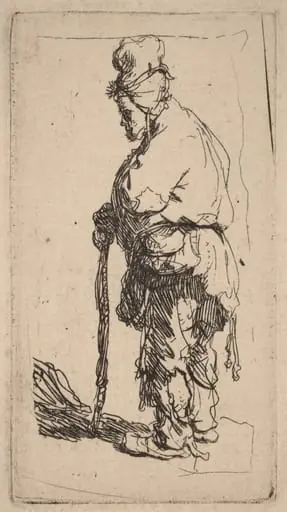 Beggar Leaning on a Stick, Facing Left
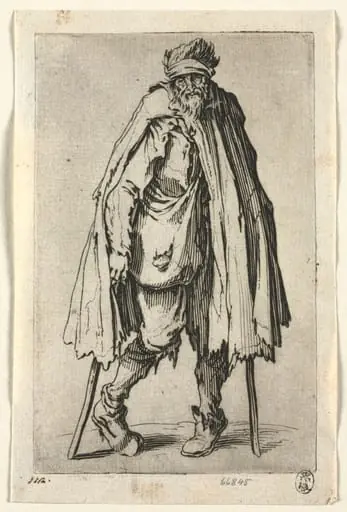 The Beggars: Beggar on Crutches with a Bag
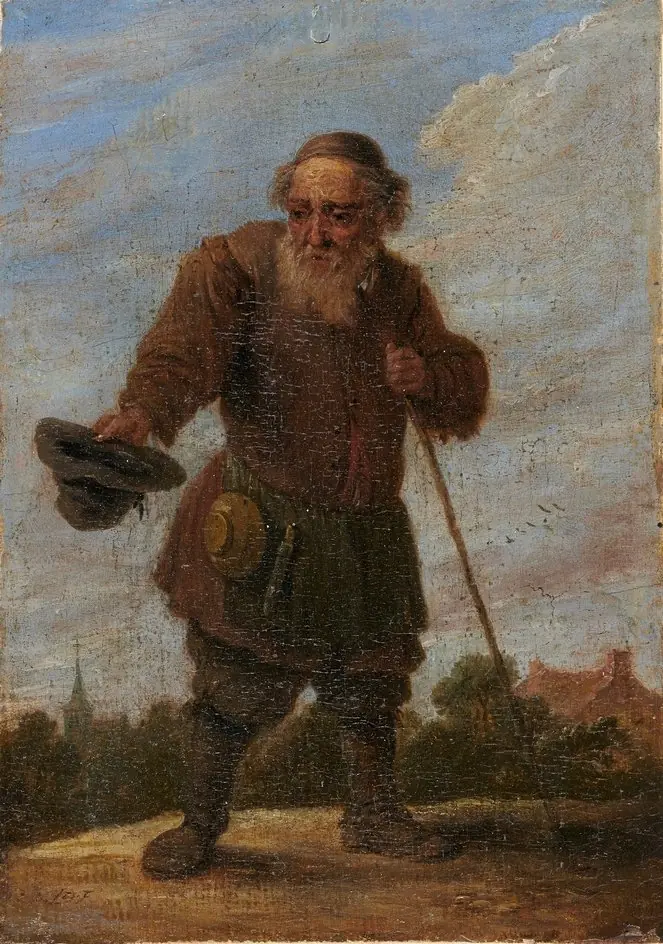 An old Beggar
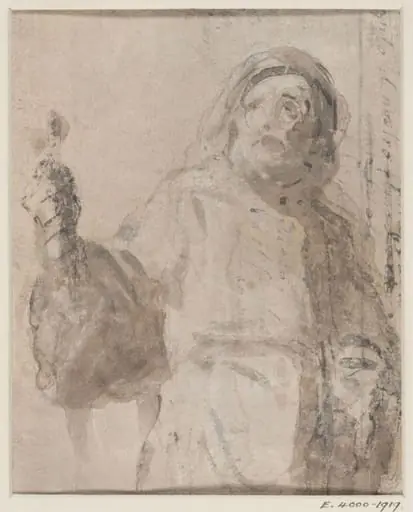 Half-length figure of a man with his right arm extended
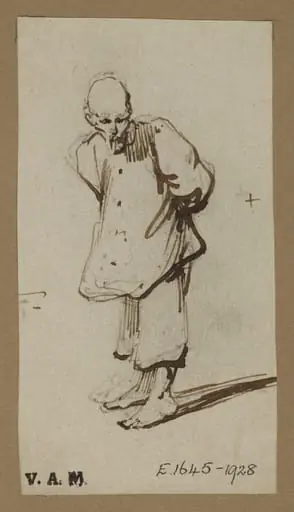 A stooping Chinese man
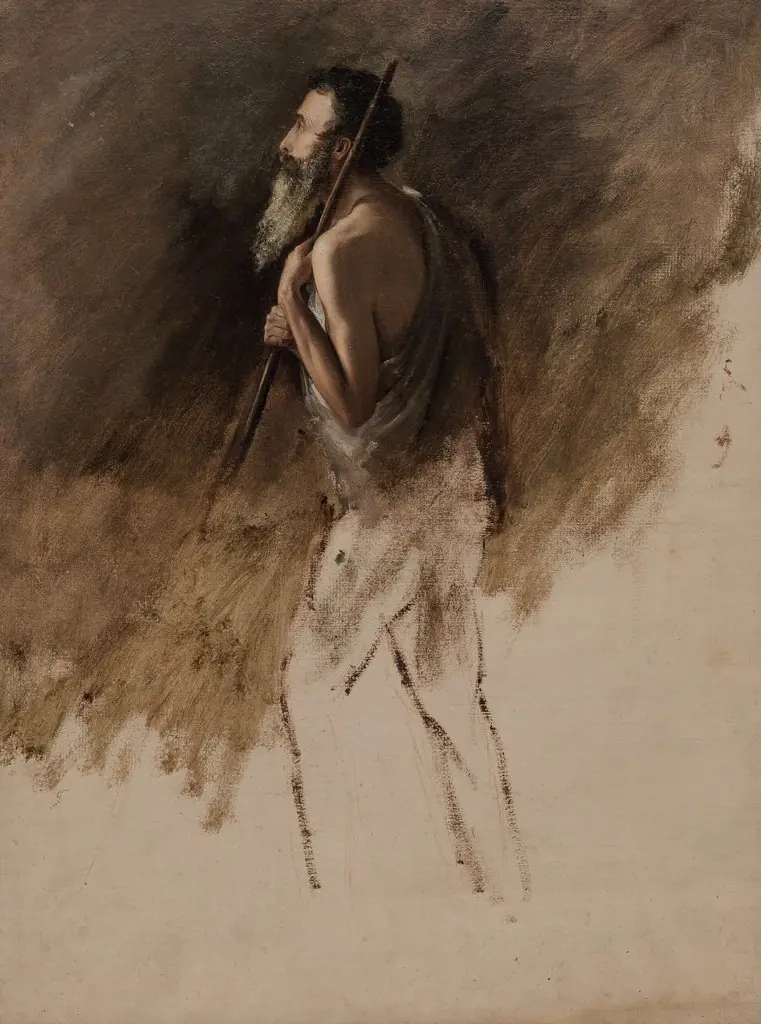 Study for Standing Shepherd
 Prince Rupert receiving the Charter of the Hudson Bay Company from Charles II