Artwork
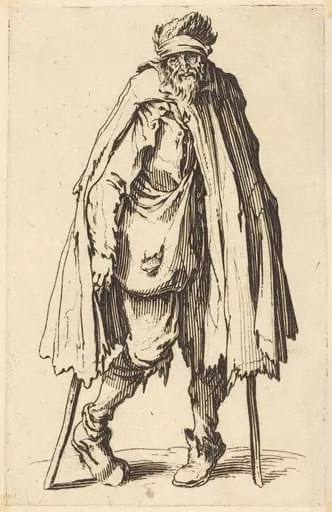
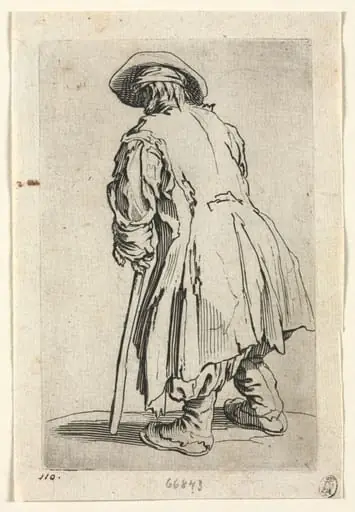
The Beggars: The Beggar on Crutches, Wearing a Cap
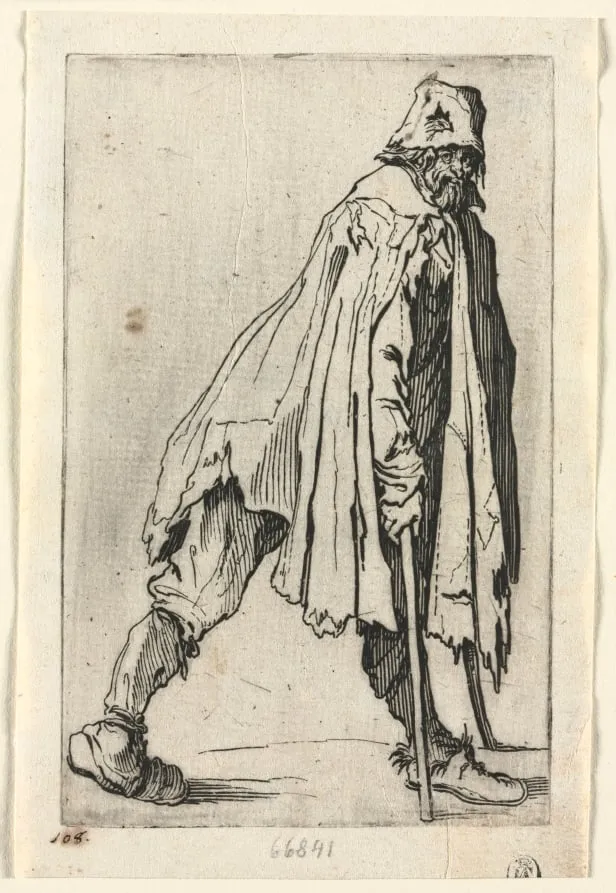
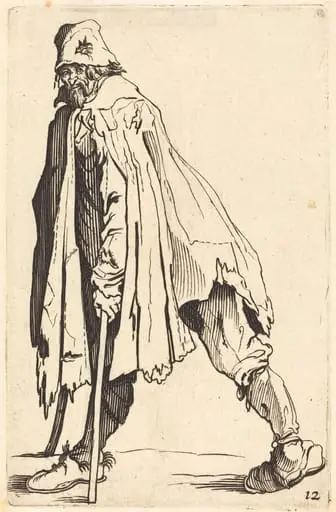
The Beggars: The Beggar on Crutches, Wearing a Cap is a print by the Baroque artist Jacques Callot. It dates from 1623 and is held in the collection of the Cleveland Museum of Art.
About this work
Overview
The piece resides in the collection of The Cleveland Museum of Art, where it is studied for its humanistic portrayal and technical precision.
Created around 1623 by Jacques Callot, this etching depicts a solitary beggar leaning on a crutch. The work is part of a series documenting marginalized figures in early 17th-century society. Executed in ink on paper, it reflects Callot’s interest in social observation through printmaking. The piece resides in the collection of The Cleveland Museum of Art, where it is studied for its humanistic portrayal and technical precision.
Subject & Meaning
The figure represents one of many impoverished individuals navigating urban life in early modern Europe. Dressed in worn clothing and bearing physical disability, the beggar is rendered without sentimentality or idealization. The posture and expression suggest endurance rather than despair, inviting quiet contemplation of social exclusion. Callot’s choice to isolate the figure emphasizes individual dignity amid systemic neglect.
Technique & Style
Callot employed fine, rapid etching lines to convey texture and movement, particularly in the folds of the cloak and the roughness of the fabric. The sketchlike quality suggests immediacy, as if the figure was observed in passing. Delicate cross-hatching defines shadowed areas without heavy chiaroscuro, maintaining a restrained tonal range that enhances the figure’s realism and tactile presence.
History & Provenance
The print was produced during Callot’s time in Nancy and Paris, when he was deeply engaged with scenes of everyday life. It likely circulated among collectors and artists interested in social documentation. The Cleveland Museum of Art acquired the work in the 20th century as part of its growing collection of Northern European prints, preserving its historical and artistic significance.
Context
In the early 1600s, etchings like this one were used to record the lives of the poor, often commissioned by urban elites curious about the margins of society. Callot’s series of beggars responded to growing awareness of poverty in post-war Europe. Unlike religious or mythological subjects, these images grounded art in observable reality, reflecting a shift toward secular, documentary approaches in printmaking.
Legacy
Callot’s beggar series influenced later artists who turned to social realism, including Goya and Daumier. The work’s unembellished depiction of hardship contributed to a broader tradition of empathetic portraiture in print. Its endurance in museum collections underscores its role as a quiet but persistent record of human vulnerability in early modern Europe.
Artist & collection
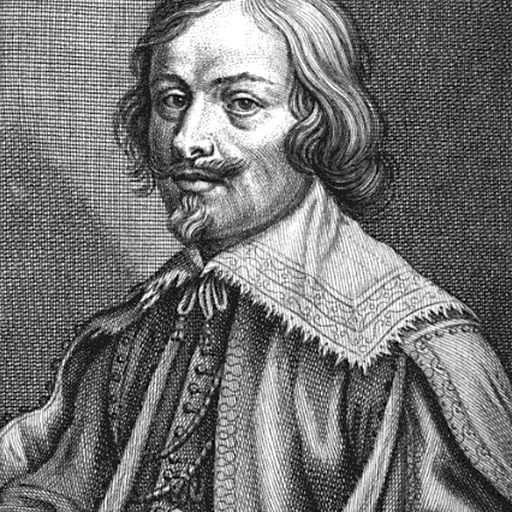
Artist
Jacques Callot was a baroque printmaker and draftsman from the Duchy of Lorraine.

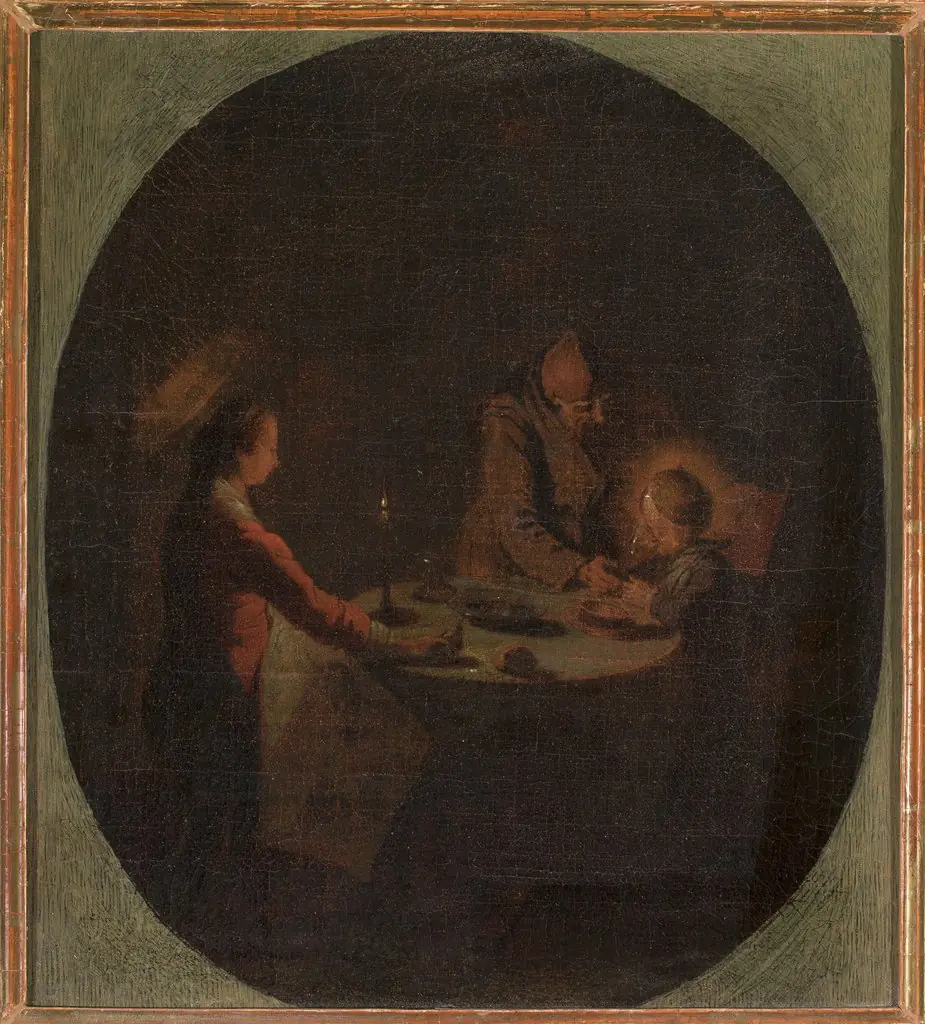 Holy Family at supper
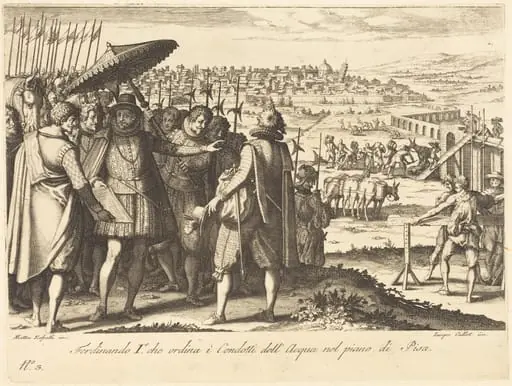 Restoration of the Aqueduct at Pisa
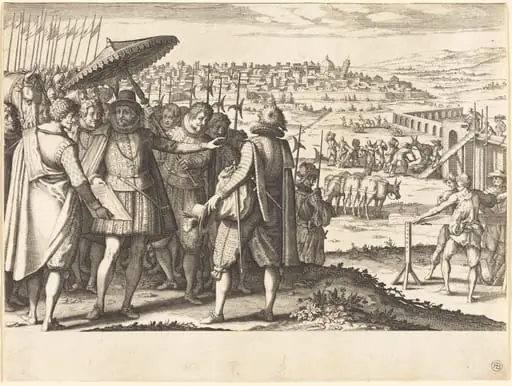 Restoration of the Aqueduct at Pisa
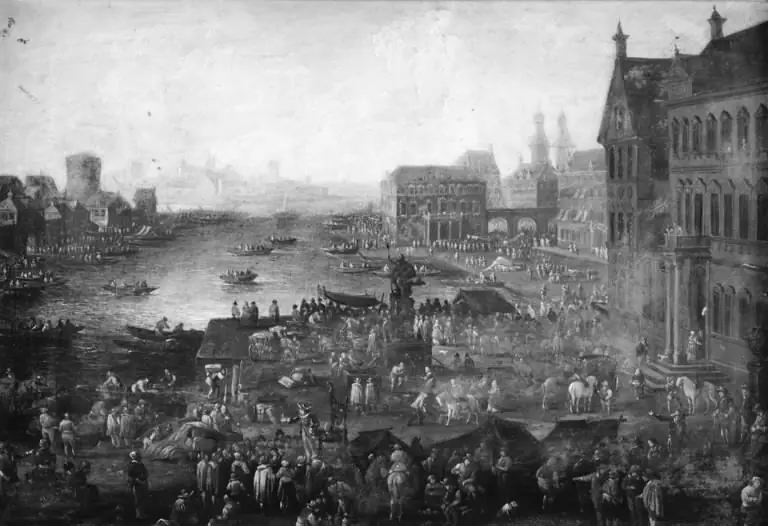 Square in Paris with Many Figures
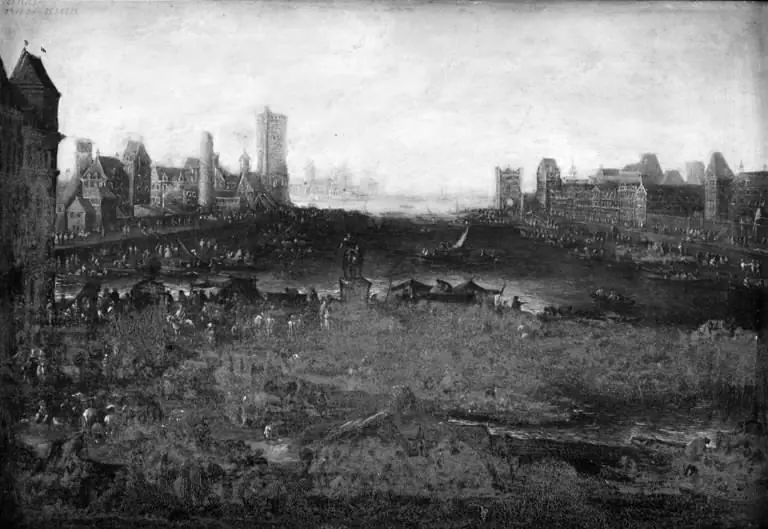 Square in Paris with Many Figures
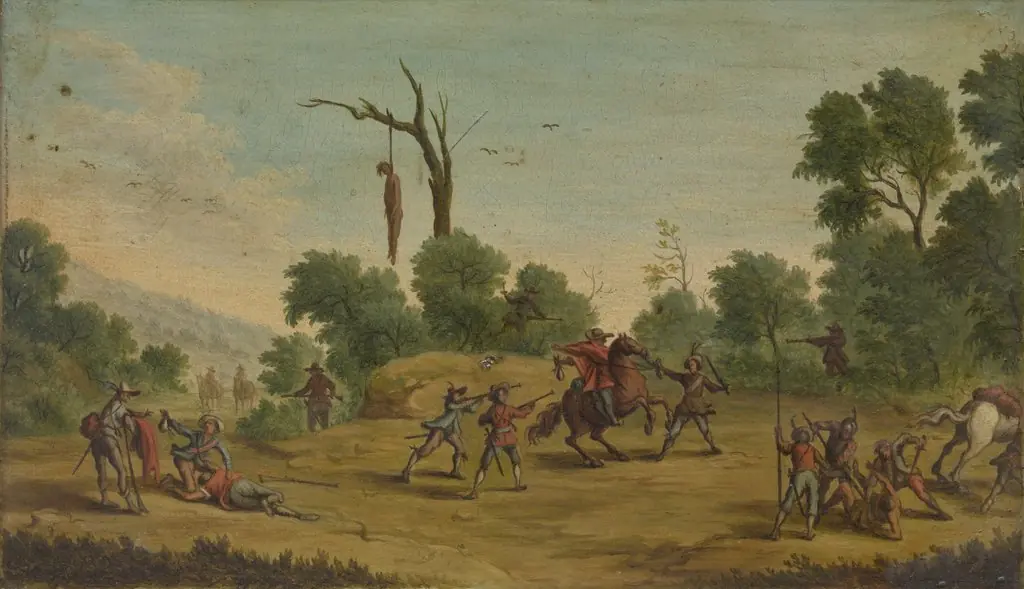 Horsemen Attacked by Robbers
 HOW WILL A COVERED PART BE CORRECTED?HOW WIKA A COVERED HEART DEED CORRECTED?
![Christ Walking on the Water [second plate], by Jacques Callot](https://artifactworldgallery.com/img/jacques-callot--christ-walking-on-the-water-second-plate--2069f3bfe4cb2126-w320.webp) Christ Walking on the Water [second plate]
Christ Walking on the Water [second plate]
 The Beggars: Beggar on Crutches with a Bag
 The Beggars: Beggar on Crutches, Wearing a Hat
 Beggar with Crutches and Cap
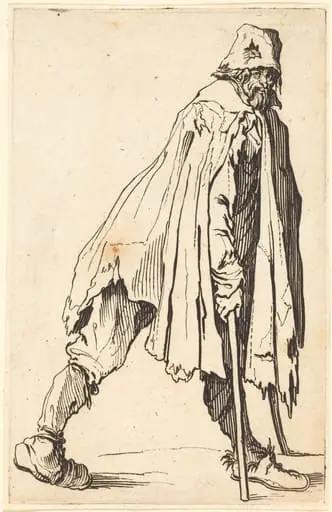 Beggar with Crutches and Cap
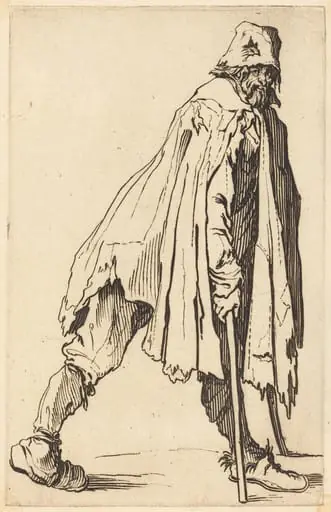 Beggar with Crutches and Cap
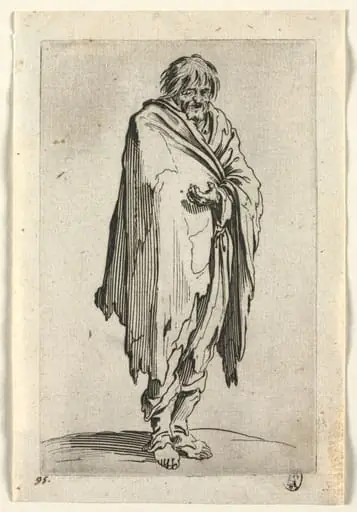 The Beggars: Beggar without Hat or Shoes
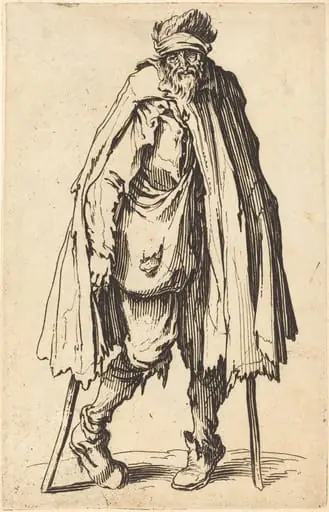 Beggar with Crutches and Sack
 Beggar with Crutches and Sack
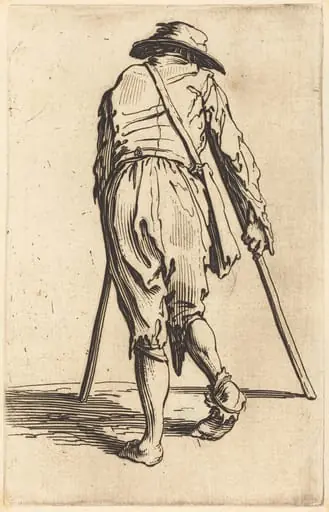 Beggar with Crutches and Hat, Back View
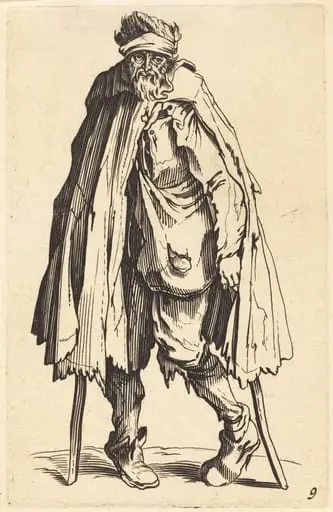 Beggar with Crutches and Sack
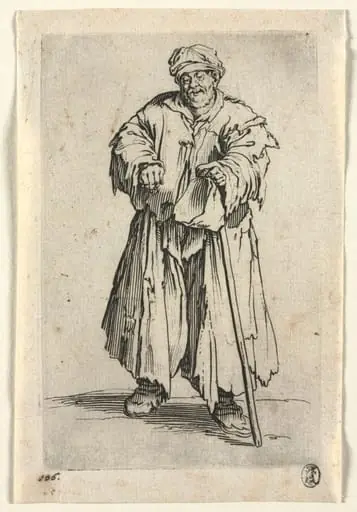 The Beggars: Obese Beggar with Lowered Eyes
 The Beggars: Old Beggar on One Single Crutch