Artwork
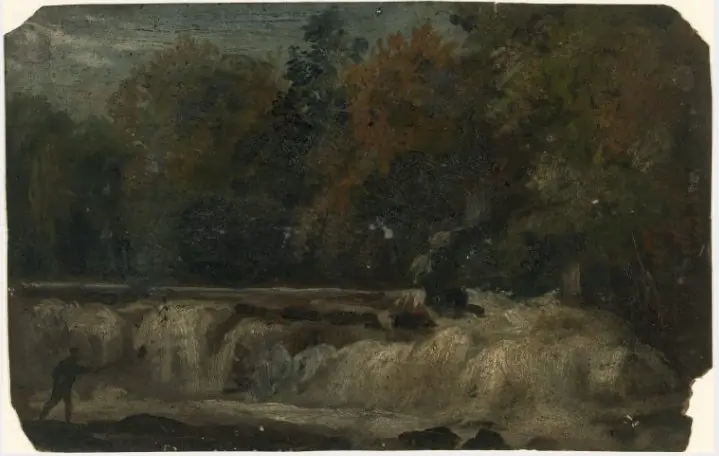
The Salmon Leap at Oughterard, County Galway
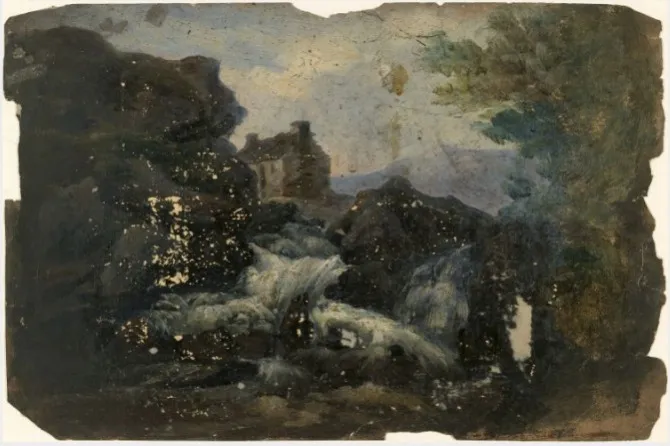
The Salmon Leap at Oughterard, County Galway is an unspecified painting by William Howis senior. It dates from 1869 and is held in the collection of the National Gallery of Ireland.
About this work
Overview
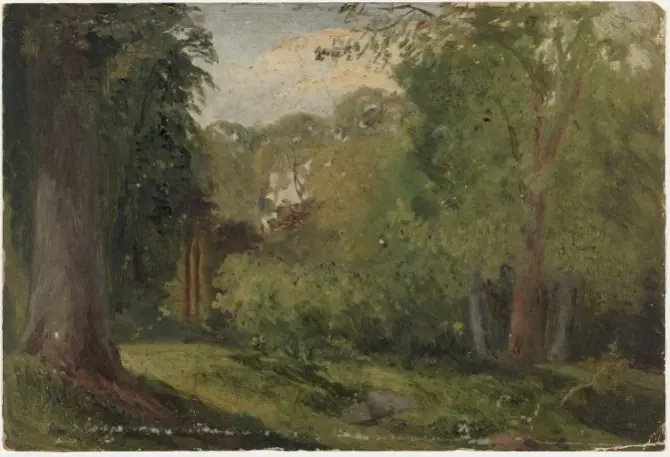
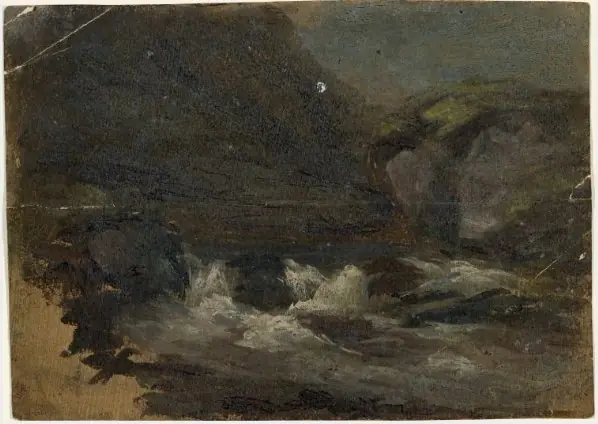
Painted in 1869 by William Howis senior, this work captures a quiet stretch of the River Corrib near Oughterard in County Galway. The scene centers on a natural cascade where water tumbles over moss-covered stones, framed by dense Irish woodland. The composition avoids dramatic action, instead emphasizing stillness and the subtle interplay of light across wet rock and leafy branches.
Subject & Meaning
The focus lies in the landscape itself — the flow of water, the texture of vegetation, and the distant hint of human habitation.
The painting presents a moment of natural continuity rather than a specific event. While the title references salmon leaping, no fish are visibly depicted. The focus lies in the landscape itself — the flow of water, the texture of vegetation, and the distant hint of human habitation. It reflects a 19th-century appreciation for unspoiled Irish scenery, valued for its quiet dignity rather than its grandeur.
Technique & Style
Howis employed a restrained palette of greens, greys, and muted blues to convey the damp, shaded environment. Brushwork is precise yet soft, with careful attention to the reflective surfaces of water and the layered foliage. Light filters through the canopy in diffuse patches, enhancing the sense of depth without theatrical contrast. The style aligns with topographical realism, prioritizing observational accuracy over emotional intensity.
History & Provenance
The painting entered the collection of the National Gallery of Ireland in the late 19th century, likely through donation or acquisition from the artist’s estate. Howis, a Dublin-based artist known for landscapes and topographical views, produced numerous works of Irish scenery during this period. This piece remains one of the few documented examples of his outdoor studies from the Galway region.
Context
Created during a time when Irish landscapes were increasingly documented by local artists, the painting reflects a growing cultural interest in native scenery amid political and social change. Unlike romanticized depictions of the Highlands, Howis’s approach is understated, aligning with the emerging preference for truthful representation over idealization in mid-Victorian Irish art.
Legacy
Though not widely exhibited beyond institutional collections, the work contributes to a body of 19th-century Irish landscape painting that prioritized local authenticity. It stands as a quiet record of a specific place at a particular moment, valued today for its unembellished observation and its role in preserving the visual character of rural Galway before widespread modernization.
Artist & collection

 Delphi, County Mayo
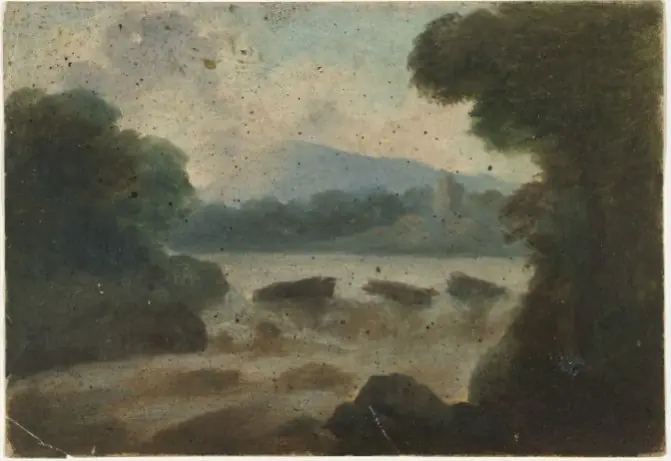 River Falls with Distant Ruin
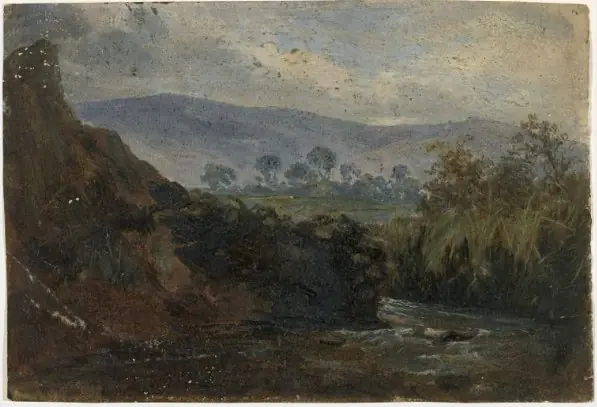 A Stream near Mountains
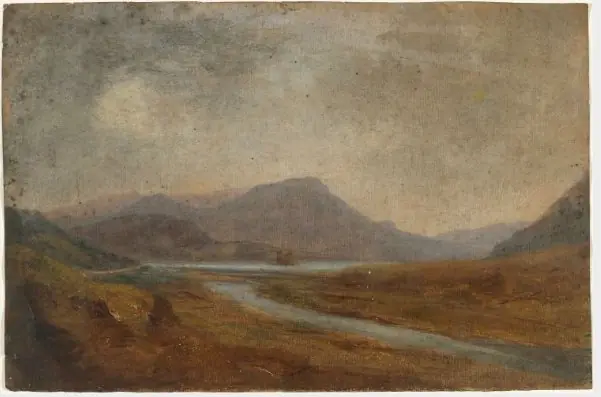 Hen's Castle, Lough Corrib, County Galway
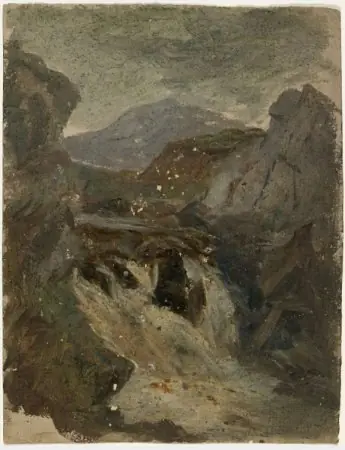 County Donegal Landscape
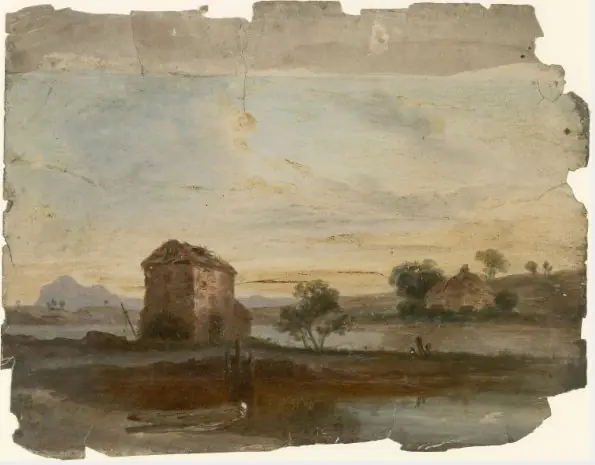 Mill and Cottage
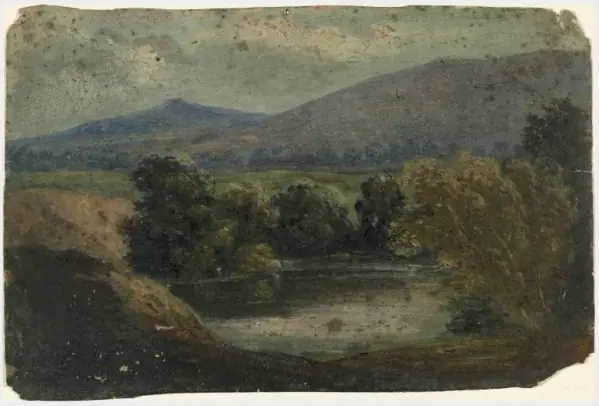 Pool against Mountains
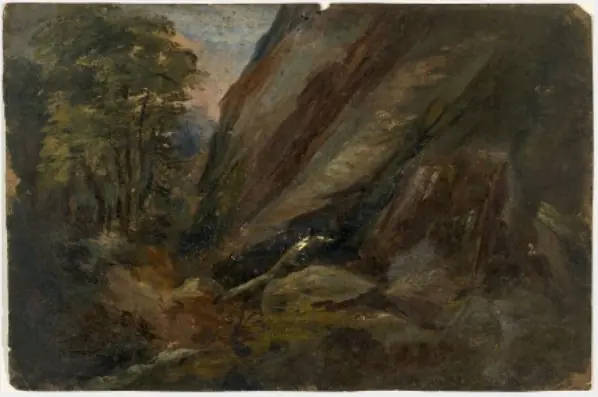 Rocky Ravine
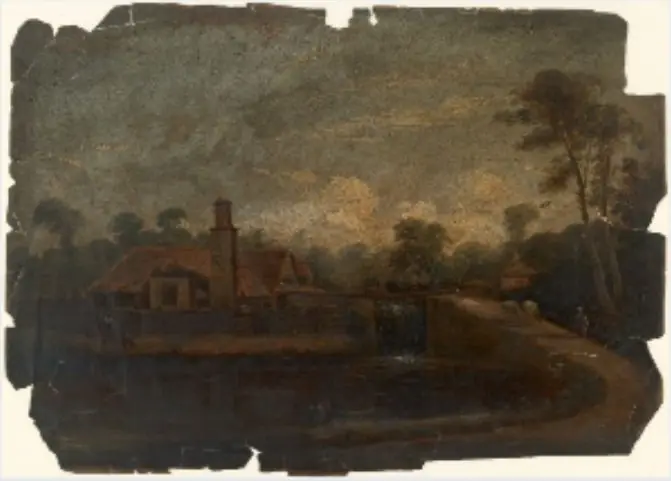 Lock Gates on a Canal
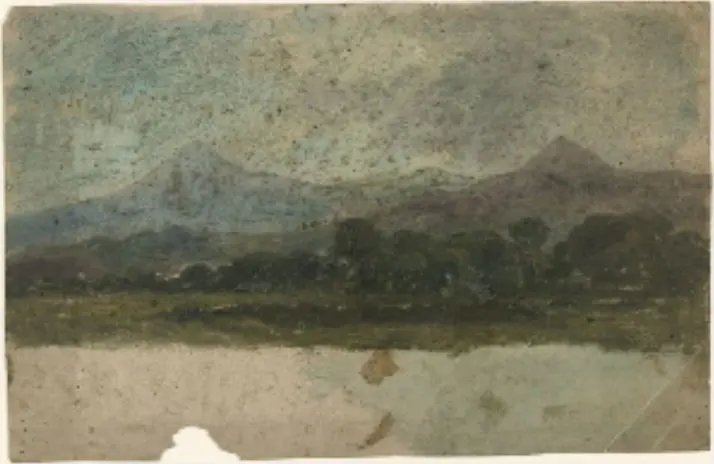 The Great and Little Sugarloaf Mountains, County Wicklow
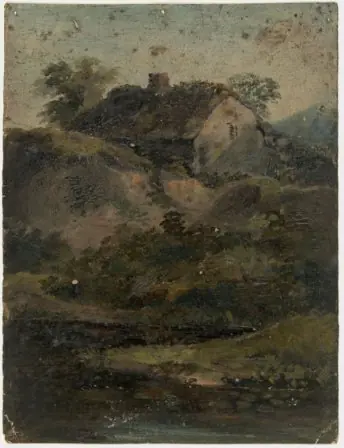 Country Scene with Cottage
 The Salmon Leap, Leixlip, County Kildare