Artwork
Study on Upper Saranac Lake
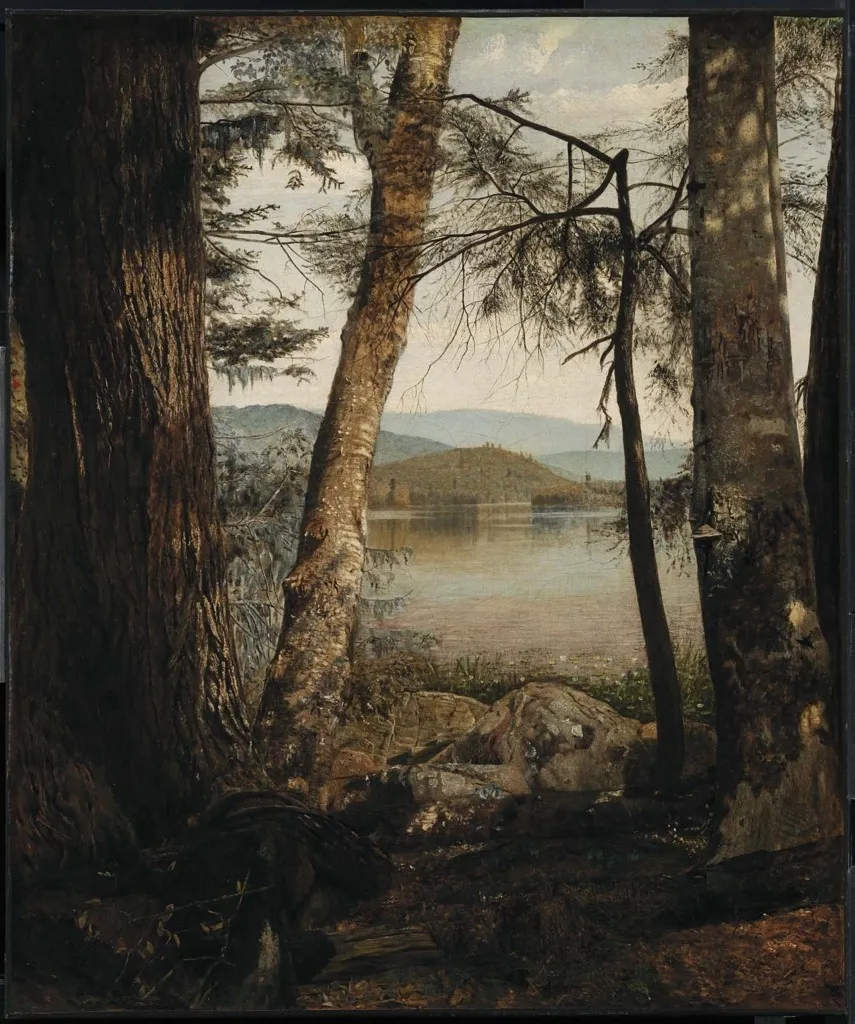
Study on Upper Saranac Lake is an oil painting by the Hudson River School artist William James Stillman. It dates from 1854 and is held in the collection of the Museum of Fine Arts Boston.
About this work
The overall effect is one of tranquility and beauty, inviting the viewer to step into the peaceful world of the painting.
This painting depicts a serene lake scene, with a few trees in the foreground and a mountain range in the distance. The trees are tall and slender, with branches that stretch out towards the viewer. The lake is calm and peaceful, reflecting the colors of the sky above.
In the foreground, there are some rocks and grasses that add texture and depth to the painting. The overall effect is one of tranquility and beauty, inviting the viewer to step into the peaceful world of the painting.
For more information on the artist's use of chiaroscuro, look up William James Stillman (American, 1828–1901).
Overview
Painted in 1854, *Study on Upper Saranac Lake* is an oil on canvas work by William James Stillman, an American artist who later became known for journalism and diplomacy. The piece captures a quiet lakeside scene in the Adirondacks, aligning with the Hudson River School’s focus on detailed, unidealized natural landscapes. Stillman’s early training as a painter preceded his career shift, and this work represents one of his formative artistic efforts before he turned to reporting and public service.
Subject & Meaning
The painting presents a tranquil view of Upper Saranac Lake, framed by slender trees in the foreground and distant mountain ridges. The still water mirrors the sky, reinforcing a sense of calm and introspection. Rocks and low vegetation add tactile detail, grounding the scene in observed reality. Rather than dramatizing nature, Stillman invites quiet contemplation, reflecting the Hudson River School’s reverence for the American wilderness as a space of moral and aesthetic clarity.
Technique & Style
Stillman employed oil paint with careful attention to atmospheric perspective and subtle tonal shifts. The brushwork is precise yet unobtrusive, allowing natural forms to emerge through layered glazes and soft transitions between light and shadow. Chiaroscuro is used sparingly to define the contours of trees and rocks, enhancing depth without theatrical contrast. The composition follows a horizontal rhythm, guiding the eye from foreground textures to the hazy horizon, characteristic of Hudson River School landscape conventions.
History & Provenance
Created during Stillman’s early artistic period, the painting remained in private hands until entering the Museum of Fine Arts, Boston’s collection. Its preservation reflects its significance as an early example of American landscape painting by an artist who later gained prominence in other fields. The work’s survival offers insight into Stillman’s development as a visual observer before his transition to journalism and diplomatic service in Europe.
Context
Painted in 1854, the work emerged during the height of the Hudson River School’s influence, when American artists sought to define a national identity through depictions of untouched wilderness. Stillman’s scene aligns with contemporaries like Thomas Cole and Frederic Church, though his approach is more restrained. The Adirondacks, then less visited than the Catskills or Hudson Valley, were gaining attention as sites of natural purity, appealing to artists and intellectuals seeking respite from industrialization.
Legacy
Though Stillman is better remembered for his later career in journalism and diplomacy, *Study on Upper Saranac Lake* remains a quiet testament to his early artistic sensibility. It contributes to the broader understanding of how Hudson River School ideals were interpreted by artists who, like Stillman, moved between creative and intellectual pursuits. The painting endures as a modest but authentic record of 19th-century American landscape observation.
Artist & collection
Artist
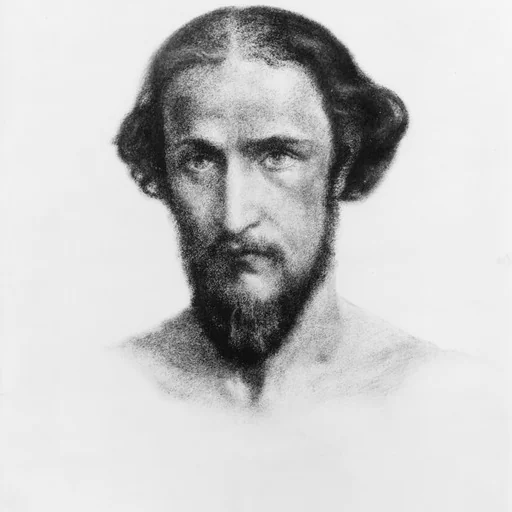
William James Stillman (June 1, 1828 – July 6, 1901) was an American journalist, diplomat, author, historian, and photographer.

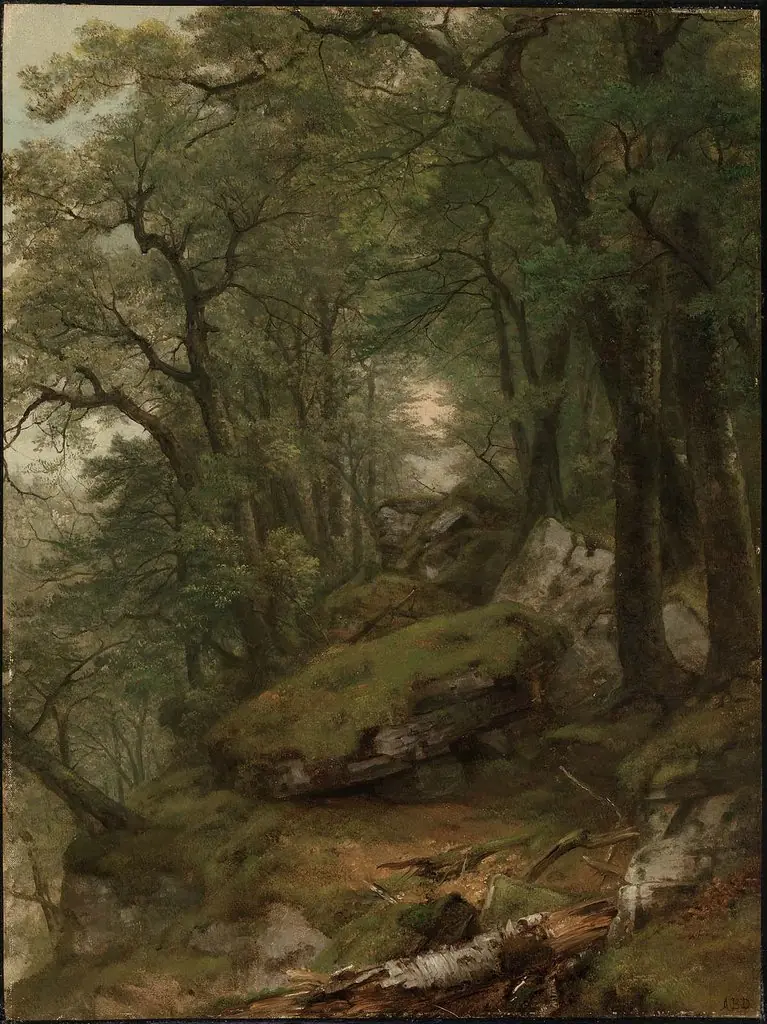 Woodland Interior
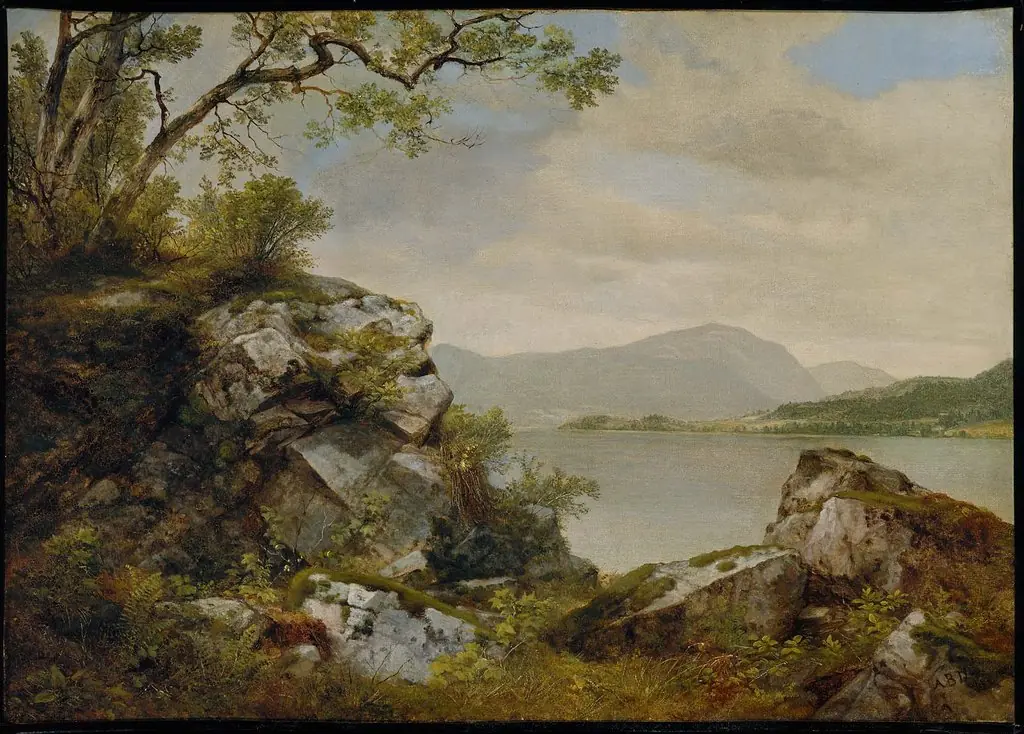 Lake George, New York
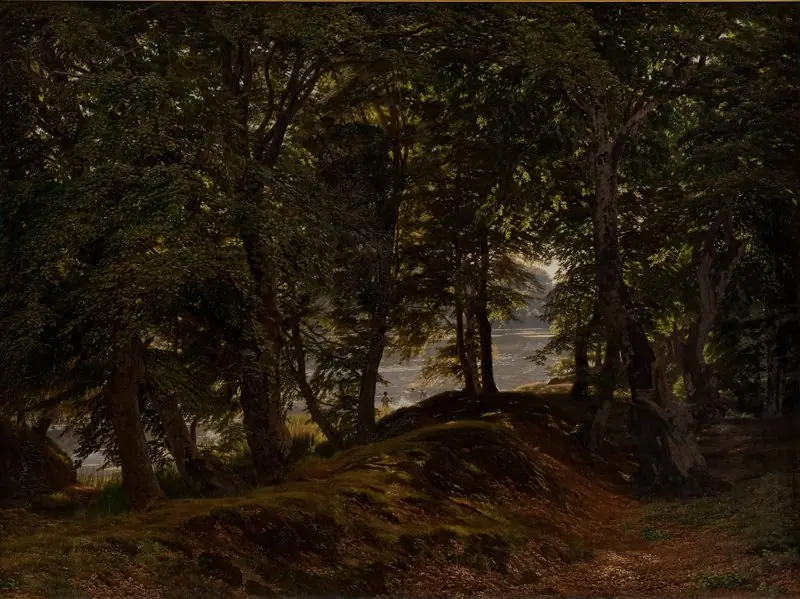 Et skyggefuldt sted i Hestehave ved Frederiksborg
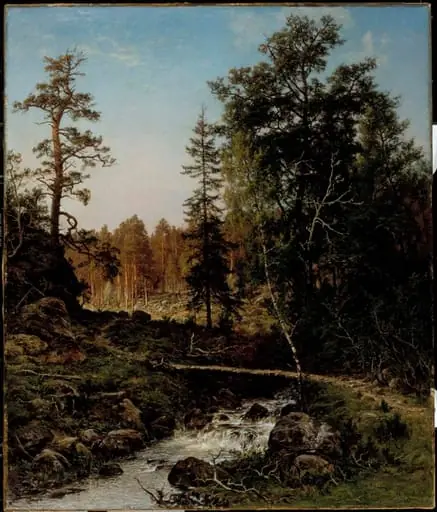 Metsämaisema Hauholta
 Lake Tahoe, California
 Evening at Saint-Privé
 Stream in the Forest near Plombières
 Landscape with Birches
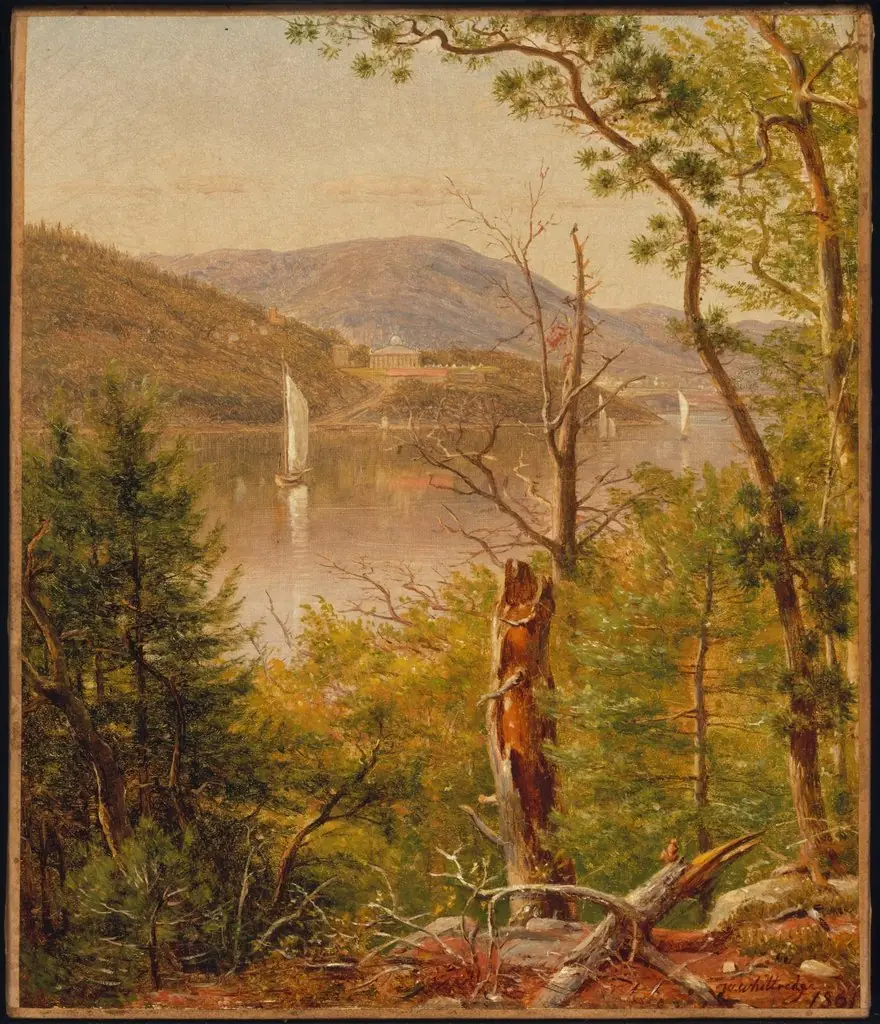 View of West Point on the Hudson
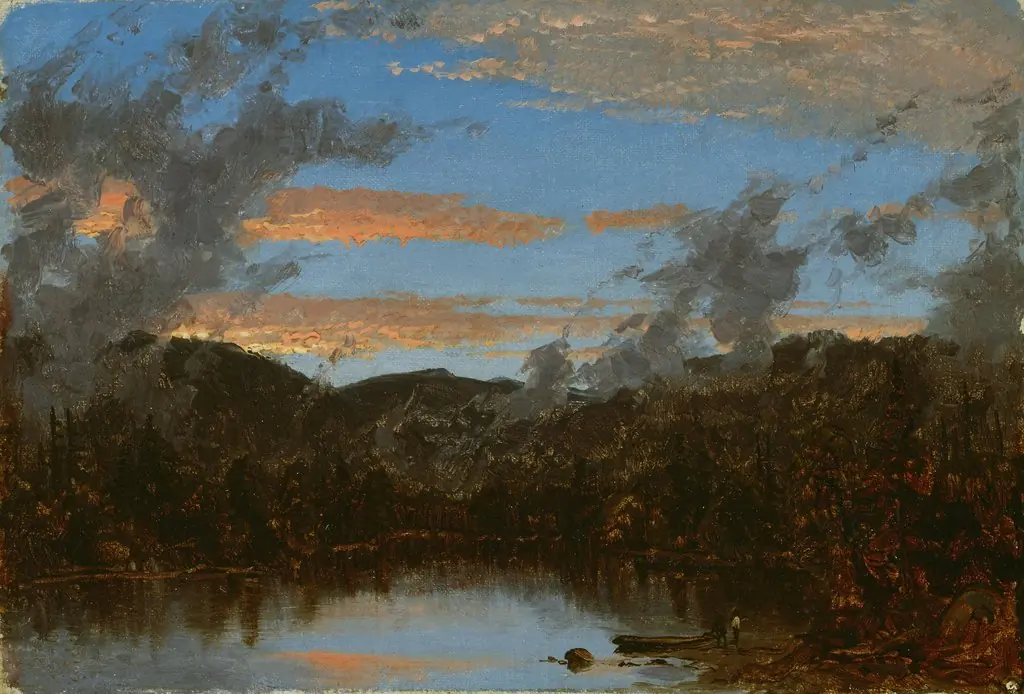 Mist Rising at Sunset in the Catskills
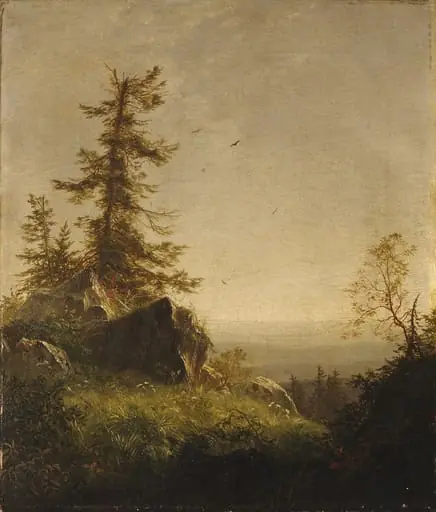 Morning on the Mountain
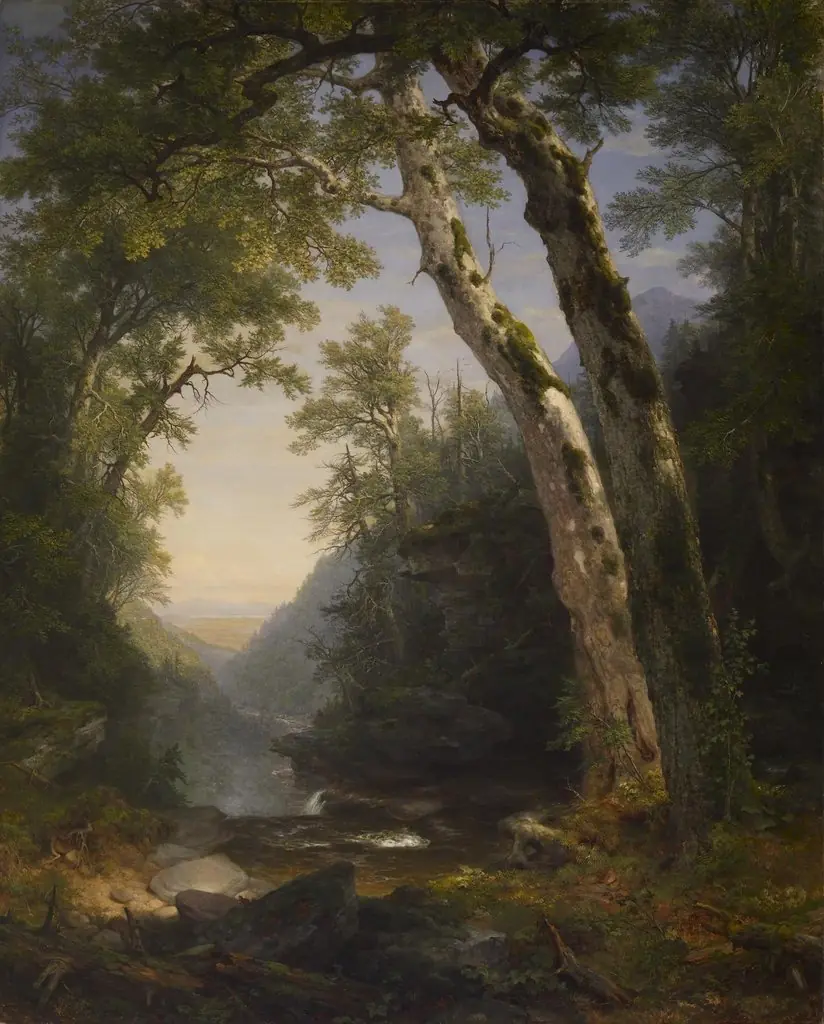 The Catskills