Artwork
Western Portico of the Parthenon
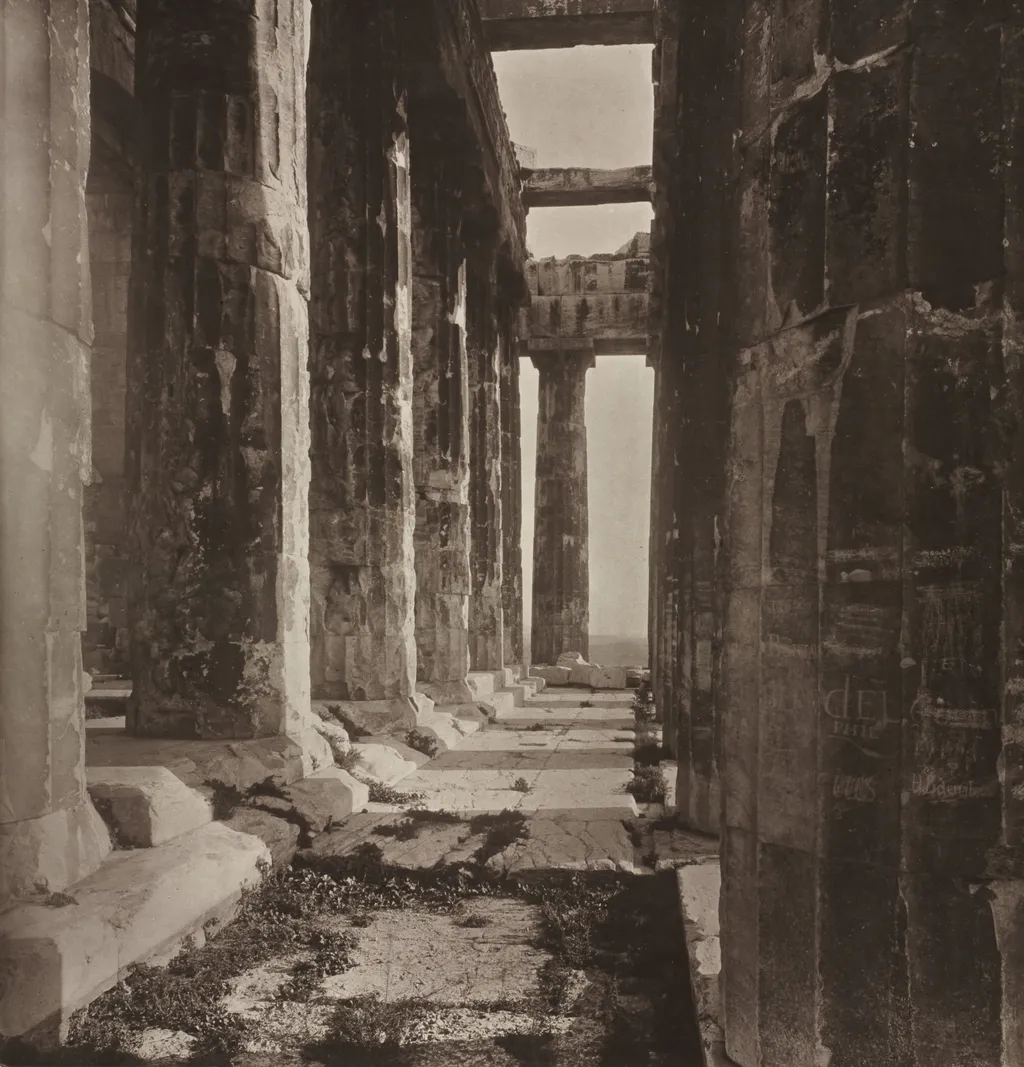
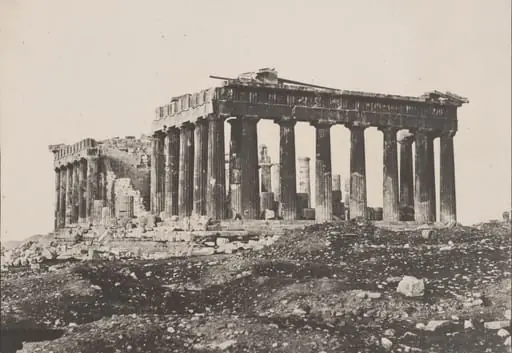
Western Portico of the Parthenon is a photography by the Impressionist artist William James Stillman. It dates from 1882 and is held in the collection of the Cleveland Museum of Art. Taken in 1882, this photograph captures the western entrance of the Parthenon on the Athenian Acropolis.
About this work
Overview
The image reflects his interest in documenting ancient sites through photography, blending documentary precision with a quiet sense of decay and time.
Taken in 1882, this photograph captures the western entrance of the Parthenon on the Athenian Acropolis. It was made by William James Stillman, an American with backgrounds in art and journalism, who later served as a U.S. diplomat in the Mediterranean. The image reflects his interest in documenting ancient sites through photography, blending documentary precision with a quiet sense of decay and time.
Subject & Meaning
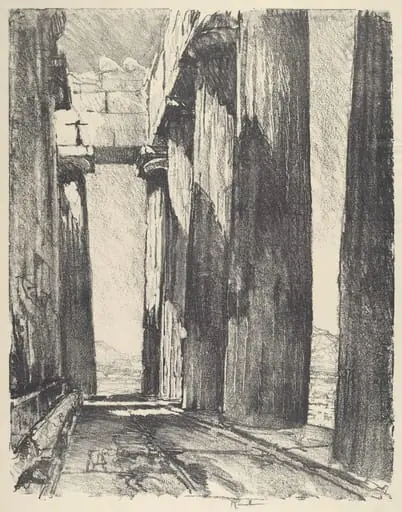
The photograph focuses on the western portico, the original entrance to the Parthenon, framed by standing columns and a distant opening to the sky. The uneven stone floor, scattered debris, and weathered surfaces suggest centuries of exposure and neglect. The strong contrast between shadowed stonework and the bright exit evokes a passage through time, emphasizing the temple’s endurance amid erosion and human change.
Technique & Style
Stillman used large-format film and natural light to record the scene with high detail and tonal depth. The composition draws the eye along the axis of the portico, using the play of light and shadow to highlight texture and scale. The absence of figures enhances the sense of solitude and antiquity, aligning with 19th-century photographic practices that favored atmospheric realism over staged drama.
History & Provenance
Stillman made this image during his time as U.S. consul in Rome, when he traveled extensively across Greece to photograph classical ruins. The photograph entered the collection of The Cleveland Museum of Art, where it remains as part of a broader archive of 19th-century photographic documentation of Mediterranean heritage sites, reflecting early efforts to preserve visual records of endangered monuments.
Context
In the late 19th century, European and American travelers increasingly turned to photography to record ancient sites threatened by urban expansion, tourism, and political instability. Stillman’s work contributed to a growing scholarly interest in the Parthenon’s physical condition, offering visual evidence for archaeologists and historians at a time when systematic documentation was still emerging as a discipline.
Legacy
Stillman’s photograph stands as an early example of architectural photography that prioritized authenticity over idealization. It influenced later efforts to document cultural heritage through objective imagery, helping to establish photography as a tool for historical preservation. The image continues to serve as a reference for studies of the Parthenon’s structural state in the late 1800s.
Artist & collection
Artist
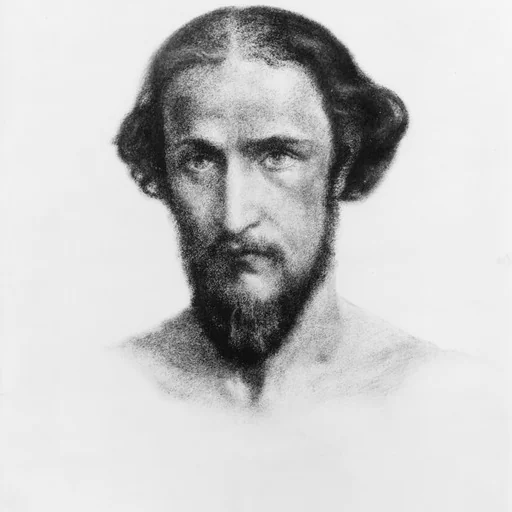
William James Stillman (June 1, 1828 – July 6, 1901) was an American journalist, diplomat, author, historian, and photographer.