Artwork
Niagara
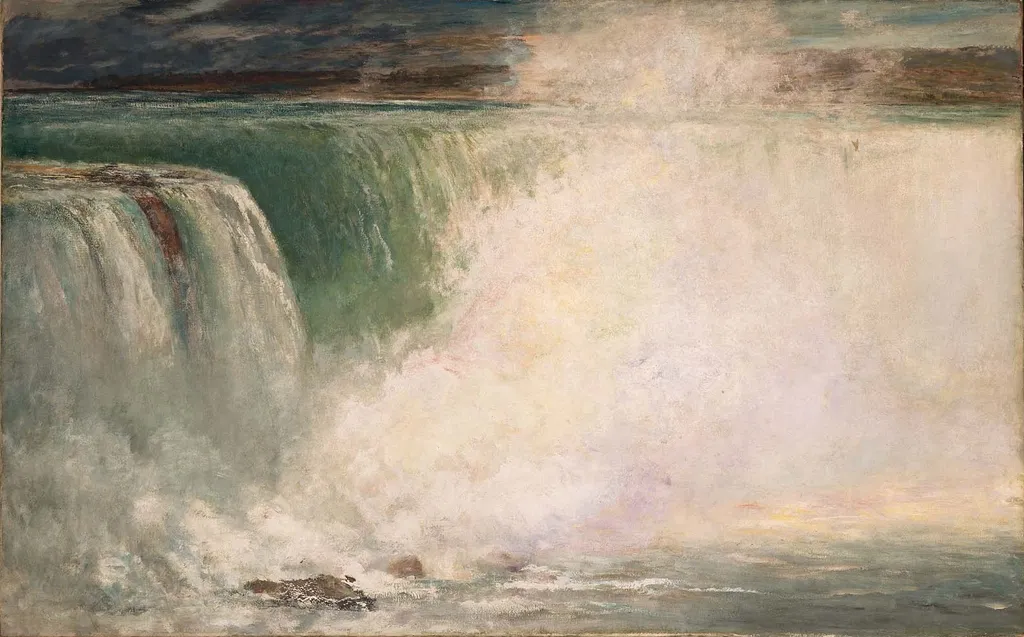
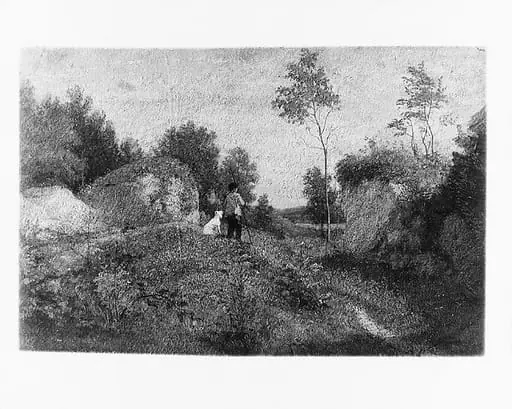
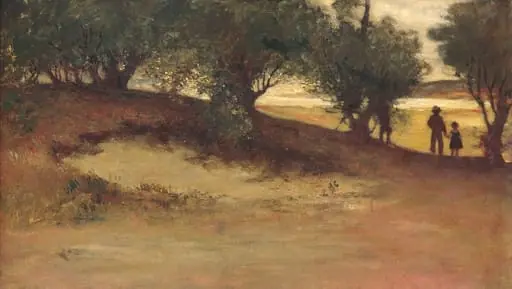
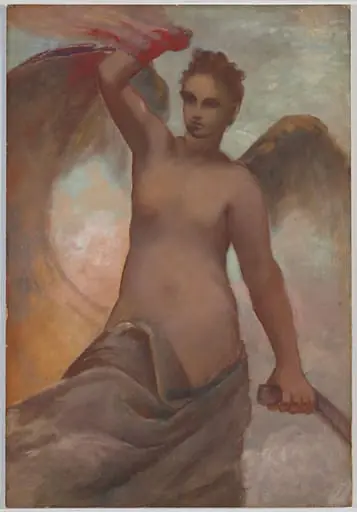
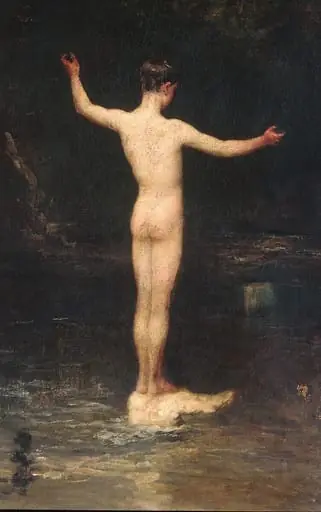
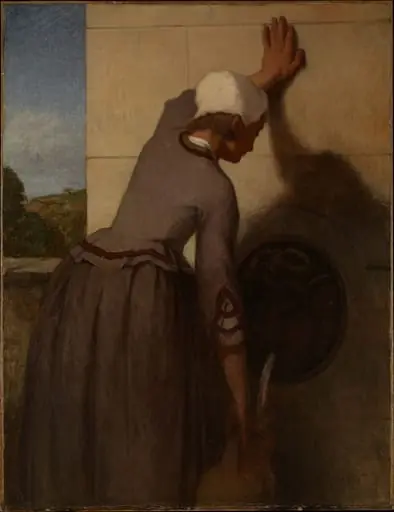
Niagara is an unspecified painting by the American Impressionist artist William Morris Hunt. It is held in the collection of the Museum of Fine Arts Boston.
About this work
Overview
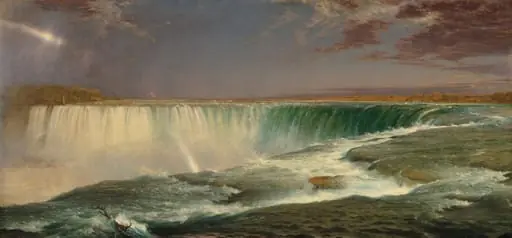
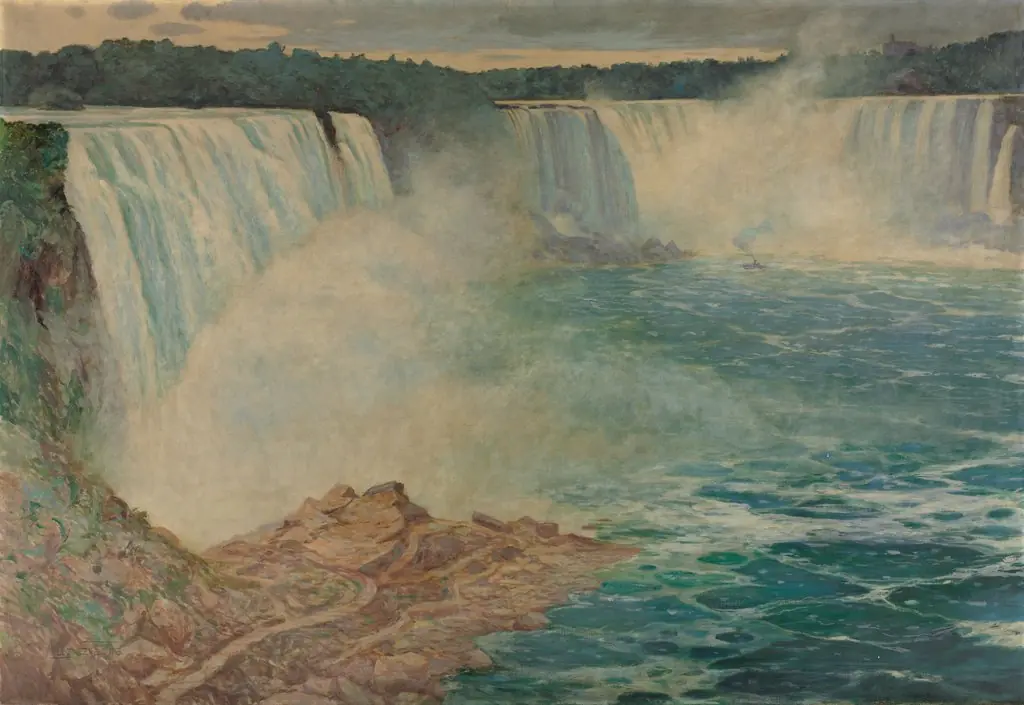
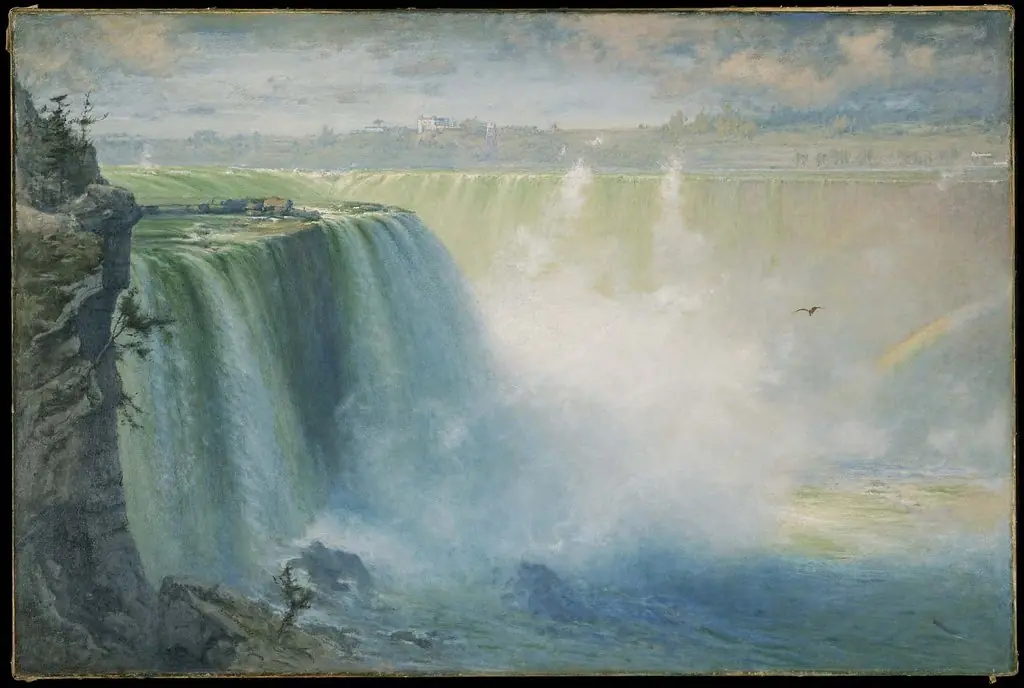
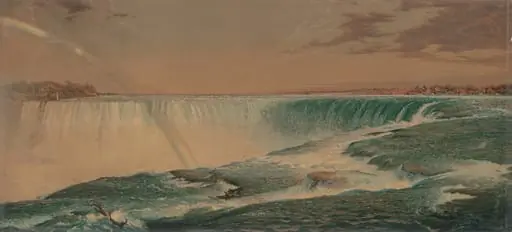
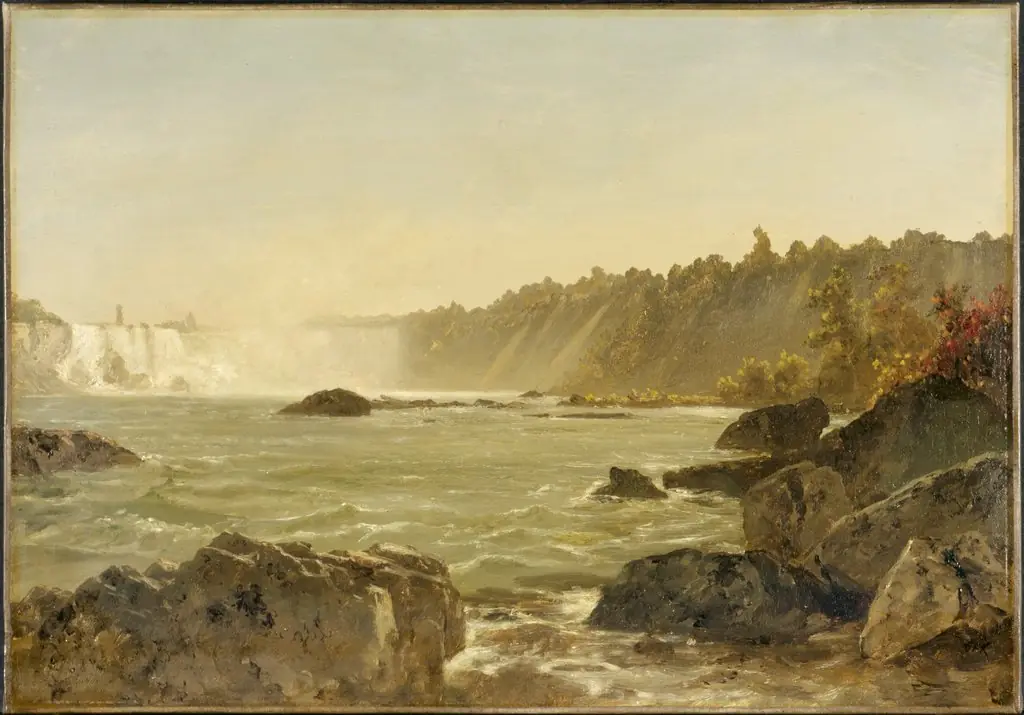
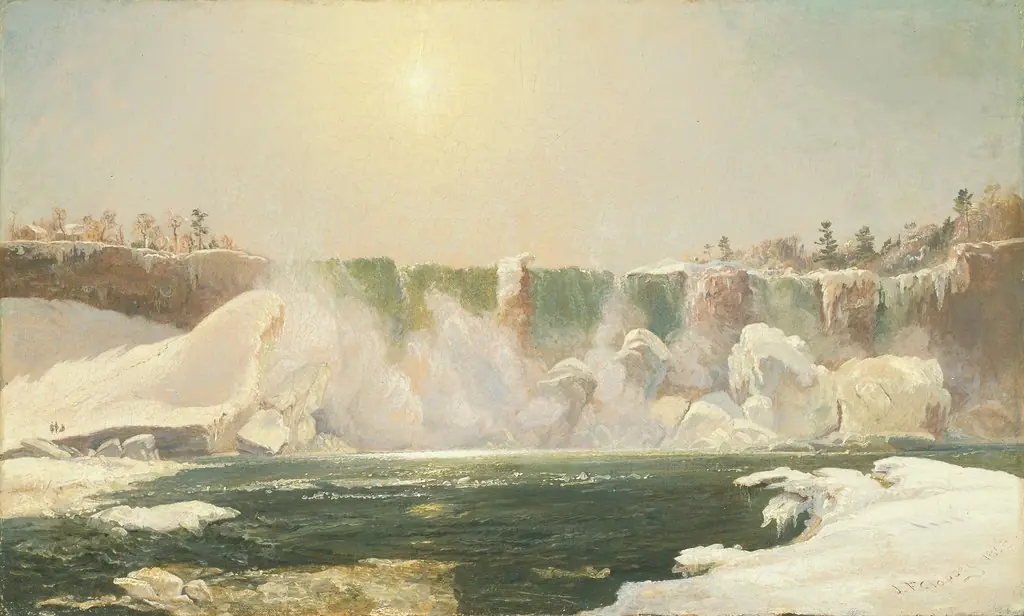
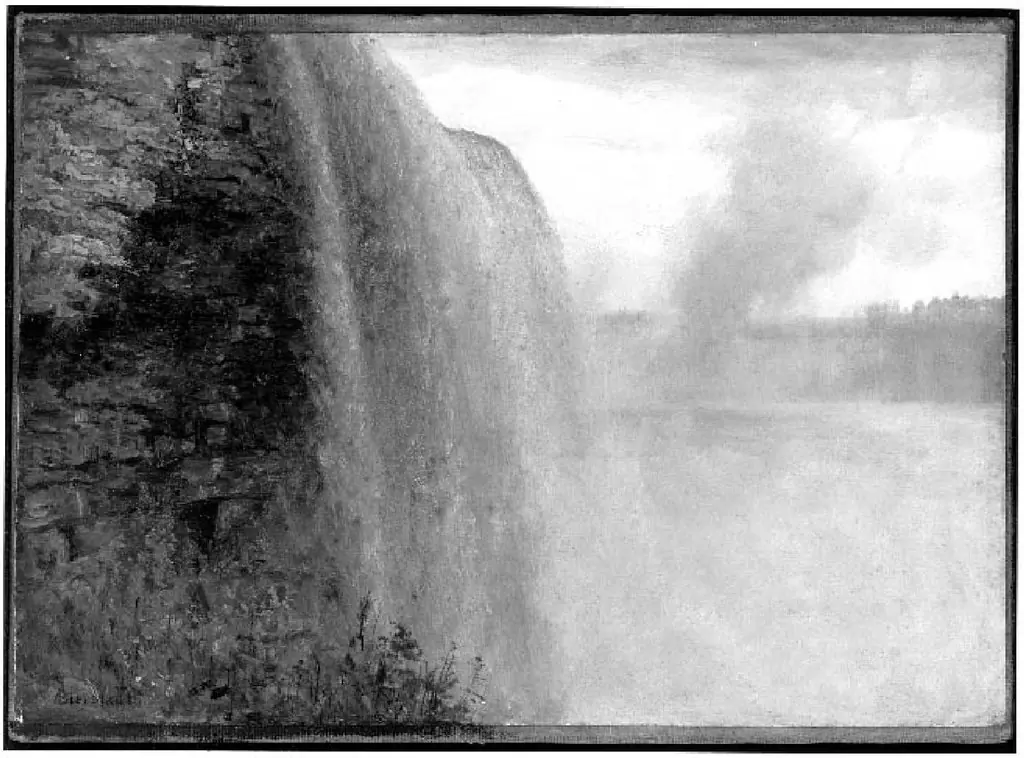
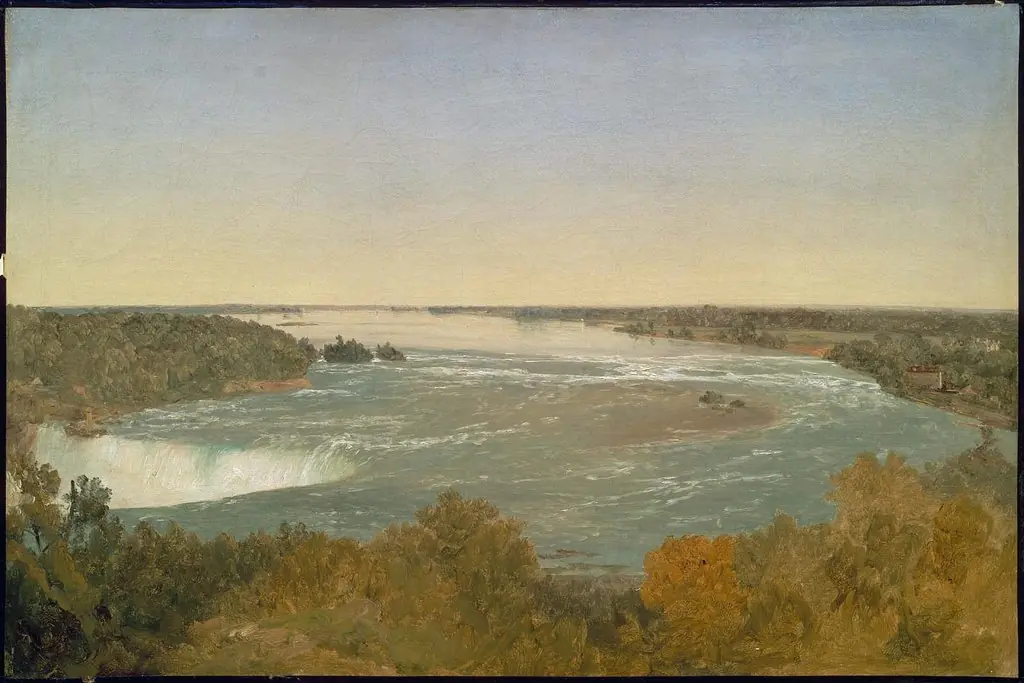
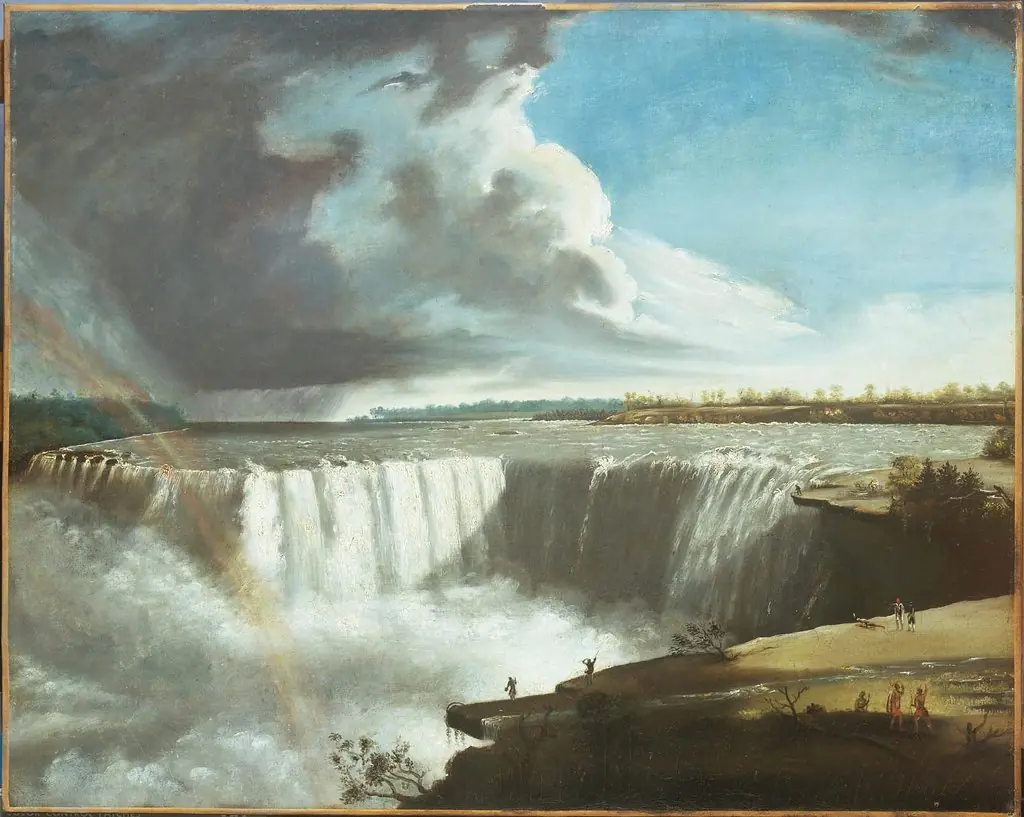
Created in 1890, this canvas presents a view of Niagara Falls rendered in the light‑filled language of American Impressionism. The work belongs to the collection of the Museum of Fine Arts in Boston and exemplifies the late‑19th‑century interest in dramatic natural scenery among American painters.
Subject & Meaning
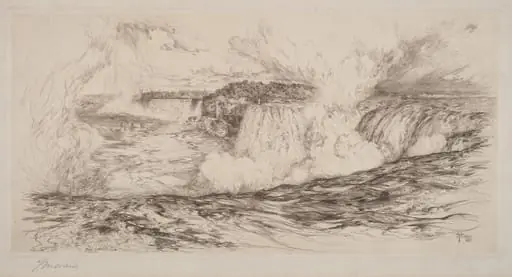
The composition centers on the powerful cascade of water tumbling over a rugged cliff, its spray forming a luminous veil that softens the surrounding rock. Beyond the falls, a muted landscape recedes, suggesting the vastness of the site while inviting contemplation of nature’s force and transience.
Technique & Style
Employing brisk, confident brushwork, the artist captures the interplay of light and atmosphere, allowing color to convey depth rather than precise detail. The palette shifts from cool blues in the water to warm earth tones in the cliffs, while the mist is suggested through softened, overlapping strokes that dissolve edges and create a sense of movement.
History & Provenance
The painter, an American artist who studied in Paris under Jean‑François Millet and was linked to the Barbizon circle, returned to Boston where he became a prominent landscape and portraitist. After its creation, the Niagara piece entered the Museum of Fine Arts, Boston, where it remains on view as part of the institution’s representation of late‑19th‑century American art.
Artist & collection
Artist
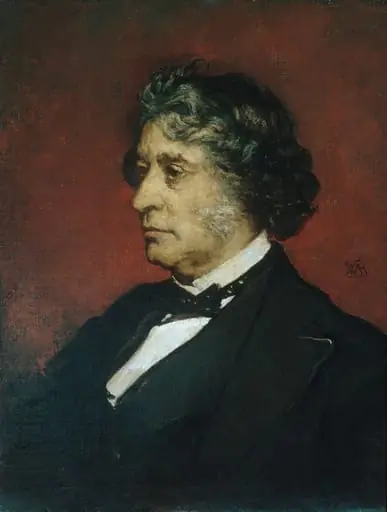
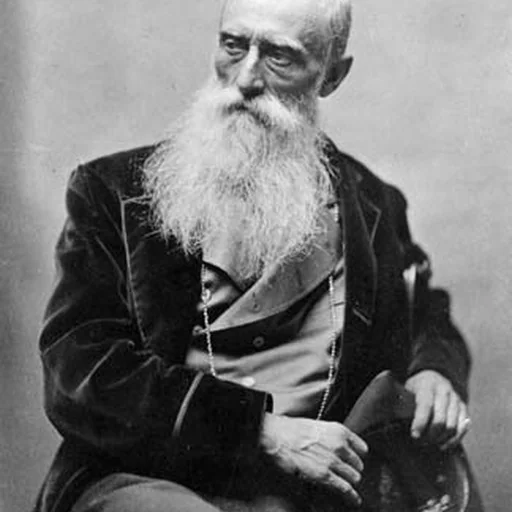
William Morris Hunt (March 31, 1824 – September 8, 1879) was an American painter.