Artwork
The Artist's Father
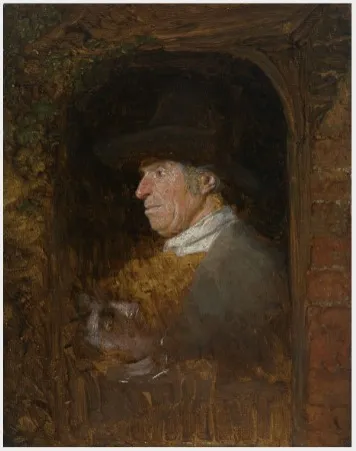
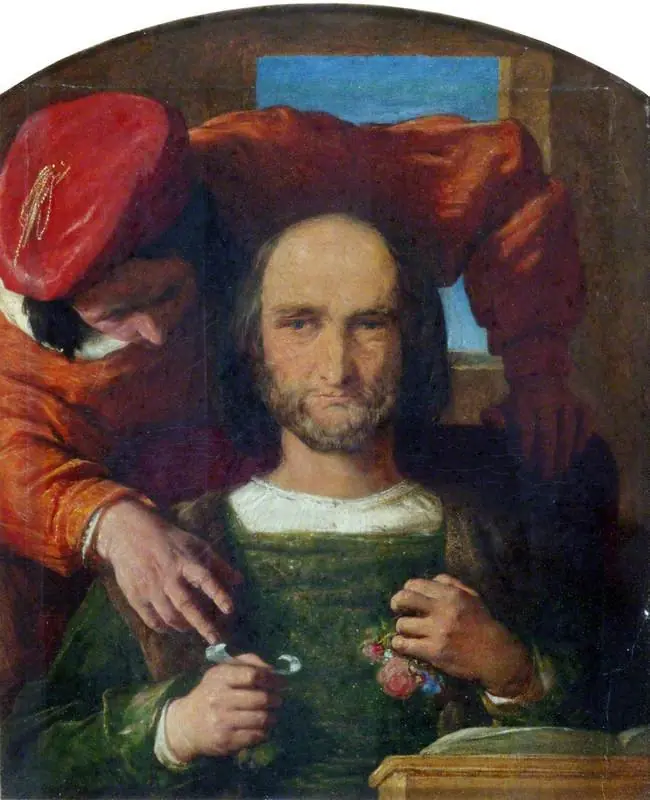
The Artist's Father is an unspecified painting by the Realist artist William Mulready. It dates from 1834 and is held in the collection of the National Gallery of Ireland.
About this work
Overview
Painted around 1834 by William Mulready, this portrait depicts a middle-aged man in profile, rendered with quiet precision. The work is part of the National Gallery of Ireland’s collection and stands as one of Mulready’s more restrained compositions, departing from his usual genre scenes. Its focus on a single figure in subdued tones suggests a personal rather than public intent.
Subject & Meaning
The absence of identifying objects or setting removes contextual clues, emphasizing internal state over external identity.
The figure is widely understood to be the artist’s father, though no definitive documentation confirms this. His serious expression, furrowed brow, and distant gaze convey introspection rather than narrative. The absence of identifying objects or setting removes contextual clues, emphasizing internal state over external identity. The portrait invites contemplation of character rather than circumstance.
Technique & Style
Mulready employs a limited palette dominated by dark tones, with subtle contrasts from the white shirt and yellow vest to define form. The brushwork is smooth and controlled, avoiding theatricality. The background is softly modeled, suggesting depth without detail, allowing the figure to emerge with quiet authority. The profile view enhances the sense of solitude and inward focus.
History & Provenance
The painting entered the National Gallery of Ireland’s collection in the 19th century, likely through direct acquisition or donation. Its early presence in the institution suggests it was recognized by contemporaries as a significant work, though it never achieved widespread public prominence. No records indicate it was exhibited publicly during Mulready’s lifetime.
Context
In the 1830s, British portraiture often emphasized social status or idealized likeness. Mulready’s approach here diverges, favoring psychological nuance over ornamentation. This work aligns with a quieter trend among artists of the period who turned inward, exploring familial and personal themes outside the conventions of academic portraiture.
Legacy
Though not widely reproduced or studied, the painting remains a compelling example of Mulready’s capacity for emotional restraint. It offers insight into the artist’s private world and reflects a broader 19th-century shift toward intimate, unadorned representation. Its endurance in the National Gallery of Ireland underscores its quiet significance within Irish and British art history.
Artist & collection
Artist
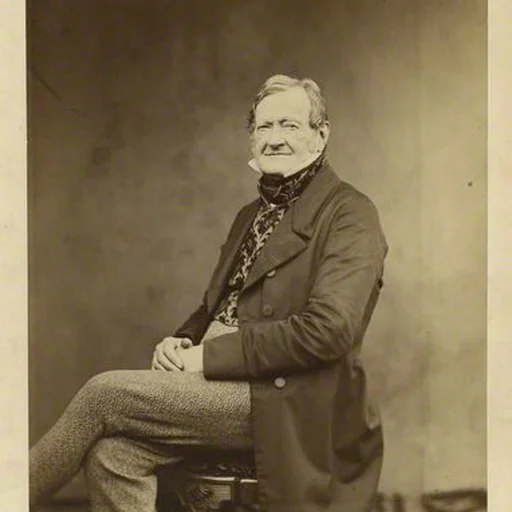
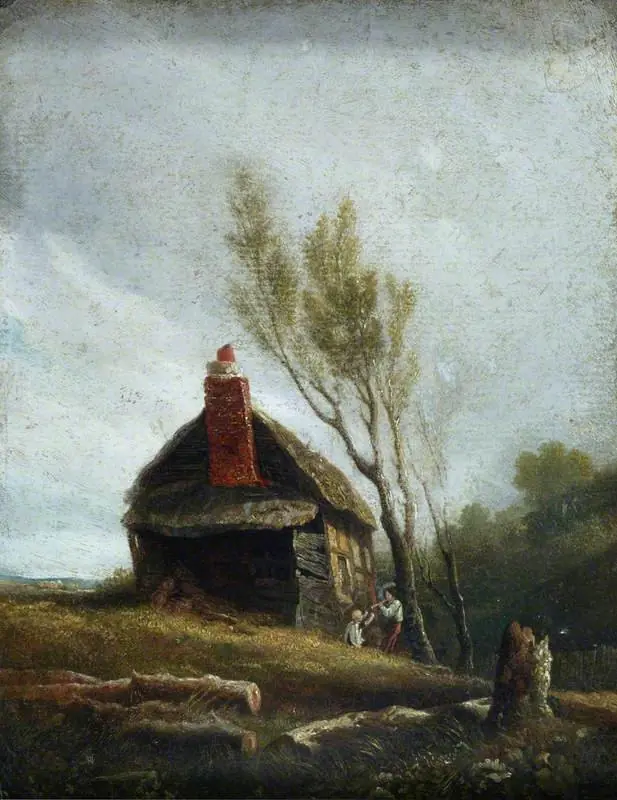
William Mulready was an Irish genre painter living in London. He is best known for his romanticising depictions of rural scenes, and for creating Mulready stationery letter sheets, issued at the same time as the Penny Black postage stamp.

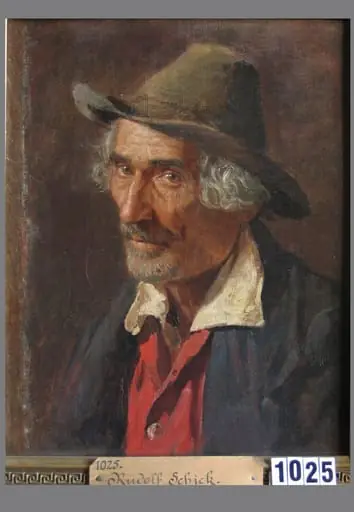 Țăran din Carrara. Pandant: Bătrân din Ciociara (în registrul inventar: Un bătrân)
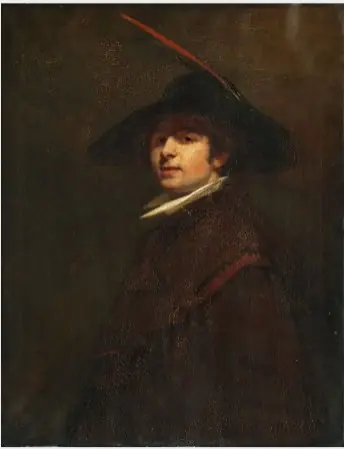 'The Masquerader' (A Self-Portrait)
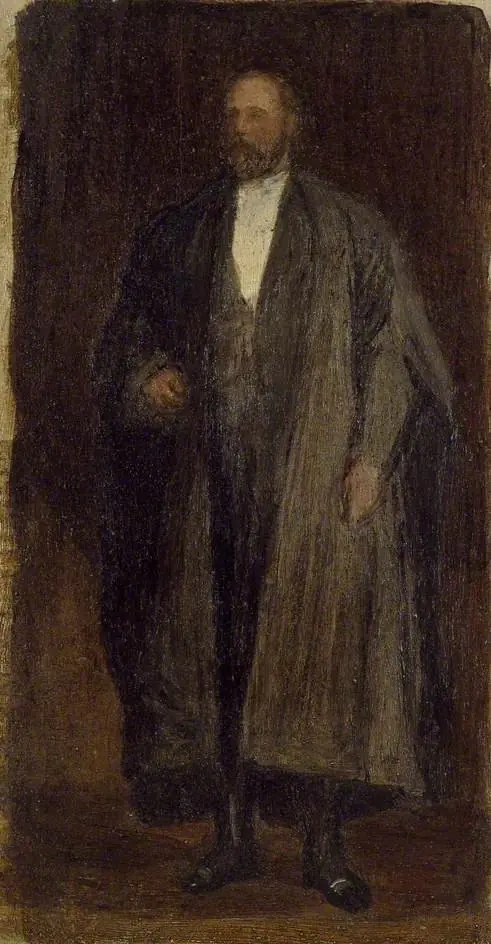 Edward VII as Prince of Wales
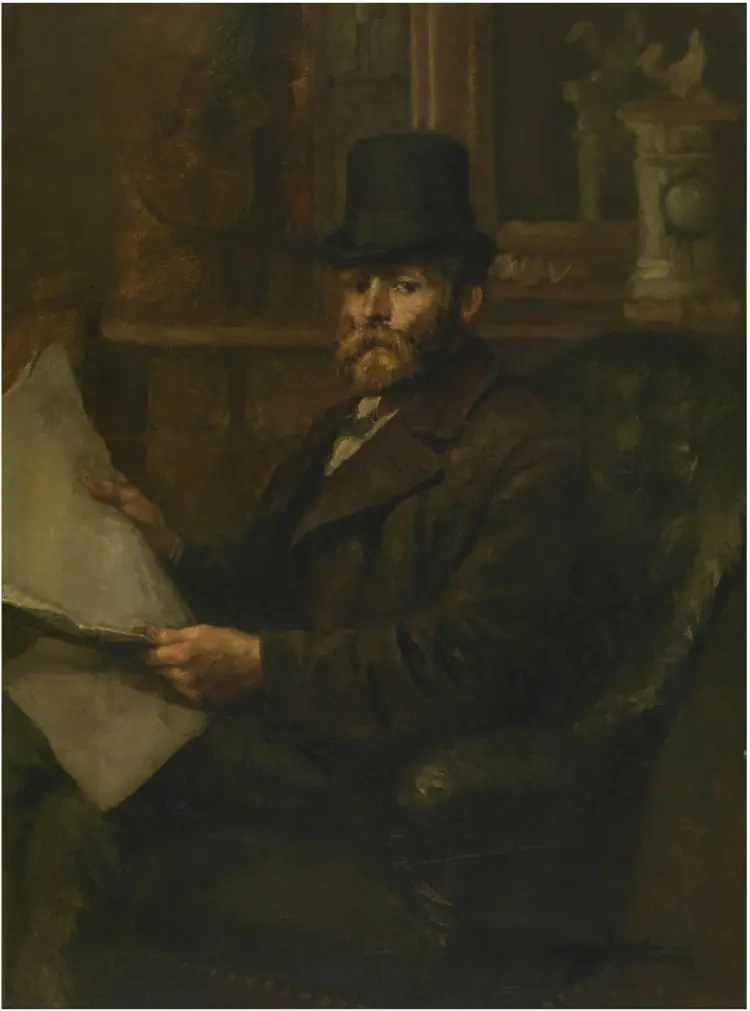 The sculptor Robert Fabri
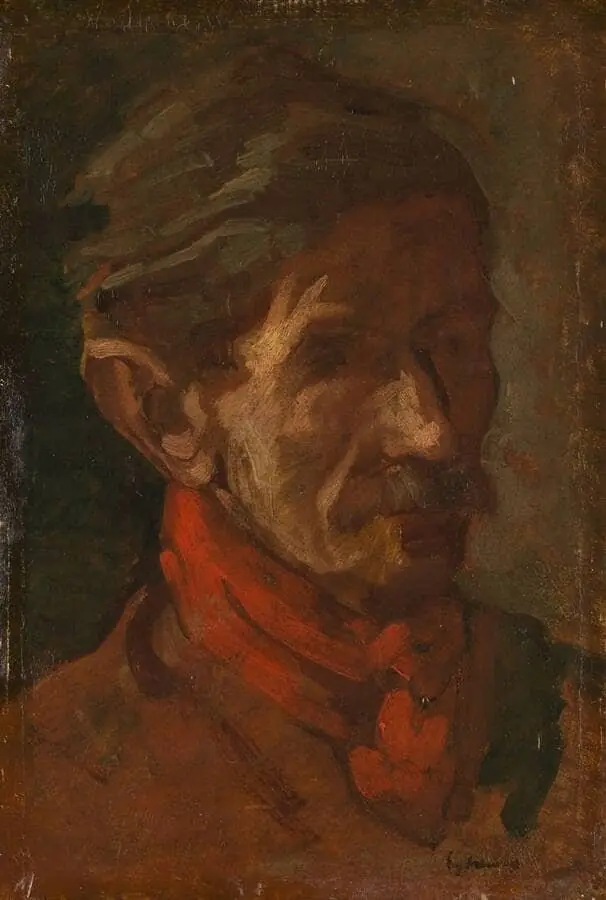 Studiekop van een blinde man
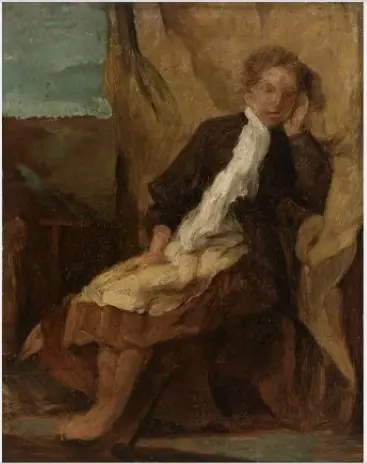 Miss Katharine Tynan (1861-1931), Poet and Novelist
 Autoportret cu beretă roșie
 Portrait of Jack Joyce
 Bătrân
 Portret de bătrân
 Garlic Seller
 Autoportret în costum tirolez (în registrul inventar: Bătrân cu barbă mare)