Artwork
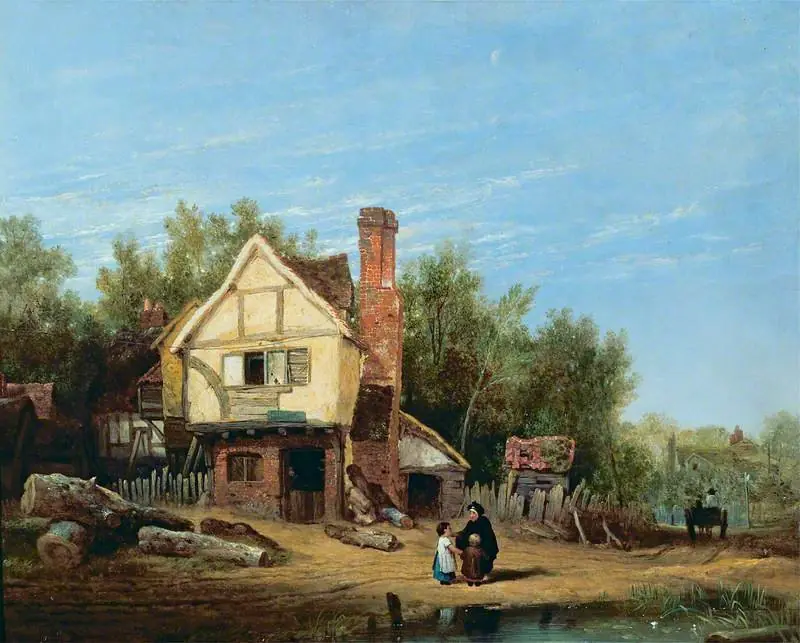
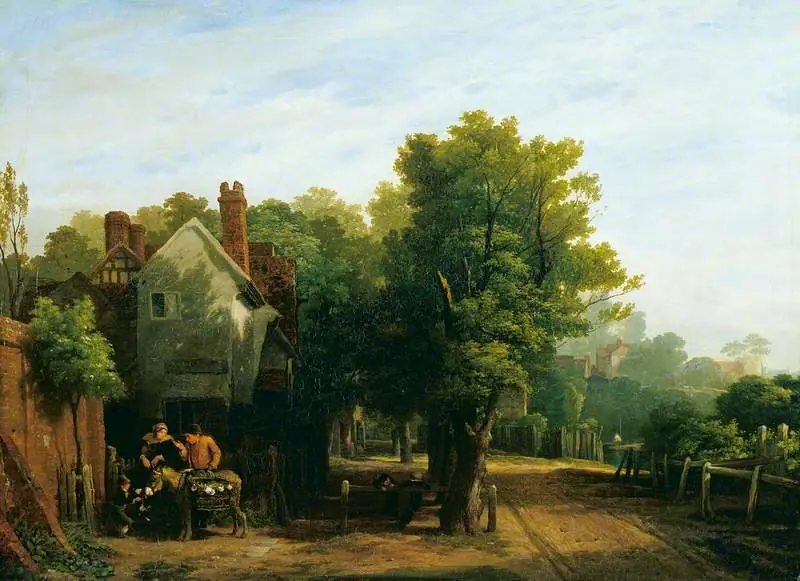
The Farrier's shop
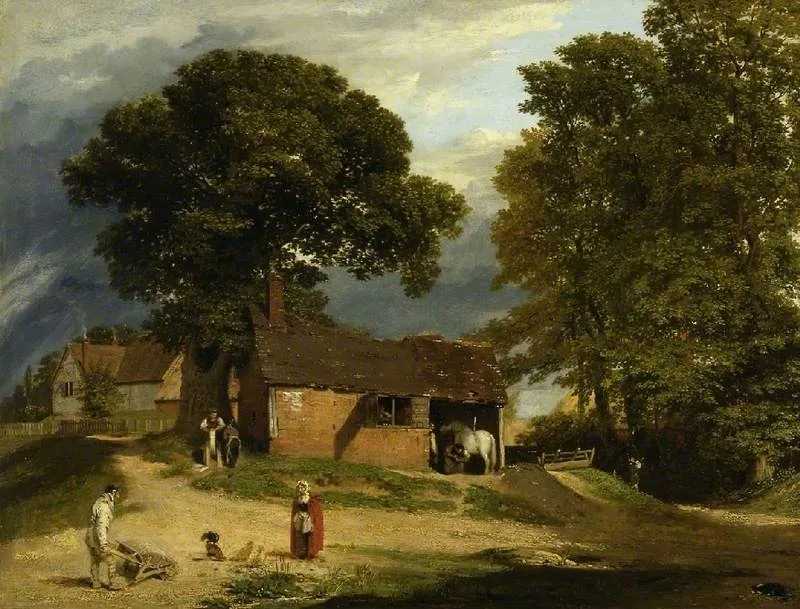
The Farrier's shop is an oil painting by the Realist artist William Mulready. It dates from 1820 and is held in the collection of the Fitzwilliam Museum.
About this work
Overview
Painted in 1820 by William Mulready, this oil-on-canvas work captures a quiet moment in a rural farrier’s workshop. The scene is grounded in everyday labor, rendered with careful observation and restrained color. It resides today in the Fitzwilliam Museum, Cambridge, as part of its collection of 19th-century British genre painting.
Subject & Meaning
The painting portrays a farrier at work on a horse’s hoof, flanked by a woman and child who observe silently. Their presence suggests domestic life intertwined with rural trade. No dramatic narrative is imposed; instead, the focus lies in the dignity of routine labor, reflecting a broader interest in ordinary life during the early Victorian era.
Technique & Style
Mulready employs a muted palette of browns, grays, and ochres to evoke the earthy atmosphere of the workshop. Subtle chiaroscuro models the figures and tools, lending volume and spatial depth. Details like the horse’s musculature and the farrier’s implements are rendered with precision, reinforcing the painting’s commitment to realism without idealization.
History & Provenance
Created early in Mulready’s career, the painting was likely exhibited in London before entering the Fitzwilliam Museum’s collection. Its acquisition reflects 19th-century institutional interest in domestic genre scenes that documented working-class life. The work has remained in public hands since its museum acquisition, with no known private ownership after the 1830s.
Context
In the 1820s, British art increasingly turned to scenes of rural and artisanal life, moving away from grand historical themes. Mulready’s work aligns with this shift, echoing contemporaries like David Wilkie. The farrier’s trade, vital to transportation and agriculture, was a familiar subject, symbolizing the quiet endurance of pre-industrial labor.
Legacy
Though not widely reproduced, the painting contributes to the understanding of early 19th-century British genre painting. Its unembellished portrayal of labor offers insight into how artists of the time documented social routines. It remains a quiet but significant example of the period’s turn toward observational realism.
Artist & collection
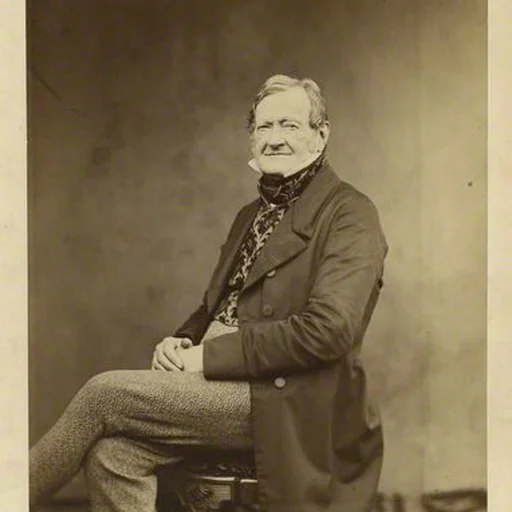
Artist
William Mulready was an Irish genre painter living in London. He is best known for his romanticising depictions of rural scenes, and for creating Mulready stationery letter sheets, issued at the same time as the Penny Black postage stamp.