Artwork
An Alphabet: D is for Dandy
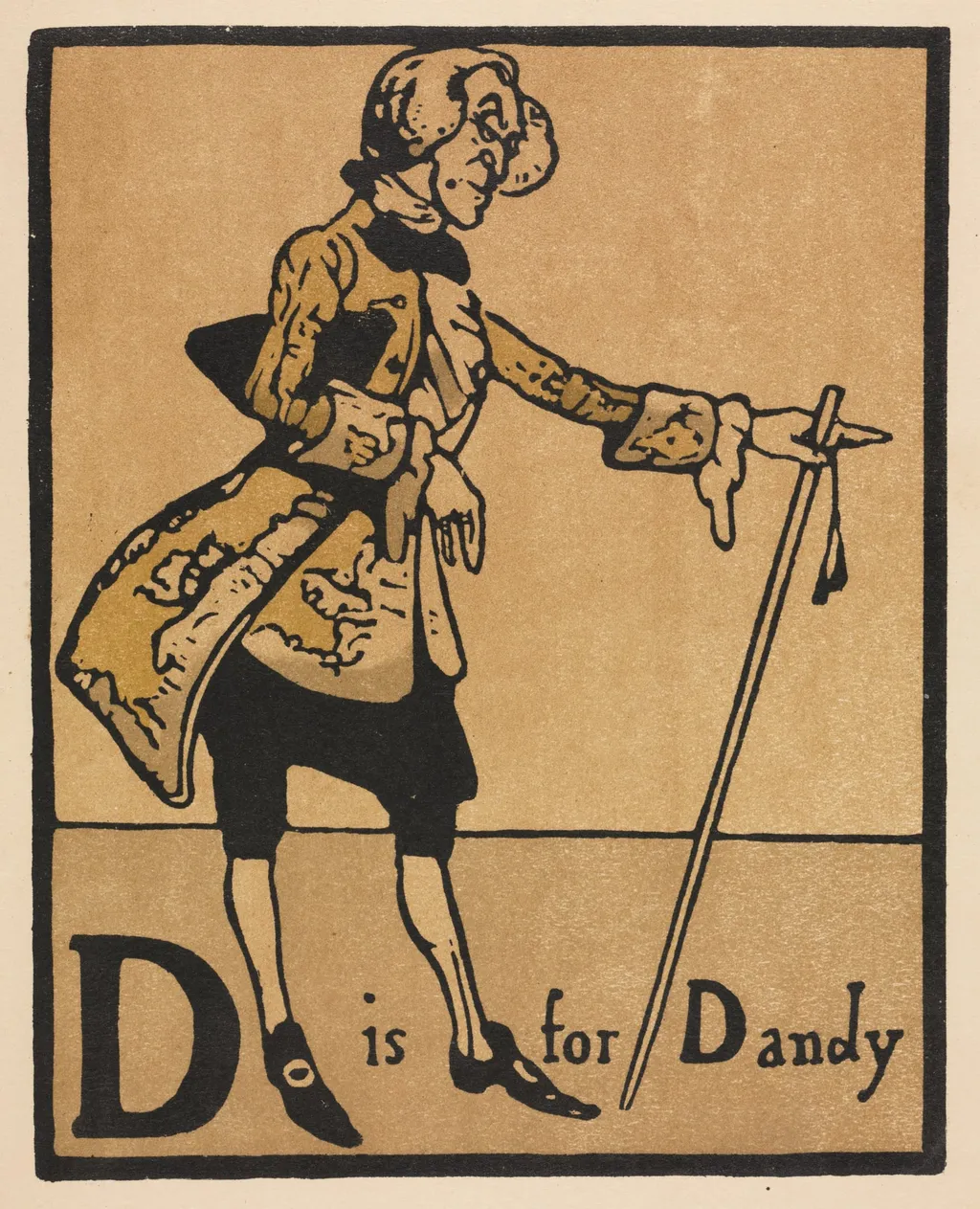
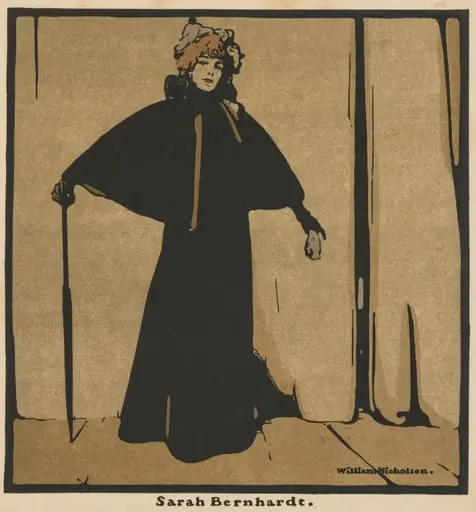
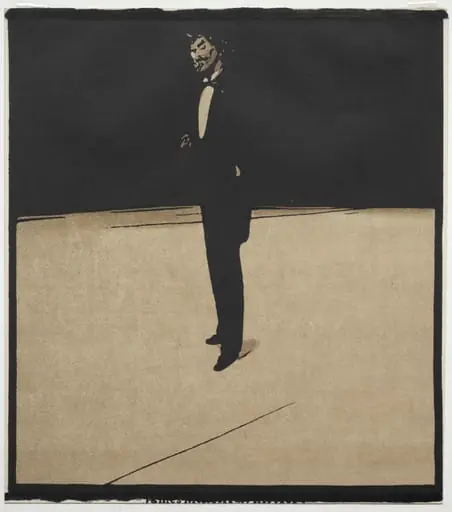
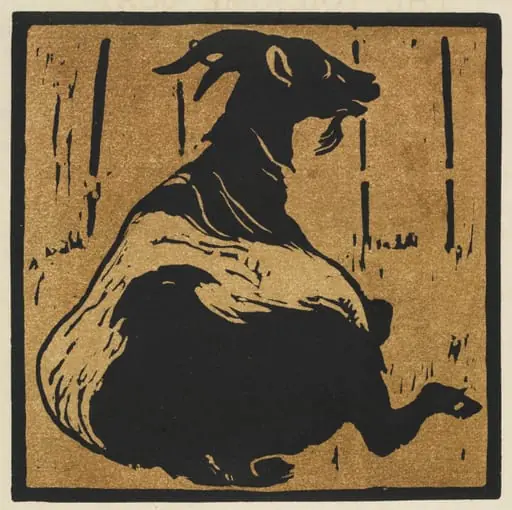
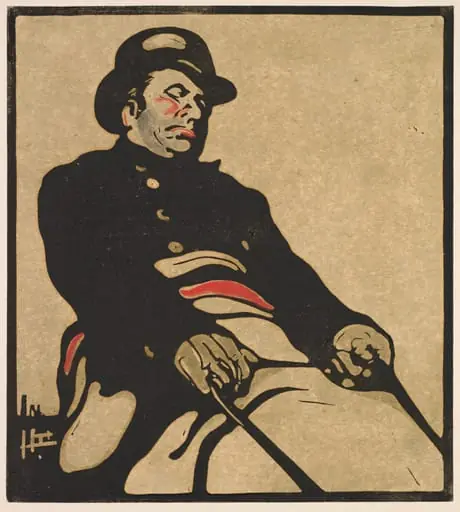
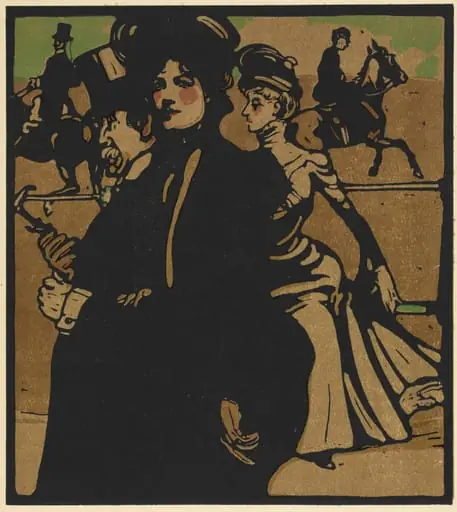
An Alphabet: D is for Dandy is a print by the Impressionist artist William Nicholson. It dates from 1897 and is held in the collection of the Cleveland Museum of Art.
About this work
Overview
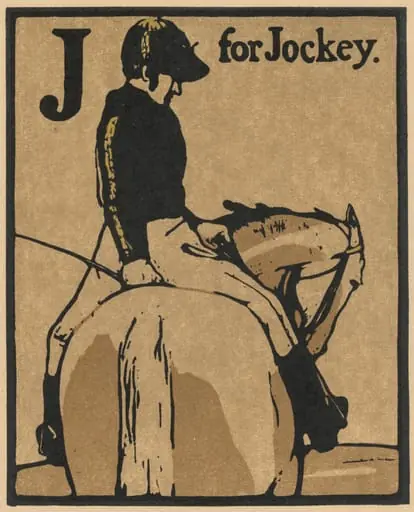
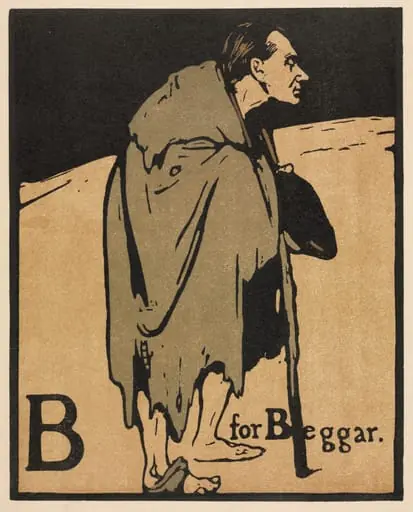
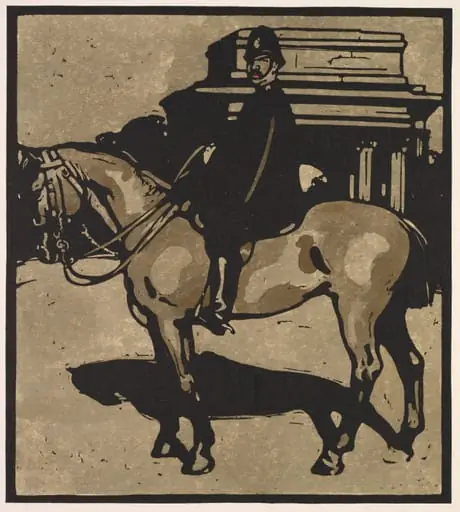
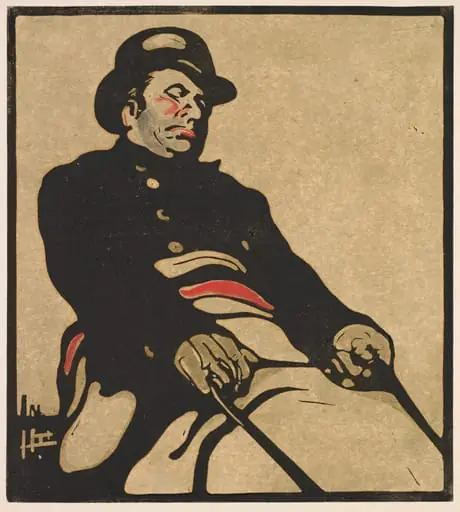
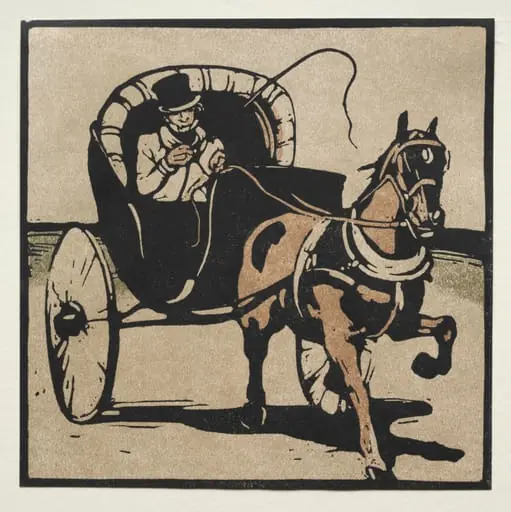
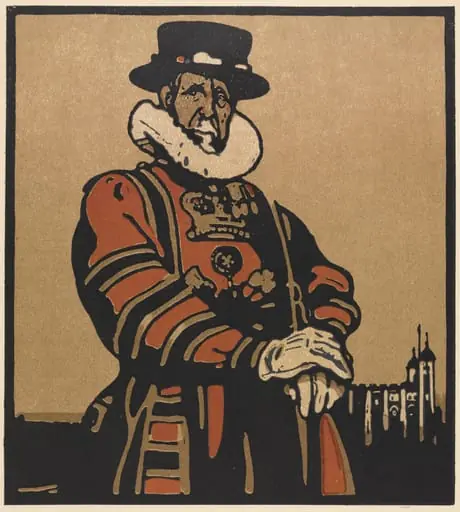
Created in 1897, William Nicholson’s wood engraving 'D is for Dandy' is one of twenty-six illustrations in a serialized alphabet series.
Created in 1897, William Nicholson’s wood engraving 'D is for Dandy' is one of twenty-six illustrations in a serialized alphabet series. Each letter is personified through a simplified, graphic figure, reflecting the era’s revival of decorative printmaking. Nicholson, already recognized for his versatility across media, used this project to explore the intersection of typography and visual narrative, blending artistry with pedagogical intent.
Subject & Meaning
The letter 'D' is embodied by a slender, stylized gentleman in a tailored suit, top hat tucked under his arm, and cane held with theatrical flair. His exaggerated posture and minimal facial features evoke a caricature of Victorian dandyism—elegant, slightly absurd, and self-aware. The image does not merely label the letter but captures a cultural archetype, suggesting how identity and social performance were encoded in appearance.
Technique & Style
Executed in wood engraving, the image relies on bold, unmodulated black lines against a pale ground, creating a stark, graphic contrast. Forms are reduced to essential silhouettes, with no shading or texture—reminiscent of cut-paper or stencil work. The flatness and clarity of design prioritize legibility and visual rhythm, aligning with contemporary trends in poster art and children’s book illustration.
History & Provenance
The print was produced as part of a commercial alphabet series published in the late 1890s, likely intended for educational or decorative use. Nicholson’s involvement reflects his engagement with illustrated books during this period. While the original publication is now rare, individual plates have entered public collections, including the Cleveland Museum of Art, where they are preserved as examples of fin-de-siècle graphic design.
Context
This work emerged during a resurgence of interest in handcrafted printmaking, spurred by the Arts and Crafts movement and the rise of illustrated periodicals. Alphabets as artistic subjects were popular in children’s literature and design journals, merging instruction with aesthetic experimentation. Nicholson’s approach aligns with contemporaries like Walter Crane and Edmund Dulac, who treated letterforms as vehicles for visual storytelling.
Legacy
Nicholson’s 'D is for Dandy' exemplifies how early modern graphic design distilled complex ideas into accessible, memorable forms. Its influence can be traced in later 20th-century typography and children’s book illustration, where clarity and symbolic representation remain central. Though modest in scale, the print endures as a quiet testament to the artistic potential of the alphabet as a structured, imaginative framework.
Artist & collection
Artist
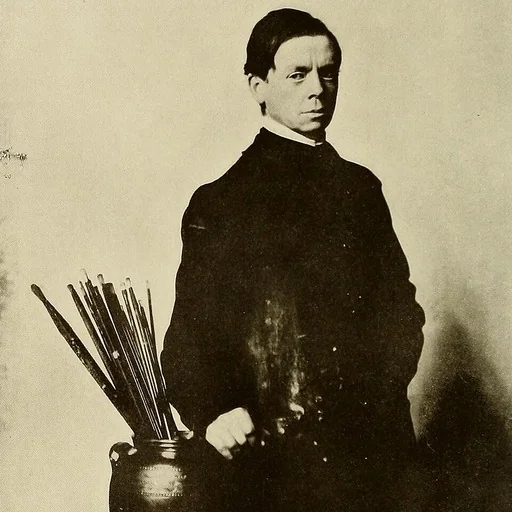
Sir William Newzam Prior Nicholson (5 February 1872 – 16 May 1949) was a British painter of still-life, landscape and portraits.