Artwork
London Types: Coster
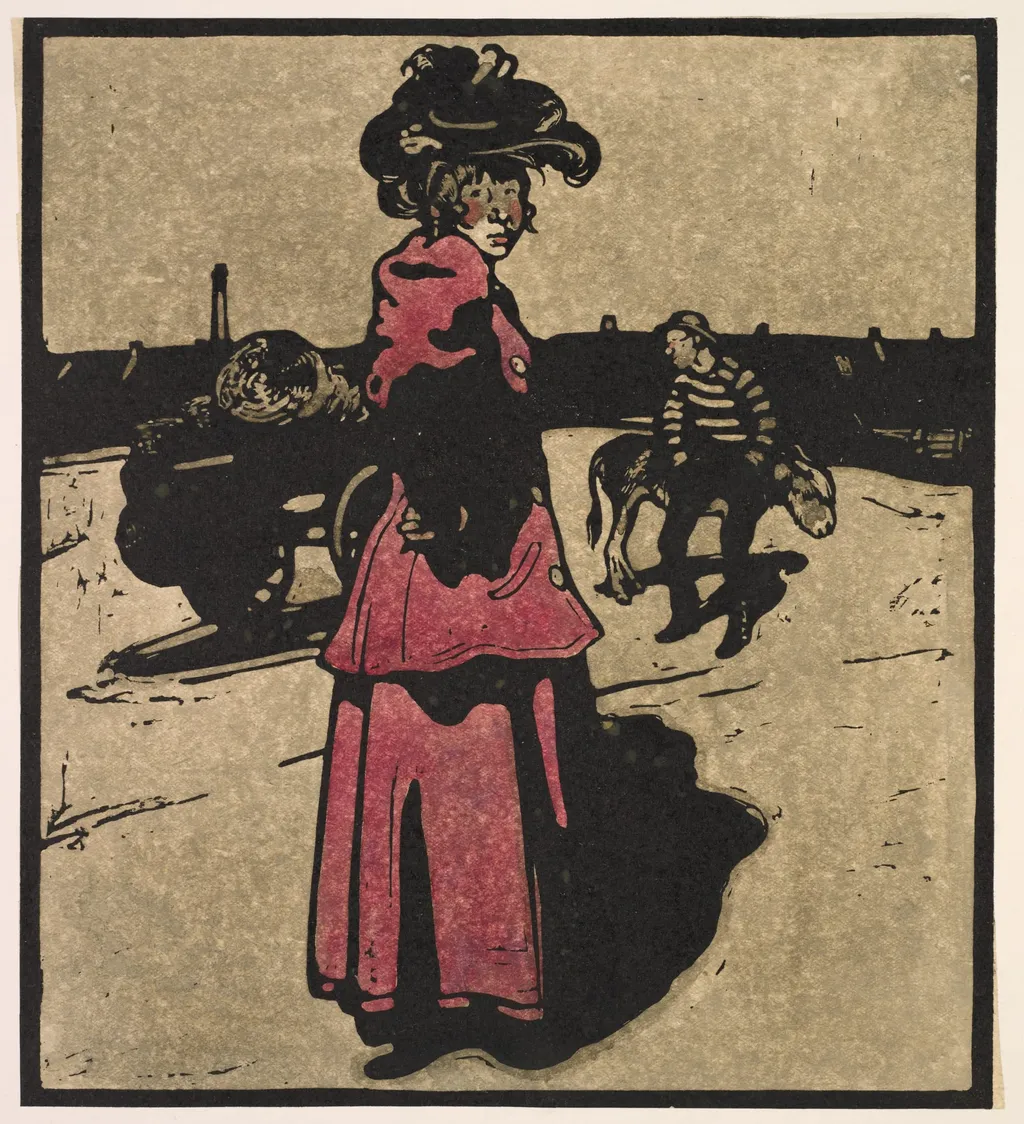
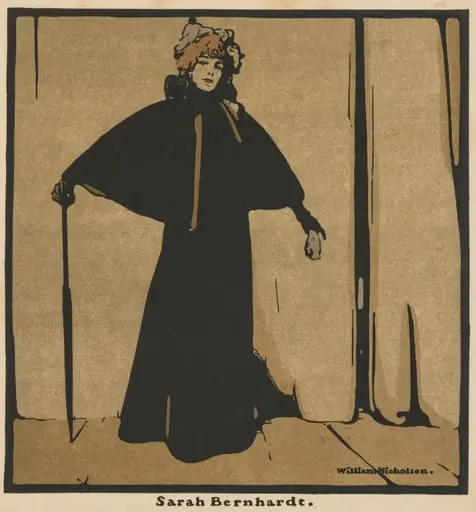
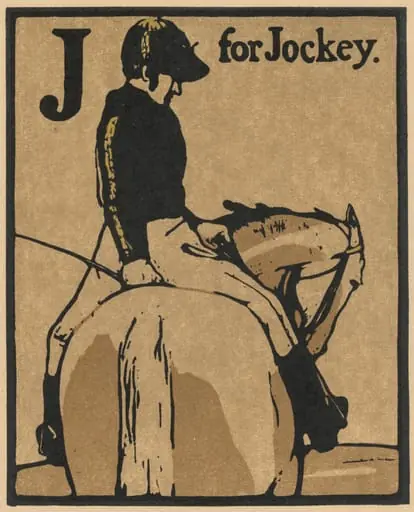
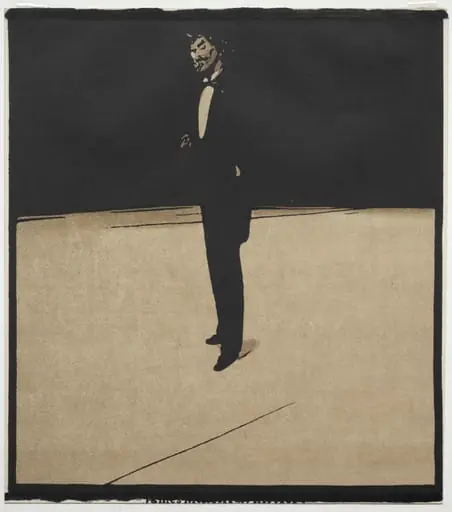
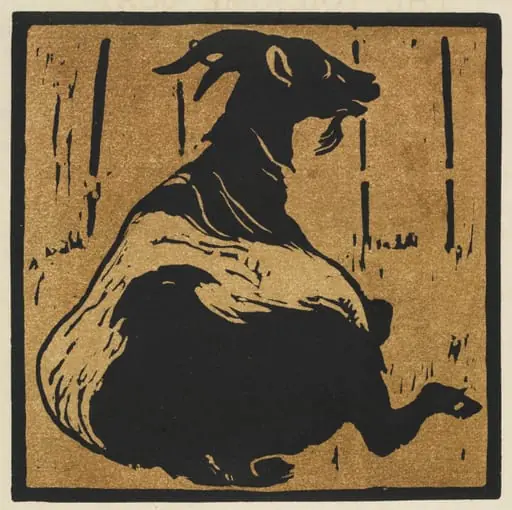
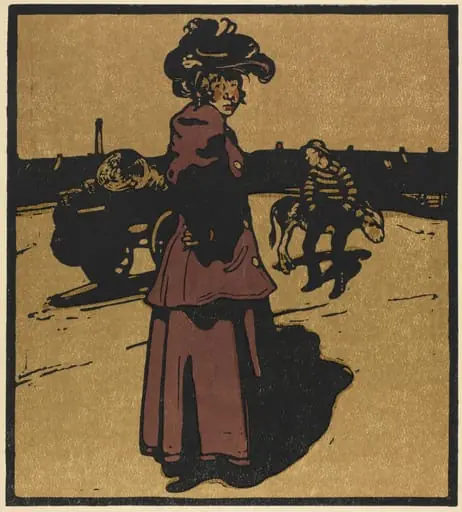
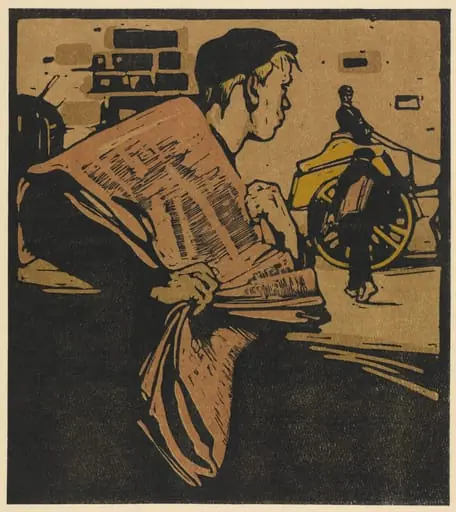
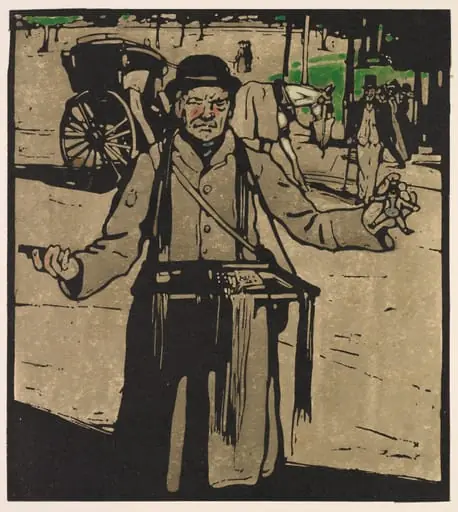
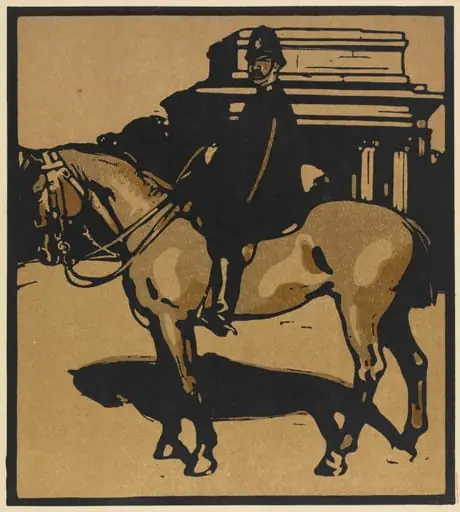
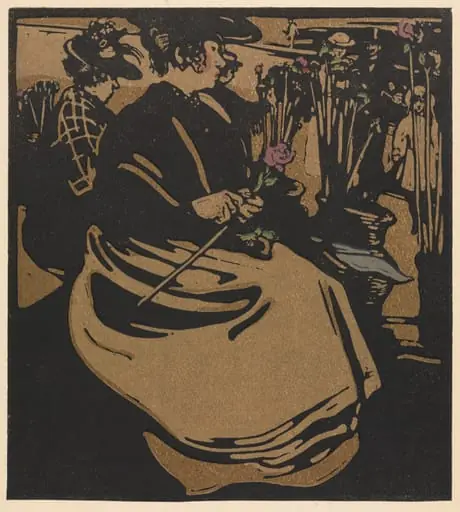
London Types: Coster is a print by the Impressionist artist William Nicholson. It dates from 1898 and is held in the collection of the Cleveland Museum of Art.
About this work
Overview
Nicholson, known for his work across media, used this technique to distill everyday life into stark, readable forms, emphasizing observation over ornament.
Created in 1898, *London Types: Coster* is a wood engraving by William Nicholson, part of a small series documenting working-class figures in late-Victorian London. Unlike painted works, this print relies on the precision of carved lines and inked surfaces to convey character and atmosphere. Nicholson, known for his work across media, used this technique to distill everyday life into stark, readable forms, emphasizing observation over ornament.
Subject & Meaning
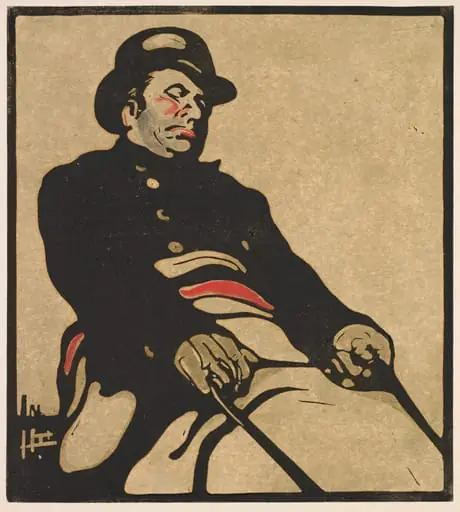
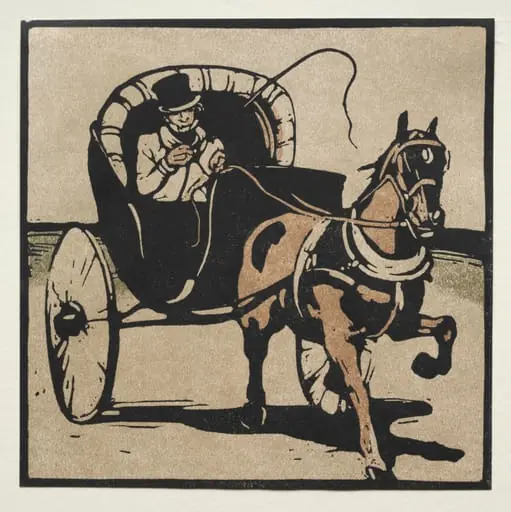
The print portrays a female street vendor, likely selling fruit or goods from a horse-drawn cart, a common sight in London’s neighborhoods. Her face is rendered indistinct, suggesting anonymity rather than individuality, aligning with the series’ aim to represent social types rather than specific persons. The quiet posture and downward gaze imply a moment of pause amid labor, reinforcing the dignity of routine work in the urban landscape.
Technique & Style
Nicholson employed wood engraving, a method requiring fine incisions into end-grain wood, to achieve sharp contrasts and textured detail. The woman’s red dress and the horse’s striped blanket are suggested through bold, simplified shapes, while the background buildings and chimney are rendered with minimal lines. The absence of tonal gradation enhances the graphic clarity, reflecting influences from Japanese prints and the Arts and Crafts movement’s emphasis on craftsmanship.
History & Provenance
The print was produced during a period when Nicholson was actively engaged in printmaking, following his earlier success as a painter. It was likely published in limited editions for collectors and art societies interested in contemporary British graphic art. While its early ownership is undocumented, it entered institutional collections in the 20th century as interest grew in Victorian-era social documentation through print.
Context
Nicholson’s *London Types* series emerged amid growing public interest in urban poverty and social observation, paralleling documentary efforts in photography and literature. While not overtly political, the images quietly acknowledge the presence of laborers in the city’s fabric. The choice of wood engraving—associated with illustration and mass reproduction—elevated everyday subjects to the realm of fine art, challenging distinctions between high and low culture.
Legacy
Though less celebrated than his paintings, Nicholson’s wood engravings like *Coster* influenced later British printmakers seeking to merge social realism with formal economy. The series contributed to a broader revival of interest in hand-printed graphics during the late 19th century. Today, these works are studied for their restrained aesthetic and their role in documenting the invisible laborers of industrial London.
Artist & collection
Artist
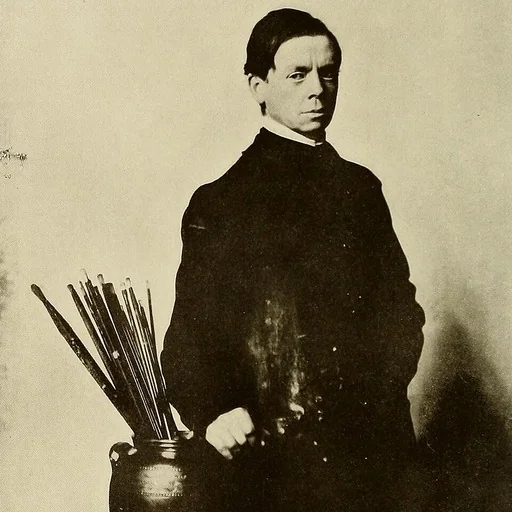
Sir William Newzam Prior Nicholson (5 February 1872 – 16 May 1949) was a British painter of still-life, landscape and portraits.