Artwork
Twelve Portraits: H.R.H. The Prince of Wales
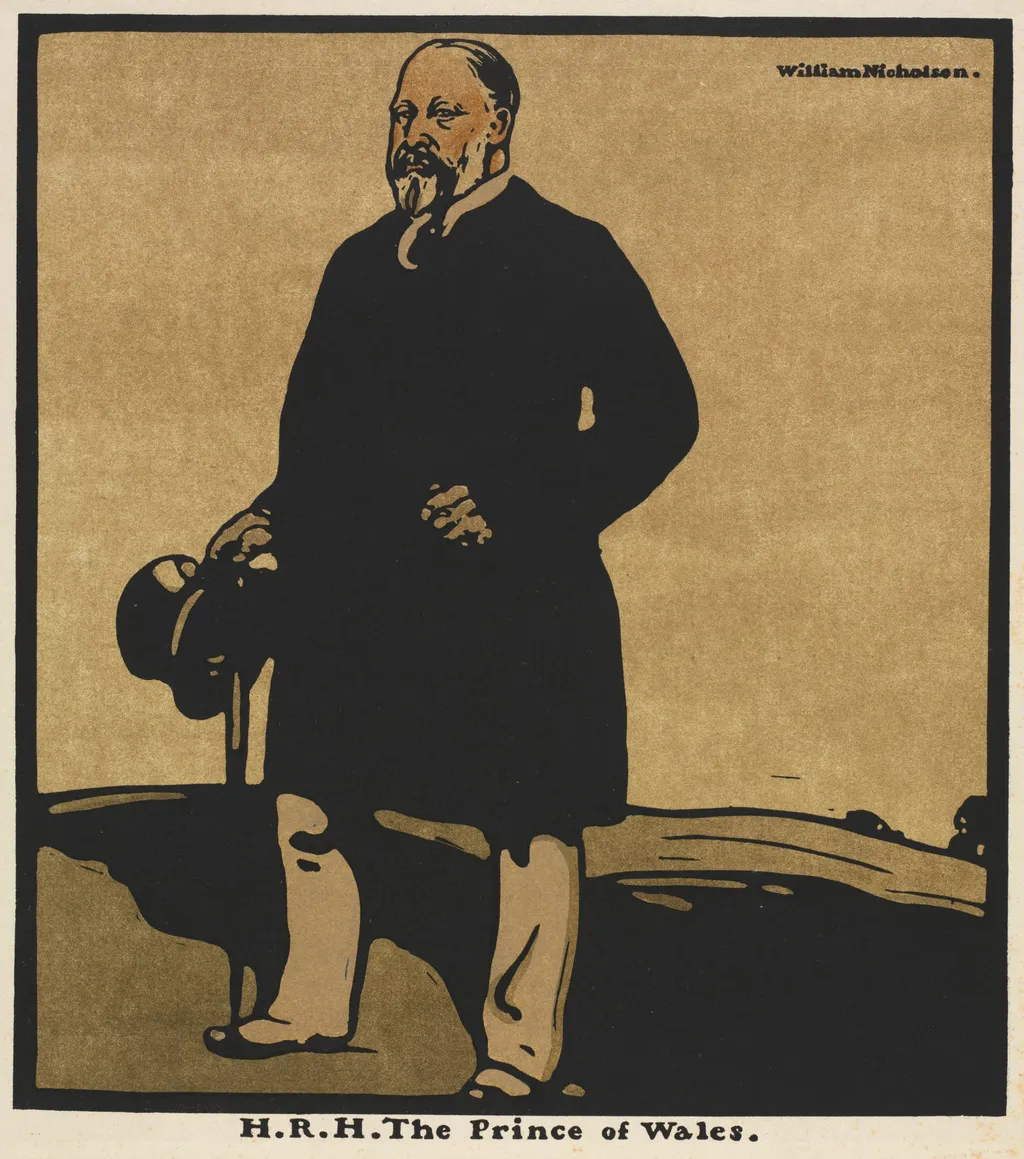
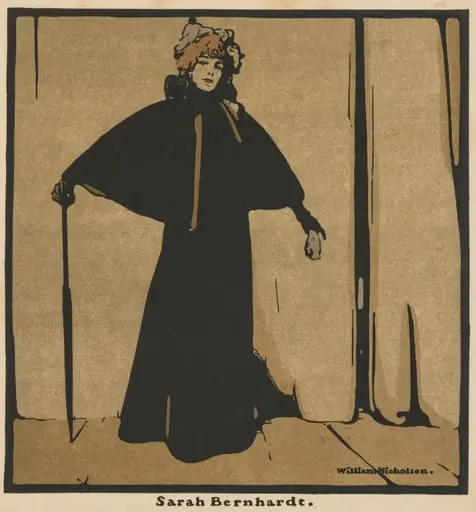
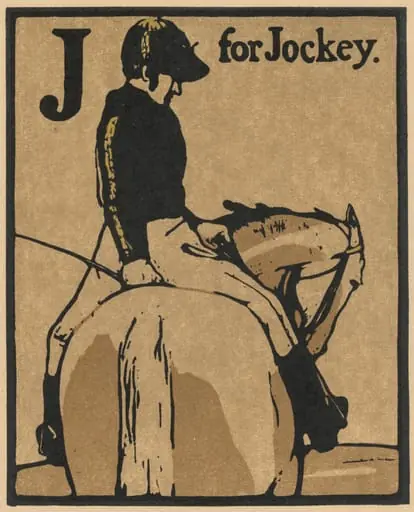
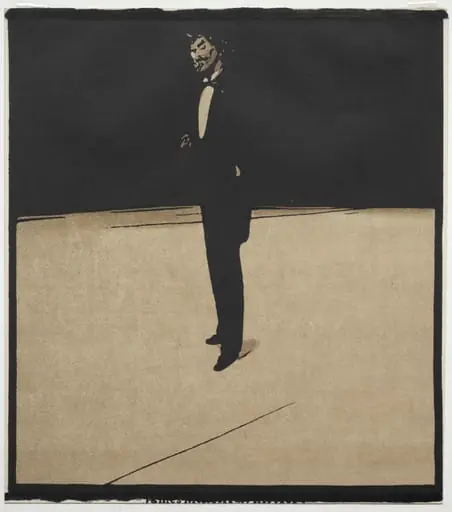
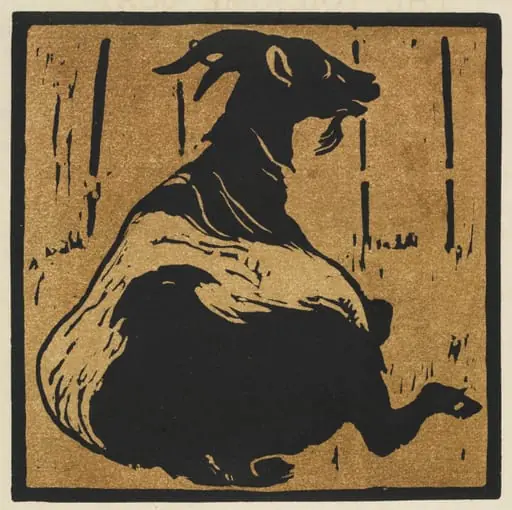
Twelve Portraits: H.R.H. The Prince of Wales is a print by the Impressionist artist William Nicholson. It dates from 1898 and is held in the collection of the Cleveland Museum of Art.
About this work
Overview
Created in 1898 by British artist William Nicholson, this print series presents twelve individual depictions of Albert Edward, Prince of Wales.
Created in 1898 by British artist William Nicholson, this print series presents twelve individual depictions of Albert Edward, Prince of Wales. Executed in black and white, the works reflect Nicholson’s interest in printmaking and his ability to distill form through minimal means. Each portrait isolates the subject against a plain background, emphasizing structure over detail. The series is held in the collection of the Cleveland Museum of Art.
Subject & Meaning
The subject is Albert Edward, heir to the British throne, portrayed with restrained dignity. His formal attire, spectacles, and mustache convey status and personal identity without embellishment. The pose—hand in pocket, holding a small object—suggests quiet contemplation rather than ceremonial grandeur. The absence of symbols of royalty shifts focus to the individual, reflecting a more intimate, modern approach to royal portraiture.
Technique & Style
Nicholson employed bold, flat areas of black and white with sharp tonal contrasts, drawing from woodcut and etching traditions. The lighting is directional, creating strong chiaroscuro effects that model the figure without gradation. Backgrounds are reduced to minimal lines, suggesting architectural space without detail. This stylized approach prioritizes silhouette and structure, aligning with contemporary interest in graphic clarity and simplification.
History & Provenance
The series was produced in 1898 during a period when Nicholson was actively exploring printmaking after establishing himself as a painter. It was likely commissioned or privately circulated, given the subject’s status. The prints entered the Cleveland Museum of Art’s collection through documented acquisition, preserving their original state and reinforcing their role as significant examples of late Victorian graphic art.
Context
In the late 19th century, British artists increasingly turned to printmaking as a medium for artistic expression beyond commercial illustration. Nicholson’s work responded to broader trends in European graphic art, including Japanese woodblock influences and the Arts and Crafts movement’s emphasis on craftsmanship. His portraits of the Prince reflect a shift toward psychological realism in royal imagery, away from traditional iconography.
Legacy
The series stands as an early example of Nicholson’s mature graphic style and influenced later British printmakers seeking to merge portraiture with modernist simplification. While not widely exhibited at the time, its restrained aesthetic has been recognized in 20th-century surveys of British art as a quiet innovation in the depiction of public figures through understated visual language.
Artist & collection
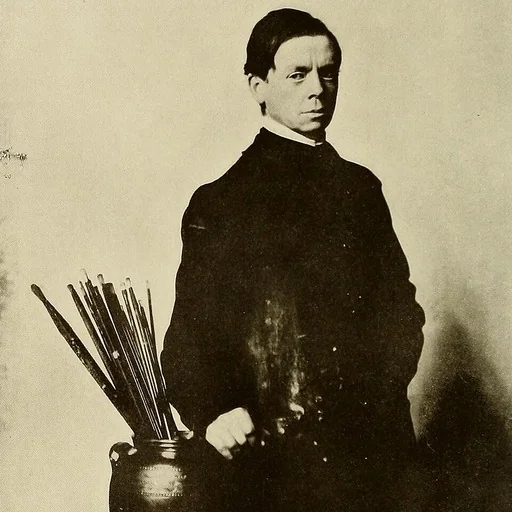
Artist
Sir William Newzam Prior Nicholson (5 February 1872 – 16 May 1949) was a British painter of still-life, landscape and portraits.