Artwork
Warwick Castle
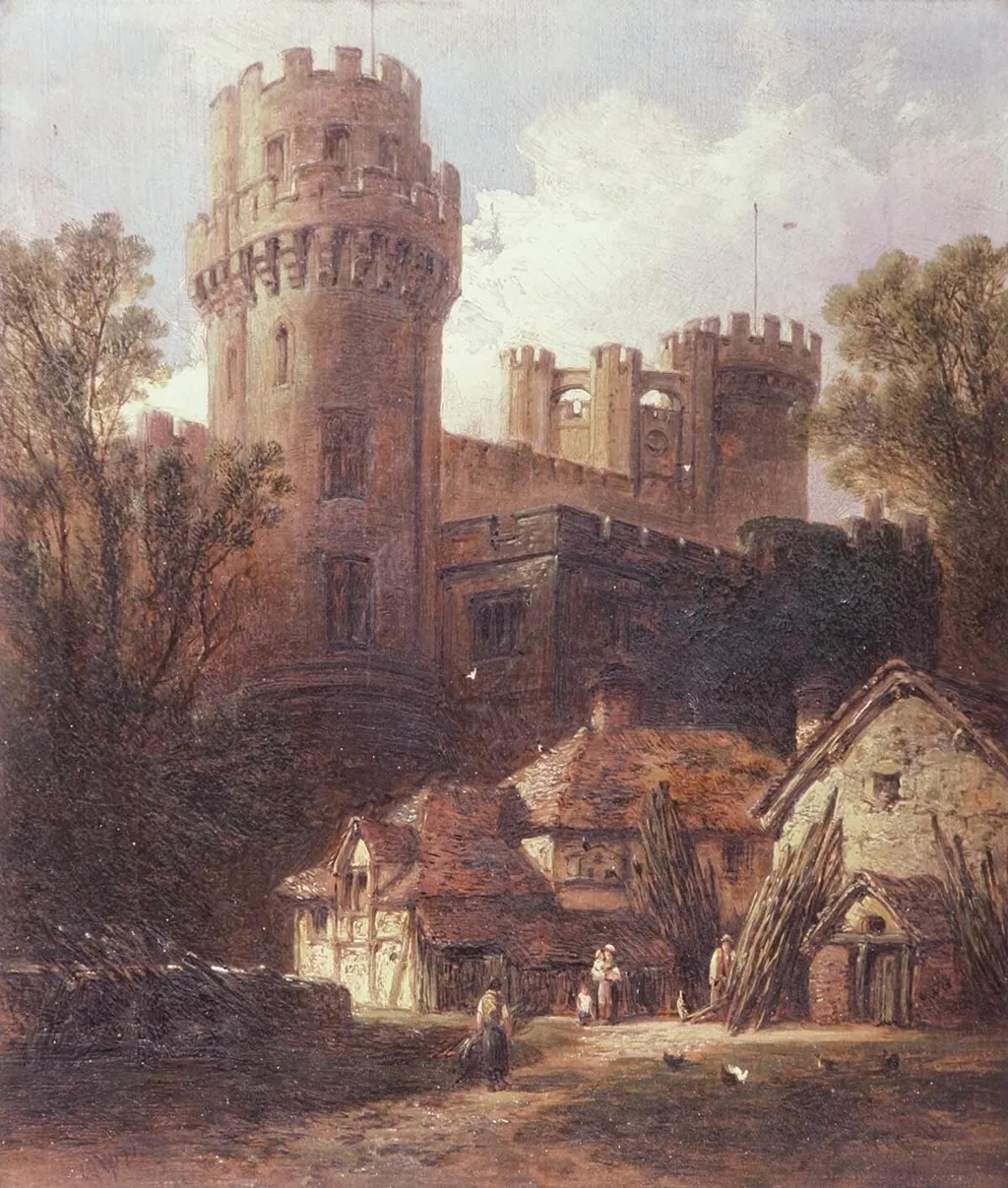
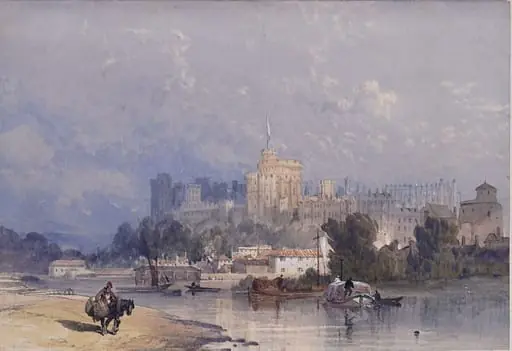
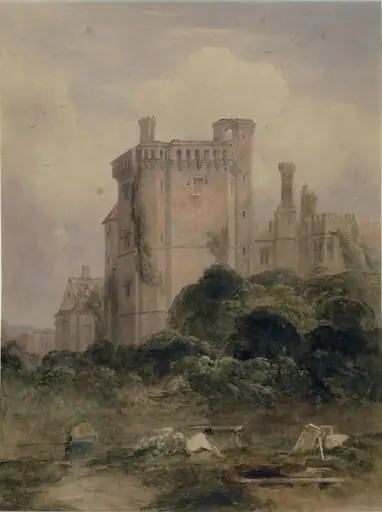
Warwick Castle is an oil painting by William Pitt. It dates from 1870 and is held in the collection of the National Library of Wales.
About this work
Overview
Painted in 1870, this oil on canvas work captures Warwick Castle as it appeared in the late nineteenth century. The artist, William Pitt, rendered the structure with attention to architectural detail and atmospheric conditions. The painting is part of the collection at the National Library of Wales, where it remains accessible for study and public viewing.
Subject & Meaning
The composition centers on Warwick Castle, a historic fortress in Warwickshire, England, surrounded by mature trees and a calm, open landscape. Figures near the foreground suggest human presence without disrupting the monumentality of the structure. The scene conveys quiet reverence for the castle’s enduring physical presence rather than dramatizing its history.
Technique & Style
Pitt employed oil paint to achieve subtle gradations of light and texture, particularly in the rendering of stone, foliage, and sky. The brushwork is precise yet fluid, allowing for naturalistic depiction of clouds and the play of sunlight across the castle’s towers. Color is restrained but varied, emphasizing tonal harmony over bold contrast.
History & Provenance
The painting was completed in 1870 and entered the collection of the National Library of Wales at some point after its creation. Its journey from the artist’s studio to institutional custody is not fully documented, but its preservation suggests it was valued early as a record of a significant landmark.
Context
During the Victorian era, there was renewed interest in historic architecture, often tied to national identity and romanticized notions of the past. Paintings like this one responded to that cultural current, documenting castles not as active fortifications but as enduring symbols of heritage and landscape.
Legacy
While William Pitt is not widely known today, this work contributes to a broader archive of 19th-century British topographical painting. It serves as a visual reference for the castle’s appearance in the late 1800s and reflects the period’s quiet dedication to recording place through art.
Artist & collection