Artwork
William Butler Yeats
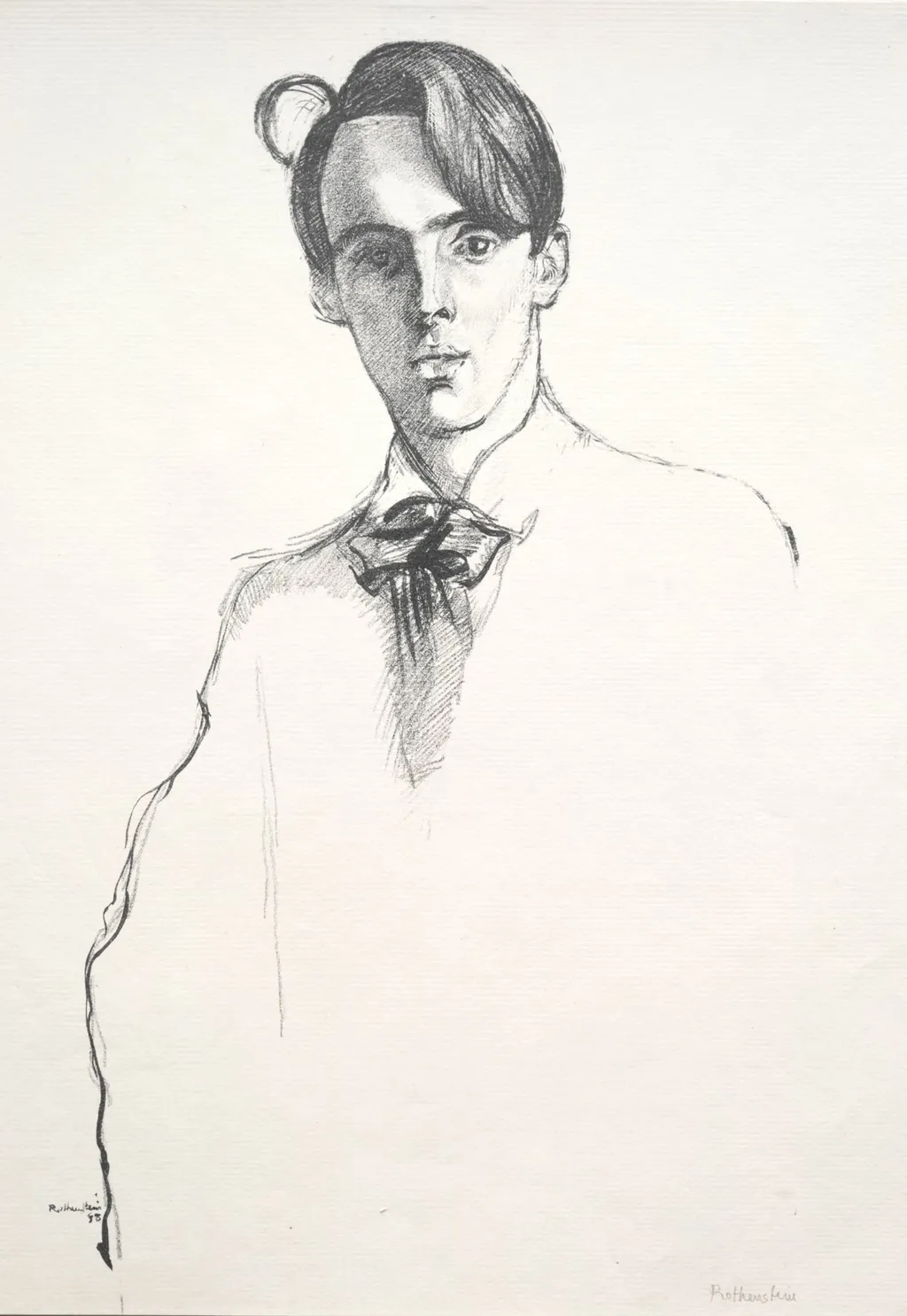
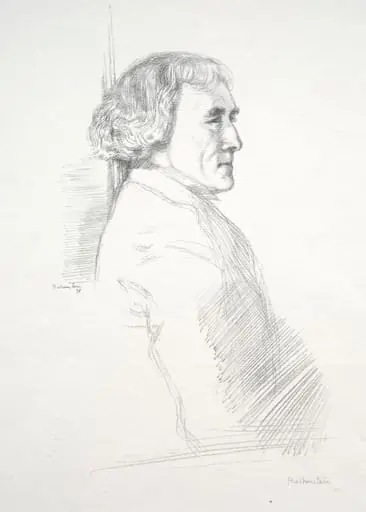
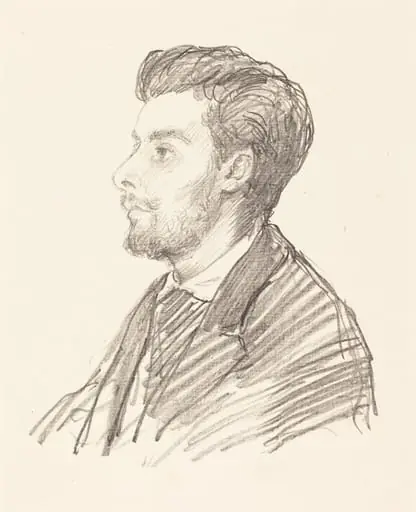
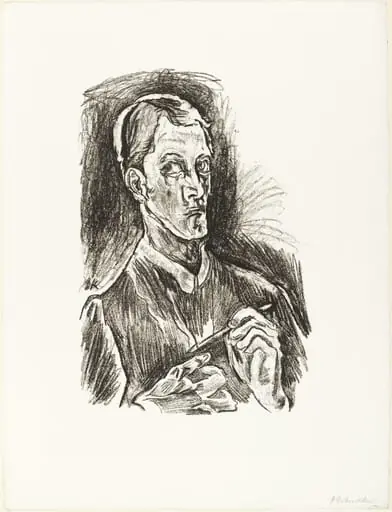
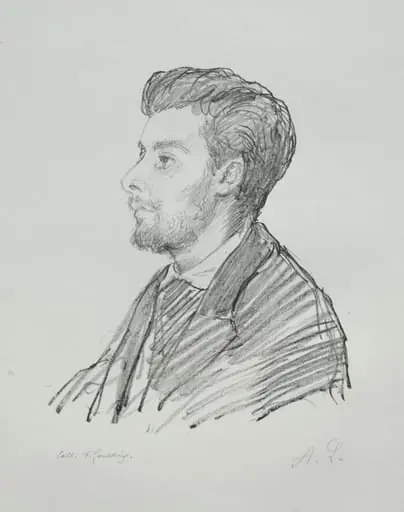
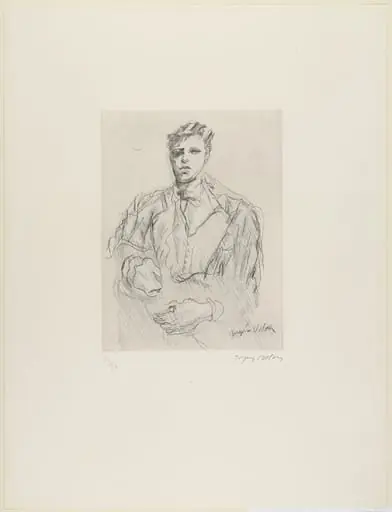
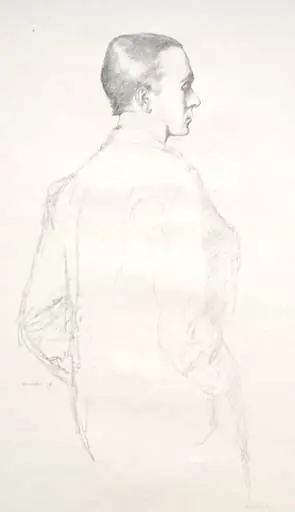
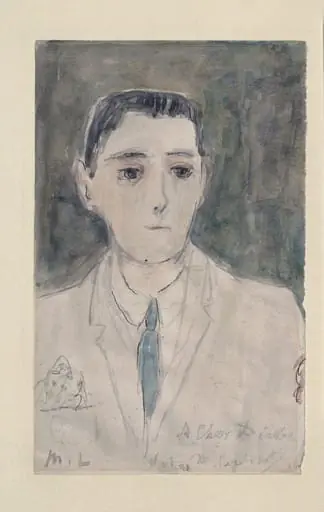
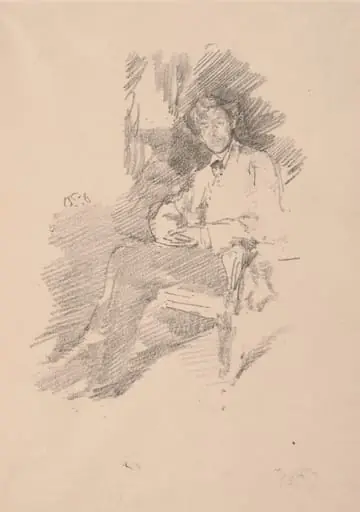
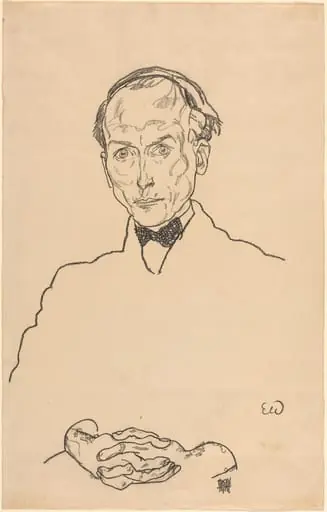
William Butler Yeats is a print by the Impressionist artist William Rothenstein. It dates from 1898 and is held in the collection of the Cleveland Museum of Art.
About this work
The artist's attention to detail and use of chiaroscuro technique create a sense of realism in the portrait.
This portrait depicts a man with a serious expression, gazing directly at the viewer. His dark hair is neatly styled, and he wears a white shirt adorned with a dark bow tie. The background is a plain, off-white color.
The man's attire and hairstyle suggest a formal setting, possibly from the late 19th or early 20th century. The artist's use of light and shadow creates a sense of depth and dimensionality in the portrait.
The artist's attention to detail and use of chiaroscuro technique create a sense of realism in the portrait. To learn more about the artist's use of chiaroscuro, look up the technique next.
Overview
This 1898 portrait by William Rothenstein captures the Irish poet William Butler Yeats in a formal, full-face composition. Executed in print, likely an etching or drypoint, the work emphasizes Yeats’s contemplative demeanor. The background is muted and unadorned, directing focus to the subject’s presence. Rothenstein’s restrained palette and precise line work reflect his interest in psychological depth over ornamental detail.
Subject & Meaning
Yeats, then emerging as a central figure in the Irish literary revival, is portrayed with quiet intensity. His direct gaze and composed posture convey intellectual seriousness rather than theatricality. The formal attire—white shirt and dark bow tie—signals his engagement with cultural and literary circles, aligning the image with the era’s ideals of the thoughtful artist. The portrait avoids romanticization, presenting Yeats as a man of ideas.
Technique & Style
Rothenstein employed chiaroscuro through careful tonal gradations to model the face and hands, lending volume and presence. The lines are deliberate and controlled, typical of his printmaking approach, with subtle variations in pressure creating texture in the hair and fabric. The off-white background enhances the contrast, isolating the figure and reinforcing the portrait’s intimate, introspective mood.
History & Provenance
Created in 1898 during Rothenstein’s early career, the portrait was made shortly after the artist met Yeats in London. It entered The Cleveland Museum of Art’s collection in the 20th century, likely through a donation or acquisition focused on modern British and Irish art. The work remains one of the few printed portraits of Yeats from this period, valued for its historical and artistic significance.
Context
In the late 1890s, Rothenstein was part of a circle of artists and writers exploring psychological realism in portraiture. Yeats, meanwhile, was deepening his involvement in Irish cultural nationalism and Symbolist poetry. The portrait reflects a moment when literary figures were increasingly visualized as intellectual icons, bridging the worlds of literature and visual art in fin-de-siècle Europe.
Legacy
This portrait endures as a quiet but enduring representation of Yeats during a formative phase of his career. It contributes to the visual record of the Irish literary revival and illustrates Rothenstein’s skill in capturing character through print. Unlike later, more stylized depictions, this work remains grounded in observation, offering a direct link to the poet’s public persona at the turn of the century.
Artist & collection
Artist
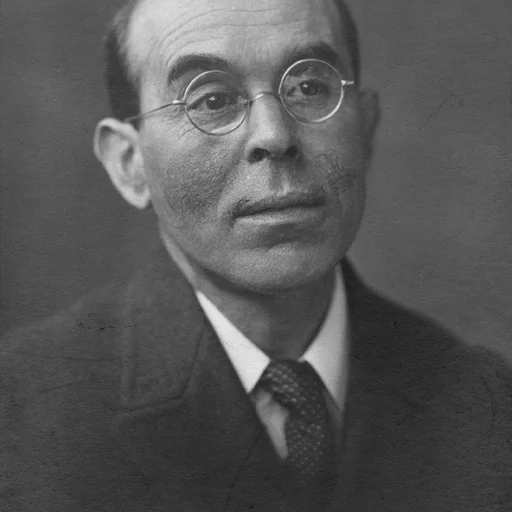
Sir William Rothenstein was an English painter, printmaker, draughtsman, lecturer, and writer on art.