Artwork
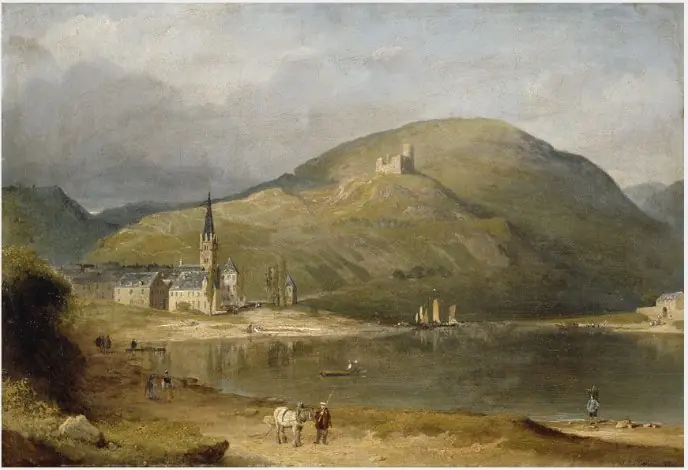
A View of Howth Abbey
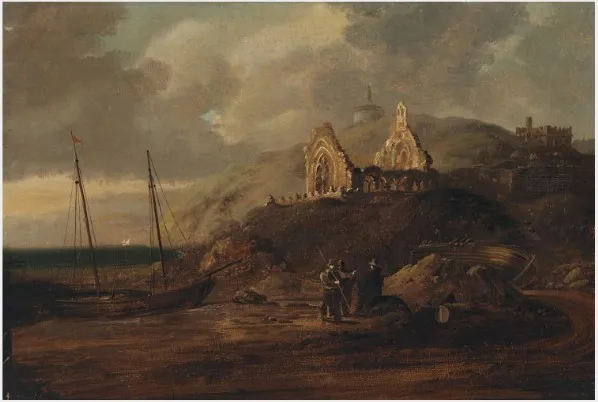
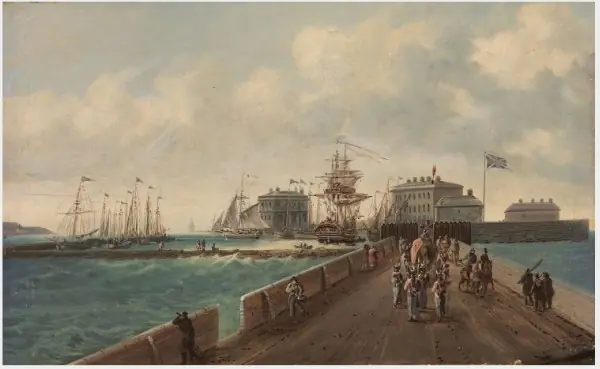
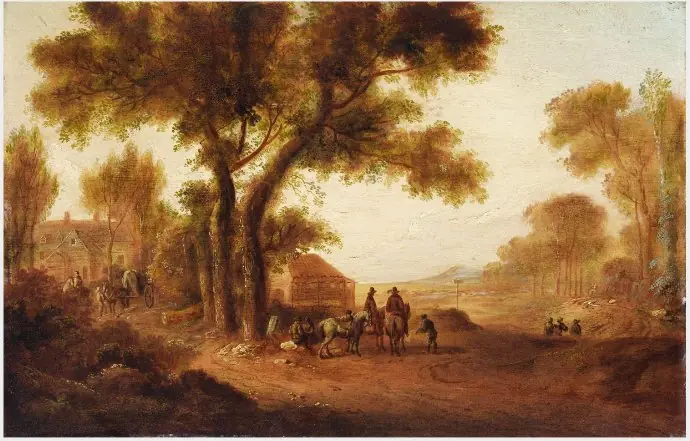
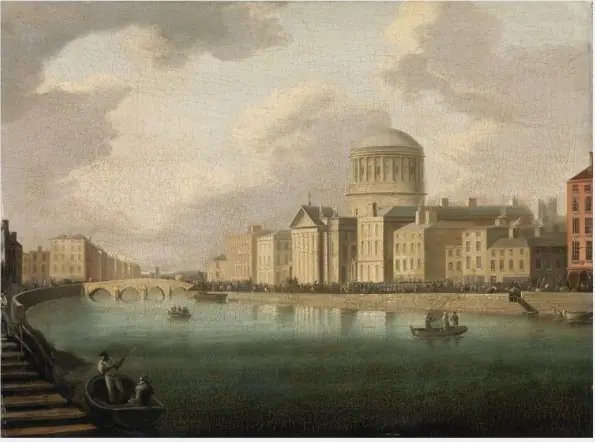
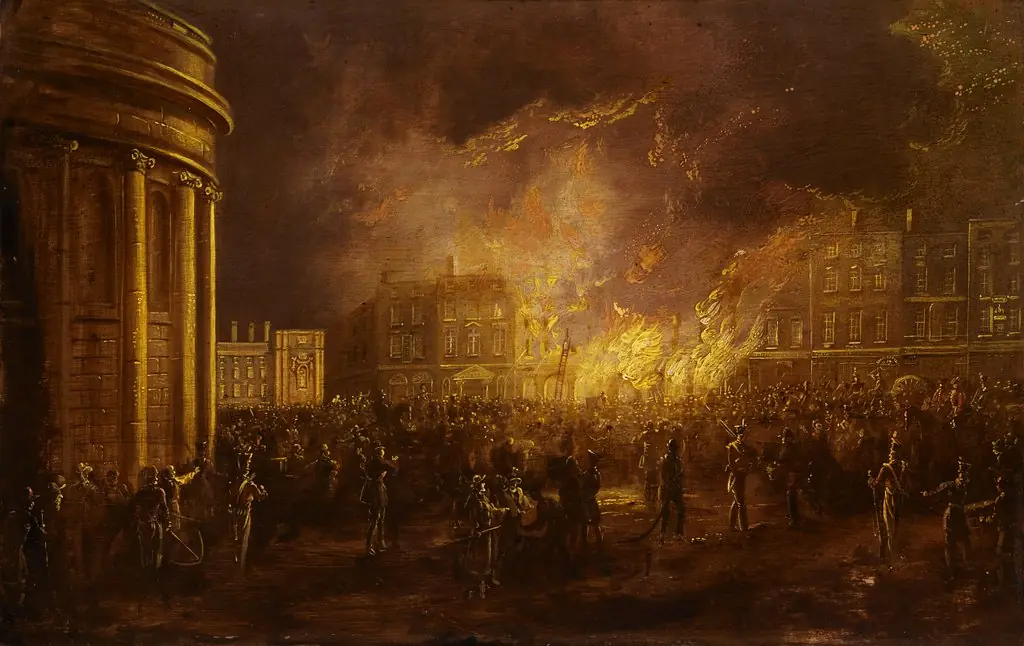
A View of Howth Abbey is an unspecified painting by William Sadler. It dates from 1820 and is held in the collection of the National Gallery of Ireland.
About this work
Overview
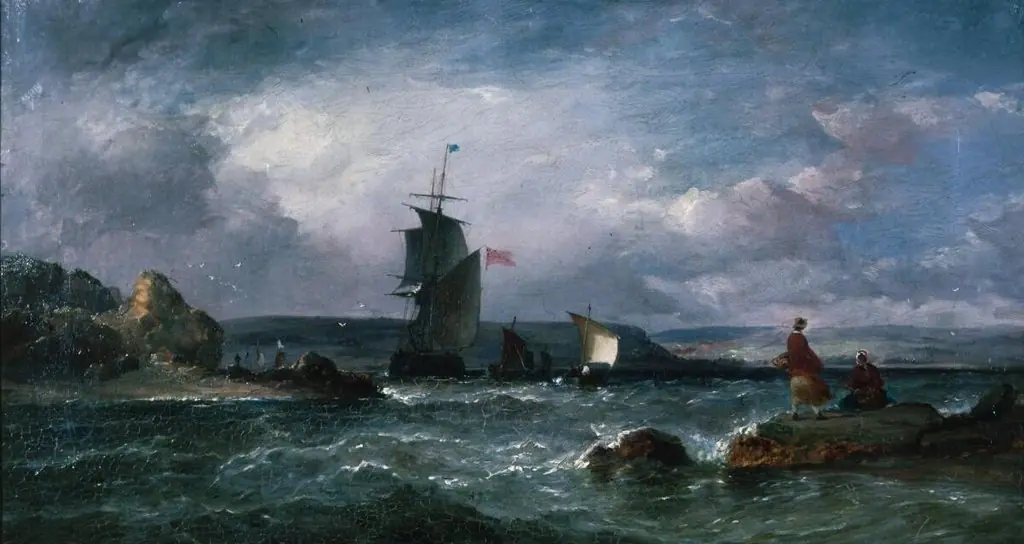
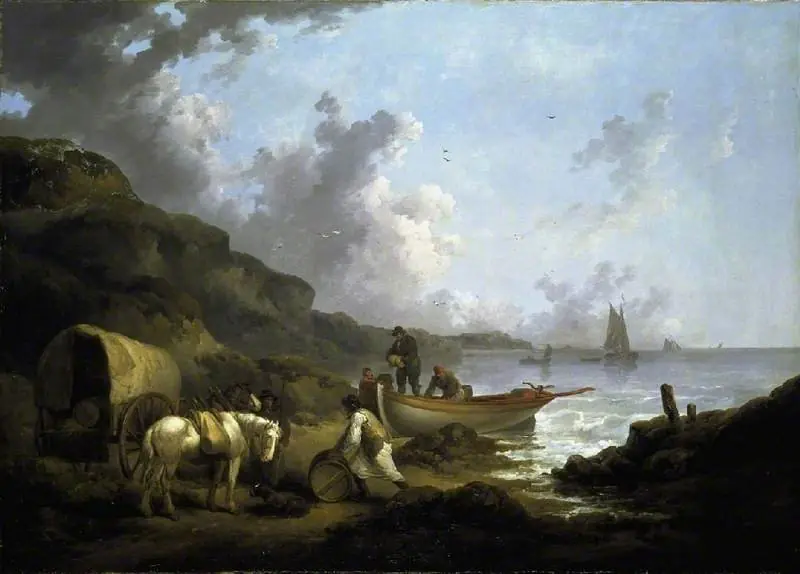
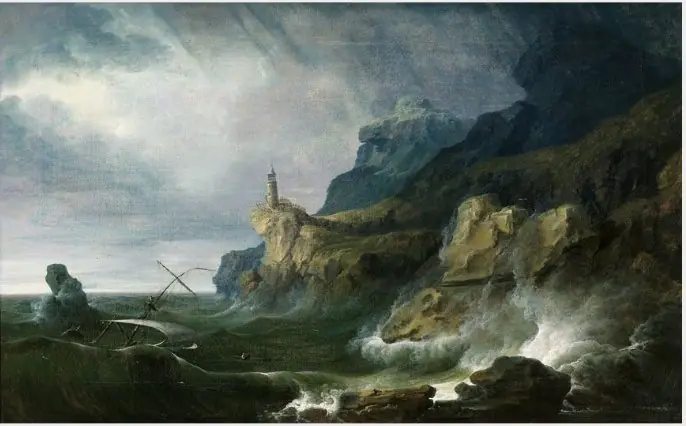
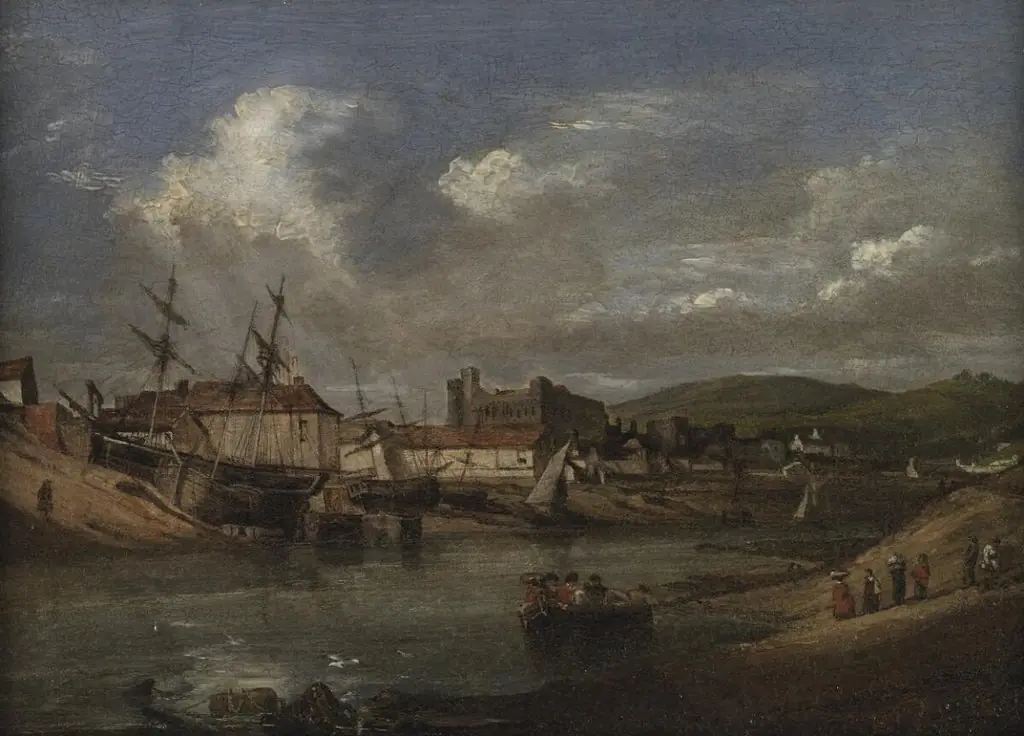
Created circa 1820 by Irish landscape artist William Sadler II, this oil painting captures the ruins of Howth Abbey perched on a coastal hill. The composition balances the weathered stone structure with a gentle, rolling countryside and a distant sea, presenting a tranquil, reflective scene that invites the eye to linger on the interplay of architecture and nature.
Subject & Meaning
The work focuses on the decayed remnants of the medieval Howth Abbey, a once‑thriving monastic complex on Ireland’s east coast. By placing a few solitary figures near the foreground, Sadler suggests human presence amidst the passage of time, evoking a mood of quiet contemplation and the enduring presence of history within the landscape.
Technique & Style
Sadler employs a nuanced handling of light and shadow to model the abbey’s crumbling walls, creating depth that draws the viewer inward. Fine brushwork renders the texture of stone and foliage, while a softened atmospheric perspective softens distant hills and water, lending the scene a calm, almost lyrical quality characteristic of early‑19th‑century Irish landscape painting.
History & Provenance
William Sadler II, known for detailed topographical works and occasional historic subjects such as the Battle of Waterloo, produced this piece during a prolific period of his career. The painting has remained within Irish collections, reflecting the artist’s lasting association with national heritage sites and the broader interest in documenting Ireland’s historic landmarks.
Artist & collection
Artist
William Sadler II (c. 1782 – 1839), also known as William Sadler the Younger, was an Irish painter. He was a noted landscape painter who is known for his depiction of the Battle of Waterloo.