Artwork
Portrait of Sir Walter Raleigh (1522-1618), Soldier and Historian
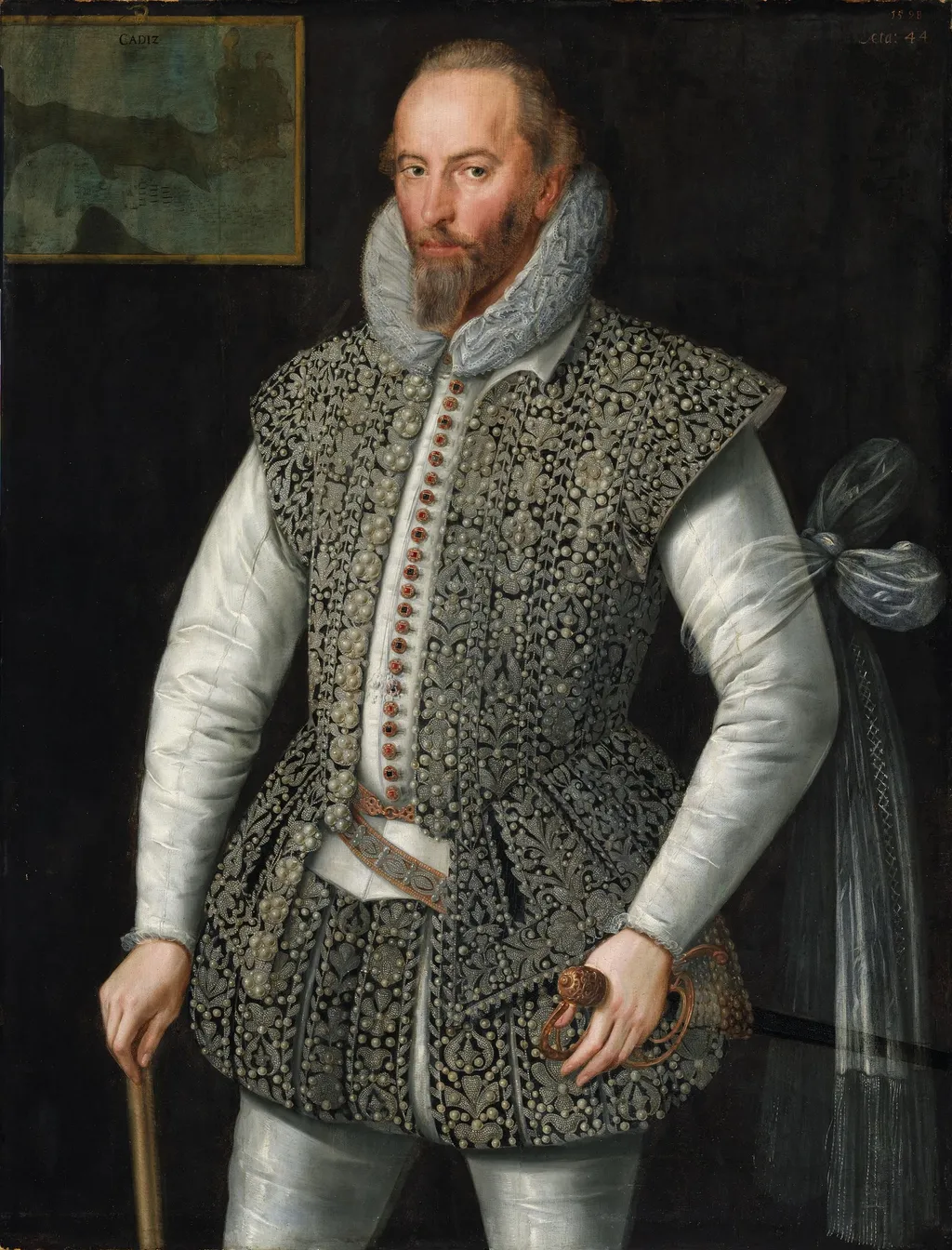
Portrait of Sir Walter Raleigh (1522-1618), Soldier and Historian is an oil painting by William Segar. It dates from 1600 and is held in the collection of the National Gallery of Ireland.
About this work
Overview
Painted in 1600 by William Segar, this oil portrait captures Sir Walter Raleigh at the height of his influence. Segar, serving as an officer of arms to both Elizabeth I and James I, was accustomed to portraying elite court figures. The work belongs to the formal portraiture tradition of the late Tudor and early Stuart periods and is now part of the National Gallery of Ireland’s collection.
Subject & Meaning
His stance, one hand on a sword and the other holding a cane, suggests both martial readiness and refined composure.
Sir Walter Raleigh, a soldier, explorer, and writer, is depicted with quiet authority. His stance, one hand on a sword and the other holding a cane, suggests both martial readiness and refined composure. The inclusion of these objects reflects his dual identity as a man of action and a cultured courtier, aligning his image with the ideals of noble service and intellectual distinction in Elizabethan England.
Technique & Style
Segar employed precise brushwork to render the textures of Raleigh’s attire—the lace of the high collar, the sheen of pearls on the black vest, and the patterned belt. The dark, unmodeled background isolates the figure, emphasizing his presence. The composition is frontal and symmetrical, typical of official portraiture, with attention to detail in fabric and adornment conveying status rather than psychological depth.
History & Provenance
Commissioned during Raleigh’s period of favor at court, the portrait was likely created to affirm his standing before his eventual fall from grace. It remained in private collections before entering the National Gallery of Ireland’s holdings. Its survival through centuries of political upheaval underscores its role as a visual record of a key figure in England’s imperial and literary history.
Context
In 1600, Raleigh was a prominent but increasingly vulnerable figure at the English court. His expeditions and writings had earned him fame, yet his rivalry with court factions and his association with controversial projects made him a target. This portrait, produced just years before his imprisonment and execution, reflects the tension between public prestige and political fragility in the late Tudor era.
Legacy
Segar’s portrait endures as a representative example of courtly portraiture in early 17th-century England. It preserves the visual language of power and refinement used by the elite to project identity. While not widely exhibited, it remains a key reference for understanding how figures like Raleigh were visually constructed within the rigid hierarchies of their time.
Own this work as a print
Artist & collection
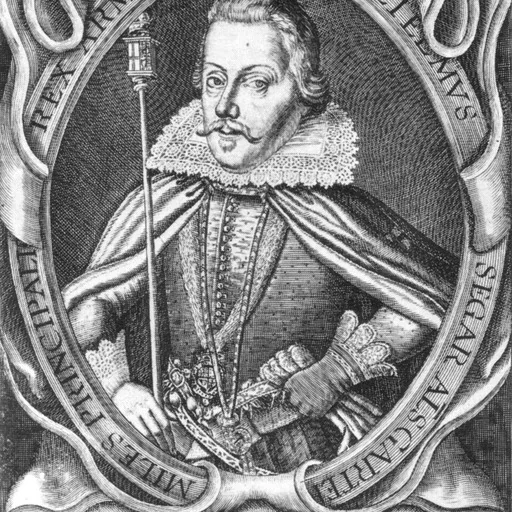
Artist
Sir William Segar (c. 1554–1633) was a portrait painter and officer of arms to the court of Elizabeth I of England; he became Garter King of Arms under James I. Like other artists of the Tudor court, Segar was active in…

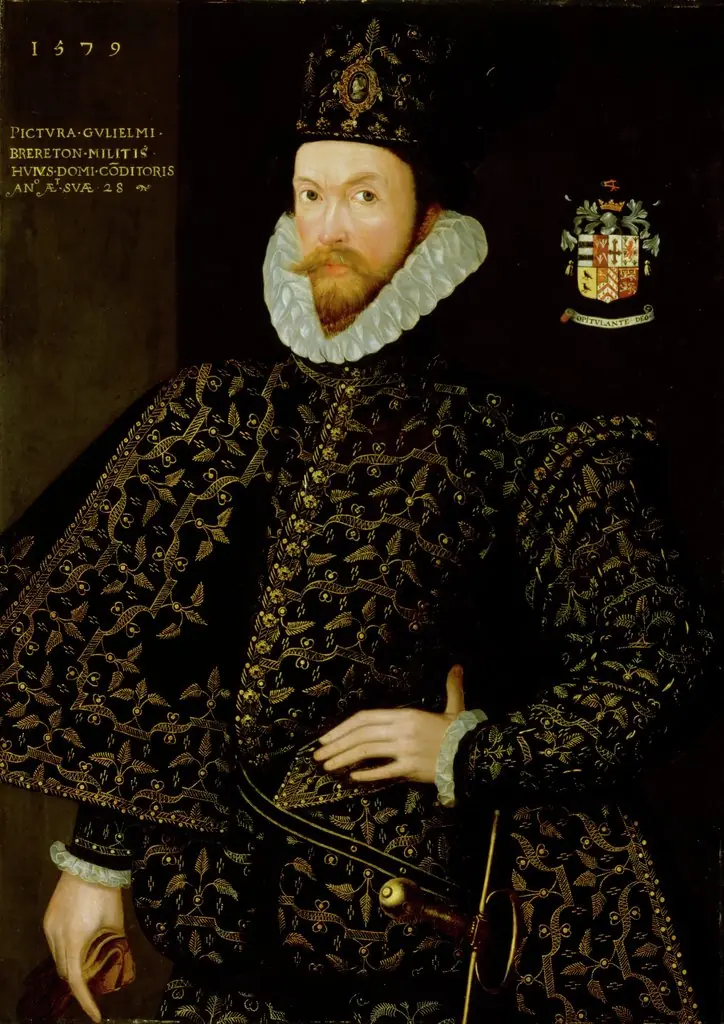 Sir William Brereton, 1579
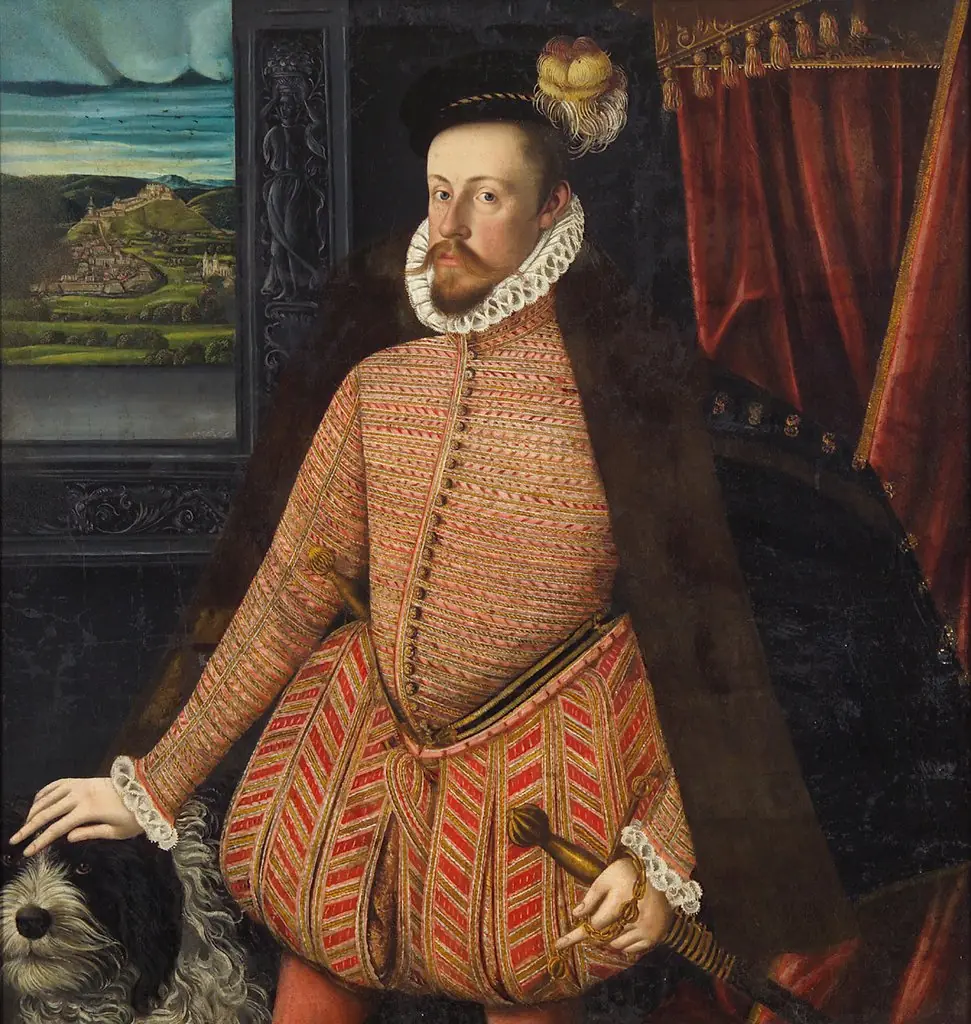 Erzherzog Karl II. (1540-1590) mit dem Blick auf Graz, Kniestück
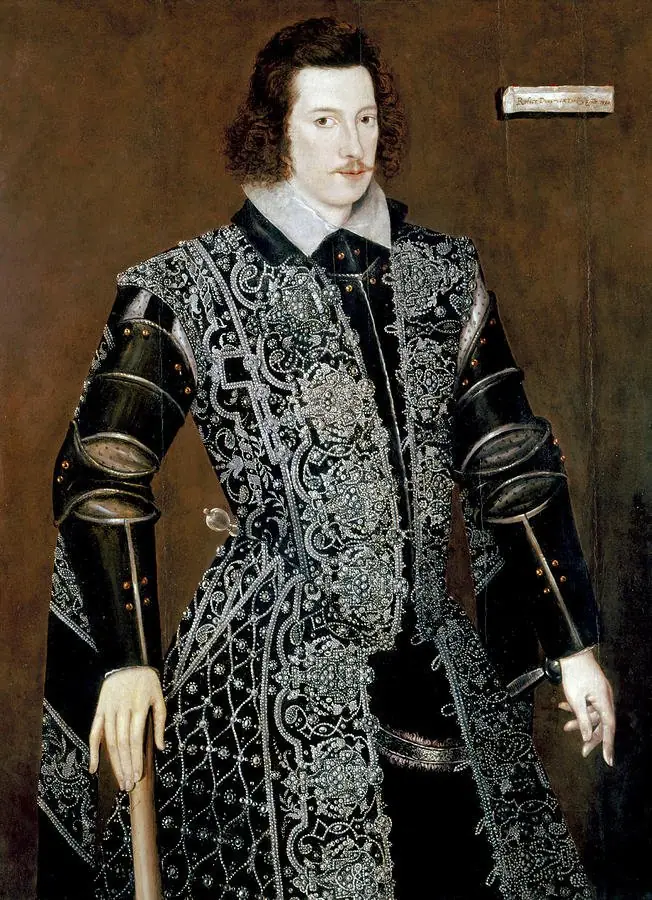
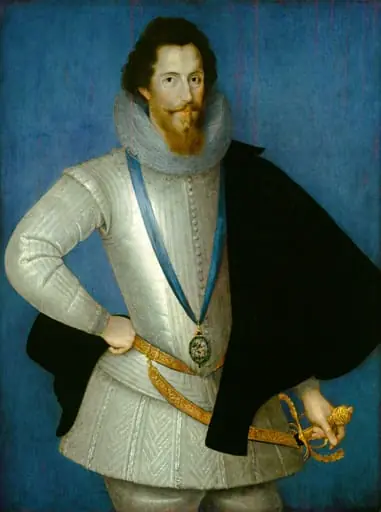 Robert Devereux, 2nd Earl of Essex
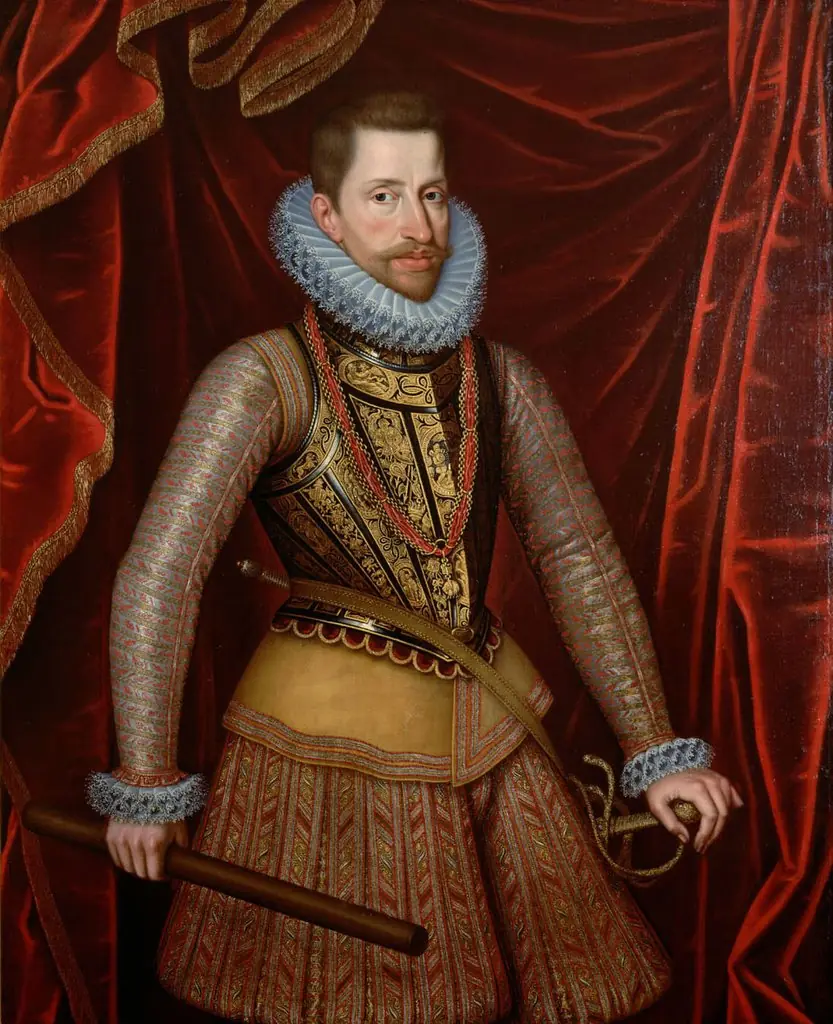 Portrait of Albrecht VII, Archduke of Austria (1559-1621)
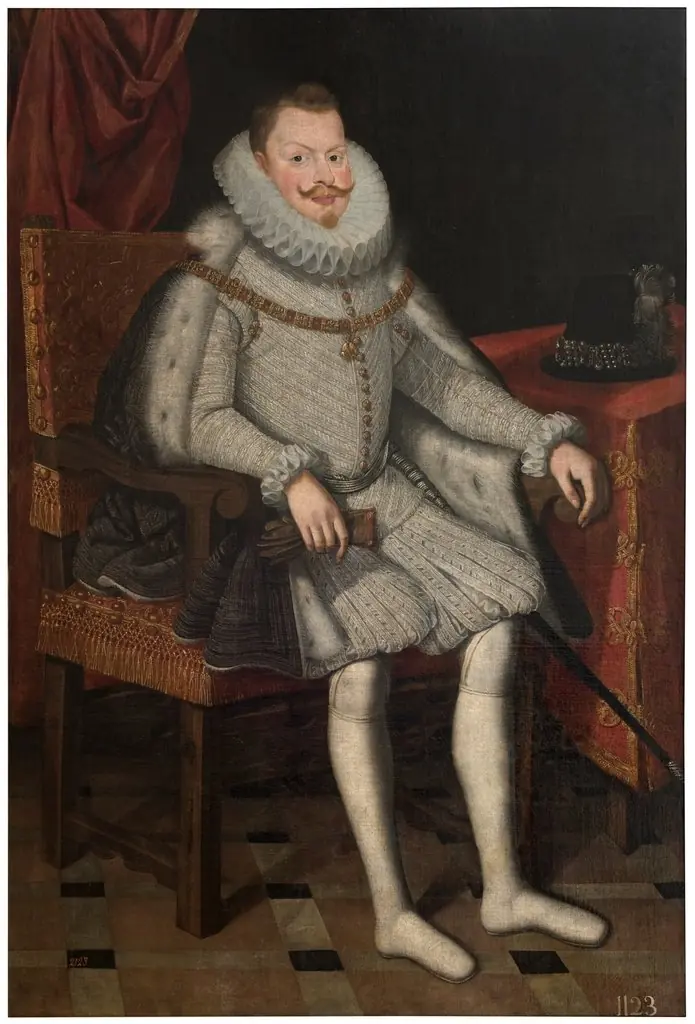 Felipe III rey de España sedente
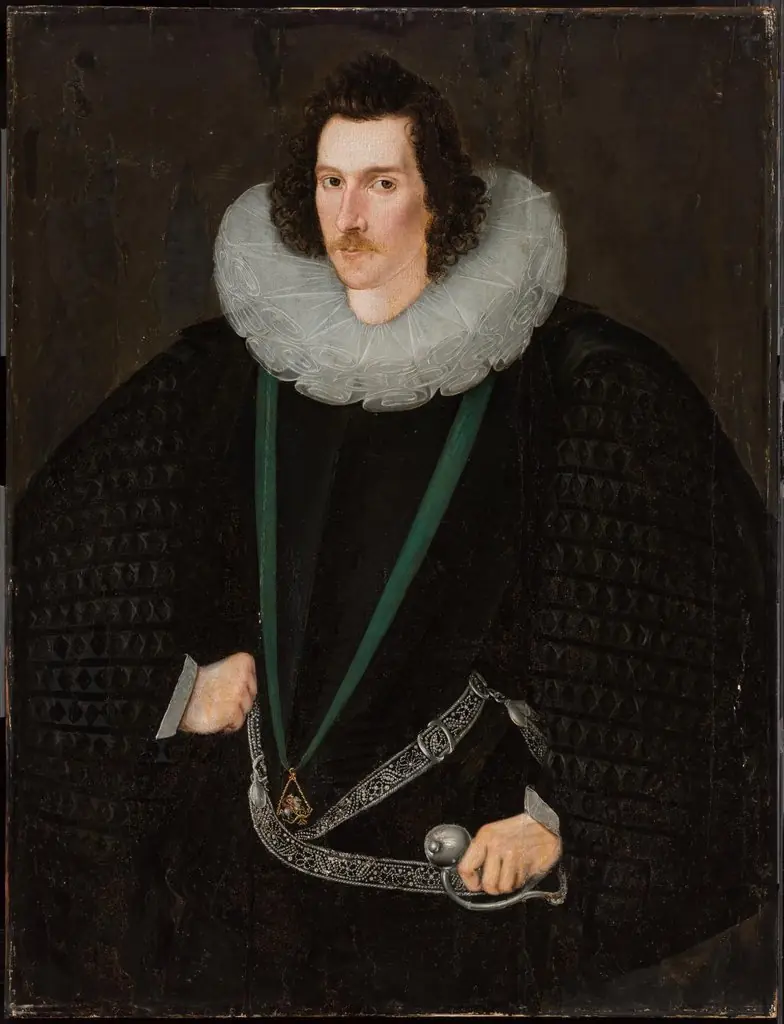
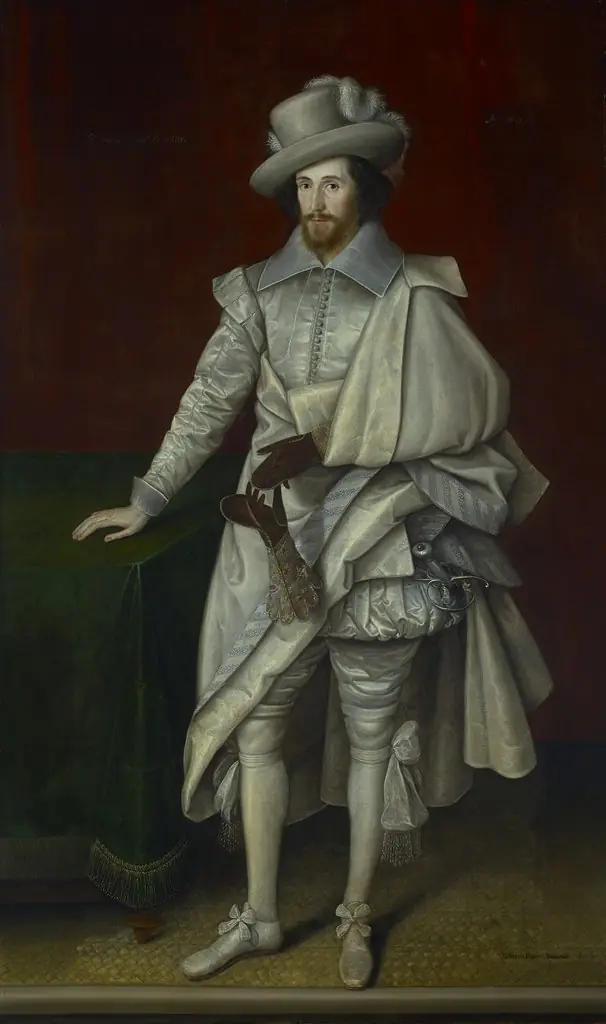 Henry Cary, 1st Viscount Falkland (died 1633)
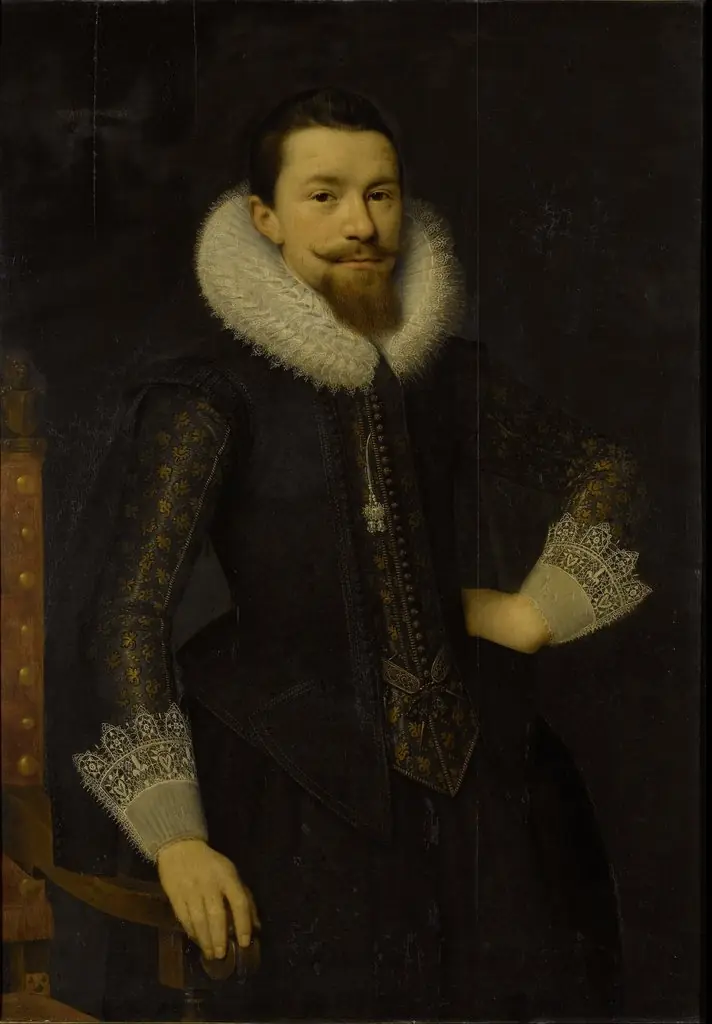 Portrait of Pieter Boudaen Courten (1594-1668)
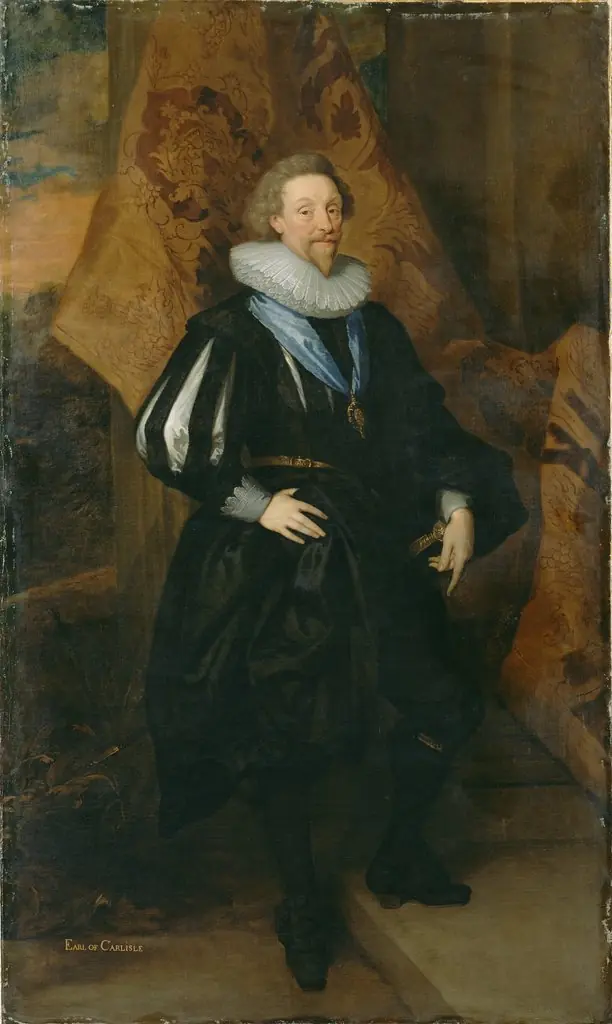 Portrait of James Hay, 1st Earl of Carlisle
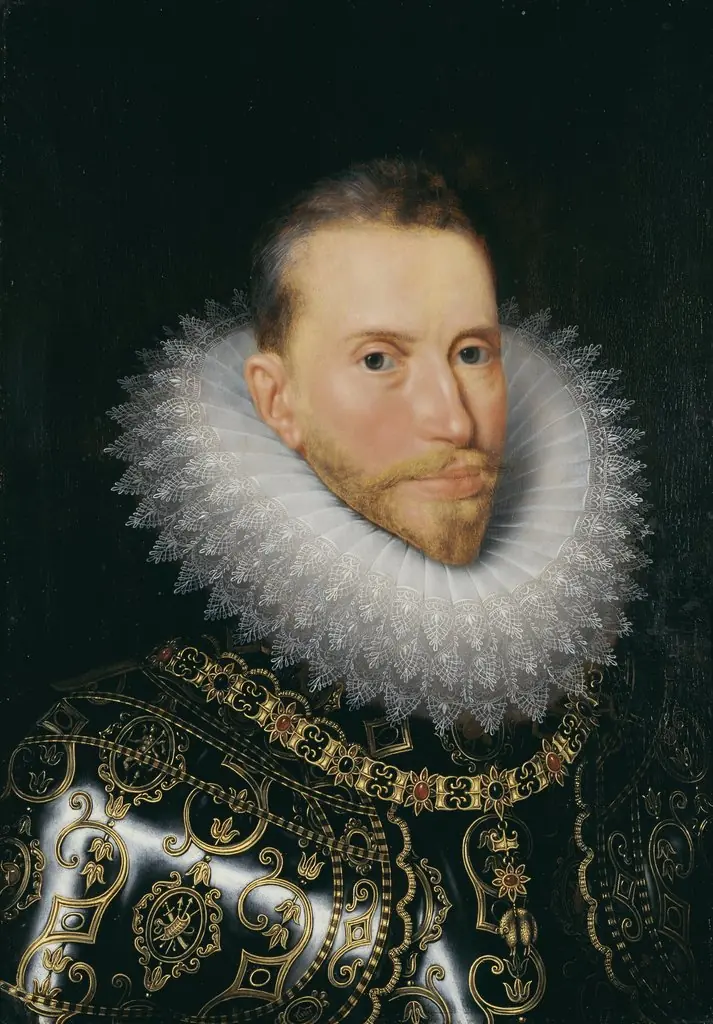 Portrait of the Archduke Albert
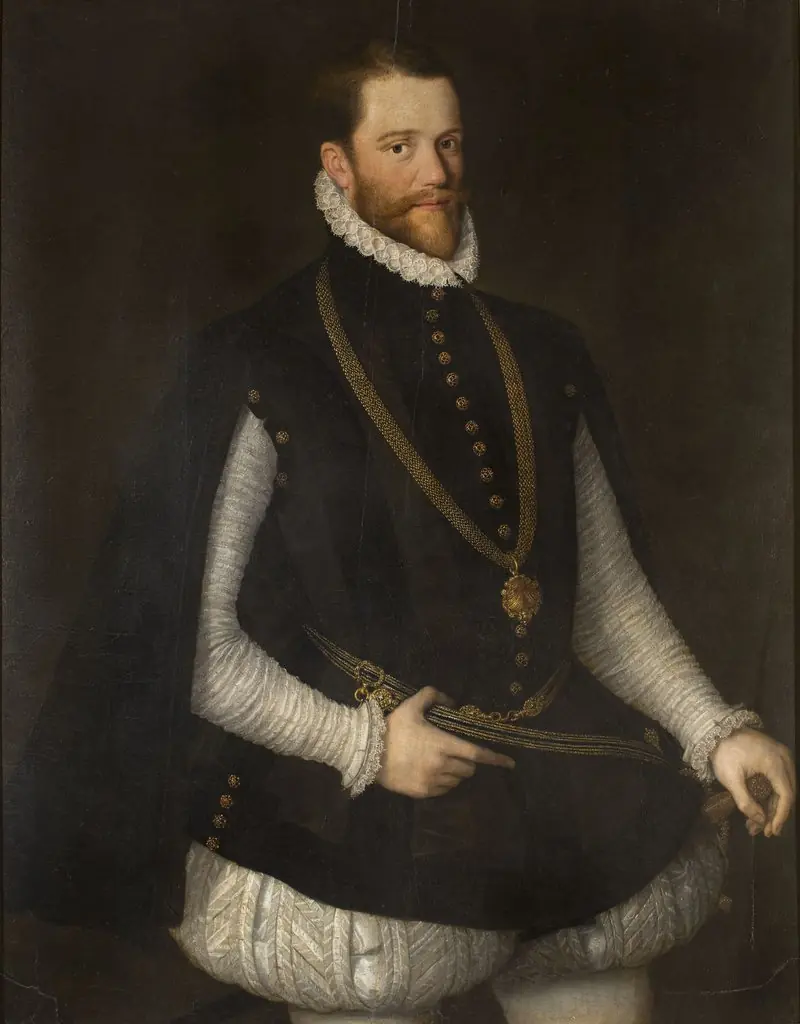 Portrait of a Gentleman of the order of Saint James
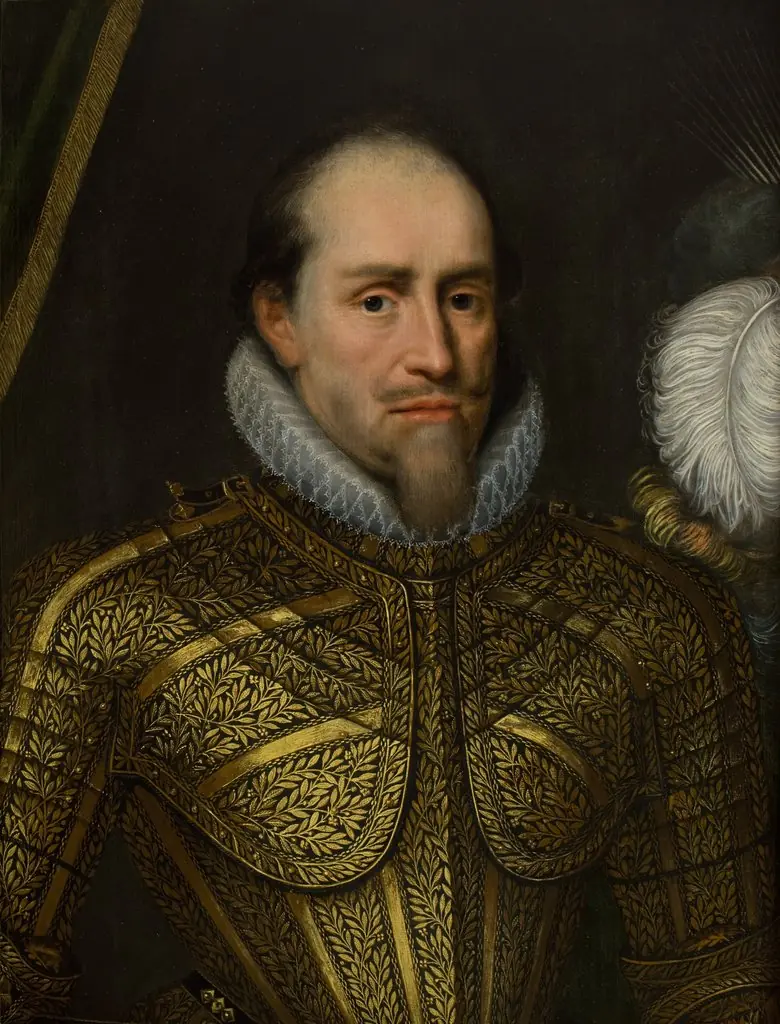 Portrait of a Man in Armour