Artwork
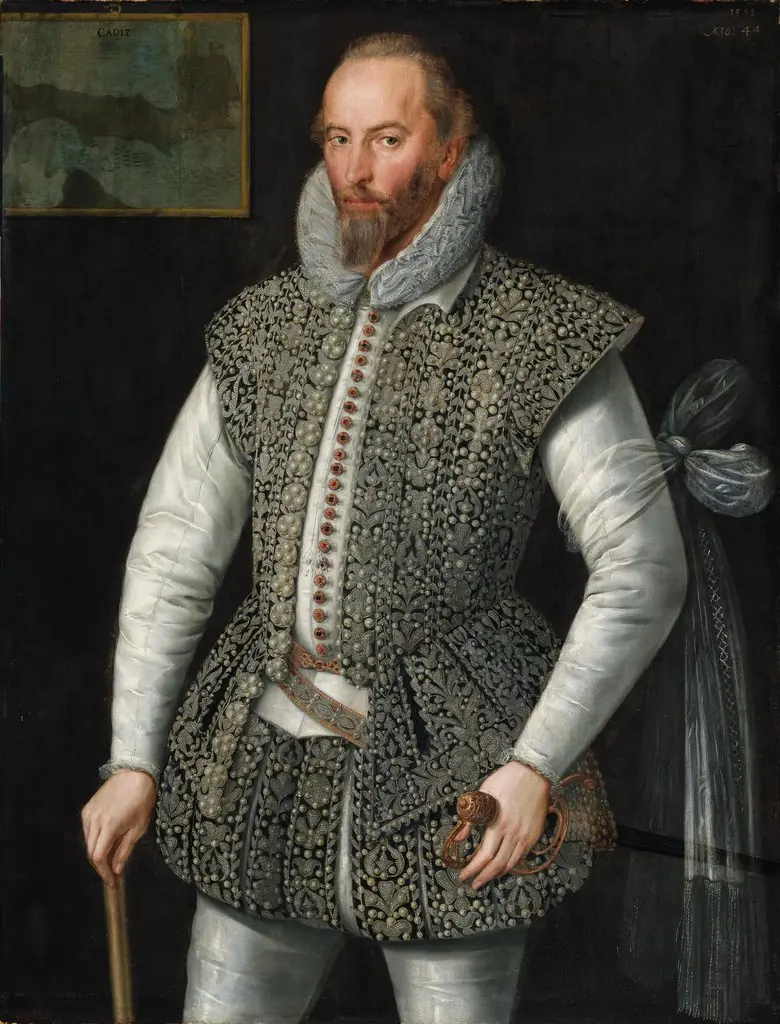
Portrait of Robert Dudley (?1532-1588) Earl of Leicester
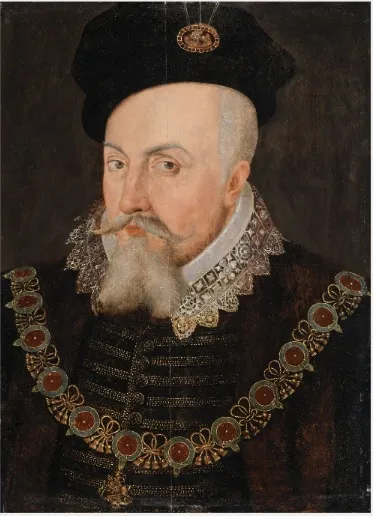
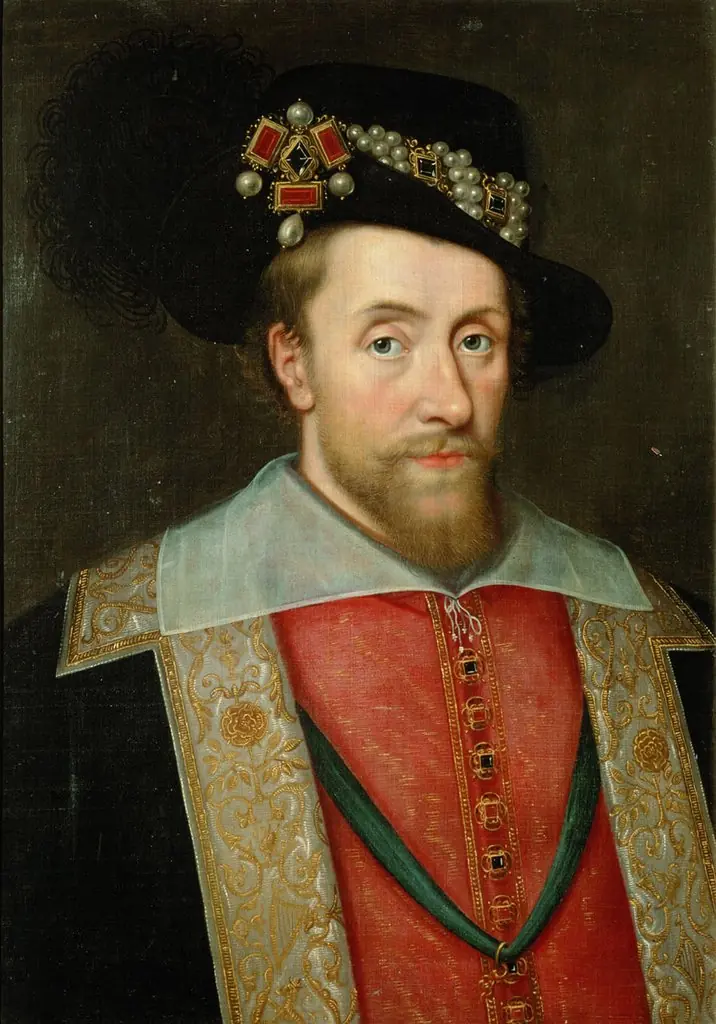
Portrait of Robert Dudley (?1532-1588) Earl of Leicester is an unspecified painting by William Segar. It dates from 1608 and is held in the collection of the National Gallery of Ireland. This portrait, created around 1608, depicts Robert Dudley, Earl of Leicester, a prominent figure in Elizabeth I’s court.
About this work
Overview
This portrait, created around 1608, depicts Robert Dudley, Earl of Leicester, a prominent figure in Elizabeth I’s court. Painted by Sir William Segar, a court portraitist and officer of arms, the work is characterized by its realistic style and attention to detail.
Subject & Meaning
The subject, Robert Dudley (c.1532-1588), was a key figure in Queen Elizabeth I’s court. The portrait reflects his status, adorned with symbols of wealth and position: a gold chain, an emblazoned hat, and intricately designed attire. His serious demeanor and direct gaze convey authority.
Technique & Style
Segar employed chiaroscuro to create depth and dimensionality, set against a dark background that accentuates the subject. The painting’s realism is evident in the detailed rendering of textiles, jewelry, and facial features.
History & Provenance
Painted during Segar’s tenure as a portrait painter at the Tudor court (later Garter King of Arms under James I), the portrait is now part of the National Gallery of Ireland’s collection.
Context
Part of Segar’s documentation of the Tudor elite, this work is contemporaneous with other portraits of notable figures, including the Earl of Essex, highlighting the artist’s role in capturing the era’s nobility.
Legacy
While specific legacy details of this portrait are not highlighted, it remains a significant example of late Tudor portraiture, offering insight into the period’s aesthetics and the social stature of its subjects.
Artist & collection
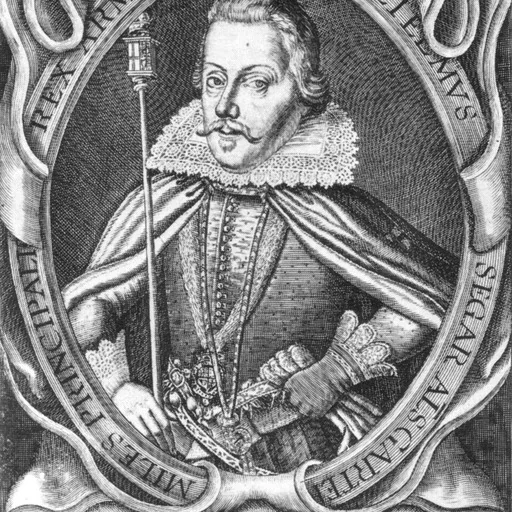
Artist
Sir William Segar (c. 1554–1633) was a portrait painter and officer of arms to the court of Elizabeth I of England; he became Garter King of Arms under James I. Like other artists of the Tudor court, Segar was active in…

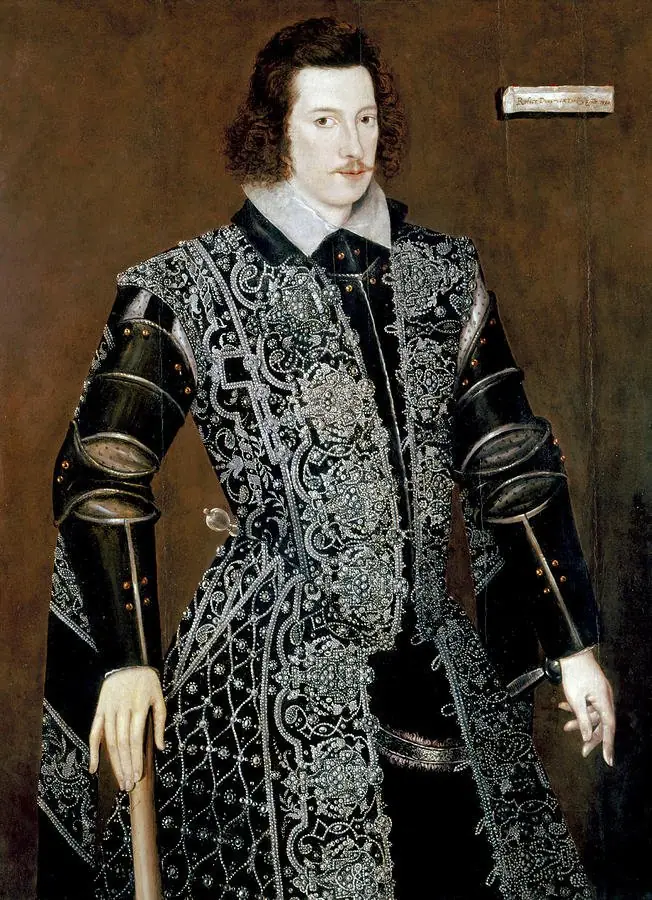
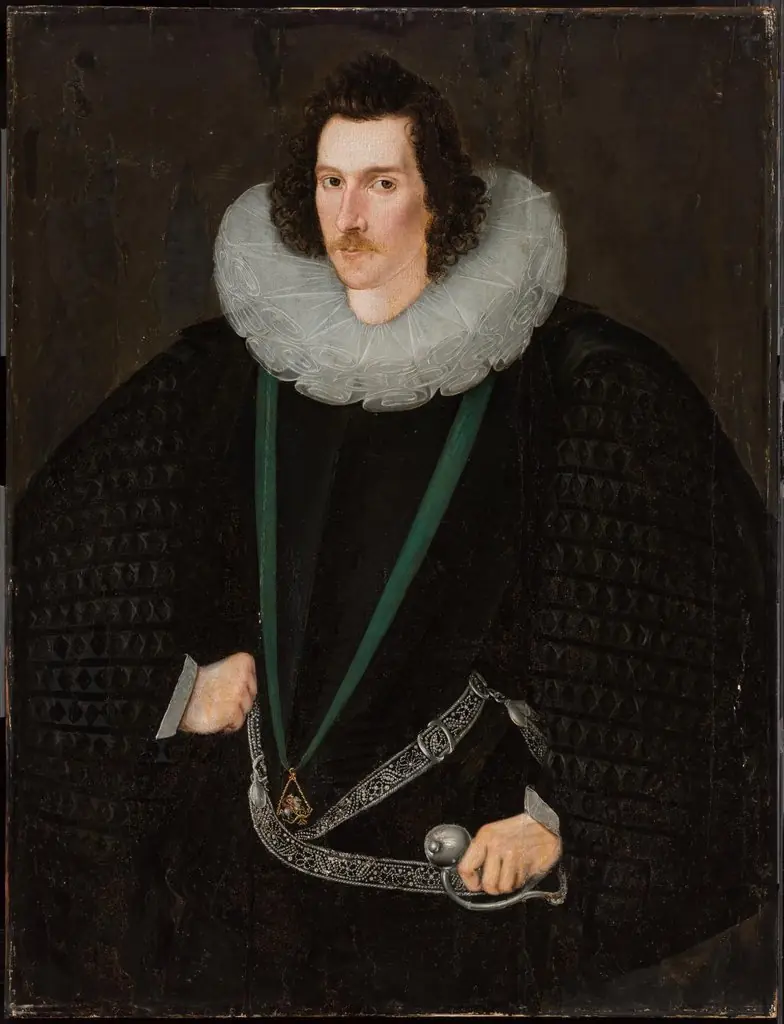
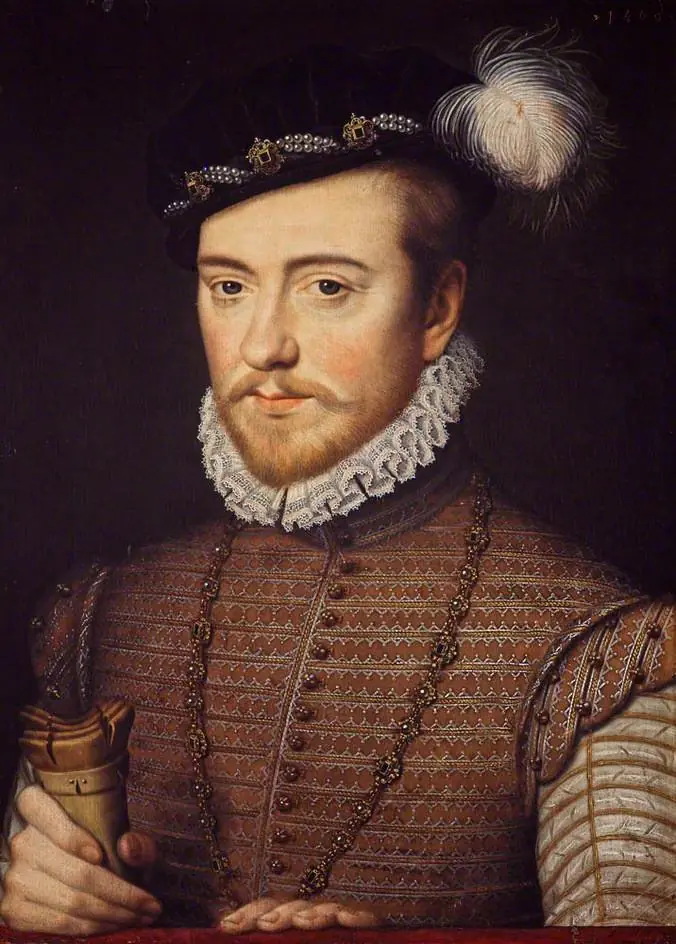 Portrait of a Man, called the Duc d'Alençon
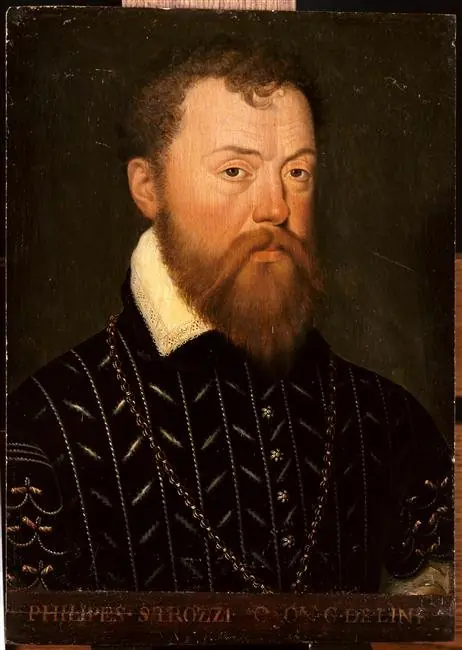 Pierre Strozzi, maréchal de France
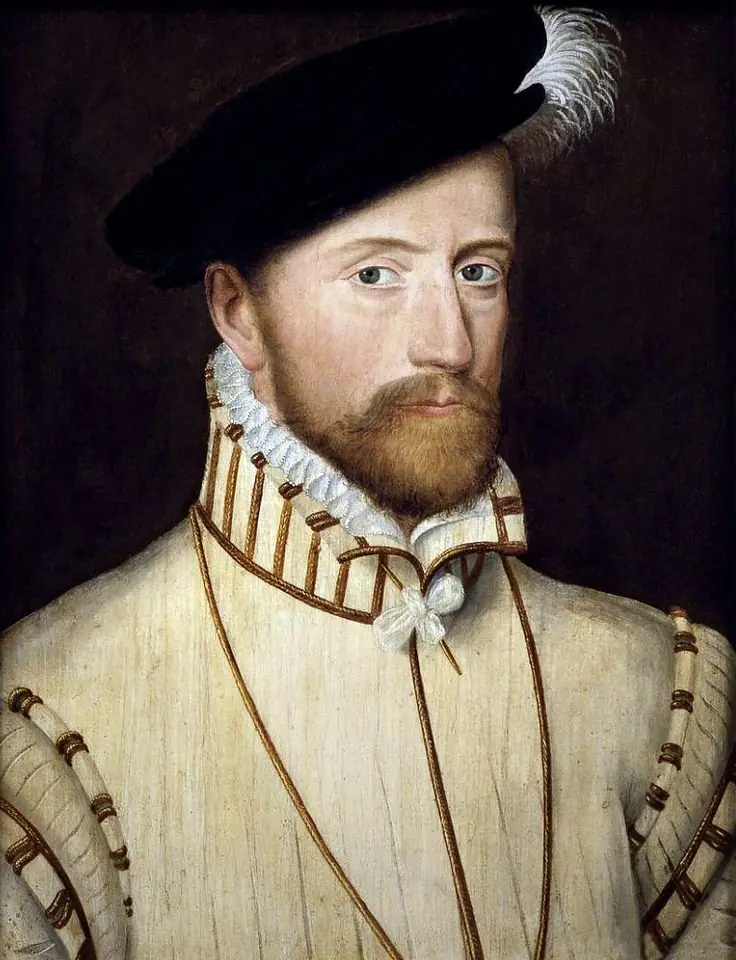 Jacques d'Albon, seigneur de Saint-André (ca. 1505-1562), Marschall von Frankreich
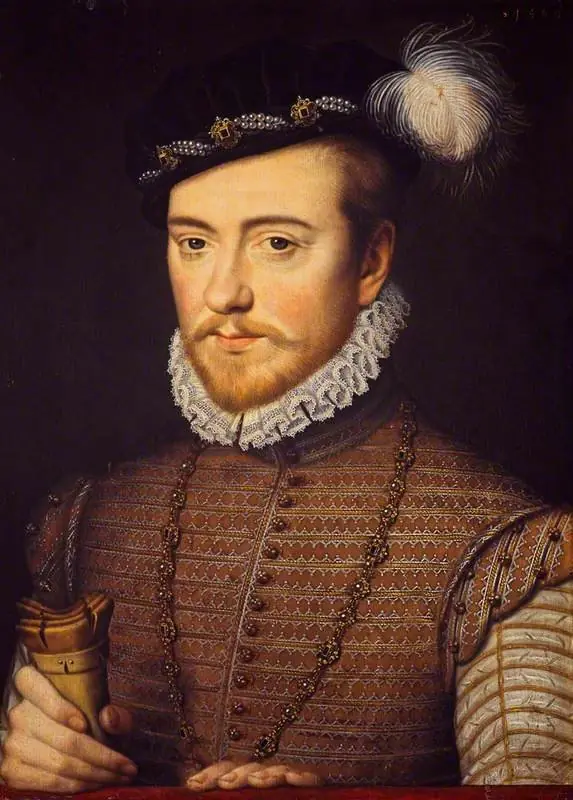 Portrait of a Man (said to be the Duc d'Alençon)
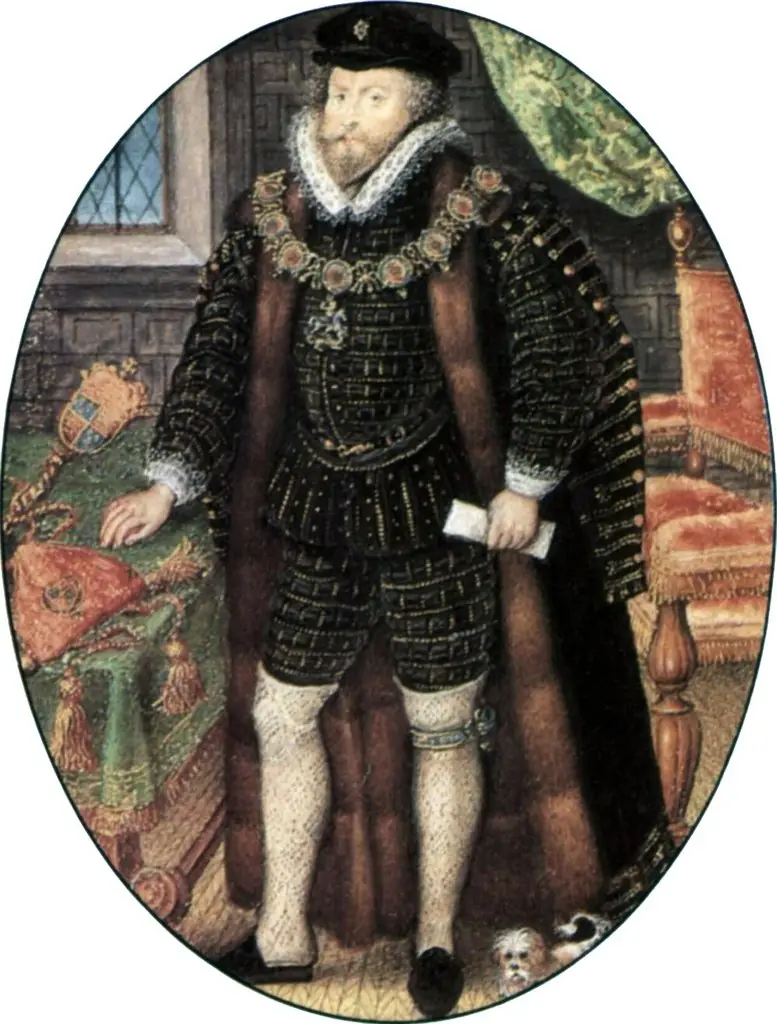 Sir Christopher Hatton
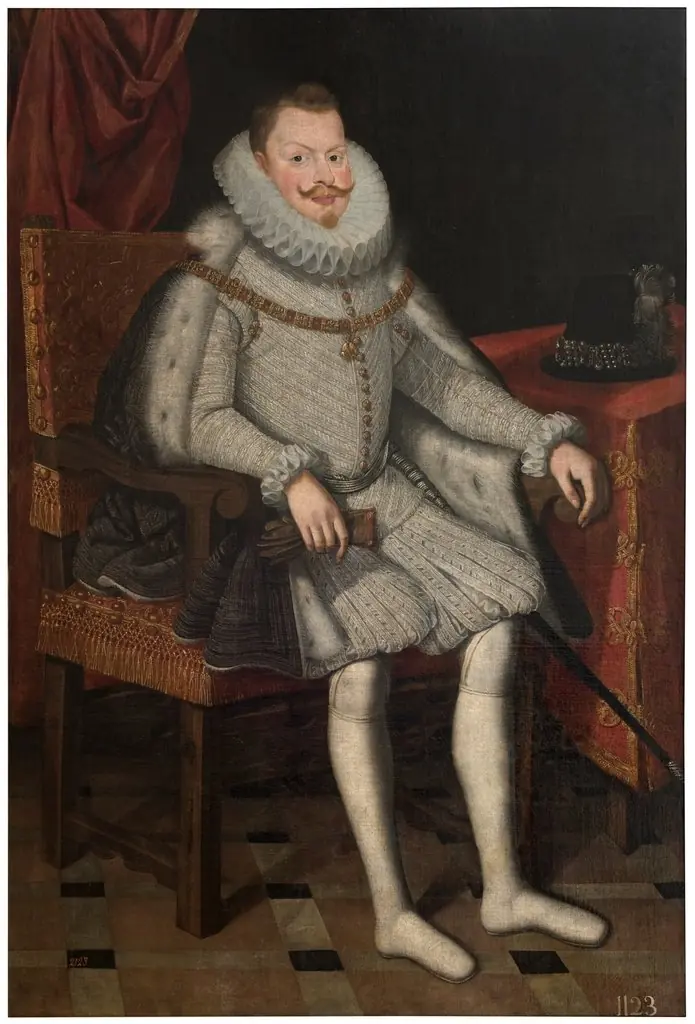 Felipe III rey de España sedente
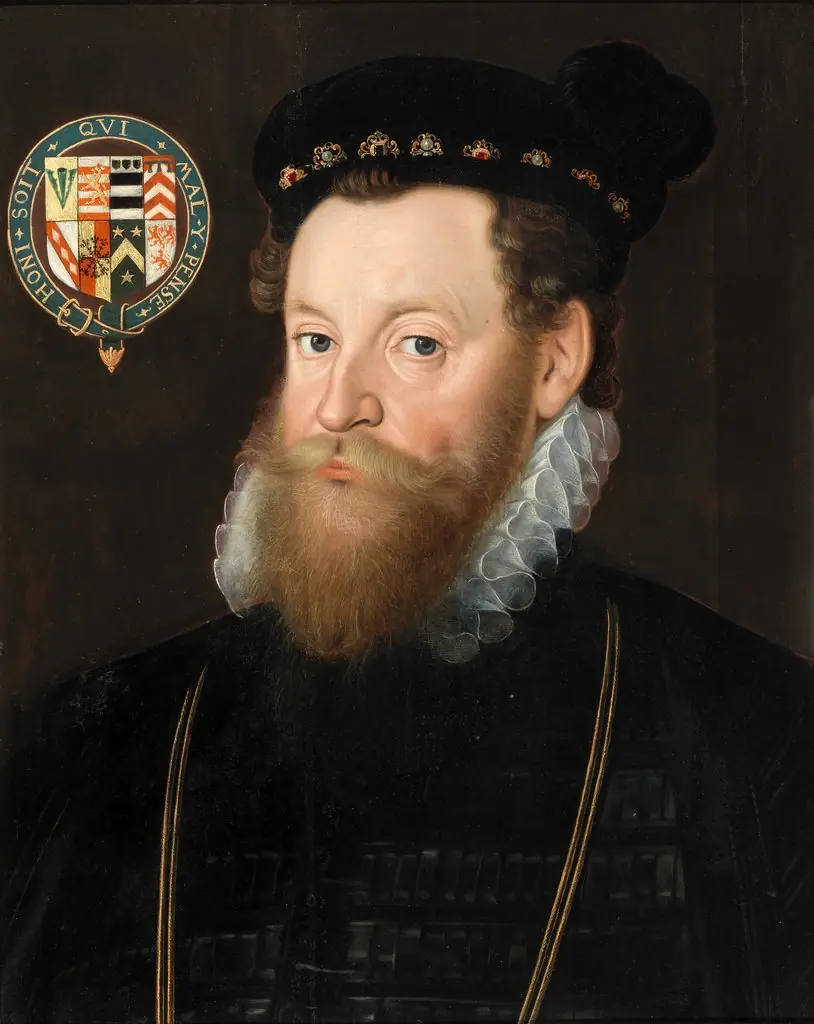 Portrait of Sir Henry Sidney (1529-1586), Lord Deputy of Ireland
 Portrait of James I with The Three Brothers