Artwork
Portrait of James Hay, 1st Earl of Carlisle
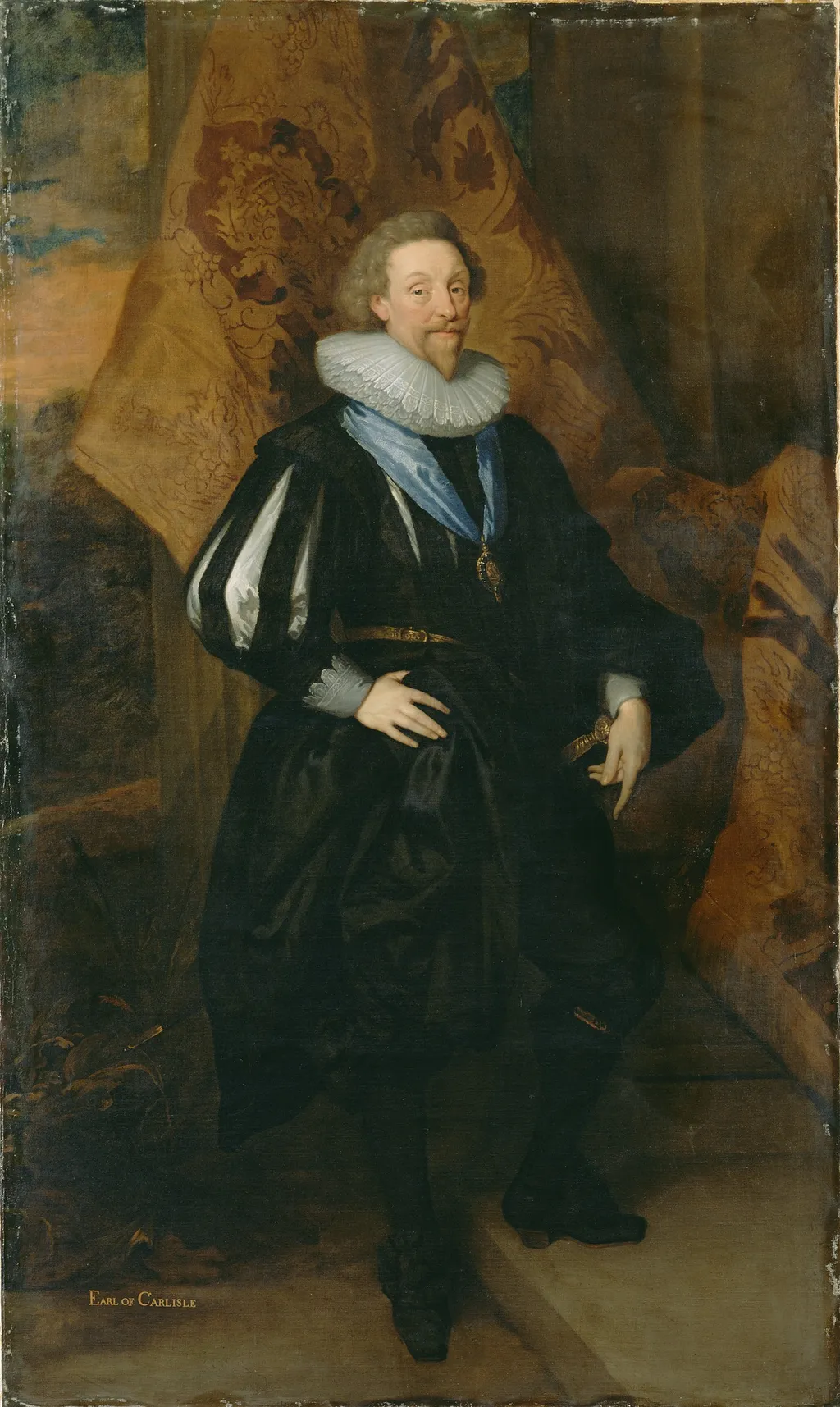
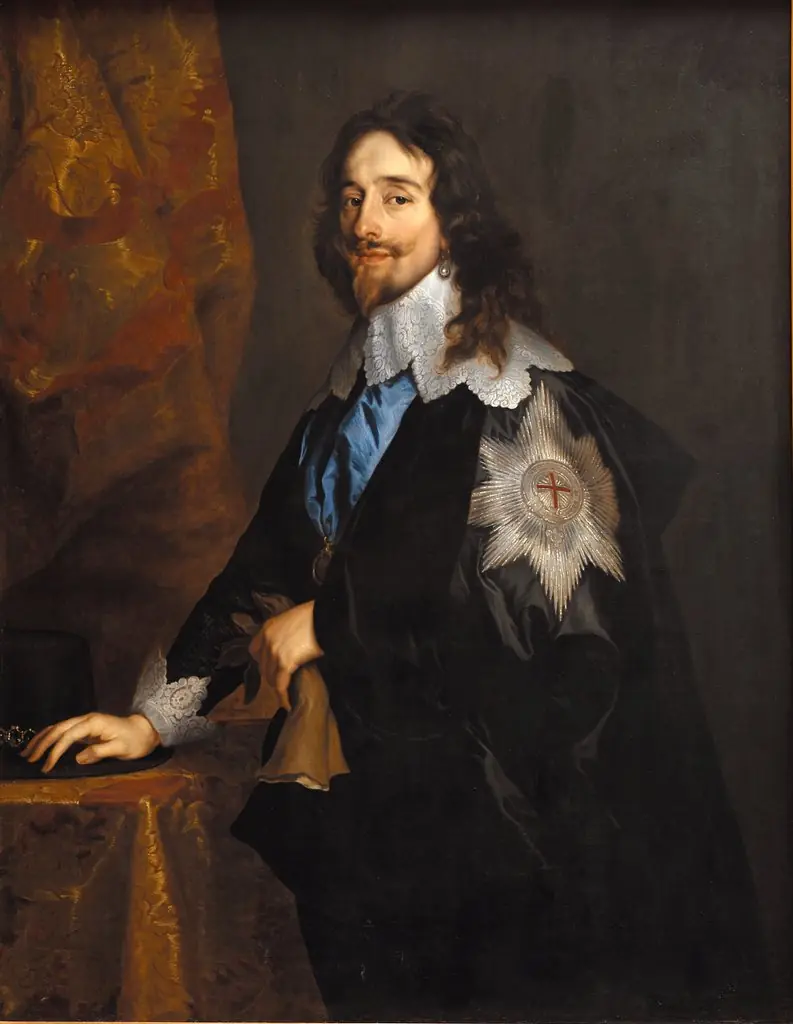
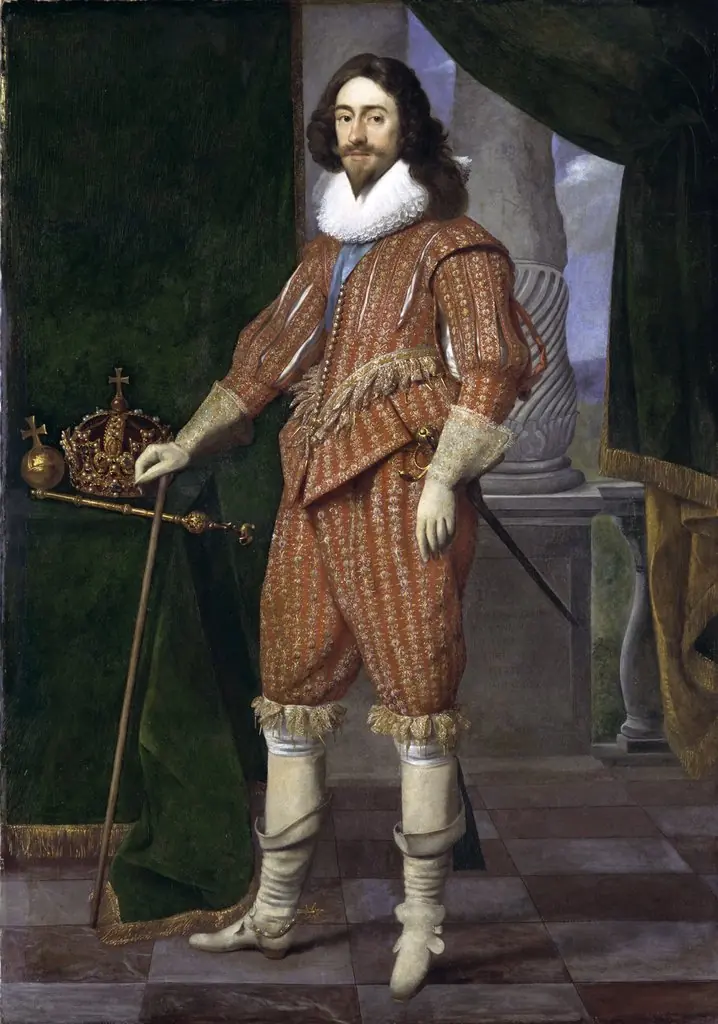
Portrait of James Hay, 1st Earl of Carlisle is an oil painting by Unknown. It dates from 1660 and is held in the collection of the J. Paul Getty Museum. This oil painting depicts James Hay, 1st Earl of Carlisle, in full aristocratic regalia.
About this work
Overview
The composition emphasizes his posture and adornments, with the tapestry providing a textured backdrop that enhances spatial depth.
This oil painting depicts James Hay, 1st Earl of Carlisle, in full aristocratic regalia. Rendered in the early 17th century, the portrait presents him standing confidently before a richly detailed tapestry. His attire, including a black coat, white lace collar, blue sash, and gold belt, signals his noble status. The composition emphasizes his posture and adornments, with the tapestry providing a textured backdrop that enhances spatial depth.
Subject & Meaning
James Hay is portrayed as a man of rank and authority, his pose—hand on hip, sword at side—conveying composure and military bearing. The blue sash and medal likely denote honors received from the crown, while the elaborate wig and beard reflect contemporary ideals of gentlemanly refinement. The tapestry behind him may allude to his cultural patronage or familial heritage, reinforcing his position within the courtly elite.
Technique & Style
The artist employs subtle gradations of light to model the textures of fabric, lace, and metal, lending realism to the Earl’s garments. The tapestry is rendered with careful attention to pattern and shadow, creating a sense of volume without distracting from the figure. Brushwork is precise yet restrained, favoring clarity over flourish, typical of court portraiture of the period.
History & Provenance
Commissioned during Hay’s prominence at the court of James I, the portrait likely served to affirm his status following his elevation to earl in 1622. It remained within the Carlisle family for generations before entering public collection. Its survival reflects the enduring interest in preserving the visual legacy of Stuart-era nobility.
Context
Portraits like this were common among English aristocrats in the early 1600s, used to project power and lineage. The inclusion of a tapestry, rather than a landscape or architectural setting, aligns with a preference for interior, domestic grandeur. Such images reinforced social hierarchy and were often displayed in family residences or royal courts.
Legacy
The portrait remains a documented example of Stuart-era aristocratic representation, offering insight into the visual language of power during a period of political and cultural transition. Its preservation allows study of costume, symbolism, and portraiture conventions among the English nobility before the Civil War.
Artist & collection

 Domestic Scene
 Giacomo and Cardinal Marco, investing Andrea, Abbot of San Zeno, with his Benefice
 The Nymph of Fontainebleau
 Portrait of a Woman
 Madonna and Child with Saints in the Enclosed Garden
 Venus and Minerva
 Family Group of Four on Sofa
 Wall painting from Room H of the Villa of P. Fannius Synistor at Boscoreale
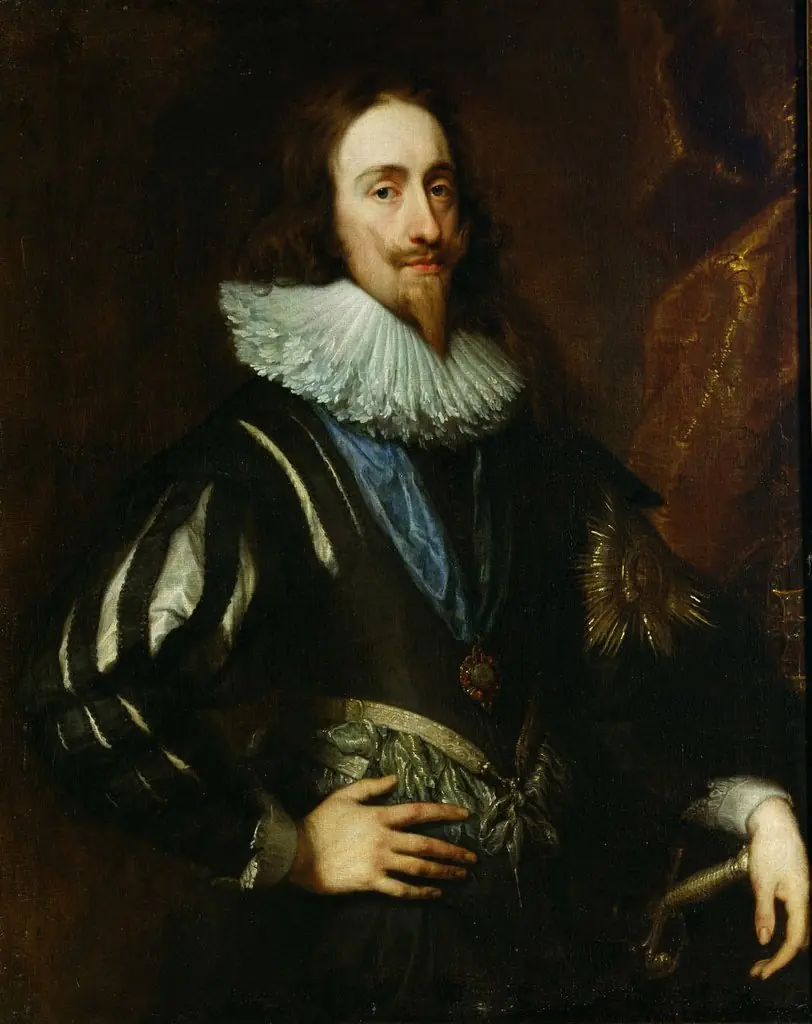 King Charles I of England (1600-1649), three-quarter portrait
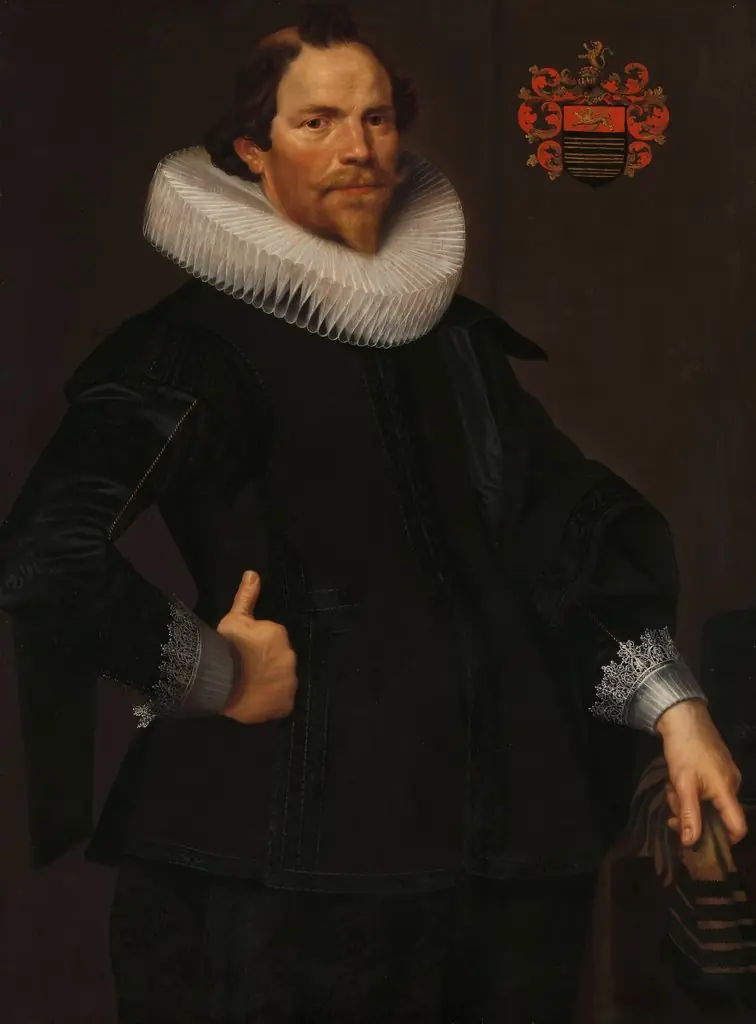 Portrait of Pieter van Son (c. 1590-1654)
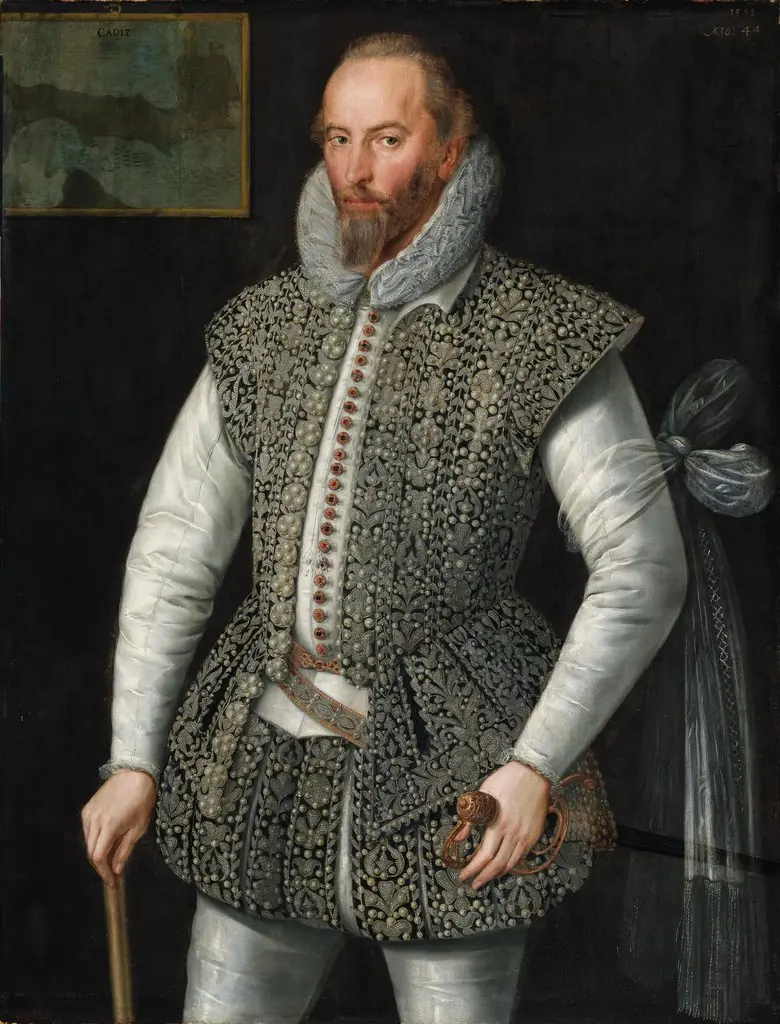 Portrait of Sir Walter Raleigh (1522-1618), Soldier and Historian
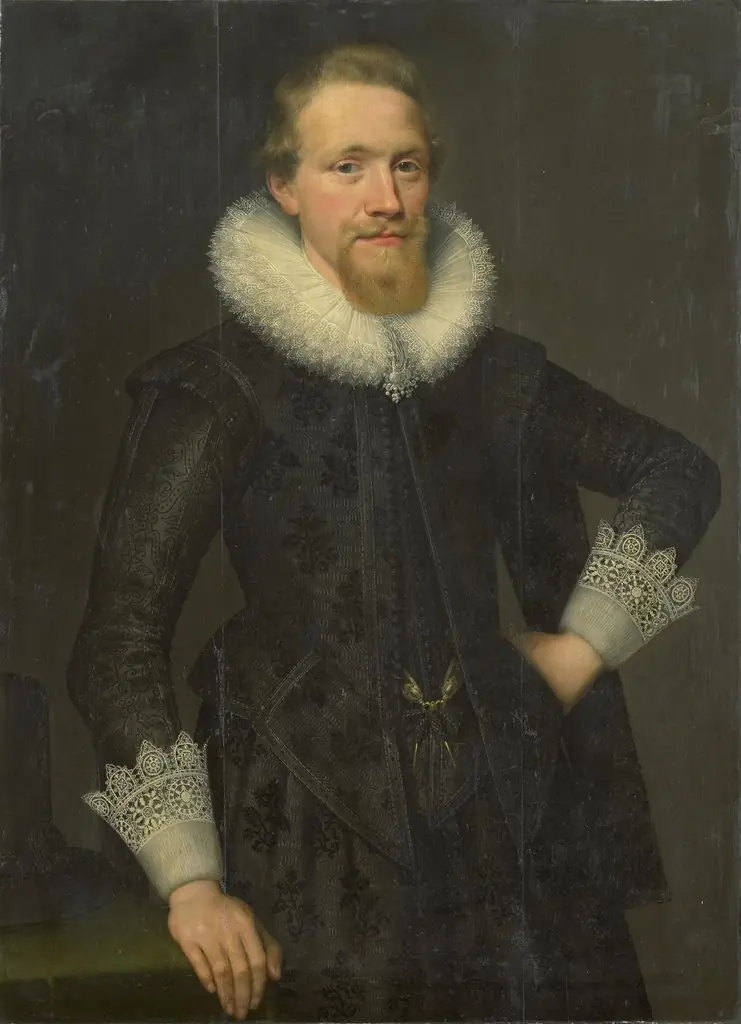 Portrait of Jacob Pergens (?-1681)
 King Charles I of England
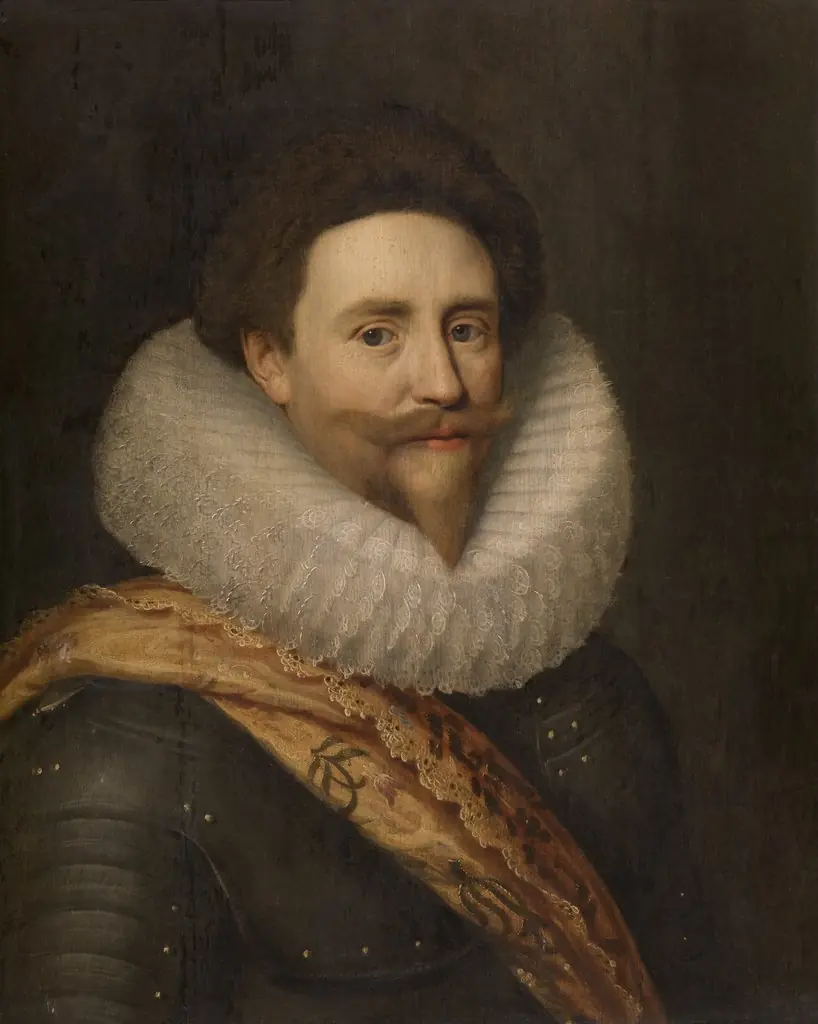 Frederik Hendrik Nassau, Prince of Orange
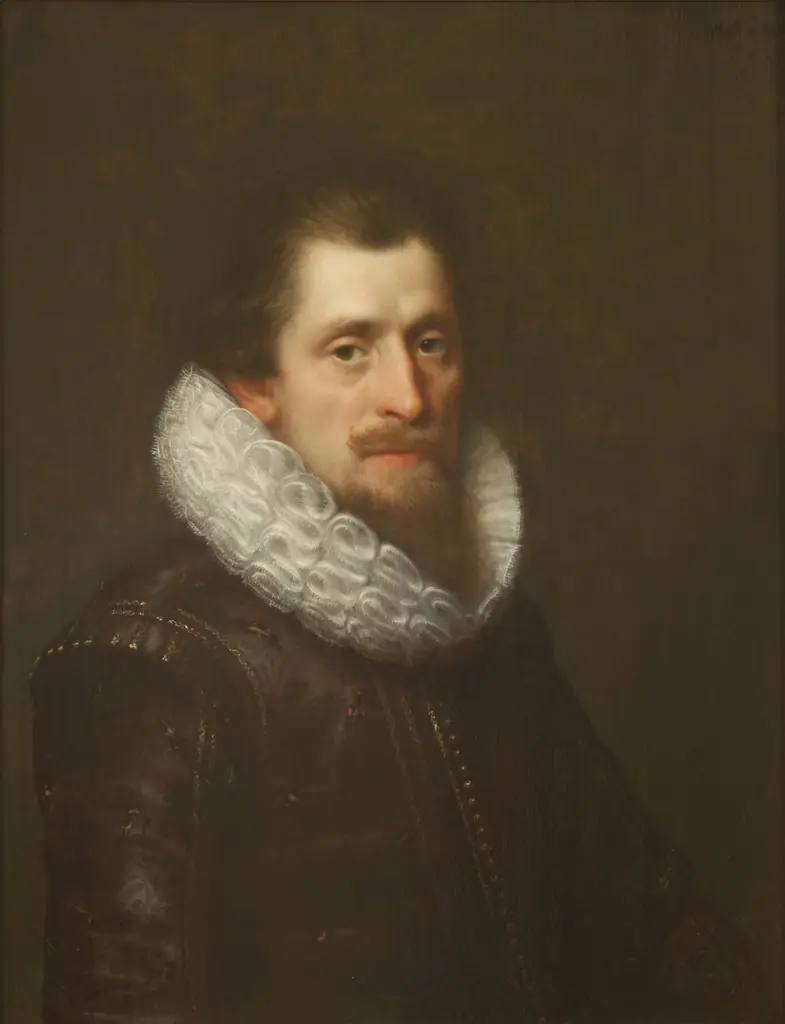 Portrait of a gentleman
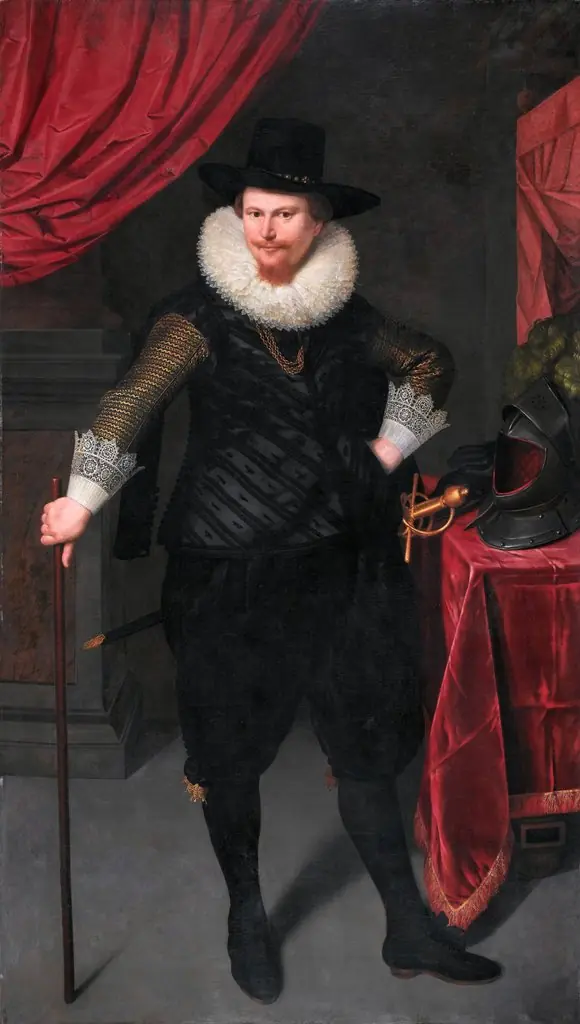 Portrait of Laurens Reael
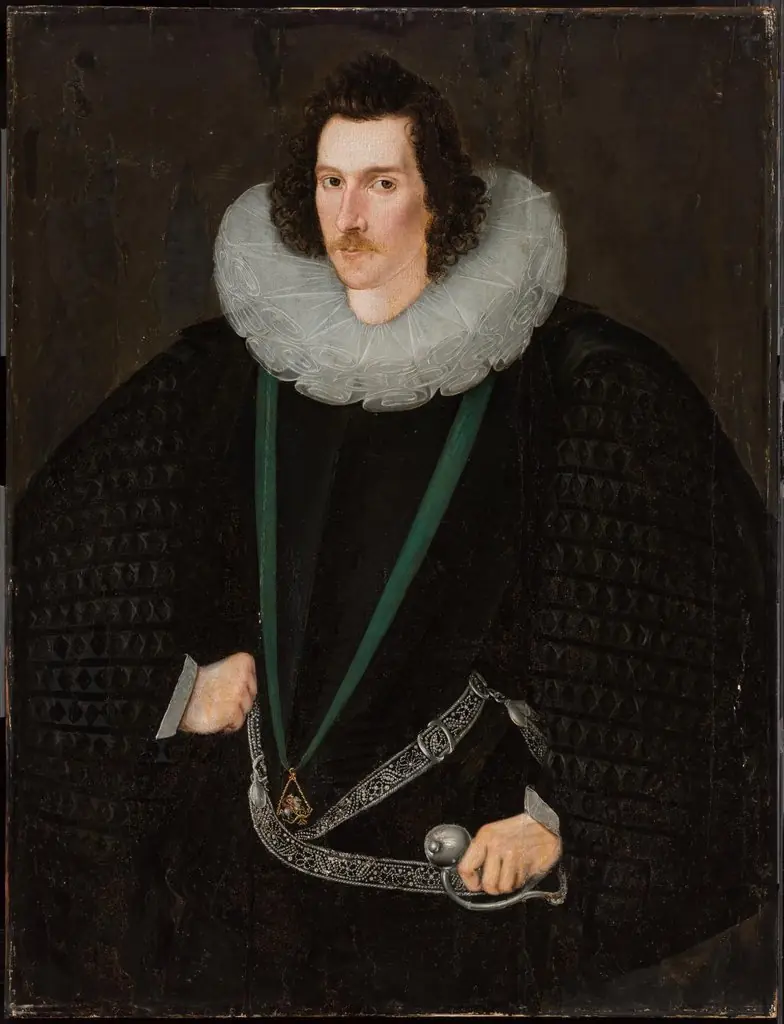 Robert Devereux, 2nd Earl of Essex, as a Knight of the Garter
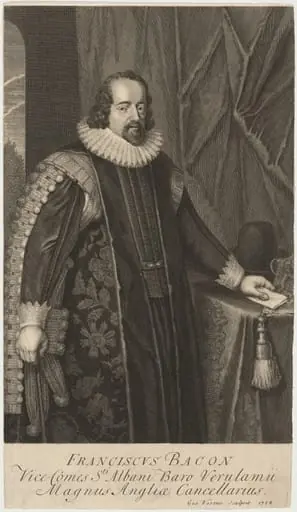 Francis Bacon, Viscount Saint Albans
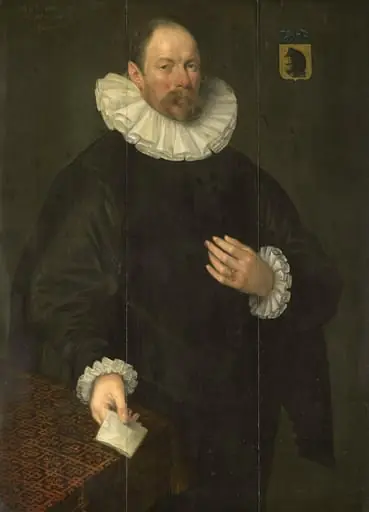 Portrait of Paulus Cornelisz van Beresteyn (1548-1625), Burgomaster of Delft
 Portrait of Charles I of England