Artwork
Female Nude
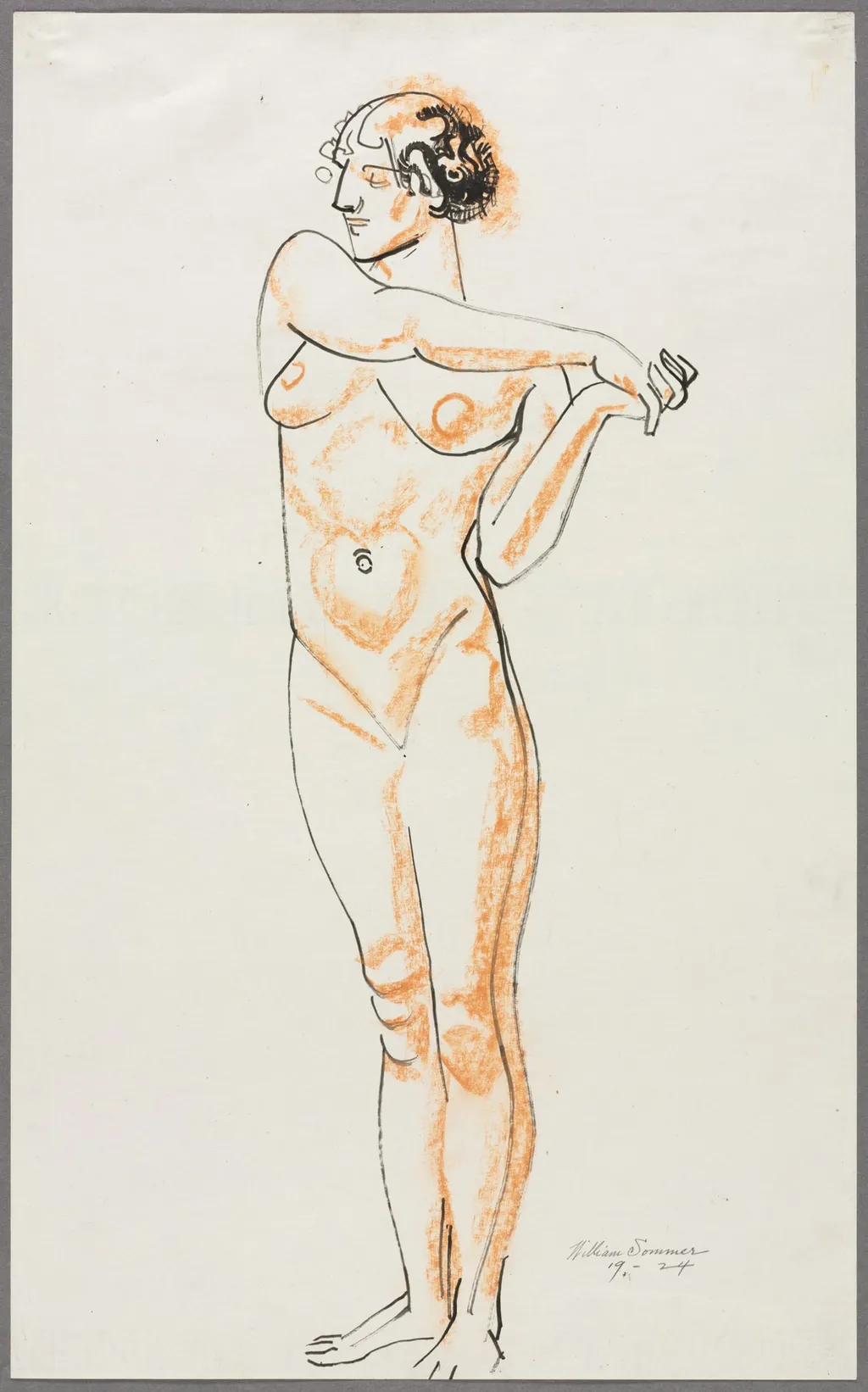
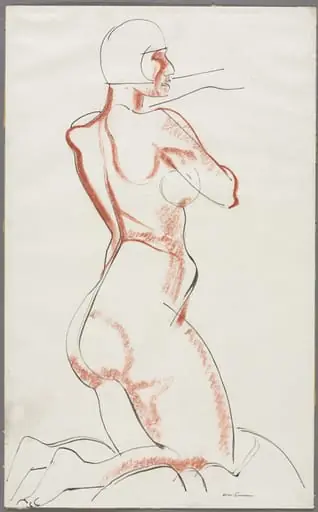
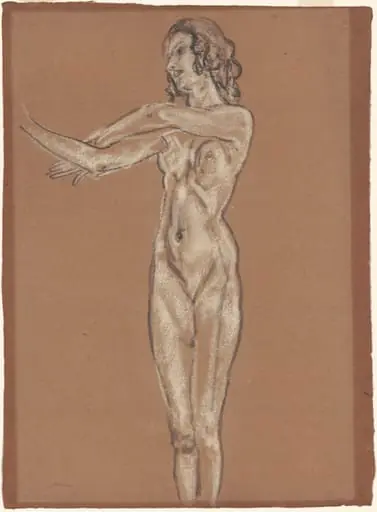
Female Nude is a drawing by William Sommer. It dates from 1924 and is held in the collection of the Cleveland Museum of Art.
About this work
This drawing shows a standing woman from the back, her body turned slightly to the side.
This drawing shows a standing woman from the back, her body turned slightly to the side. Her arms are bent behind her head, and her hair is drawn in loose waves. The lines are simple but confident, with light shading to show her shape.
The artist left her face blank, focusing only on the body’s form. The sketch feels quick, like a study rather than a finished work.
If you like this style, look up William Sommer (American, 1867–1949) for more drawings.
Overview
William Sommer, an American artist born in 1867, produced this drawing in 1924 during a period of active engagement with modernist ideas. Though initially trained as a commercial lithographer, he transitioned to fine art and helped establish the Kokoon Arts Club in Cleveland to promote experimental work. This piece, now held by the Cleveland Museum of Art, reflects his interest in simplifying form and capturing movement through minimal means.
Subject & Meaning
The drawing presents a female figure viewed from behind, standing with arms raised and hair rendered in flowing strokes. By omitting the face, Sommer shifts focus entirely to the posture and volume of the body. The absence of facial features removes individual identity, emphasizing the figure as a study of anatomy and gesture rather than a portrait or narrative scene.
Technique & Style
Sommer employed swift, assured lines with minimal shading to suggest volume and weight. The contours are uncluttered, and the loose, rhythmic strokes of the hair contrast with the solidity of the torso. The work reads as a rapid study—intentionally unfinished—highlighting the artist’s emphasis on spontaneity and the essential structure of the human form over detailed rendering.
History & Provenance
Created in 1924, the drawing entered the collection of the Cleveland Museum of Art, where it remains today. Sommer, a key figure in Cleveland’s early 20th-century art scene, often worked in isolation from major urban centers, yet his drawings circulated among local modernist circles. Its preservation reflects the museum’s early commitment to regional modernist practice.
Context
In the 1920s, American artists were redefining representation, moving away from academic traditions. Sommer, influenced by European modernism and his own commercial background, embraced economy of line and expressive abstraction. This drawing aligns with broader trends in modernist figure studies, where the body became a vehicle for formal exploration rather than idealized beauty.
Legacy
Sommer’s drawings, including this one, are recognized for their directness and emotional restraint. Though less known nationally, his work contributed to the development of modernist drawing in the American Midwest. His focus on the unadorned figure and spontaneous technique influenced subsequent generations of regional artists seeking authenticity over polish.
Artist & collection
Artist
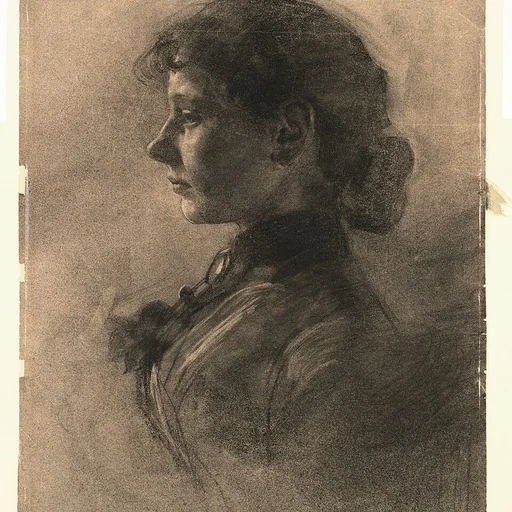
William Sommer (1867–1949) was an American Modernist painter. William Sommer was born in Detroit, Michigan in 1867. He was largely self-taught, but received instruction early on from artist and commercial lithographer…