Artwork
James E. Christie
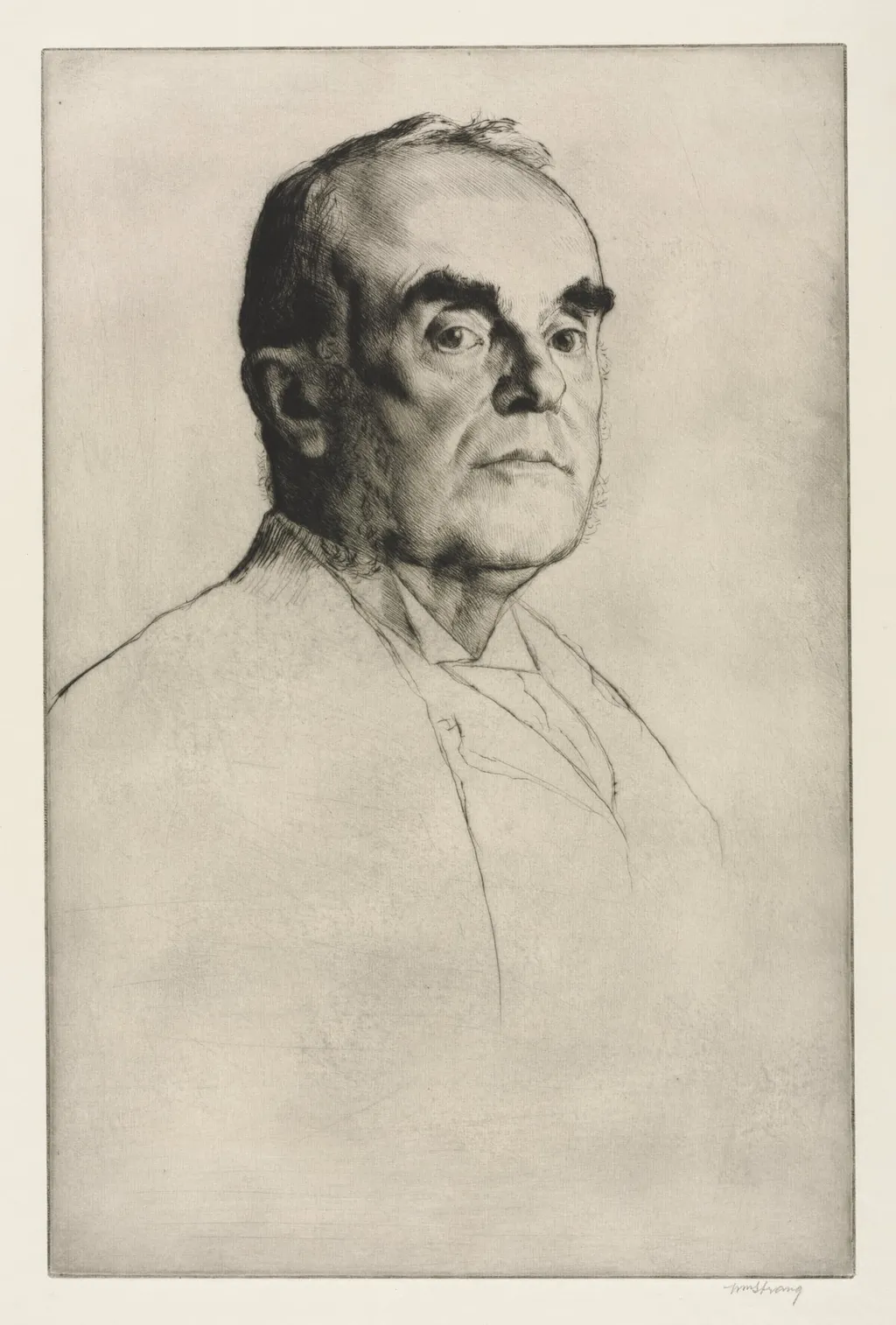
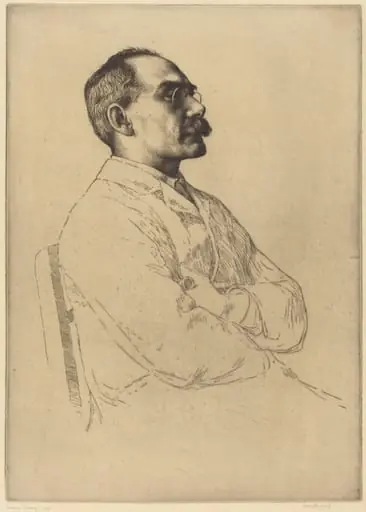
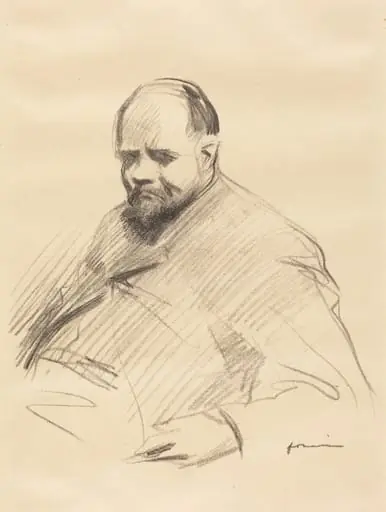
James E. Christie is a print by William Strang. It dates from 1911 and is held in the collection of the Cleveland Museum of Art.
About this work
Overview
The work resides in The Cleveland Museum of Art’s collection, acquired as part of its broader engagement with early 20th-century British printmaking.
This 1911 print by William Strang depicts James E. Christie, a British civil servant and art patron. Executed in drypoint and etching, the portrait captures Christie in a half-length pose against a neutral background. Strang’s focus on subtle tonal shifts and precise line work reflects his mastery of intaglio techniques. The work resides in The Cleveland Museum of Art’s collection, acquired as part of its broader engagement with early 20th-century British printmaking.
Subject & Meaning
James E. Christie is portrayed with quiet composure, his direct gaze and restrained posture conveying a sense of dignity and introspection. His thinning hair, neatly groomed mustache, and short beard suggest middle age and personal discipline. The high-collared shirt and light jacket imply formality without ostentation, aligning with his role as a public administrator. The portrait avoids theatricality, emphasizing character over status.
Technique & Style
Strang employed drypoint and etching to achieve rich contrasts and fine detail. The use of chiaroscuro defines the contours of Christie’s face and clothing, with deep shadows anchoring the figure against the pale background. Delicate, incised lines render texture in the fabric and hair, while areas of uninked paper preserve highlights. The technique favors tonal nuance over bold outlines, creating a quiet, intimate realism.
History & Provenance
The print was produced in 1911 during Strang’s mature period, when he was highly regarded for his portraiture in print. It entered The Cleveland Museum of Art’s collection through the museum’s early 20th-century acquisitions of British graphic art. No significant alterations or later impressions are documented, and the work remains in its original state, reflecting Strang’s intended composition and tonal balance.
Context
Strang worked within a tradition of British printmakers who revived etching as a serious artistic medium in the late 19th and early 20th centuries. Christie, as a patron of the arts and member of the Society of Antiquaries, represented the educated elite who supported such endeavors. The portrait aligns with contemporary efforts to elevate printmaking beyond reproduction into the realm of fine art.
Legacy
This portrait exemplifies Strang’s contribution to the revival of etching as a vehicle for psychological portraiture. Though less widely known than his larger-scale works, this print demonstrates his ability to convey presence through minimal means. It remains a reference point for scholars studying the intersection of British printmaking and portraiture in the Edwardian era.
Own this work as a print
Artist & collection

Artist
William Strang (13 February 1859 – 12 April 1921) was a Scottish painter and printmaker, notable for illustrating the works of Bunyan, Cervantes, Coleridge, Kipling, and others.

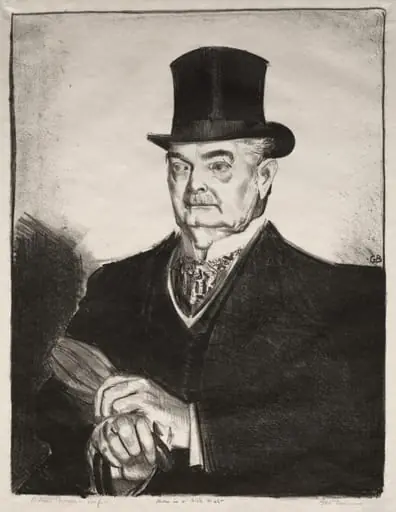 Man in a Silk Hat
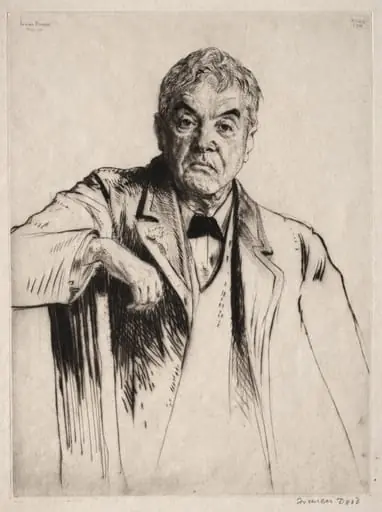 Lord Fisher
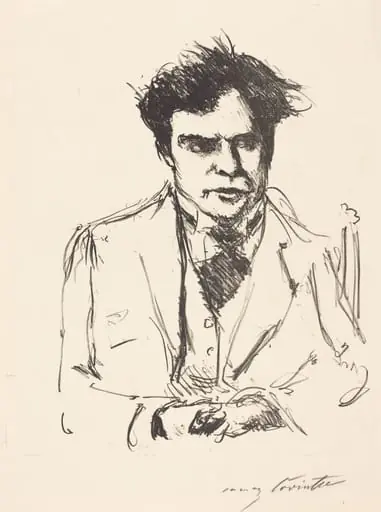 Bildnis Joseph Schwarz (Portrait of Joseph Schwarz)
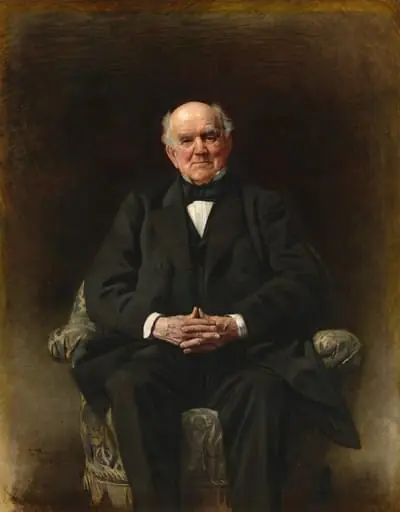 Henry White
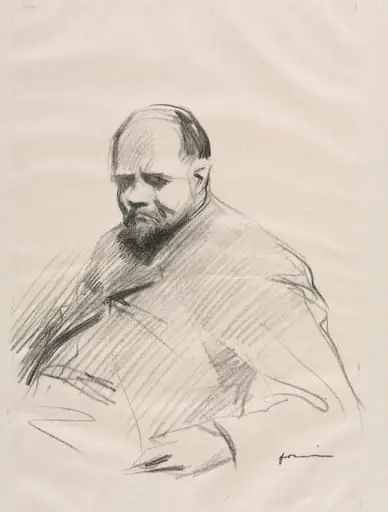 Ambroise Vollard
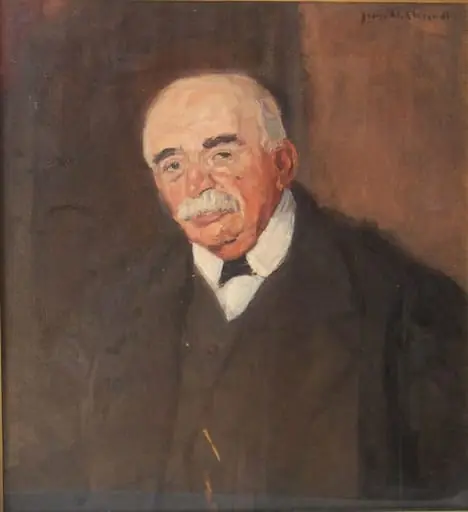 Portret al lui L.Kugel, profesor de oftalmologie la Școala Română de Medicină
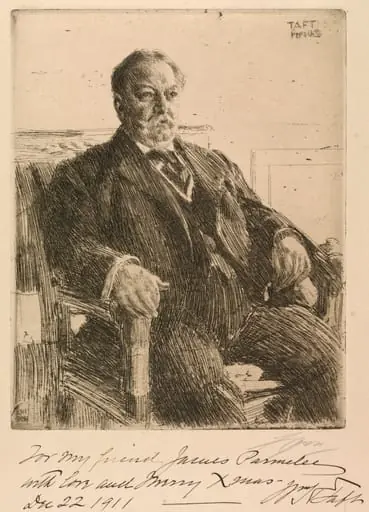 President William Howard Taft
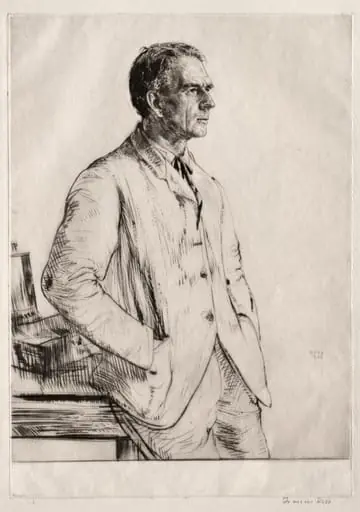 Reverend C. H. Grinling
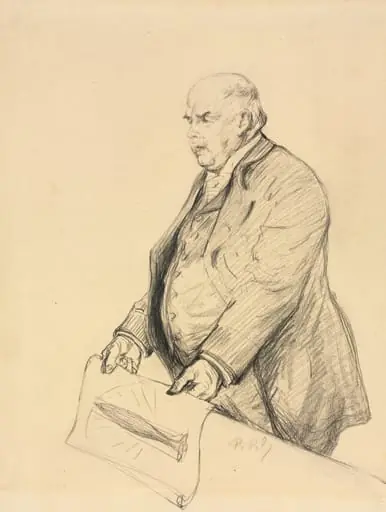 Robert Green Ingersoll
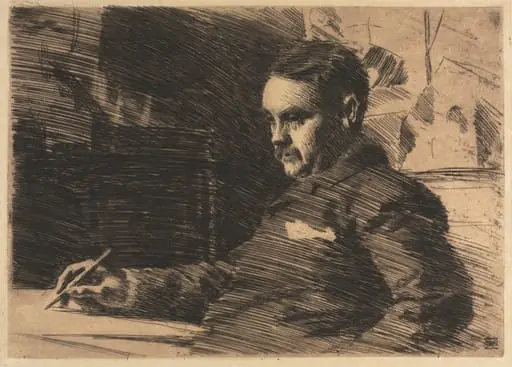 Lawyer Wade
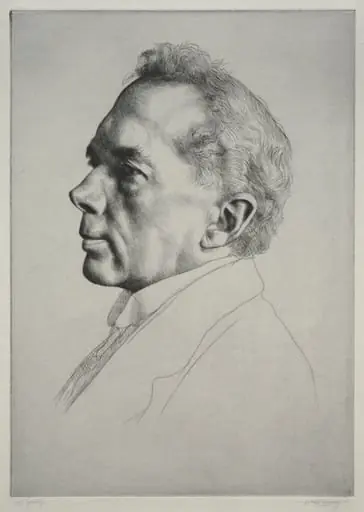 Campbell Dodgson, Profile to the Left
 Portrait d'Ambroise Vollard (Portrait of Ambroise Vollard)