Artwork
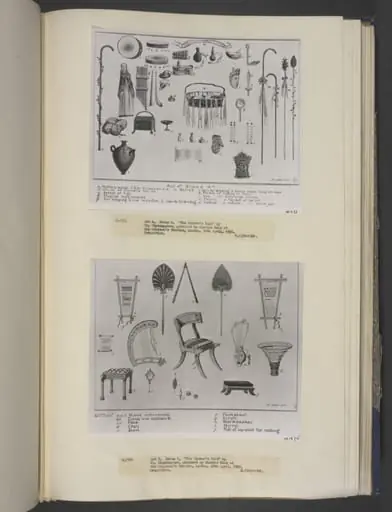
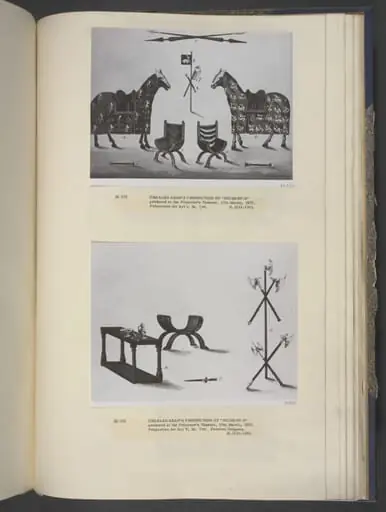
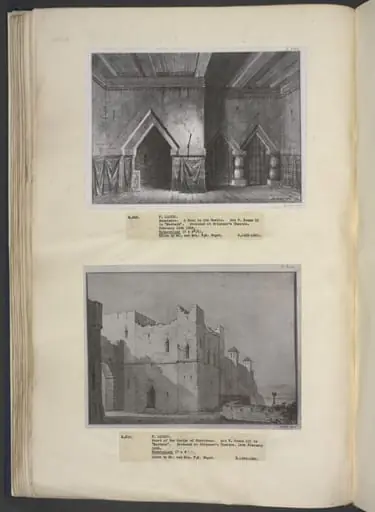
drawing of scenery and props in Macbeth
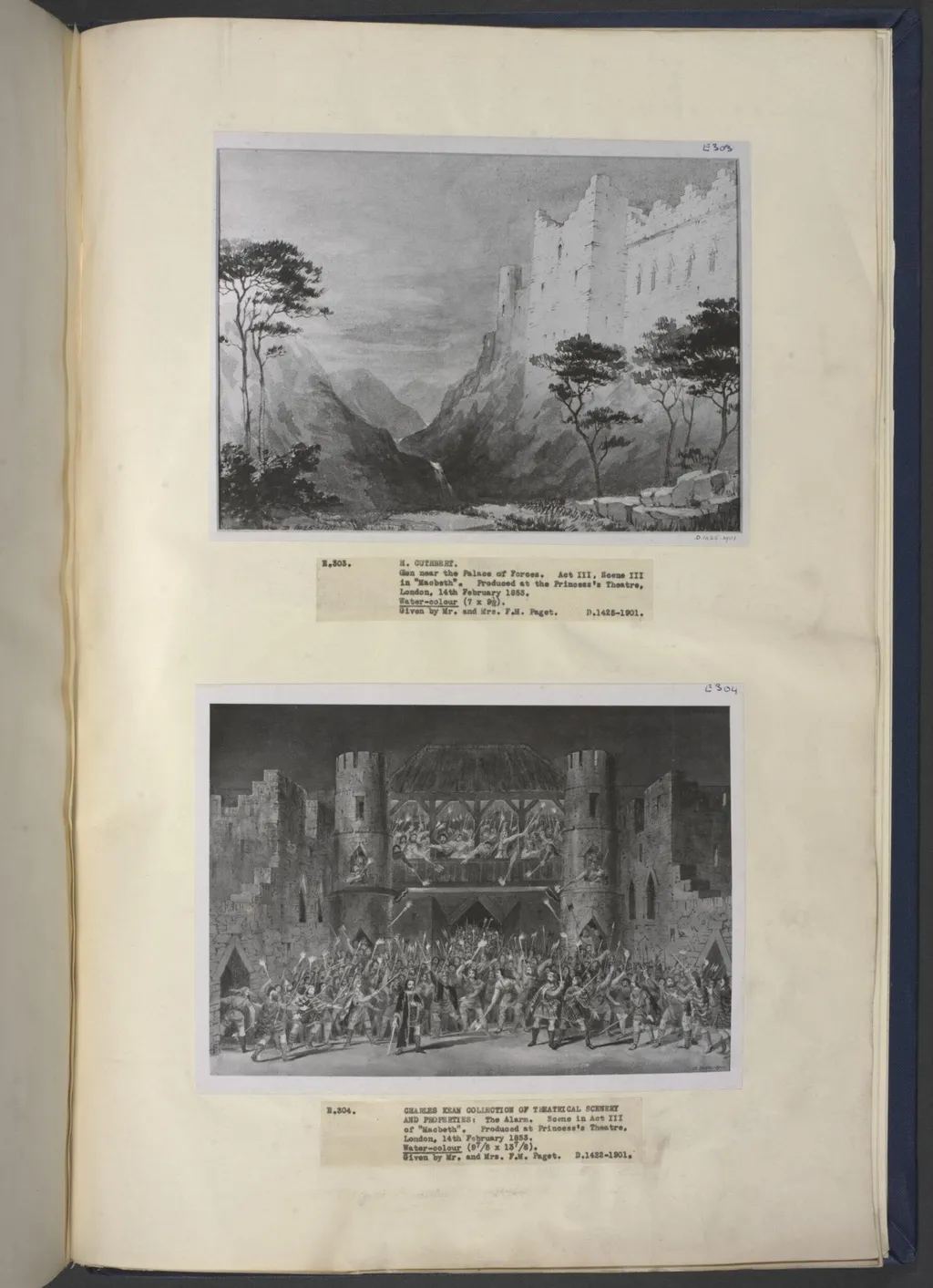
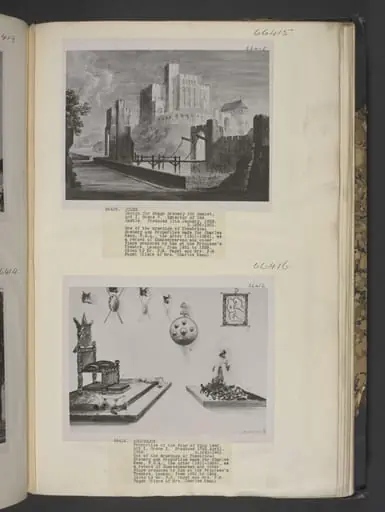
drawing of scenery and props in Macbeth is a drawing by the Impressionist artist William Telbin. It dates from 1855 and is held in the collection of the Victoria and Albert Museum.
About this work
If you're interested in learning more about this style of art, you might want to look into the Impressionism movement.
The painting depicts a dramatic scene with a castle, trees, and a crowd of people. The castle is shown in the background, with trees in front of it. The crowd is gathered in front of the castle, with some people holding weapons.
The painting is done in a realistic style, with attention to detail and texture. The colors are muted, with shades of gray and brown dominating the palette. The overall effect is one of drama and tension, as if the scene is about to unfold.
The painting is a drawing of scenery and props in Macbeth, created by William Telbin between 1851 and 1859. It is held at the Victoria and Albert Museum. If you're interested in learning more about this style of art, you might want to look into the Impressionism movement.
Overview
This 1855 drawing by William Telbin visualizes the interior of Inverness Castle's court, capturing a moment of alarm from Act 2 of Macbeth. The composition features a castle backdrop, foreground trees, and a crowd of armed individuals, conveying impending drama.
Subject & Meaning
The drawing depicts a pivotal, tense moment from Macbeth (Act 2), focusing on the reaction within the castle court. The gathering of armed figures in front of the castle suggests the turmoil following a significant event.
Technique & Style
Executed in a realistic style, the drawing emphasizes detail and texture. A muted color palette, predominantly grays and browns, enhances the sense of drama and tension, implying the scene's immediacy.
History & Provenance
Created between 1851 and 1859, the drawing is attributed to William Telbin. It is part of the collection at the Victoria and Albert Museum.
Artist & collection
Artist
William Telbin filled thick sheets with stage machinery and forest glades, inking the scrolls of wings and flats for mid-1800s Shakespeare productions.

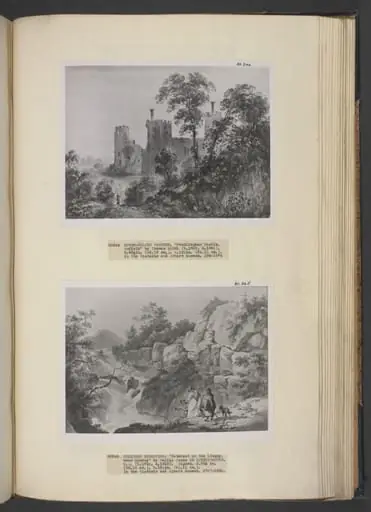 Framlingham Castle
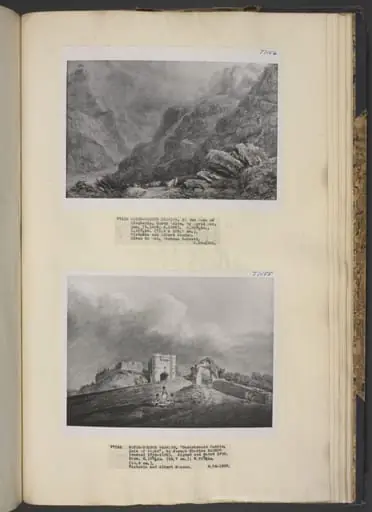 In the Pass of Llanberis
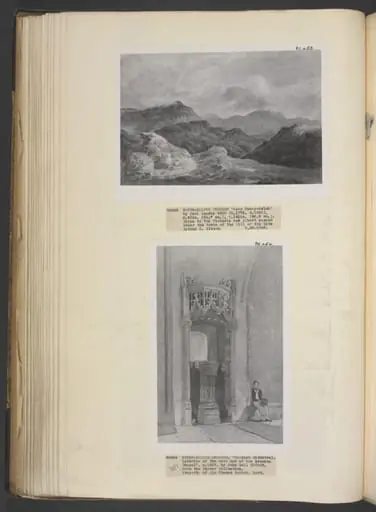 Near Tan-y-Bwlch
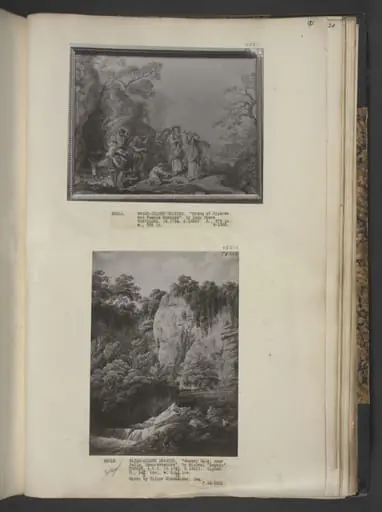 Group of gipsies and female rustics
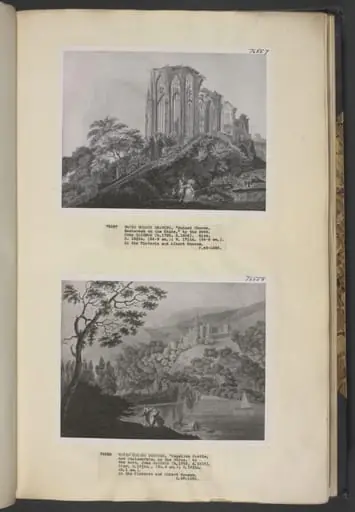 Ruins of a church, Bacharach on the Rhine
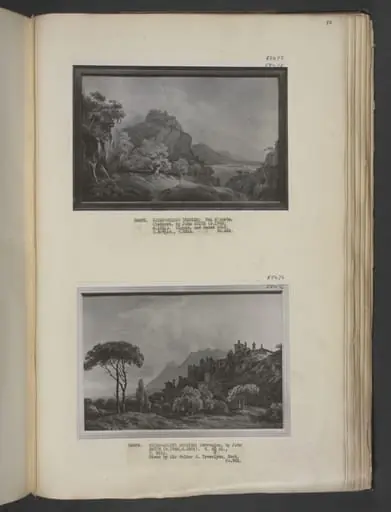 Val d'Aosta, Piedmont
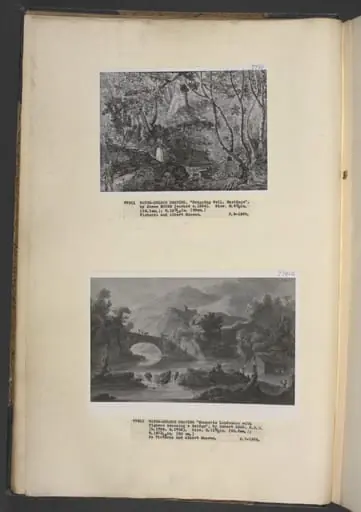 Romantic landscape with figures crossing a bridge
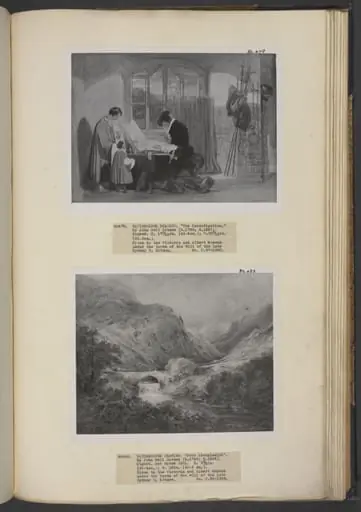 The Investigation
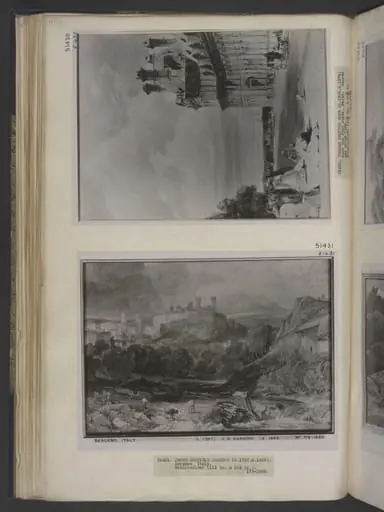 Bergamo, Italy
 Jamestown, St. Helena
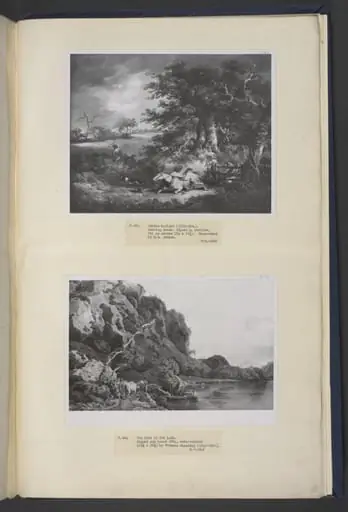 Lake Windemere
 drawing of scenery and props in Macbeth