Artwork
Bergamo, Italy
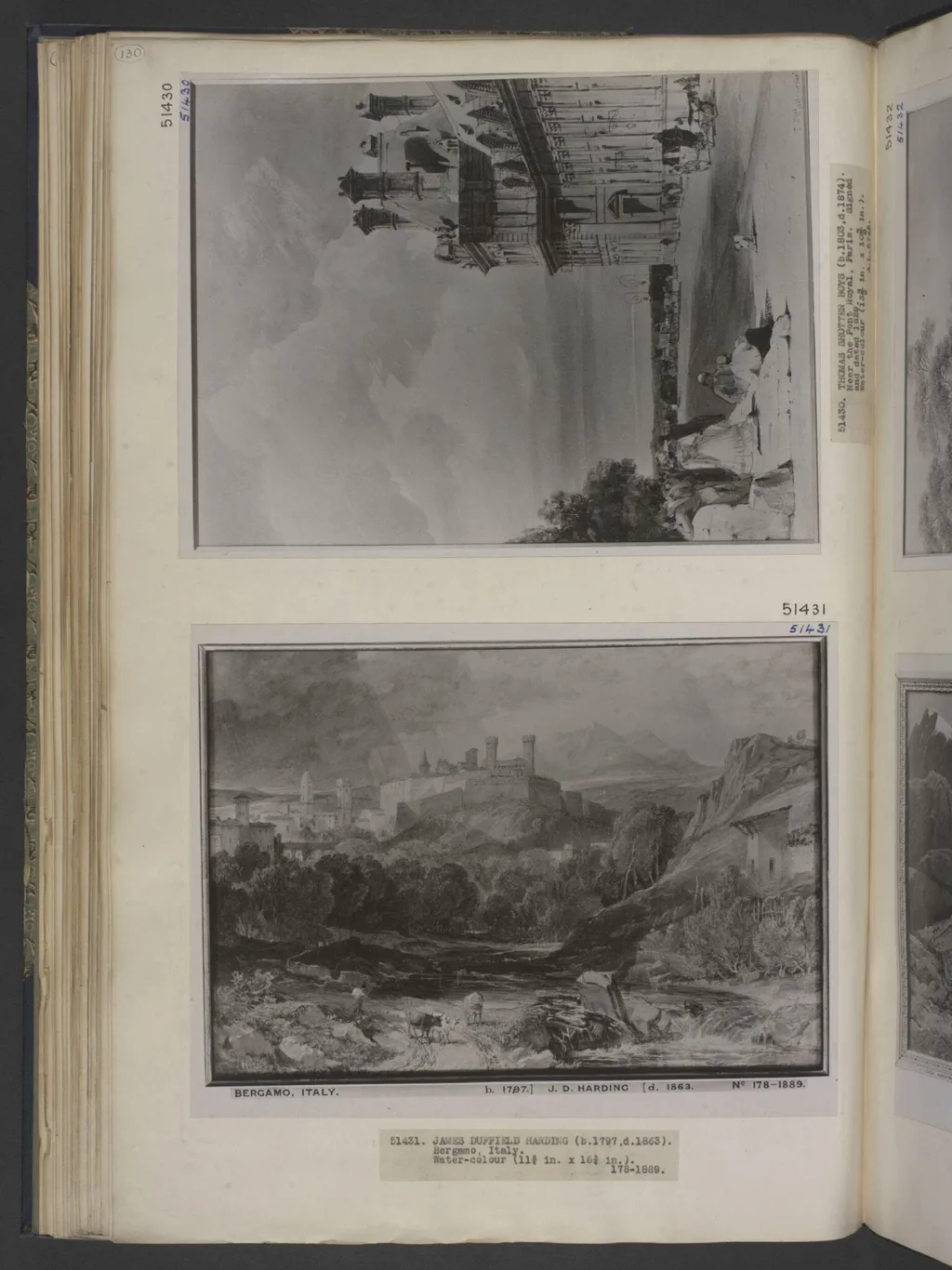
Bergamo, Italy is a watercolor work on paper by the British Romanticist artist Duffield. It dates from 1820 and is held in the collection of the Victoria and Albert Museum.
About this work
Overview
It reflects a 19th-century British interest in continental landscapes, capturing a quiet, observational moment rather than a dramatic narrative.
Created in 1820, this watercolour by Duffield depicts the Italian town of Bergamo. Executed in transparent pigments on paper, the work is part of the Victoria and Albert Museum’s collection. It reflects a 19th-century British interest in continental landscapes, capturing a quiet, observational moment rather than a dramatic narrative. The medium’s fluidity suits the gentle topography and atmospheric conditions of the scene.
Subject & Meaning
The painting presents a panoramic view of Bergamo, with a winding river in the foreground, flanked by trees and rolling hills. Distant buildings cluster along the base of mountainous terrain, suggesting the lower and upper towns separated by elevation. There is no human activity visible, emphasizing solitude and the quiet grandeur of the landscape. The composition invites contemplation, aligning with Romantic ideals of nature’s enduring presence.
Technique & Style
Duffield employed watercolour with layered washes to achieve subtle transitions between light and shadow. The soft edges and muted tones create a hazy, atmospheric effect, particularly in the distant hills and sky. Delicate brushwork defines foliage and architectural forms without sharp definition, reinforcing a sense of distance and tranquility. The technique avoids bold contrasts, favoring tonal harmony over dramatic emphasis.
History & Provenance
The work entered the Victoria and Albert Museum’s collection as part of its broader acquisition of 19th-century British watercolours. While little is documented about Duffield’s travels, the painting likely stems from a sketching tour in northern Italy, a common practice among British artists of the period. Its preservation suggests it was valued as a personal record or study rather than a commercial piece.
Context
Produced during the height of Romanticism, the painting reflects a broader European fascination with Italy’s landscapes and ruins. British artists increasingly traveled abroad, documenting scenery with a focus on mood and light. Duffield’s work aligns with contemporaries like Turner and Girtin, who used watercolour to convey emotional resonance over topographical precision, responding to a growing cultural appetite for evocative travel imagery.
Legacy
Though Duffield is not widely known today, this watercolour contributes to the historical record of British artists engaging with Italian scenery. It exemplifies the quiet, introspective side of Romantic landscape art—less about spectacle, more about observation. Its presence in a major museum underscores its role as a representative example of early 19th-century watercolour practice outside the mainstream canon.
Artist & collection
Artist
Duffield painted quiet British and Swiss landscapes in watercolour between the 1810s and early 1860s.

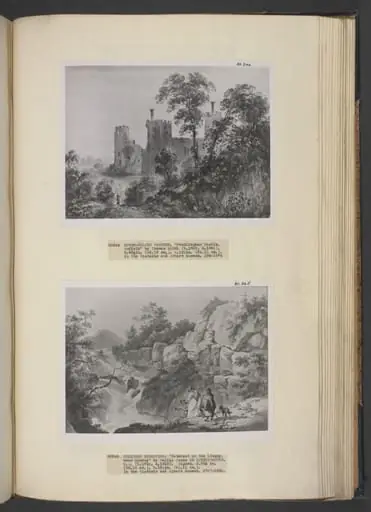 Framlingham Castle
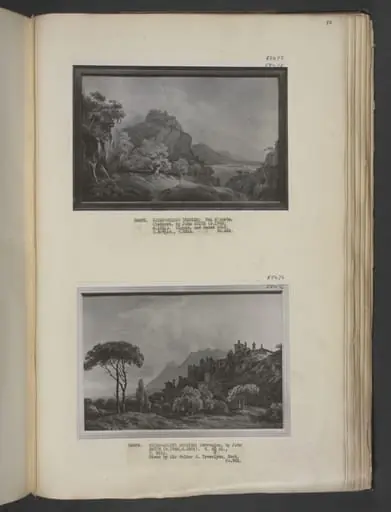 Val d'Aosta, Piedmont
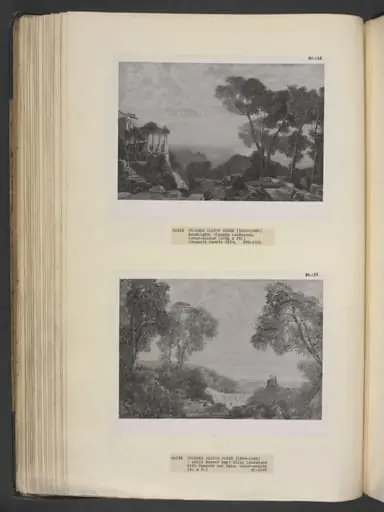 Moonlight : classic landscape
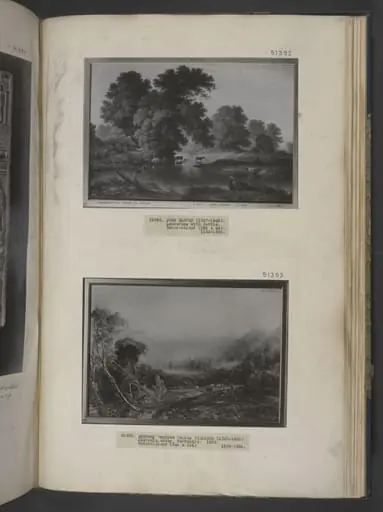 Rievaulx Abbey, Yorkshire
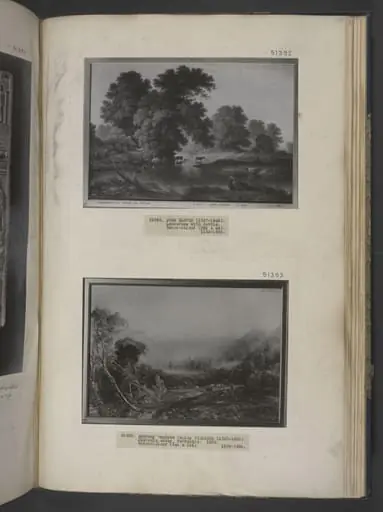 Landscape with cattle
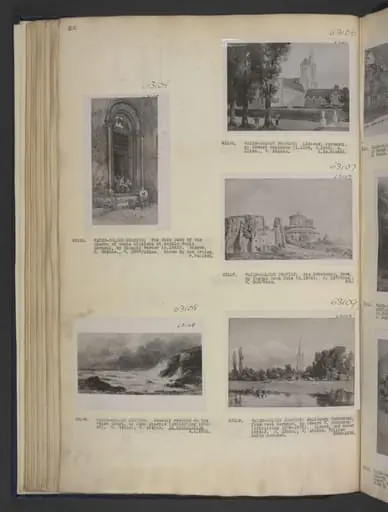 The Side Door of the Church of Santa Giuliana at Aquila Degli Abruzzi
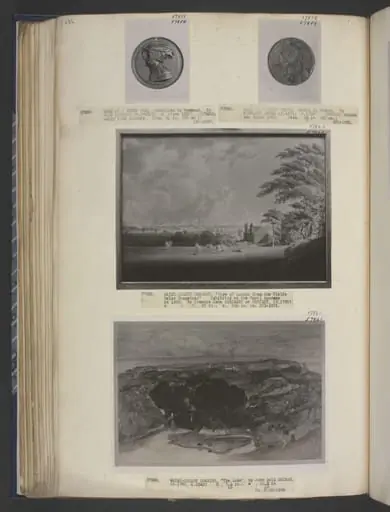 View of London from the fields below Hampstead
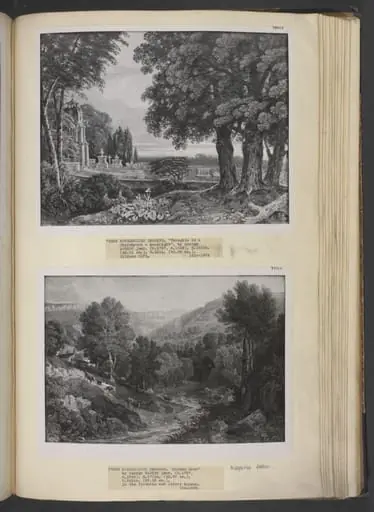 Malham Cove
 Temple at Nasik, on the Godavery
 A Devonshire Cottage
 Near Beverley, Yorkshire, the Minster in the Distance
 Arcade, Doge's Palace, Venice