Artwork
Syria. Mode of Agriculture at the Foot of Mount Carmel
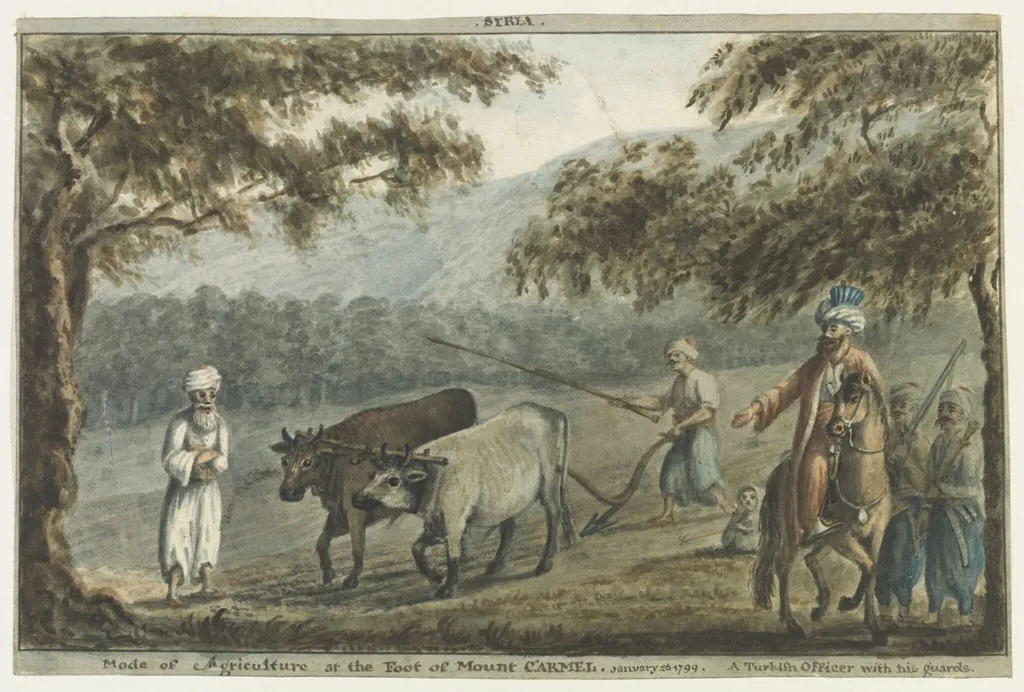
Syria. Mode of Agriculture at the Foot of Mount Carmel is a watercolor work on paper by the Romanticist artist Cooper Willyams. It dates from 1799 and is held in the collection of the Victoria and Albert Museum.
About this work
A man in a turban stands with a stick, talking to a woman plowing a field with two oxen.
This painting shows a group of people working in a rural landscape. A man in a turban stands with a stick, talking to a woman plowing a field with two oxen. Another man leans against a tree, while a child sits nearby. In the background, mountains and trees stretch under a pale sky.
The title at the bottom says it’s from 1799 and shows a Turkish officer with guards. The artist was likely observing daily life in the region.
Check out the Victoria and Albert Museum to see more works like this.
Overview
Created in 1799 by the Reverend Cooper Willyams, this watercolour captures a quiet moment of rural labor near Mount Carmel. The scene reflects observations made during a period of British naval activity in the eastern Mediterranean. Willyams, an amateur artist and clergyman, recorded everyday life with documentary intent rather than romanticized embellishment. The work later served as the basis for printed reproductions in travel publications of the early 19th century.
Subject & Meaning
The image portrays a local agricultural routine: a woman guides two oxen through a field, while a man in a turban, possibly a local official, observes nearby. A second man rests against a tree, and a child sits at a distance. The presence of the turbaned figure suggests a figure of authority, though the focus remains on labor rather than hierarchy. The scene conveys a sense of routine, not spectacle, emphasizing the continuity of traditional farming methods in the region.
Technique & Style
Executed in watercolour, the work employs soft washes and restrained detail to suggest the landscape’s atmosphere. Figures are rendered with simple outlines and minimal shading, prioritizing clarity over realism. The pale sky and distant hills are rendered with light tones, creating a sense of open space. The composition is uncluttered, directing attention to the interaction between people and land, consistent with the observational aims of 18th-century topographical drawing.
History & Provenance
The original watercolour was reproduced as an etching and aquatint in two early 19th-century publications documenting Mediterranean travel. These prints helped disseminate Willyams’s imagery beyond private collections. The drawing remained in private hands until its sale at Sotheby’s in 1972, alongside a related sketch. Its presence in institutional archives today reflects its value as a record of regional life during the Ottoman period.
Context
Willyams created this work during a British naval campaign in the eastern Mediterranean. His drawings were part of a broader effort by military and clerical travelers to document landscapes and customs of the Levant. While European audiences often sought exoticism, Willyams’s approach was relatively restrained, focusing on mundane activities rather than monumental architecture or dramatic events, offering a quieter perspective on the region’s social fabric.
Legacy
Though not widely known today, Willyams’s watercolour contributes to a small but significant body of early European records of Levantine rural life. Its inclusion in printed travel volumes ensured its circulation among educated readers in Britain. The work remains a modest but valuable reference for understanding how local agricultural practices were perceived and recorded by outsiders during the late 18th century.
Artist & collection
Artist
This artist painted detailed watercolours of life at sea and in the eastern Mediterranean around 1800.

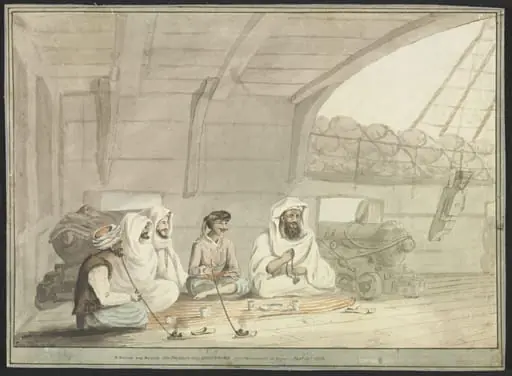 A Scene on board His Majesty's Ship Swiftsure. off Alexandria in Egypt - Sepr. 10th 1798
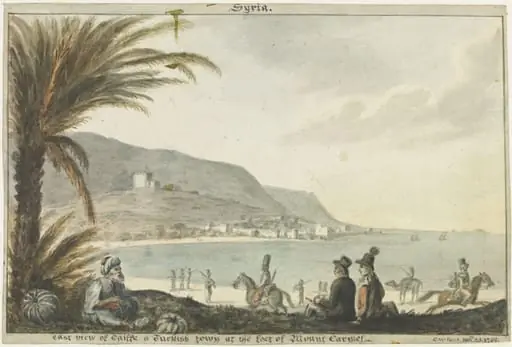 Syria. east view of Caiffe a Turkish town at the foot of Mount Carmel
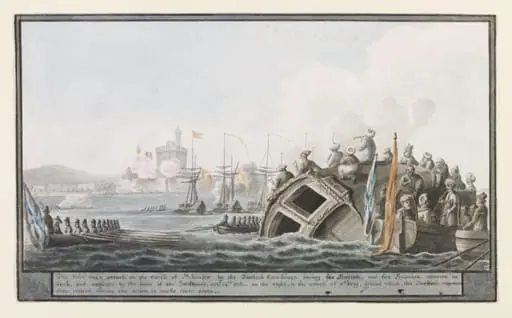 The first day's attack on the Castle of Aboukir by the Turkish Gun-boats having five British, and five Russian seamen in each, and assisted by the boats of the Swiftsure, octr: 24th
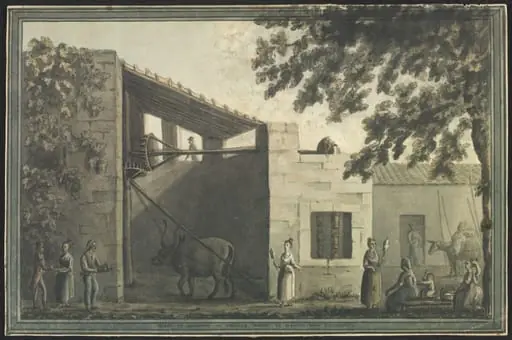 Mode of drawing or raising water at a farm near Syracuse On the back, sketch of an ox
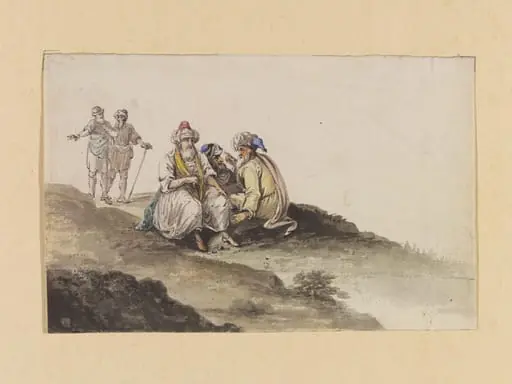 A Group of Turks
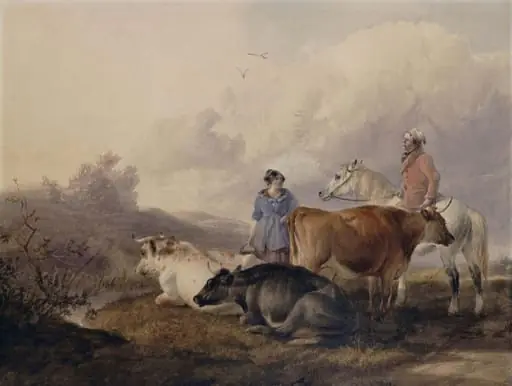 Cattle and Milkmaid
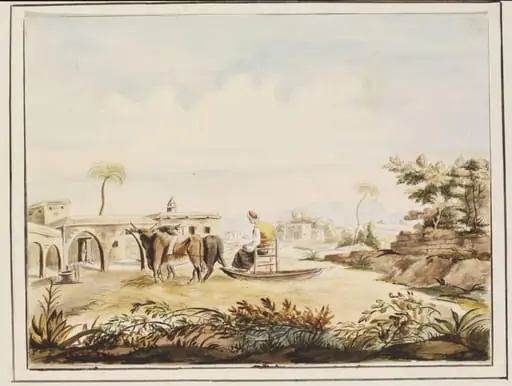 The manner of treading out the Corn
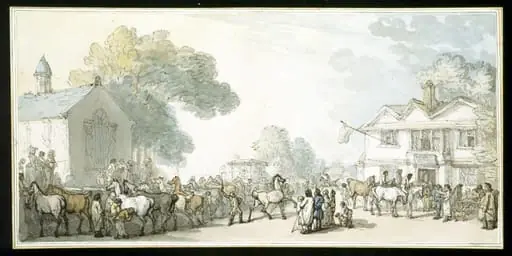 A Horse Fair at Southampton
![View of Mount Emo [Haemus] or Great Balkan in Bulgaria with guards assembled to collect a toll from travellers, by Luigi Mayer](https://artifactworldgallery.com/img/luigi-mayer--view-of-mount-emo-haemus-or-great-balkan-in-bulgaria-with-gu--689442e1e99001cb-w320.webp) View of Mount Emo [Haemus] or Great Balkan in Bulgaria with guards assembled to collect a toll from travellers
View of Mount Emo [Haemus] or Great Balkan in Bulgaria with guards assembled to collect a toll from travellers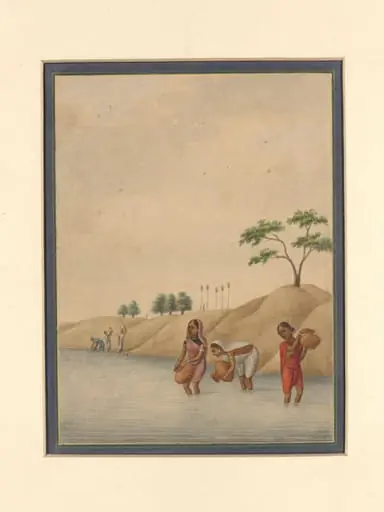 A woman drawing water from a well
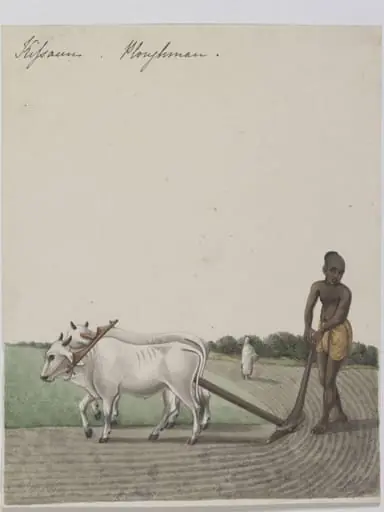 A cultivator
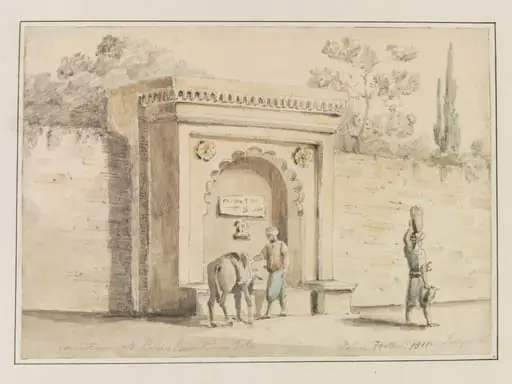 Fountain At Constantinople
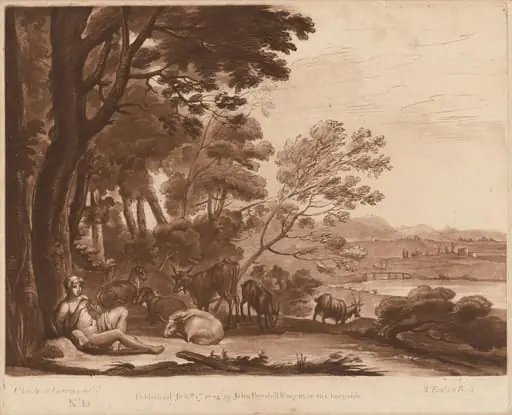 Landscape No. 15 from "Liber Veritatis"
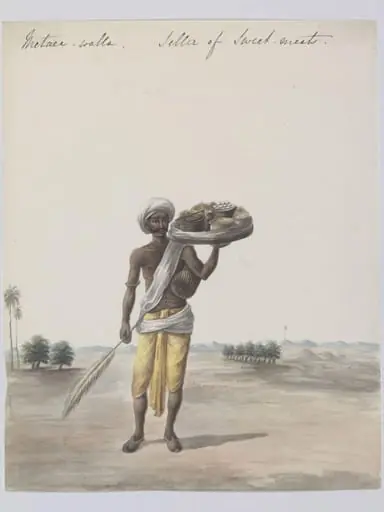 A sweetmeat-seller