Artwork
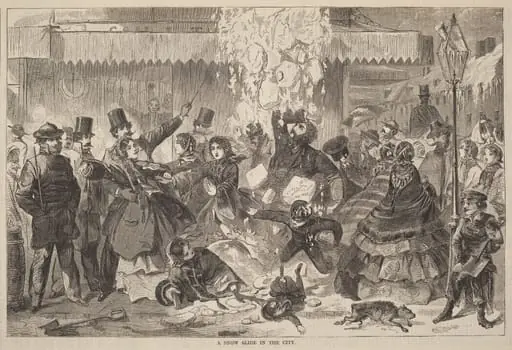
A Snow Slide in the City
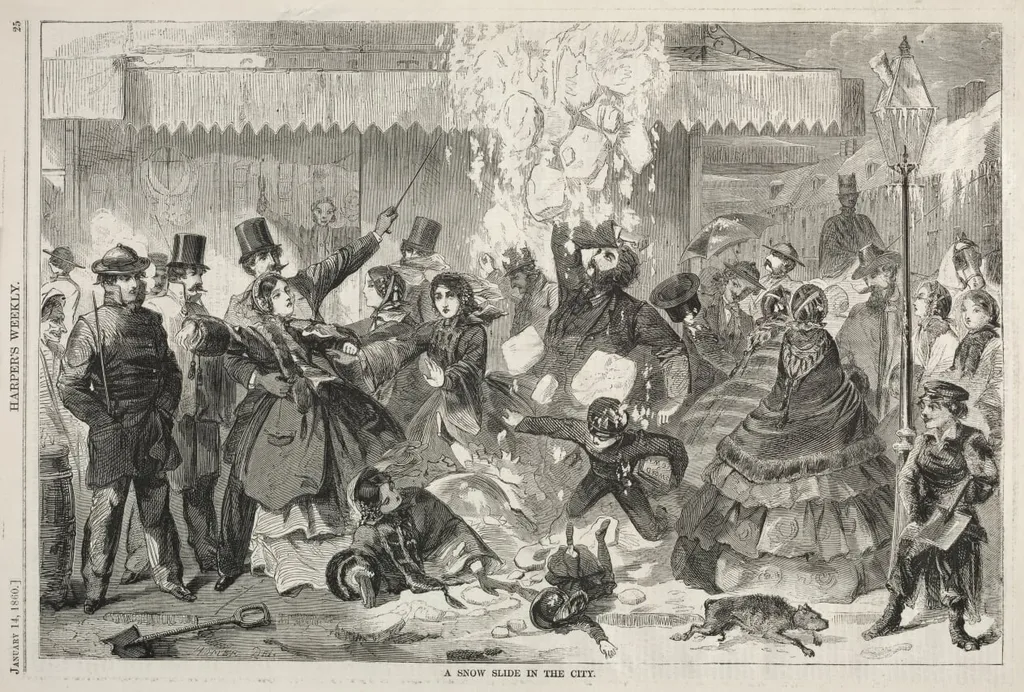
A Snow Slide in the City is a print by the Impressionist artist Winslow Homer. It dates from 1860 and is held in the collection of the Cleveland Museum of Art.
About this work
Overview
Though not an oil or watercolor, it demonstrates his emerging ability to translate everyday scenes with energy and narrative clarity.
Created in 1860, *A Snow Slide in the City* is an early work by Winslow Homer, produced during his tenure as a commercial illustrator before he fully embraced fine art. The piece captures a fleeting urban winter moment, rendered in a detailed, dynamic style that reflects his illustrative training. Though not an oil or watercolor, it demonstrates his emerging ability to translate everyday scenes with energy and narrative clarity.
Subject & Meaning
The scene portrays a sudden snowslide disrupting a city street, with pedestrians caught mid-motion—some sliding, others struggling to maintain balance. Figures in period attire, including top hats and long skirts, react with urgency and humor. The still dog and scattered umbrellas suggest chaos interrupted by stillness. The work conveys the unpredictability of urban life in winter, highlighting ordinary people navigating nature’s intrusion.
Technique & Style
Homer employs sharp, incisive lines and dense cross-hatching to suggest texture and movement. The composition is tightly packed, with figures overlapping and gestures directed toward the viewer, enhancing the sense of immediacy. His attention to clothing folds, snowdrifts, and architectural details reveals a draftsperson’s precision, rooted in journalistic illustration rather than academic painting.
History & Provenance
The work originated as a wood engraving for publication in a periodical, likely *Harper’s Weekly*, where Homer contributed regularly. It was not intended as a standalone artwork but as a visual report of urban life. Its survival as a printed original reflects its popularity and the growing public interest in illustrated news during the mid-19th century.
Context
In 1860, American cities were expanding rapidly, and winter weather posed daily challenges to urban dwellers. Illustrators like Homer documented such scenes for mass audiences, blending observation with narrative. This image aligns with the Realist movement’s focus on ordinary life, offering a candid view of city streets that contrasted with idealized rural or historical subjects common in fine art at the time.
Legacy
Though Homer later gained recognition for his marine paintings and watercolors, this early work reveals the foundation of his visual storytelling. Its emphasis on transient human behavior and environmental interaction prefigures themes he would refine in later decades. As a document of urban life, it remains a valuable record of how 19th-century Americans experienced seasonal change in growing cities.
Artist & collection
Artist
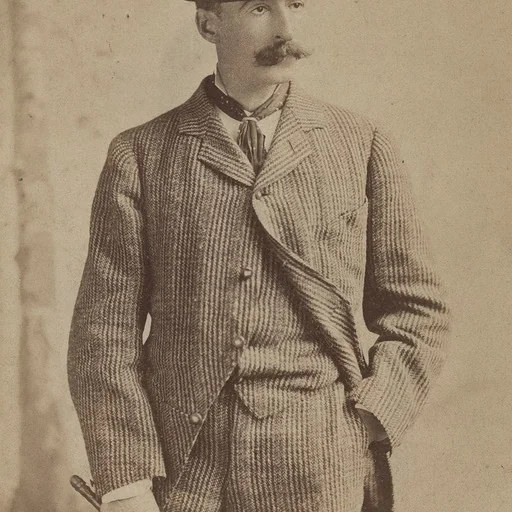
Winslow Homer (February 24, 1836 – September 29, 1910) was an American landscape painter and illustrator, best known for his marine subjects.

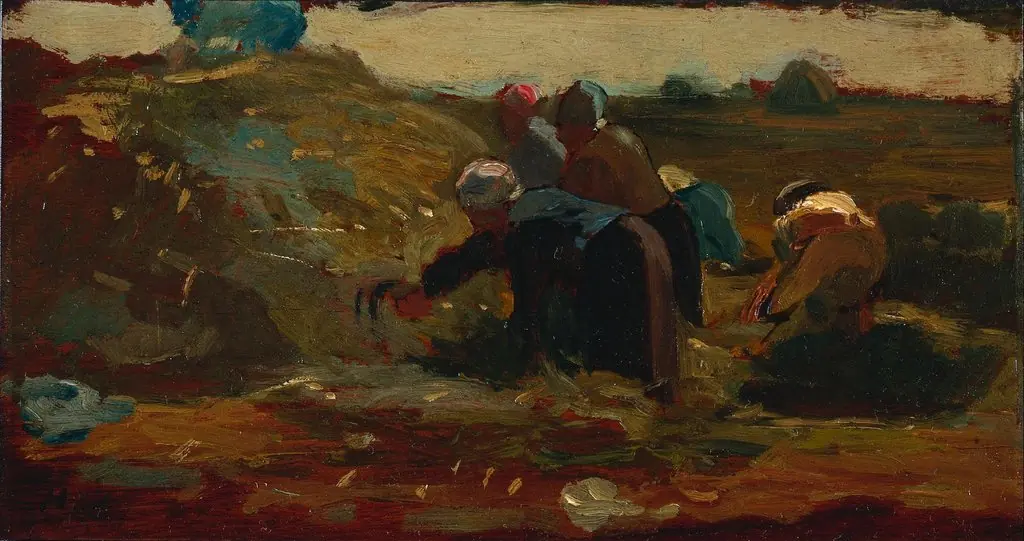
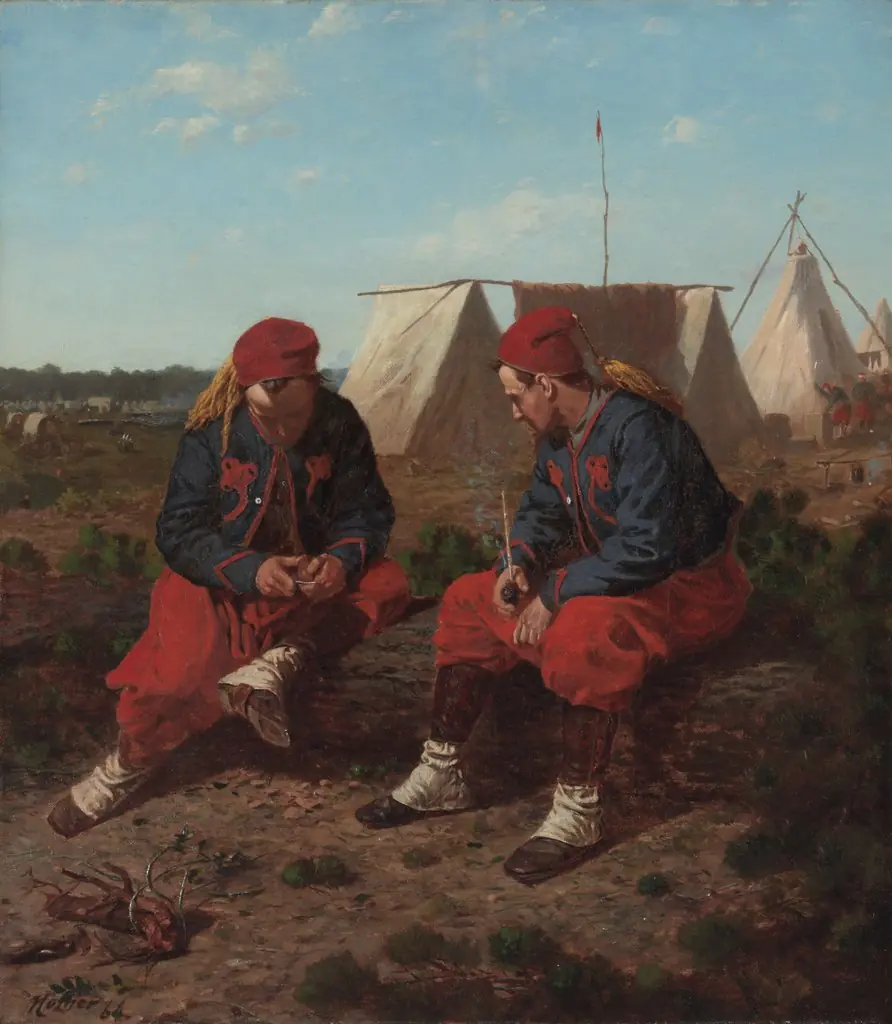
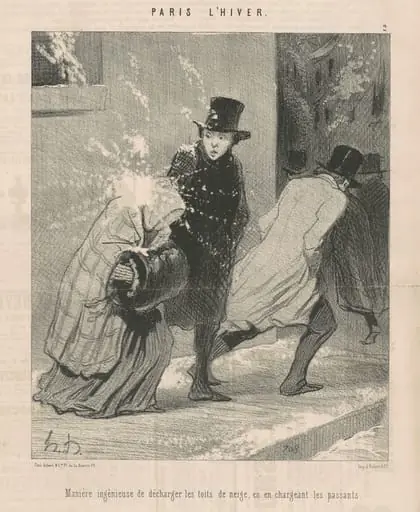 Manière ingénieuse de décharger les toites ...
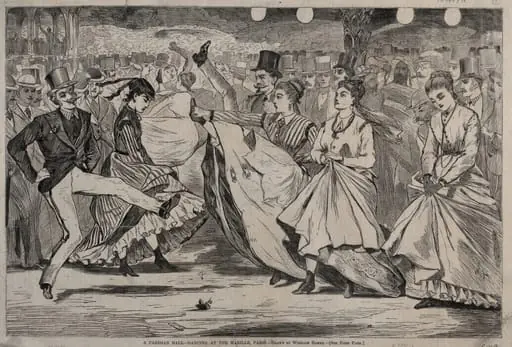 A Parisian Ball - Dancing at the Mabille, Paris
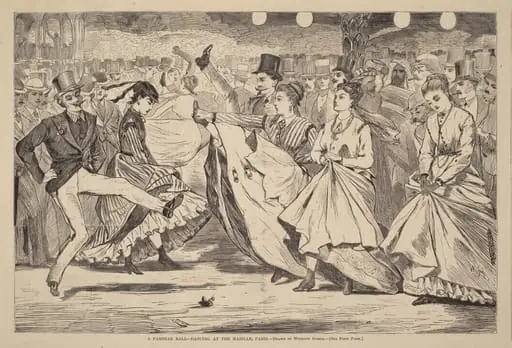 A Parisian Ball - Dancing at the Mabille, Paris
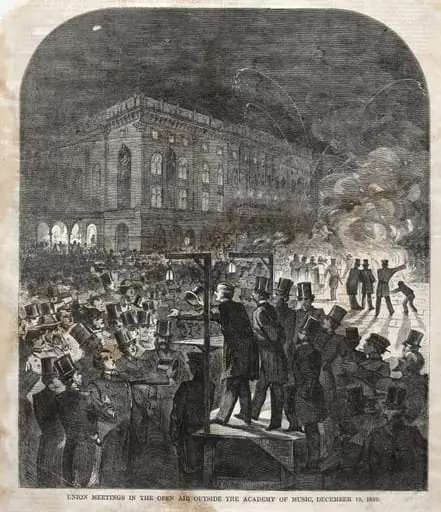 Union Meeting in the Open Air Outside the Academy of Music
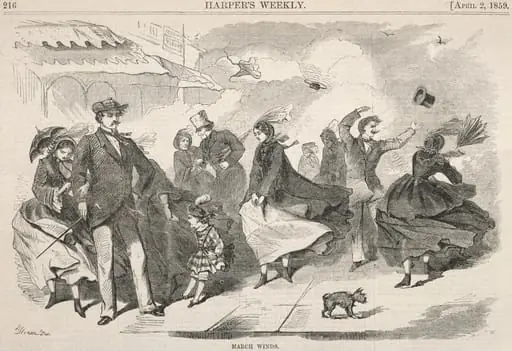 March Winds
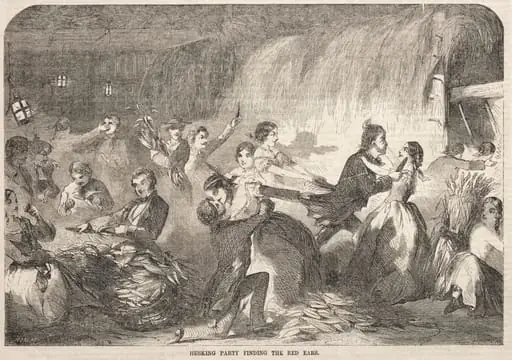 Husking Party Finding the Red Ears
 Corner Winter, Washington and Summer Streets, Boston
 Fall Games - The Apple-Bee
 Fall Games - The Apple Bee
 Actualités: Élections d'Angleterre
 A Snow Slide in the City
 April Showers