Artwork
Fall Games - The Apple-Bee
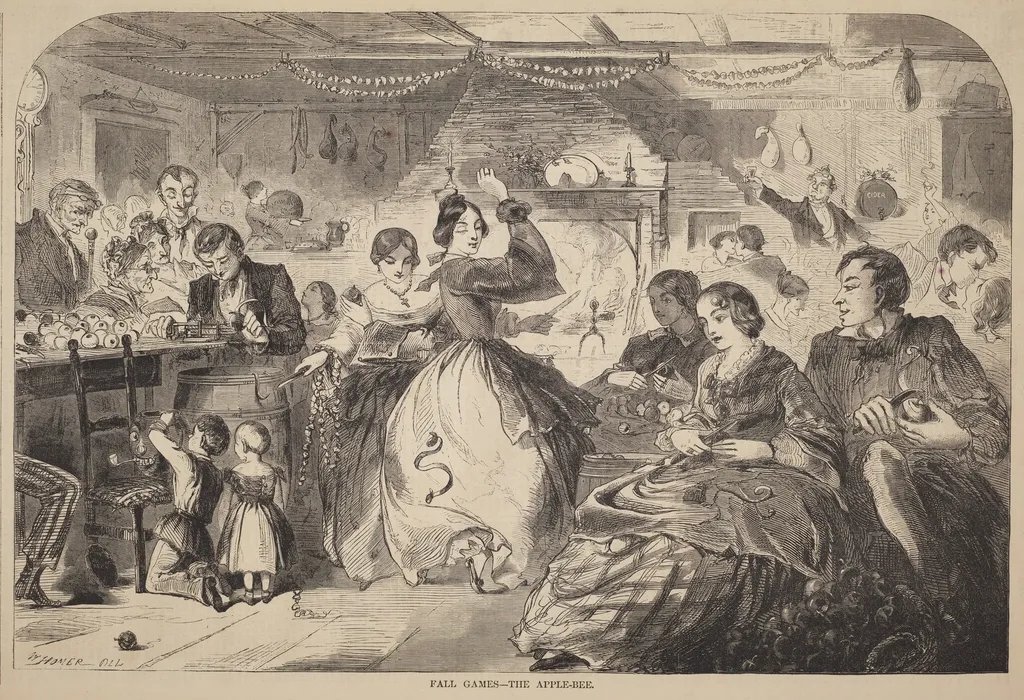
Fall Games - The Apple-Bee is an ink print by the Impressionist artist American 19th Century. It dates from 1859 and is held in the collection of the National Gallery of Art. This wood engraving depicts a domestic gathering centered around a seasonal pastime known as the Apple-Bee.
About this work
Overview
The composition conveys motion and social interaction, rendered through intricate, finely carved lines that define each figure and object with clarity.
This wood engraving depicts a domestic gathering centered around a seasonal pastime known as the Apple-Bee. The scene is set in a warmly lit parlor, filled with furniture, decorative objects, and a crackling hearth. A woman in an elaborate dress holds a stick, likely participating in the game, while others observe or engage. The composition conveys motion and social interaction, rendered through intricate, finely carved lines that define each figure and object with clarity.
Subject & Meaning
The Apple-Bee was a fall tradition in 19th-century households, often involving participants attempting to bite into apples suspended from strings. The game served as both entertainment and a celebration of harvest. The central figure’s active role and the attentive onlookers suggest a communal ritual, reinforcing social bonds during the seasonal transition. The setting—a well-furnished parlor—hints at middle-class domestic life, where such games preserved cultural customs indoors.
Technique & Style
Executed as a wood engraving, the work relies on fine, precise incisions made into the end grain of hardwood. The artist used dense cross-hatching and delicate line work to model form, texture, and light, capturing the plushness of fabrics, the gleam of wood, and the flicker of fire. The high contrast and intricate detail reflect the technical demands of the medium, allowing for sharp definition even in crowded, dynamic scenes.
History & Provenance
The print likely originated in the mid-1800s, a period when wood engraving flourished as a reproductive technique for illustrated periodicals and domestic publications. Though the artist’s identity is unrecorded, the style aligns with commercial engravers who documented everyday American life. Its survival suggests it was once widely circulated, possibly as a lithographic reproduction or in a seasonal magazine, capturing public interest in nostalgic rural customs.
Context
In an era before mass media, such prints offered visual narratives of seasonal rituals, reinforcing shared cultural experiences. The Apple-Bee, though rooted in folk tradition, was adapted for urban and suburban homes as a safe, indoor alternative to outdoor harvest festivities. The presence of a piano and ornate shelves reflects the era’s emphasis on cultivated domesticity, where leisure activities were both entertaining and morally upright.
Legacy
This engraving preserves a fading custom that once brought communities together during autumn. While the Apple-Bee itself is no longer common, the image remains a record of how ordinary households celebrated seasonal change through ritual and play. As a work of graphic art, it exemplifies the skill of 19th-century engravers who translated everyday moments into enduring visual documents, valued for their precision and quiet humanity.
Artist & collection

Artist
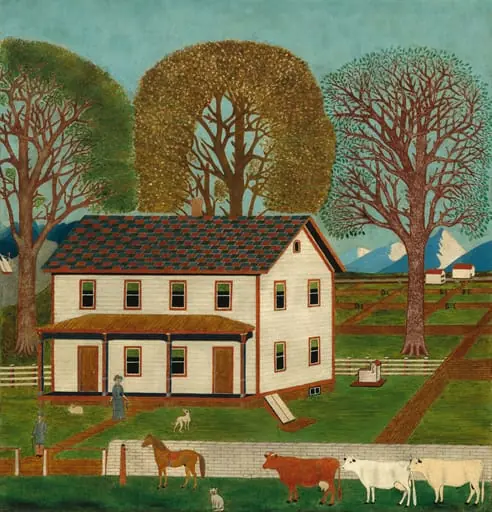
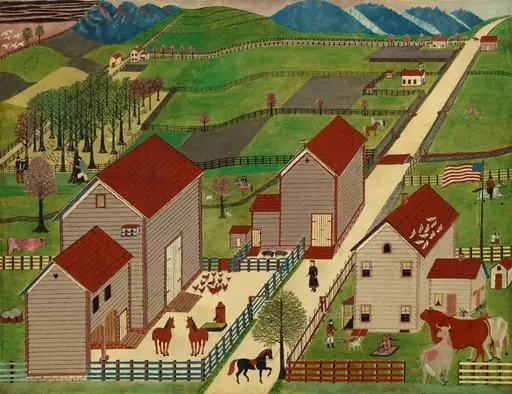
This artist painted everyday American life in the 1800s. Look at *Farmhouse in Mahantango Valley*—a quiet, sunlit scene of rural Pennsylvania. *Boy and Girl* shows two children standing close, their faces turned toward…

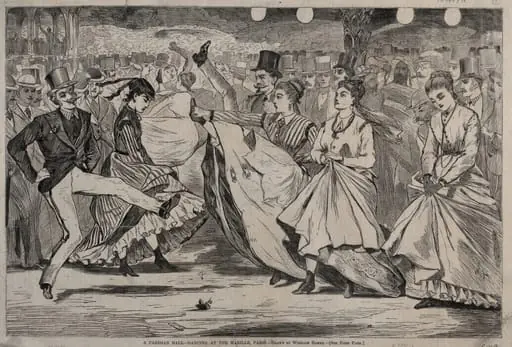 A Parisian Ball - Dancing at the Mabille, Paris
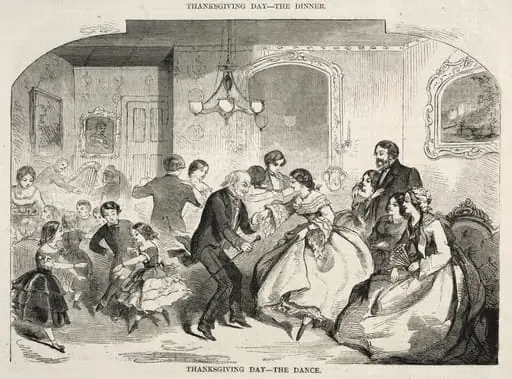 Thanksgiving Day - The Dance
 A Parisian Ball - Dancing at the Mabille, Paris
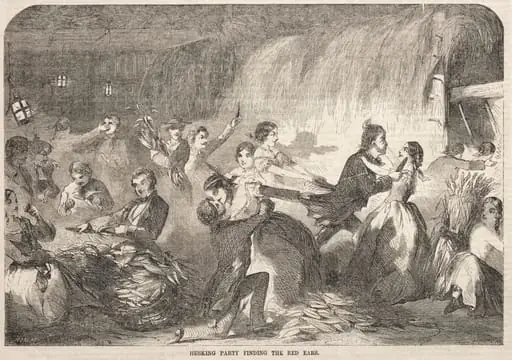 Husking Party Finding the Red Ears
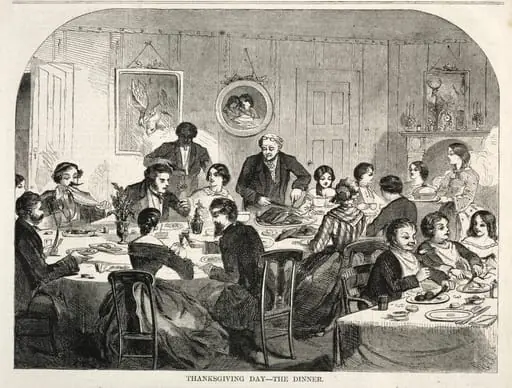 Thanksgiving Day - The Dinner
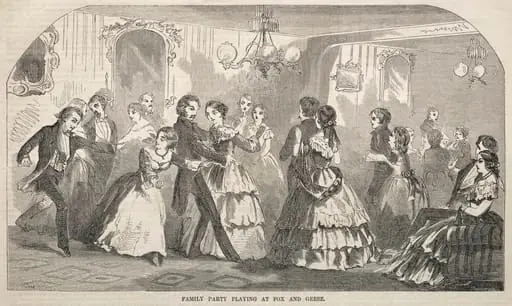 Family Party Playing at Fox and Geese
![Thanksgiving Day - Ways and Means [upper left], by American 19th Century](https://artifactworldgallery.com/img/american-19th-century--thanksgiving-day-ways-and-means-upper-left--4cbc9b31489cb052-w320.webp) Thanksgiving Day - Ways and Means [upper left]
Thanksgiving Day - Ways and Means [upper left]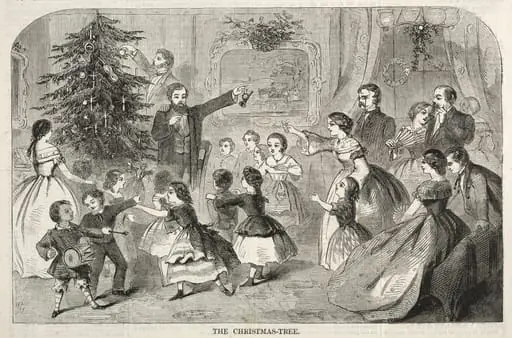 The Christmas Tree
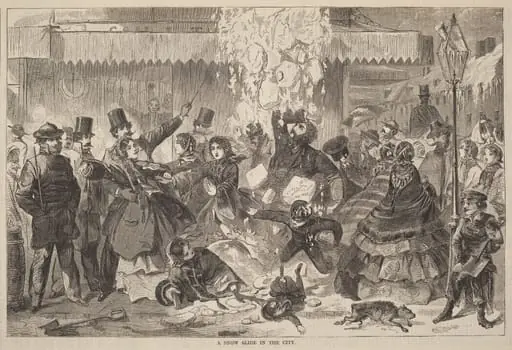 A Snow Slide in the City
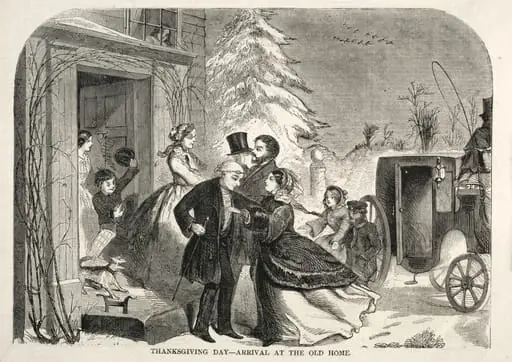 Thanksgiving Day - Arrival at the Old Home
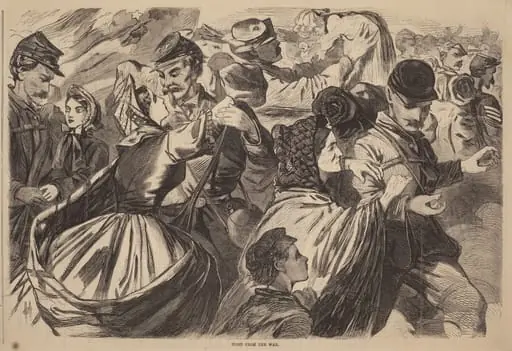 Home from the War
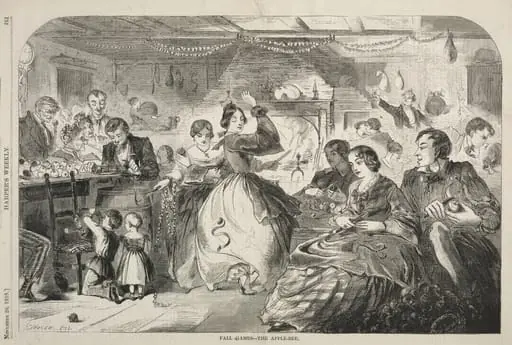 Fall Games - The Apple Bee