Artwork
"Any Thing for Me, If you Please?" - Post-Office of the Brooklyn Fair in Aid of the Sanitary Commission
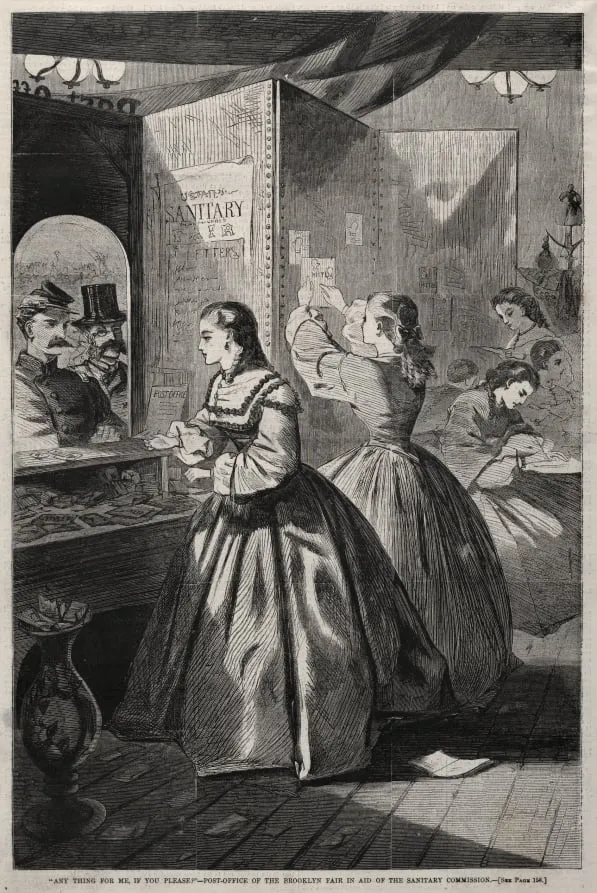
"Any Thing for Me, If you Please?" - Post-Office of the Brooklyn Fair in Aid of the Sanitary Commission is a print by the Impressionist artist Winslow Homer. It dates from 1864 and is held in the collection of the Cleveland Museum of Art.
About this work
Overview
Created in 1864, this ink-and-wash illustration by Winslow Homer captures a moment at the Brooklyn Fair’s post-office station, organized to support the U.
Created in 1864, this ink-and-wash illustration by Winslow Homer captures a moment at the Brooklyn Fair’s post-office station, organized to support the U.S. Sanitary Commission. The work belongs to Homer’s early period as a commercial illustrator, when he documented civilian life during the Civil War. Its focus on everyday activity reflects the growing role of print media in shaping public awareness of wartime efforts.
Subject & Meaning
The scene portrays women managing a supply station where donations for Union soldiers are distributed. One woman holds a fan, another leans on the counter, and a man observes from the doorway. The presence of a sign listing prices suggests organized fundraising. The image conveys quiet diligence rather than heroism, emphasizing civilian participation in the war effort through orderly, unglamorous labor.
Technique & Style
Homer employs bold, fluid lines and graded washes to define forms and suggest depth. The composition is tightly framed, directing attention to the counter and the figures’ interactions. Shading is used economically to model clothing and architecture, while the absence of color keeps focus on gesture and spatial arrangement. The style aligns with journalistic illustration of the era, prioritizing clarity over ornament.
History & Provenance
The illustration was published in Harper’s Weekly in 1864 as part of Homer’s series documenting wartime home-front activities. It was likely drawn on-site during the Brooklyn Fair, a major fundraising event for the Sanitary Commission. The original drawing survives in the collection of the Museum of Fine Arts, Boston, acquired shortly after its creation.
Context
The U.S. Sanitary Commission relied on civilian volunteers to collect and distribute medical supplies, food, and clothing to Union troops. Fairs like the one in Brooklyn were common in Northern cities, blending charity with community spectacle. Homer’s depiction aligns with a broader trend in illustrated journalism that humanized the war’s logistical and social dimensions beyond the battlefield.
Legacy
This work exemplifies Homer’s transition from illustrator to fine artist, capturing the dignity of ordinary actions during a national crisis. Though less known than his later seascapes, such illustrations laid the groundwork for his narrative realism. They remain valuable records of how 19th-century Americans engaged with the war through civic duty and visual culture.
Artist & collection
Artist
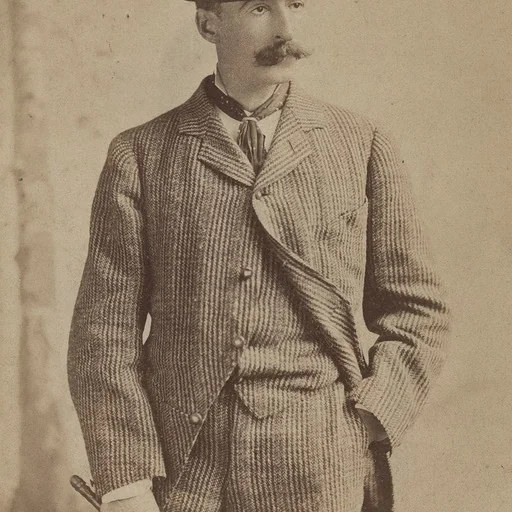
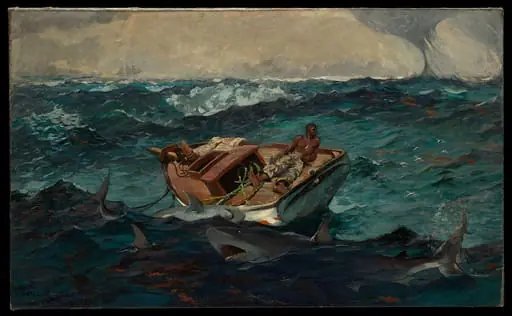
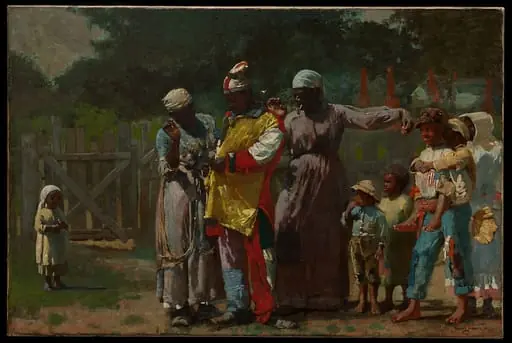
Winslow Homer (February 24, 1836 – September 29, 1910) was an American landscape painter and illustrator, best known for his marine subjects.


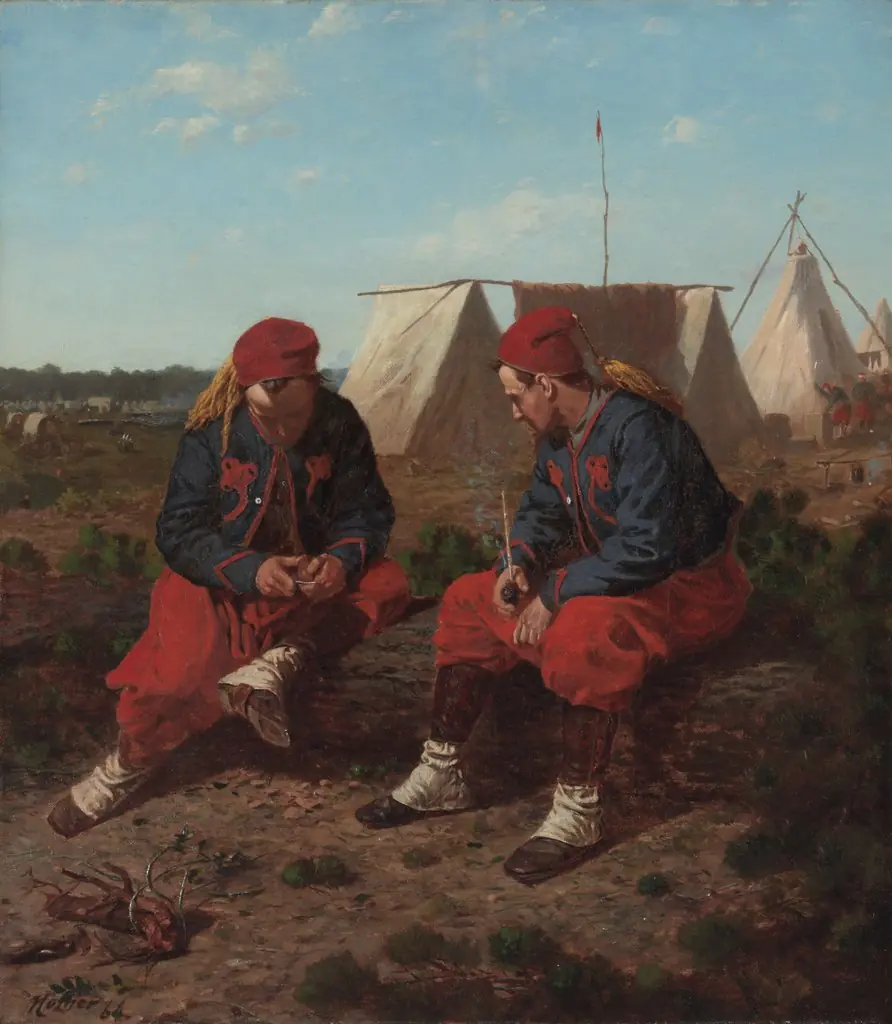
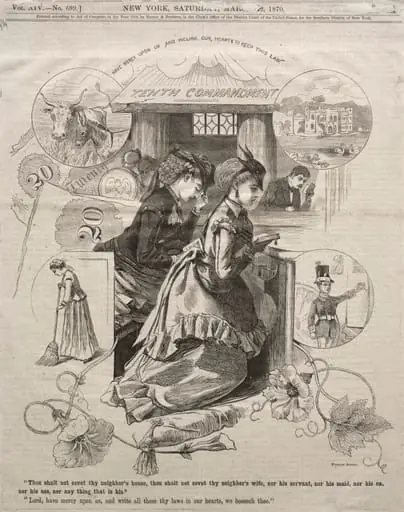 Tenth Commandment
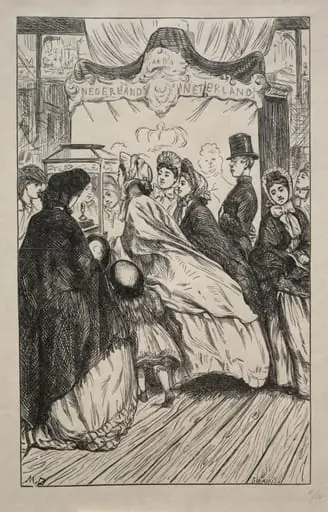 Jewels - At the Great Exhibition
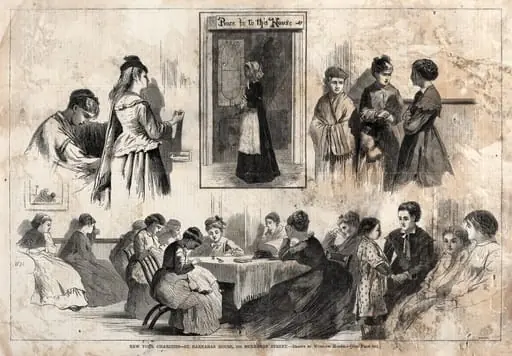 New York Charities - St. Barnabas House, 304 Mulberry Street
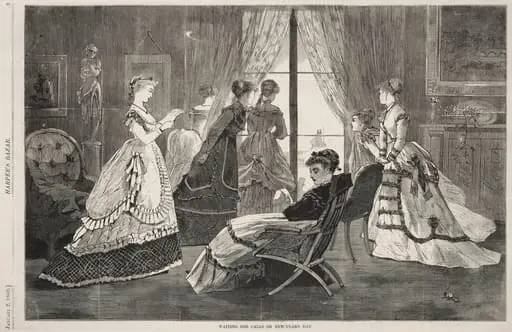 Waiting for Calls on New Year's Day
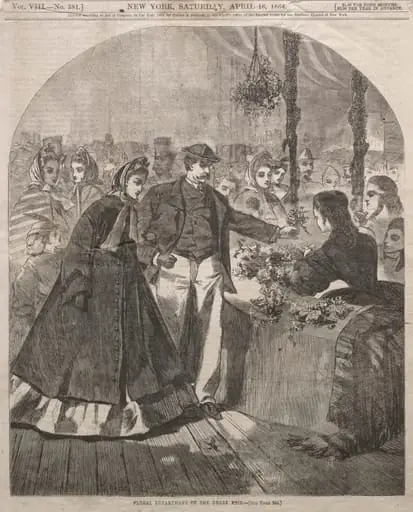 Floral Department of the Great Fair
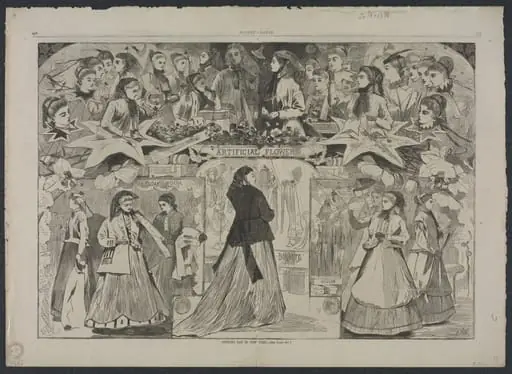 Opening Day in New York
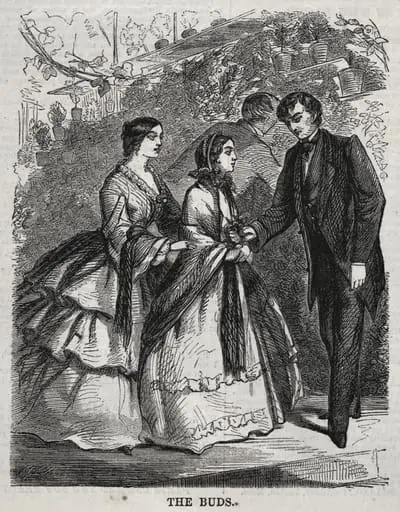 The Buds
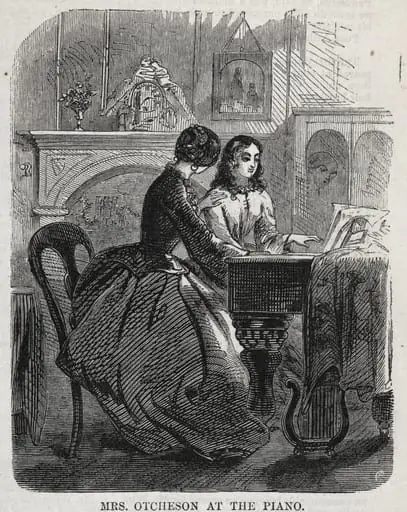 Mrs. Otcheson at the Piano
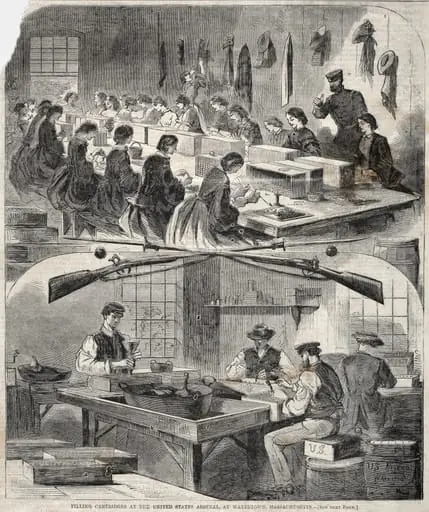 Filling Cartridges at the United States Arsenal, at Watertown, Massachusetts
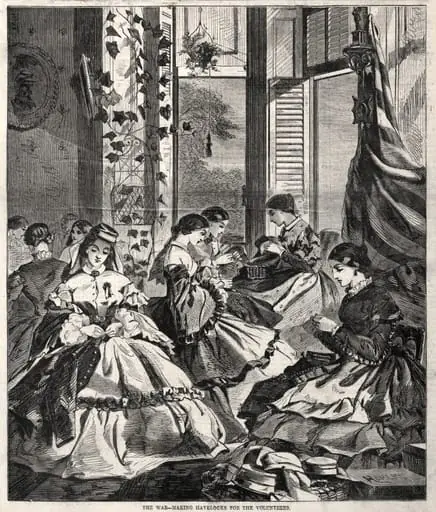 The War - Making Havelocks for the Volunteers