Artwork
Filling Cartridges at the United States Arsenal, at Watertown, Massachusetts
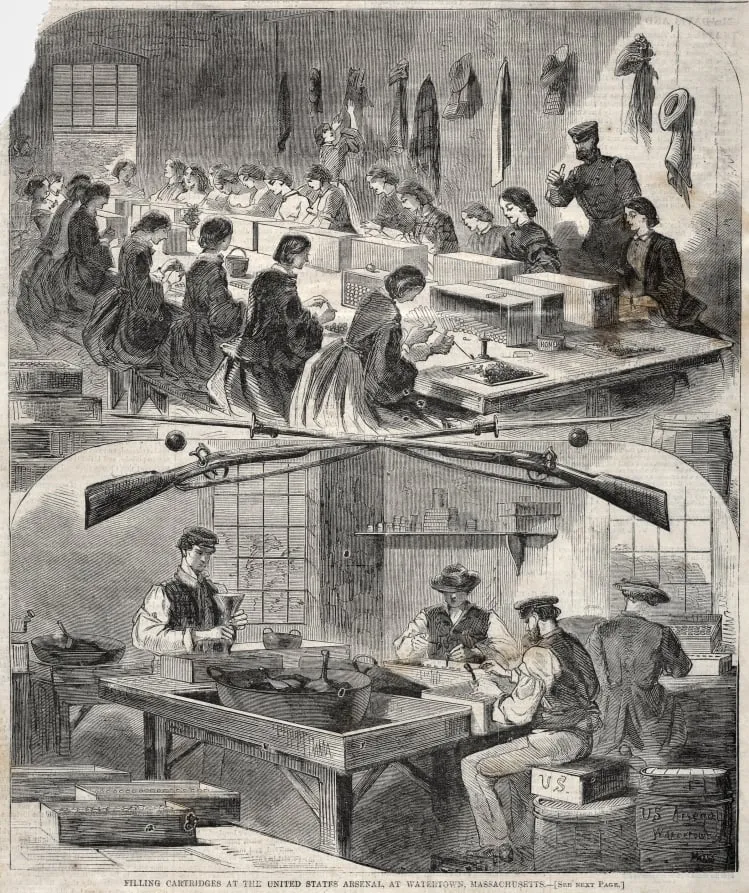
Filling Cartridges at the United States Arsenal, at Watertown, Massachusetts is a print by the Impressionist artist Winslow Homer. It dates from 1861 and is held in the collection of the Cleveland Museum of Art.
About this work
Everyone is focused on their work, some sitting, some standing, all dressed in dark clothes and hats.
This image shows a crowded workshop where people are loading bullets into cartridges. The room is filled with long tables, rifles, and shelves holding hats and tools. Everyone is focused on their work, some sitting, some standing, all dressed in dark clothes and hats.
The drawing was made in 1861, right before the U.S. Civil War. The caption at the bottom confirms this is a scene from the Watertown Arsenal in Massachusetts.
If you like this kind of detailed, everyday work scene, check out Realism next.
Overview
Created in 1861, this print by Winslow Homer captures a moment of industrial labor at the Watertown Arsenal in Massachusetts. Produced early in the Civil War, it reflects Homer’s work as a commercial illustrator documenting wartime production. The scene is grounded in observation rather than drama, emphasizing routine activity over heroism. It belongs to a body of work that recorded American life during a period of national upheaval.
Subject & Meaning
The image portrays workers assembling cartridges in a crowded, utilitarian workshop. Figures are engaged in precise, repetitive tasks—loading powder and bullets into brass casings—under the watchful presence of military oversight. The absence of combat imagery shifts focus to the unseen machinery of war: the labor that sustained it. The scene suggests the quiet, collective effort behind military readiness, devoid of glorification.
Technique & Style
Executed in pen and ink with wash, the drawing employs sharp linework and tonal contrasts to define space and form. Figures are rendered with economical detail, their postures and gestures conveying concentration without individualization. The composition is tightly packed, with horizontal tables and vertical shelves creating rhythmic structure. The muted palette and lack of embellishment align with the documentary aims of 19th-century illustration.
History & Provenance
Homer produced this work as a freelance illustrator for Harper’s Weekly, commissioned to document Union war preparations. The Watertown Arsenal was a key supplier of ammunition, and Homer’s visit in 1861 provided firsthand material for his reports. The print was published shortly after its creation, circulating widely among Northern audiences. Its original context as journalistic illustration shaped its unembellished tone.
Context
In 1861, as the Civil War began, Northern industries rapidly scaled up arms production. Illustrators like Homer were deployed to record these efforts for public consumption, bridging civilian life and military necessity. This image reflects a broader cultural interest in documenting industrial labor, aligning with emerging realist tendencies in American art that valued observable truth over idealized narratives.
Legacy
Though Homer later gained recognition for his marine paintings and watercolors, this early work exemplifies his foundational skill in observational drawing. It remains a significant record of wartime industry and the role of illustration in shaping public understanding of the Civil War. The piece contributes to the historical archive of American labor practices and the visual culture of conflict.
Artist & collection
Artist
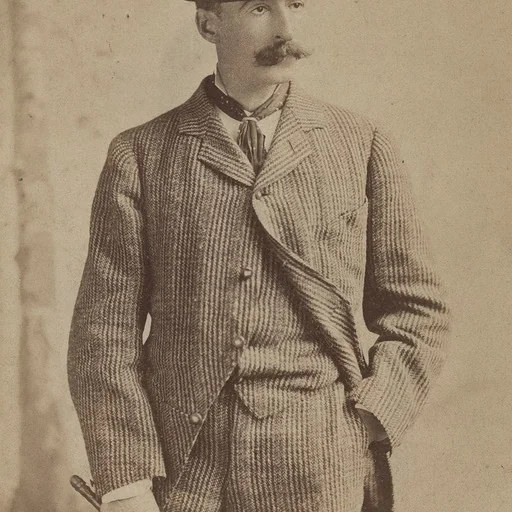
Winslow Homer (February 24, 1836 – September 29, 1910) was an American landscape painter and illustrator, best known for his marine subjects.


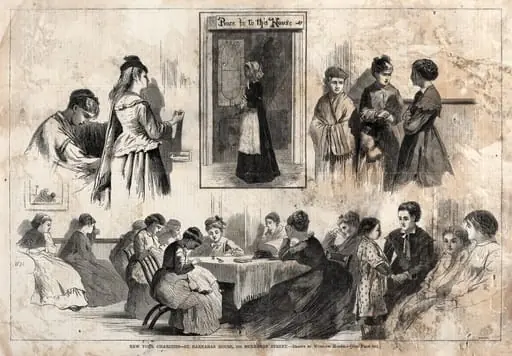 New York Charities - St. Barnabas House, 304 Mulberry Street
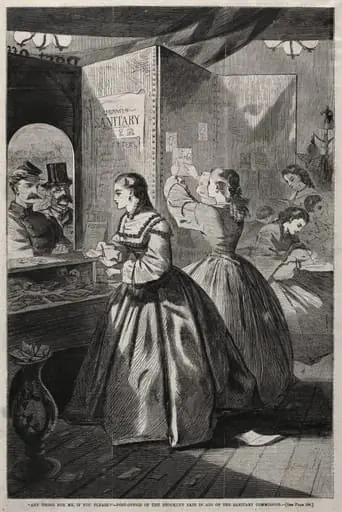 "Any Thing for Me, If you Please?" - Post-Office of the Brooklyn Fair in Aid of the Sanitary Commission
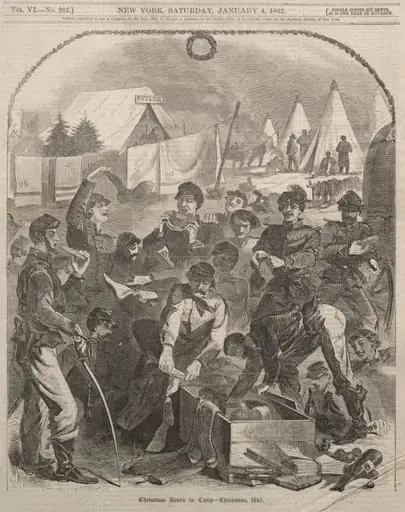 Christmas Boxes in Camp - Christmas, 1861
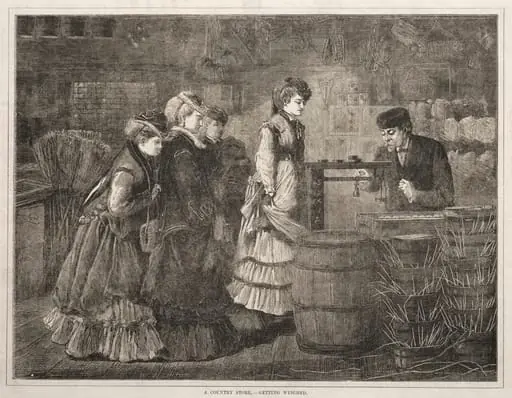 A Country Store, Getting Weighed
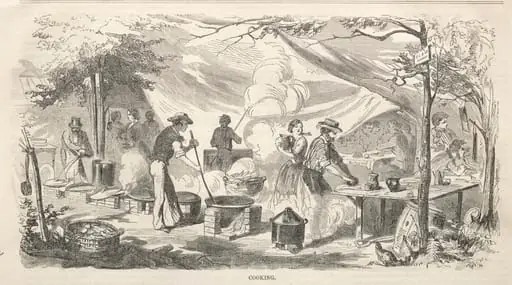 Camp Meeting Sketches: Cooking
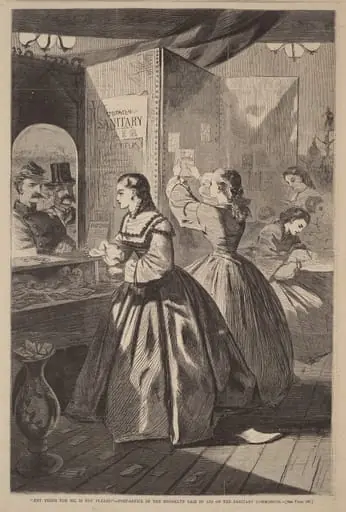 "Any Thing for Me, If You Please?" - Post Office of the Brooklyn Fair in Aid of the Sanitary Commission
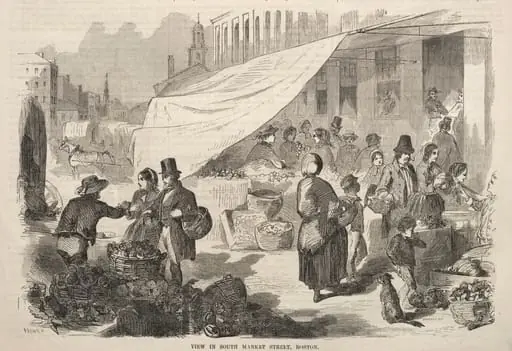 View in South Market Street, Boston
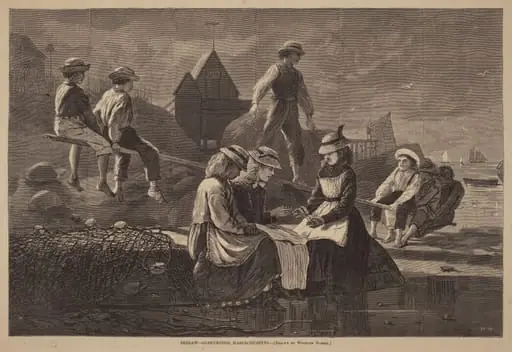 Seesaw - Gloucester, Massachusetts
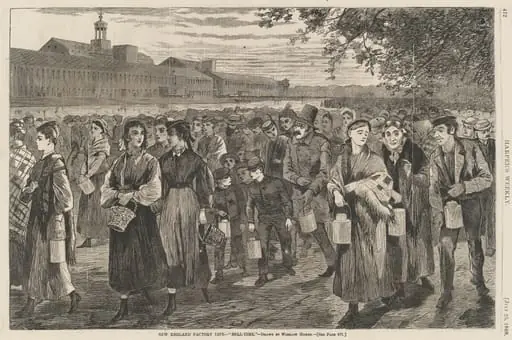 New England Factory Life - Bell-Time
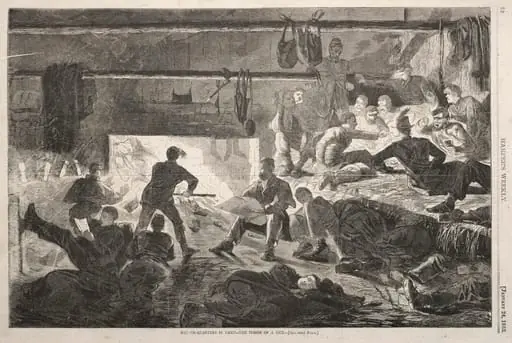 Winter Quarters in Camp - The Inside of a Hut
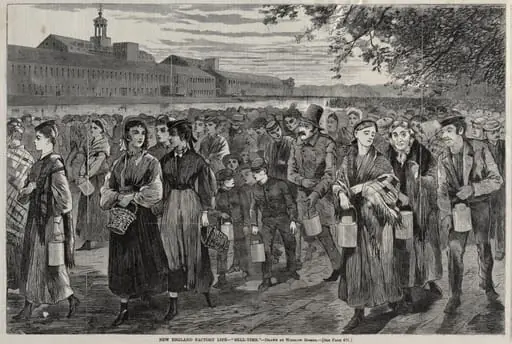 New England Factory Life - "Bell-Time"
 Thanksgiving in Camp