Artwork
August in the Country - The Seashore
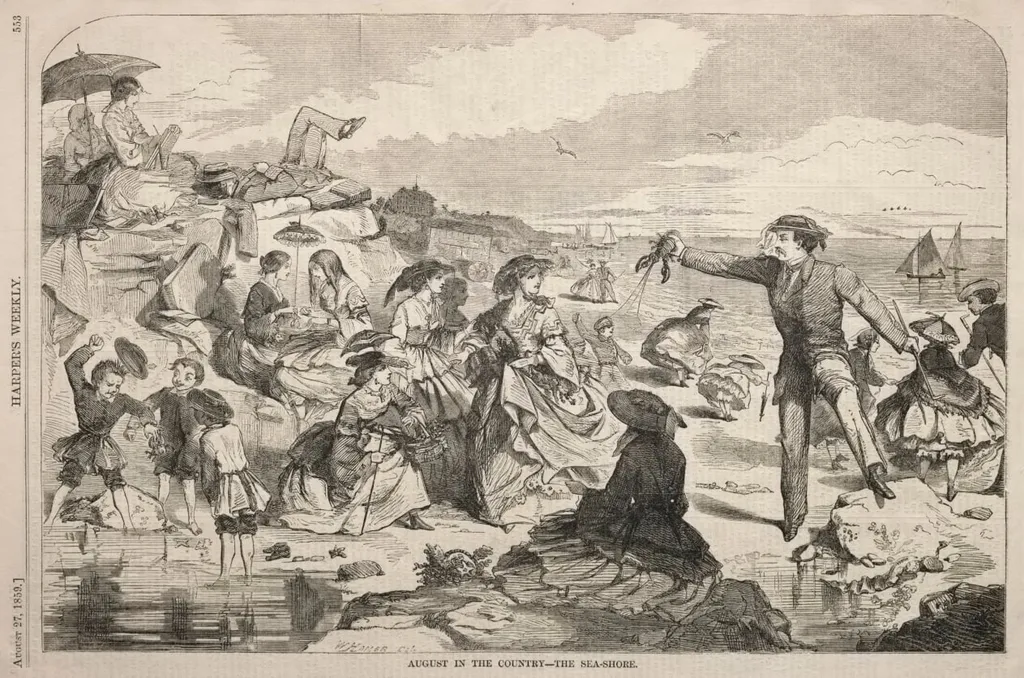
August in the Country - The Seashore is a print by the Impressionist artist Winslow Homer. It dates from 1859 and is held in the collection of the Cleveland Museum of Art.
About this work
Overview
Unlike his later marine works, this piece emphasizes human activity rather than the power of nature, revealing his developing eye for social observation.
Created in 1859, *August in the Country – The Seashore* is an early oil painting by Winslow Homer, made as he transitioned from commercial illustration to fine art. The work captures a bustling seaside scene in summer, reflecting Homer’s growing interest in depicting ordinary American life. Unlike his later marine works, this piece emphasizes human activity rather than the power of nature, revealing his developing eye for social observation.
Subject & Meaning
The painting portrays a diverse group of leisure-seekers on a coastal shore—families under umbrellas, children wading, a man holding a bird on a string, and distant boats. These figures suggest mid-19th-century recreational habits, where beach outings were becoming accessible to urban middle classes. The scene conveys quiet sociability rather than drama, offering a modest but deliberate record of seasonal ritual and public space.
Technique & Style
Homer employs a dense, textured brushwork that gives weight to figures and landscape alike. Lines are loosely defined, suggesting movement through posture and gesture rather than detail. The cloudy sky and muted palette ground the scene in realism, while the arrangement of forms creates rhythmic visual flow across the composition. His handling shows the influence of illustration’s clarity, now adapted to oil’s physicality.
History & Provenance
Painted shortly after Homer left his career as a printmaker for Harper’s Weekly, this work belongs to his formative years as a fine artist. It predates his acclaimed Civil War illustrations and his later seascapes. The painting remained in private collections for much of the 20th century before entering a public museum, where it now serves as evidence of his artistic evolution from commercial work to independent expression.
Context
In the late 1850s, American artists increasingly turned to everyday life as subject matter, influenced by European Realism. Coastal recreation was becoming a cultural phenomenon, aided by rail travel and rising leisure time. Homer’s depiction aligns with this trend, capturing a moment when the beach shifted from remote edge to accessible retreat, reflecting broader social changes in post-industrial America.
Legacy
Though less known than Homer’s later seascapes, this early work illustrates his foundational interest in human behavior within natural settings. It demonstrates his ability to translate observational detail into cohesive narrative, a skill that would define his mature style. The painting stands as a quiet precursor to his lifelong exploration of people and environment in balance.
Artist & collection
Artist
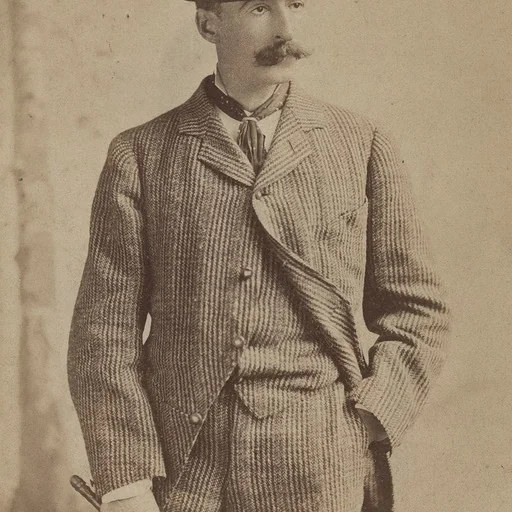
Winslow Homer (February 24, 1836 – September 29, 1910) was an American landscape painter and illustrator, best known for his marine subjects.

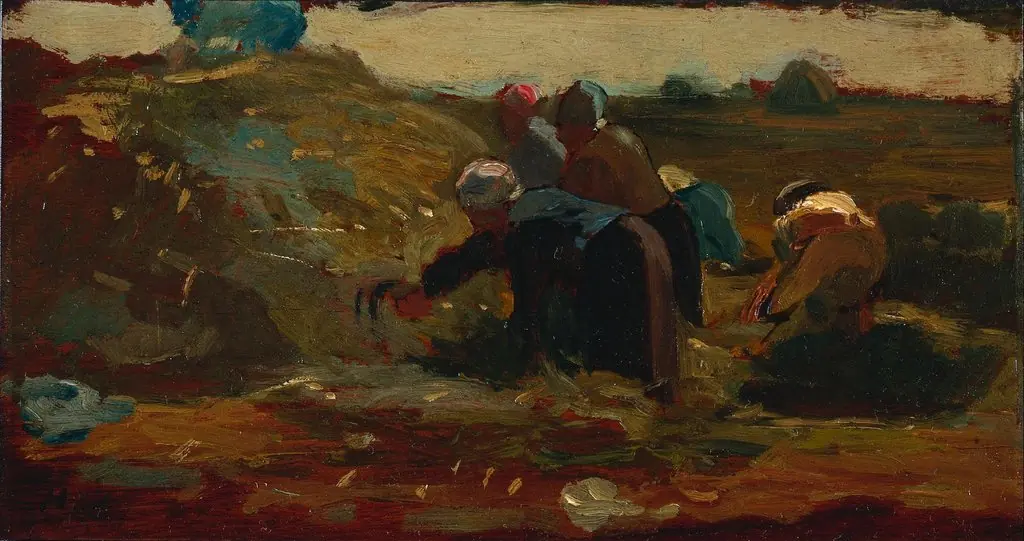
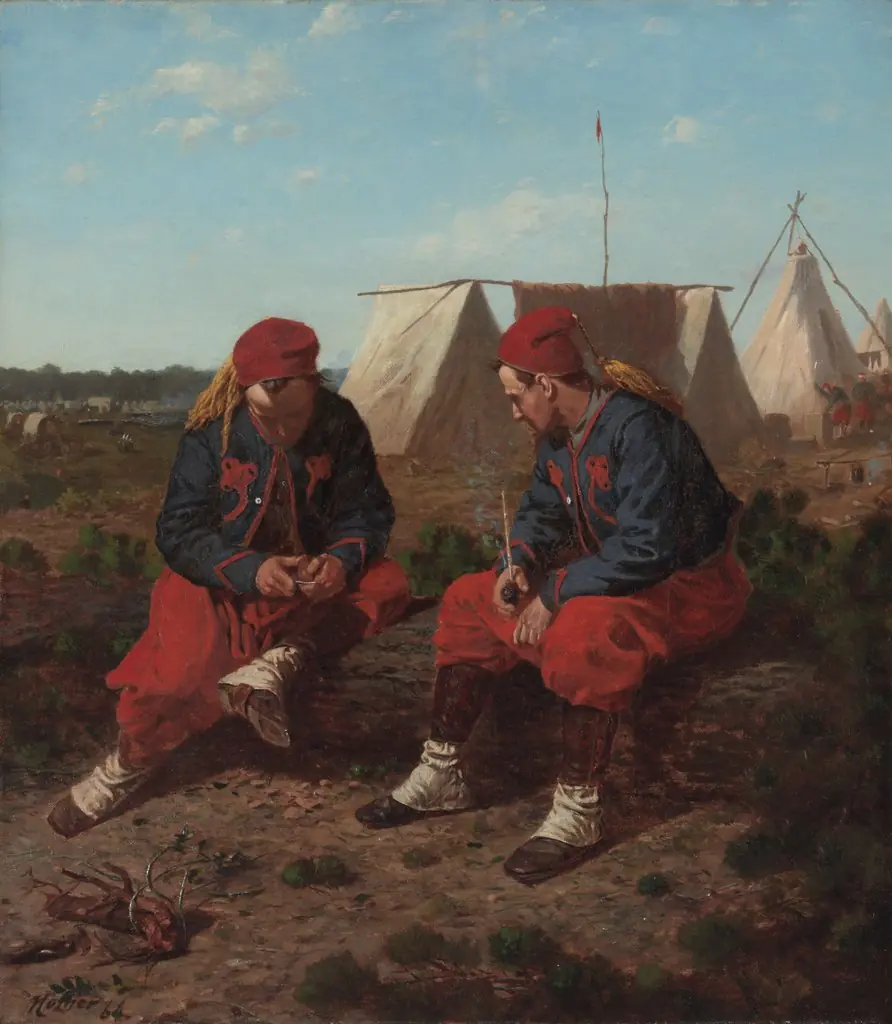
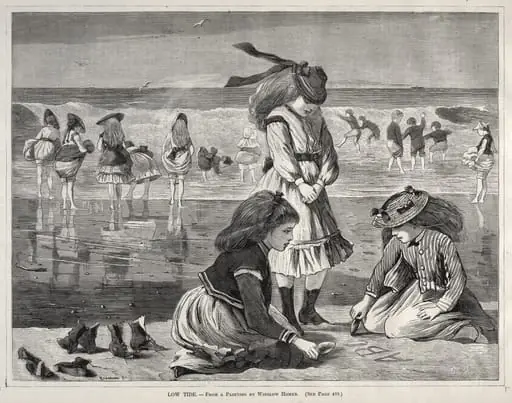 Low Tide
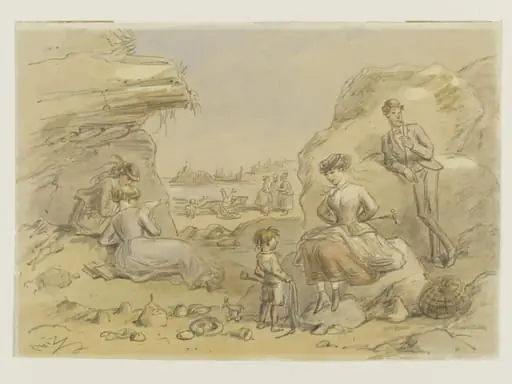 A beach scene
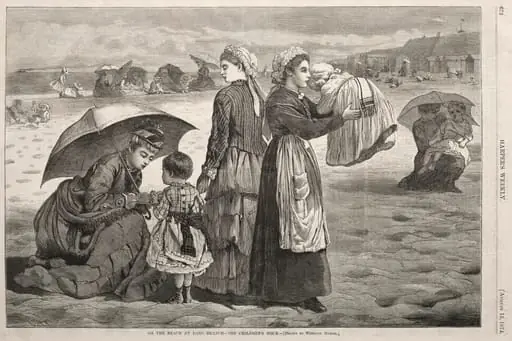 On the Beach at Long Branch - The Children's Hour
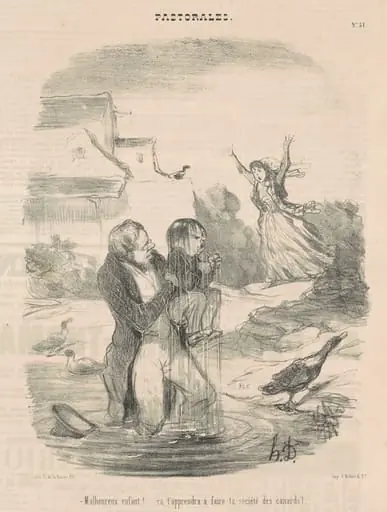 Malheureux enfant! ... Ca t'appendra a faire ...
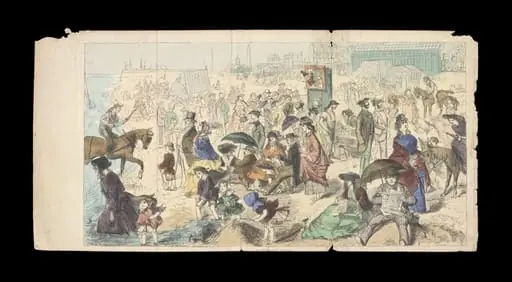 George Speaight Punch & Judy Collection
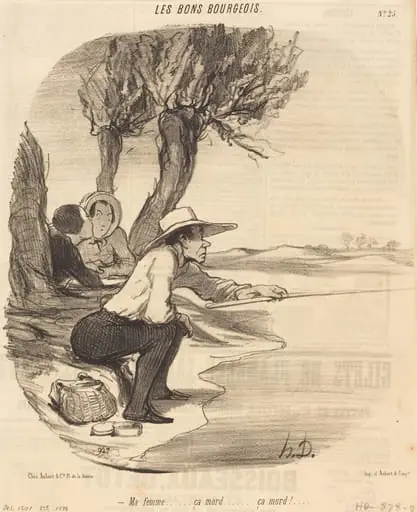 Ma femme... ça mord... ça mord!
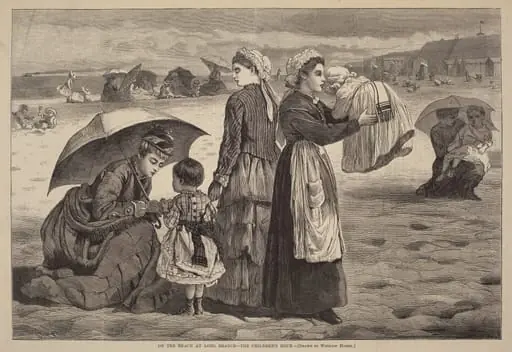 On the Beach at Long Branch - The Children's Hour
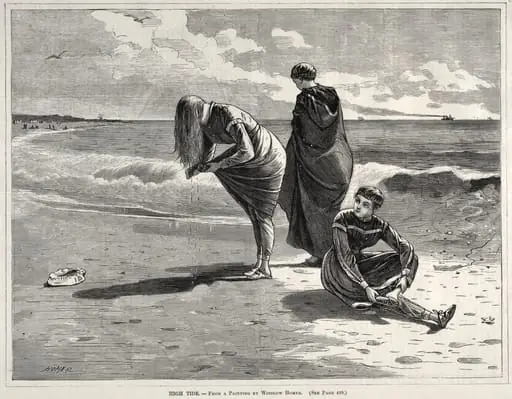 High Tide
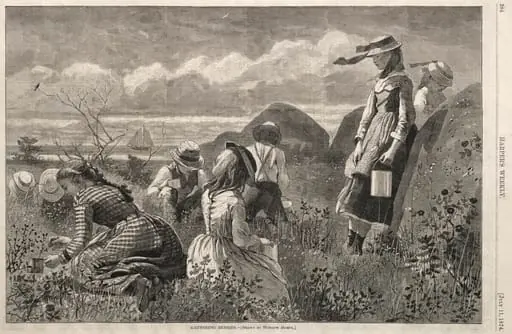 Gathering Berries
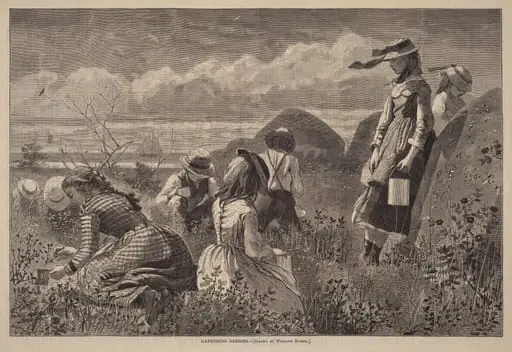 Gathering Berries
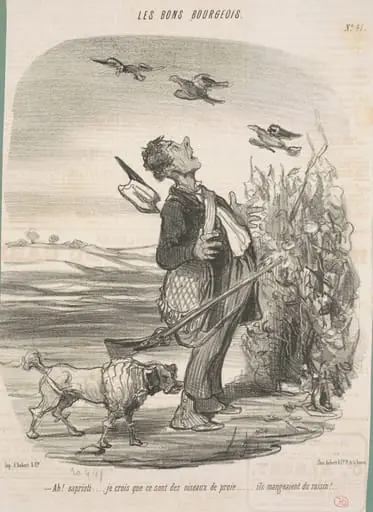 Ah! ... Je crois que ce sont des oiseaux de proie ...
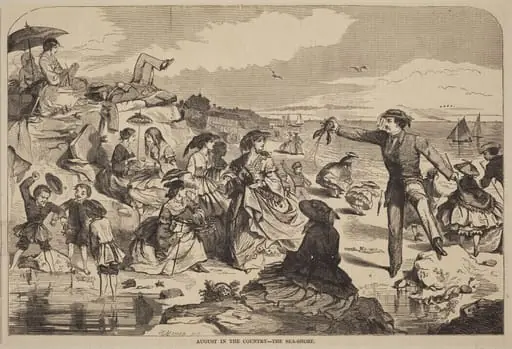 August in the Country - The Sea Shore