Artwork
Captain J. W. Watkins
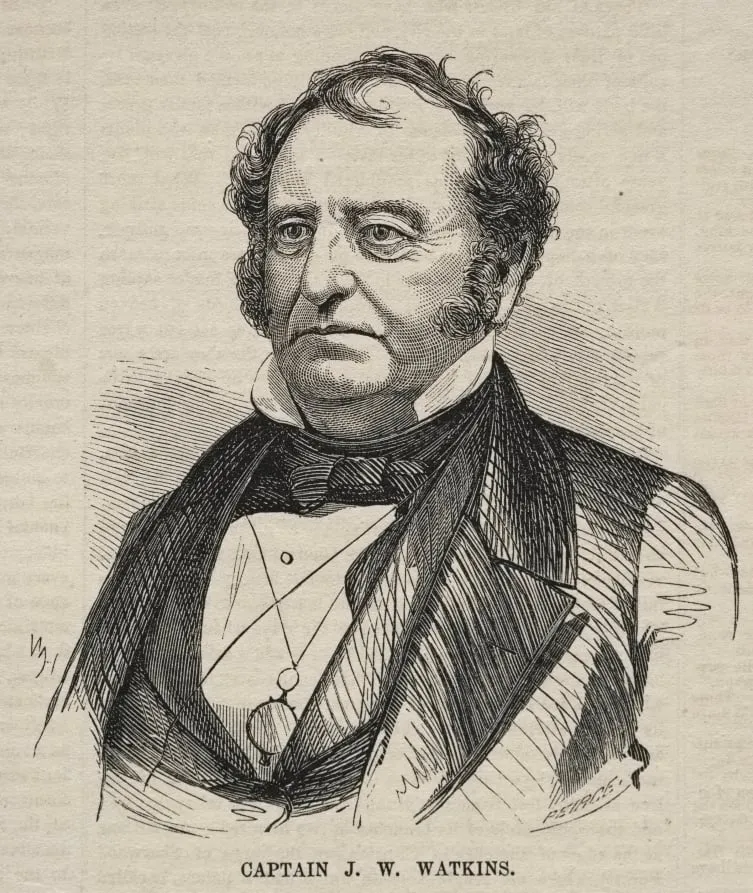
Captain J. W. Watkins is a print by the Impressionist artist Winslow Homer. It dates from 1857 and is held in the collection of the Cleveland Museum of Art.
About this work
Overview
Executed early in Homer’s career, the work reflects his transition from illustration to more serious portraiture.
Created in 1857, this black-and-white print by Winslow Homer portrays Captain J. W. Watkins, a figure from American maritime life. Executed early in Homer’s career, the work reflects his transition from illustration to more serious portraiture. The composition emphasizes the subject’s presence through restrained detail and careful tonal modeling, characteristic of Homer’s developing artistic voice before his later marine scenes.
Subject & Meaning
The subject, Captain J. W. Watkins, is depicted in formal naval attire, suggesting his professional identity and social standing. His serious expression and composed posture convey dignity and gravitas. The portrait does not idealize but instead presents a straightforward representation of a man in midlife, reflecting 19th-century values of duty and restraint. The focus remains on character rather than narrative or symbolism.
Technique & Style
Homer employed clean, controlled lines and subtle shading to model the face and clothing, creating a sense of volume without excessive detail. The high collar and bow tie are rendered with precision, while the background remains minimal to direct attention to the figure. The tonal range is limited but effective, using contrast to define form and texture, aligning with the principles of contemporary American realism.
History & Provenance
This print was made during Homer’s early years as a commercial artist, before he gained recognition for oil paintings. It likely originated as a commissioned portrait or illustration for publication. Its survival as a standalone work suggests it held personal or professional significance to Homer, possibly serving as a study in character rendering during his formative period.
Context
In the 1850s, American art was increasingly interested in depicting ordinary individuals with sincerity. Illustrators like Homer responded to a growing demand for realistic imagery in books and periodicals. This portrait fits within that trend, capturing a civilian with military rank through a lens of quiet observation rather than heroic grandeur, reflecting broader cultural shifts toward realism.
Legacy
Though less known than Homer’s later seascapes, this portrait reveals the foundations of his artistic approach: attention to human presence, restraint in detail, and a commitment to truthful representation. It stands as an early example of how his illustrative training informed his mature style, influencing how American artists approached portraiture in the decades that followed.
Artist & collection
Artist
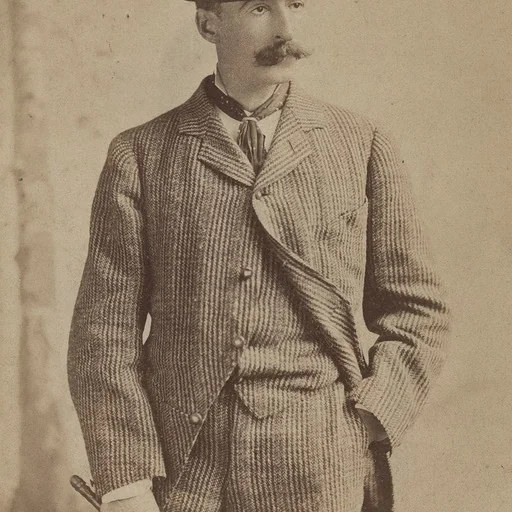
Winslow Homer (February 24, 1836 – September 29, 1910) was an American landscape painter and illustrator, best known for his marine subjects.

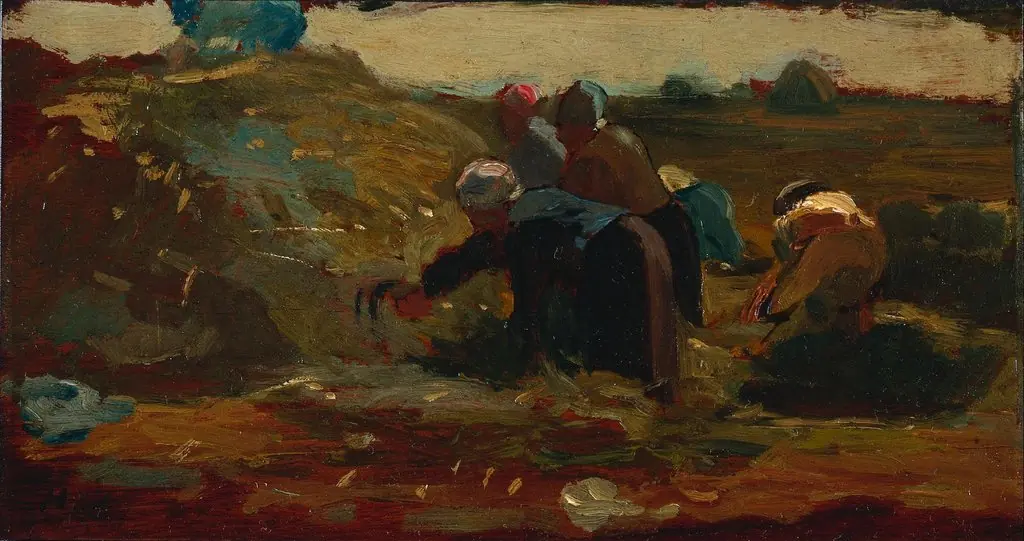
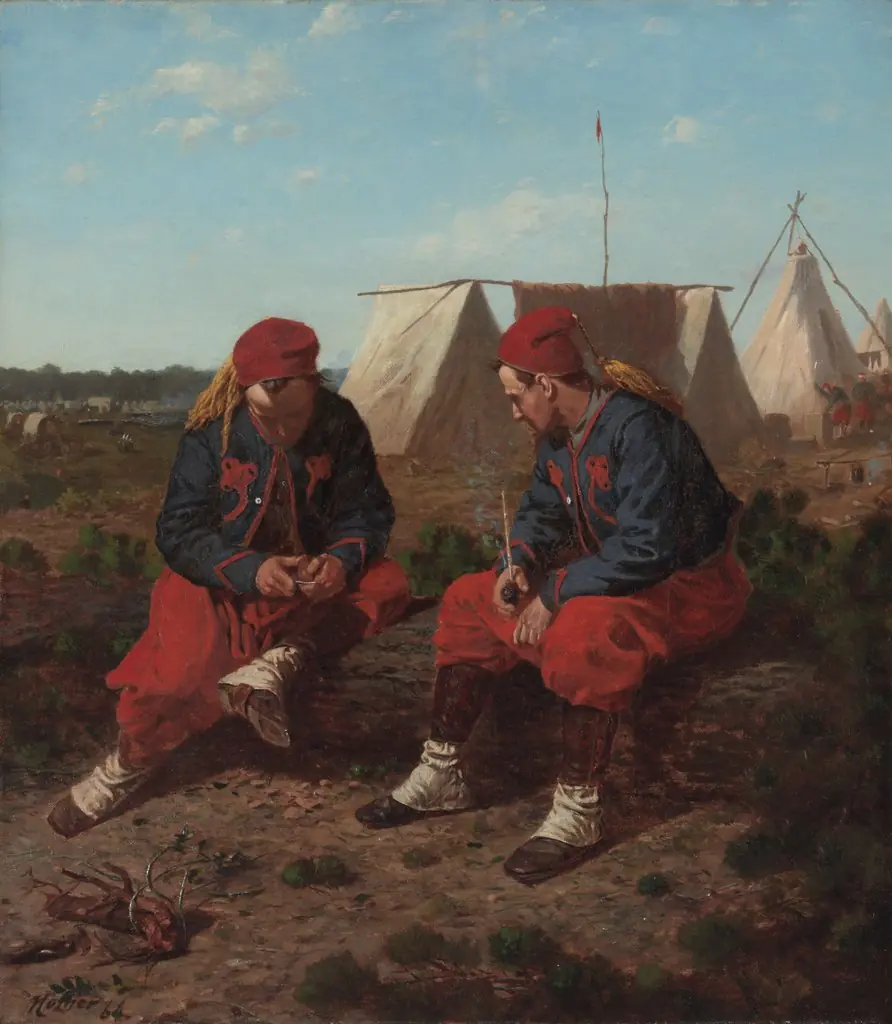
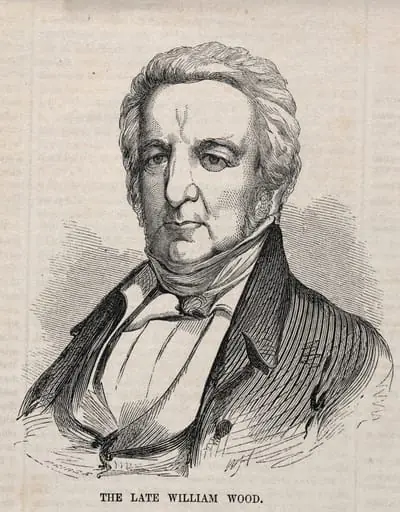 The Late William Wood
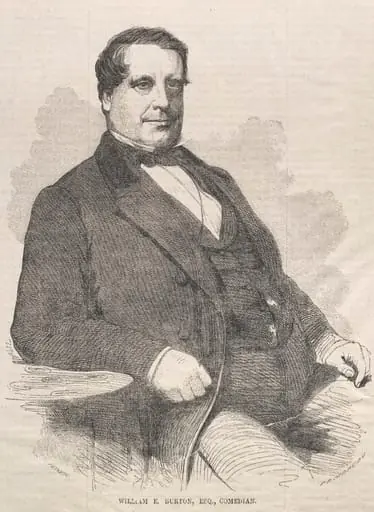 William E. Burton, Esq., Comedian
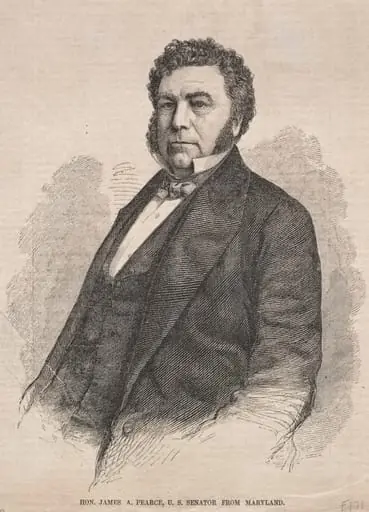 Hon. James A. Pearce, U. S. Senator from Maryland
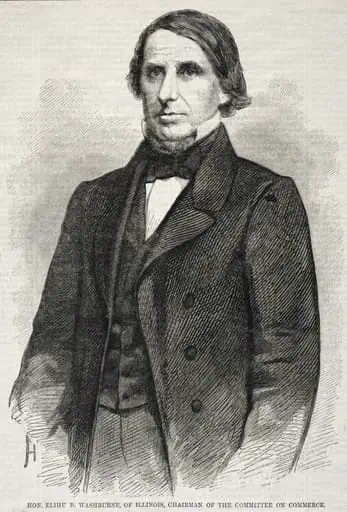 Hon. Elihu B. Washburne, of Illinois, Chairman of the Committee on Commerce
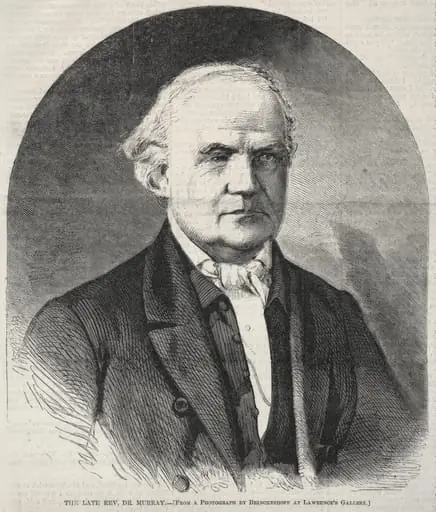 The Late Rev. Dr. Murray
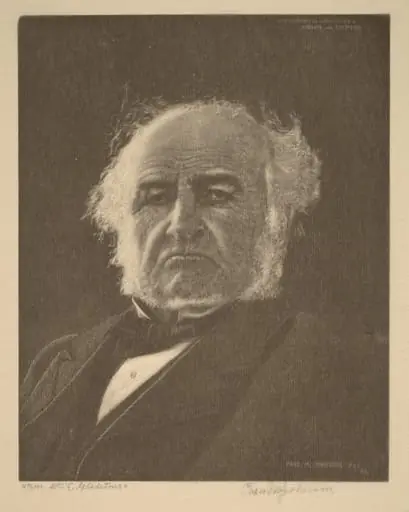 William Gladstone
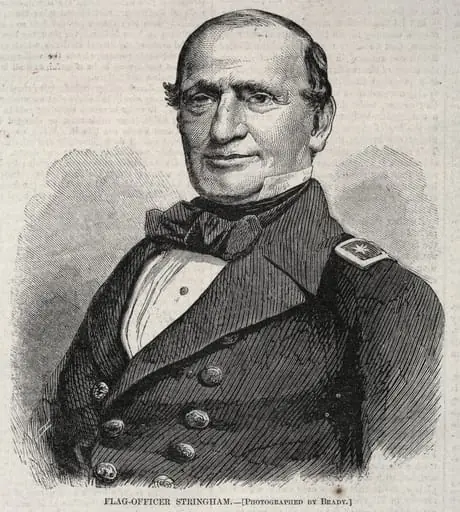 Flag Officer Stringham
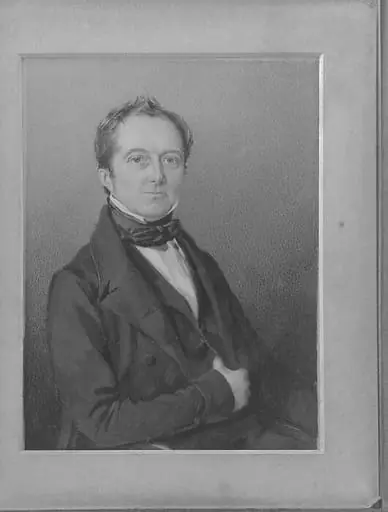 Uncle Charles
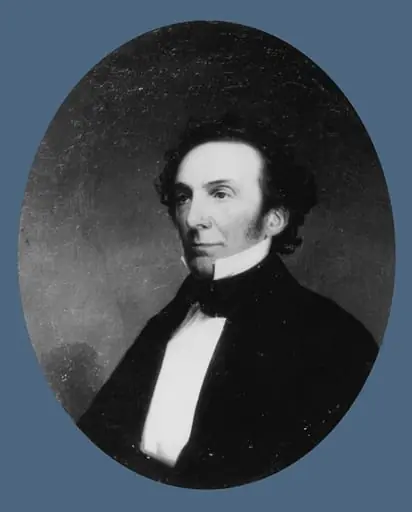 David Clarkson
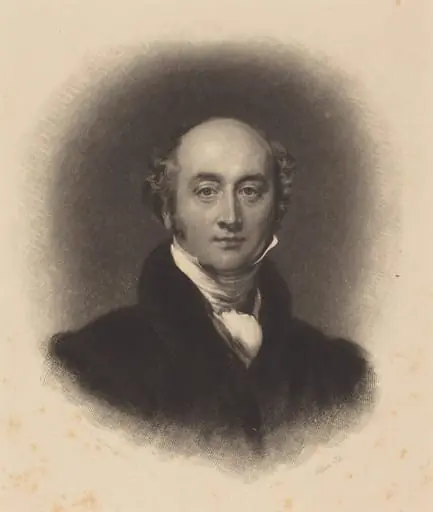 Sir Thomas Lawrence
 Guy Little Theatrical Photograph
 Captain Warren Delano