Artwork
Hon. James A. Pearce, U. S. Senator from Maryland
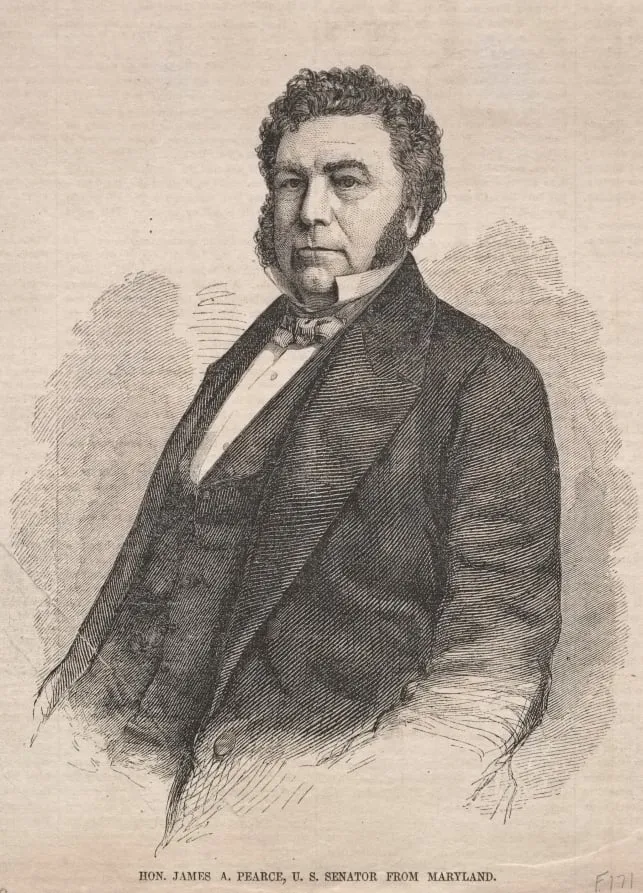
Hon. James A. Pearce, U. S. Senator from Maryland is a print by the Impressionist artist Winslow Homer. It dates from 1859 and is held in the collection of the Cleveland Museum of Art. Created in 1859, this black-and-white print is a portrait of James A.
About this work
This is a black-and-white portrait of a man in a dark suit with a high collar and a bow tie.
This is a black-and-white portrait of a man in a dark suit with a high collar and a bow tie. His hair is curly, and he’s looking straight ahead with a serious expression. The background is plain, with soft shading around his shoulders.
The name below reads "Hon. James A. Pearce, U.S. Senator from Maryland," and it was made in 1859. The artist used simple lines and shading to show his face and clothes.
This style is part of the Realism movement—look it up next.
Overview
Created in 1859, this black-and-white print is a portrait of James A. Pearce, a U.S. Senator from Maryland. It was produced by Winslow Homer, who was then primarily known for his work as a commercial illustrator. The image is rendered in ink with subtle tonal gradations, emphasizing clarity and restraint. It belongs to the collection of The Cleveland Museum of Art and reflects Homer’s early focus on portraiture before his shift toward landscape painting.
Subject & Meaning
James A. Pearce is depicted in formal attire, wearing a dark suit, high collar, and bow tie, conveying his public role and social standing. His direct gaze and composed expression suggest authority and solemnity, consistent with the expectations of political portraiture in mid-19th-century America. The absence of symbolic elements or elaborate settings directs attention to the subject’s presence and character, reinforcing a sense of dignified civic responsibility.
Technique & Style
Homer employed fine linear ink work and soft washes to model the senator’s features and clothing, avoiding overt detail in favor of suggestive shading. The plain background isolates the figure, enhancing focus on facial structure and posture. This restrained approach aligns with the principles of Realism, prioritizing truthful representation over idealization. The technique reflects Homer’s illustrative training, where clarity and efficiency were essential for reproduction in print media.
History & Provenance
The print was made during Homer’s early career, before he gained recognition as a painter of marine scenes. It likely served as a published portrait for a newspaper or periodical, common for political figures of the time. The work entered the Cleveland Museum of Art’s collection through documented acquisitions, preserving its connection to both Homer’s development as an artist and the visual culture of American political life in the 1850s.
Context
In 1859, the United States was deeply divided over slavery and states’ rights. As a senator from Maryland, a border state, Pearce was involved in contentious legislative debates. Portraits like this one were tools of public image, used to project stability and gravitas amid national tension. Homer’s depiction, stripped of ornament, mirrors the era’s preference for sober, factual representation in both politics and print media.
Legacy
This portrait stands as an early example of Homer’s ability to convey character through minimal means. While he later became known for landscapes and seascapes, this work demonstrates his foundational skill in observation and composition. It remains a quiet but significant record of how visual media shaped public perception of political figures in the decades before the Civil War.
Artist & collection
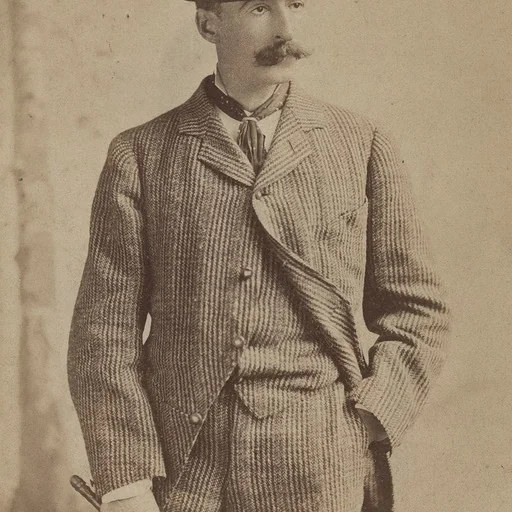
Artist
Winslow Homer (February 24, 1836 – September 29, 1910) was an American landscape painter and illustrator, best known for his marine subjects.

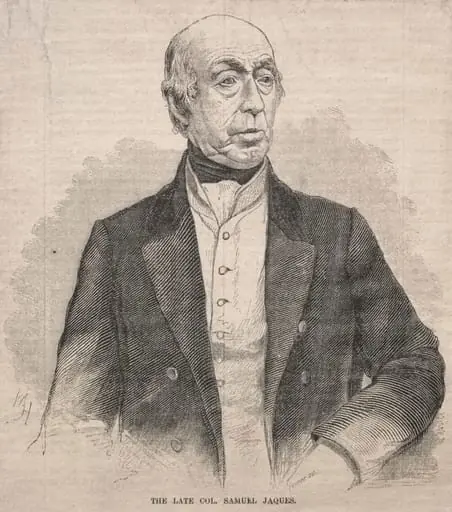 The Late Col. Samuel Jaques
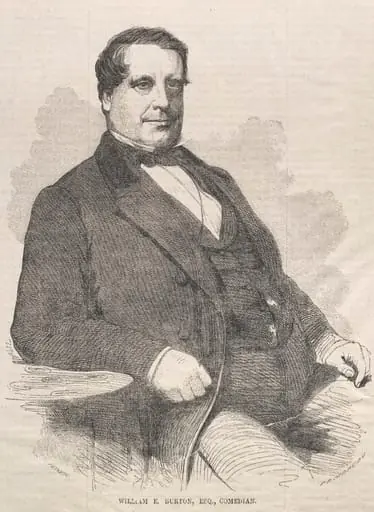 William E. Burton, Esq., Comedian
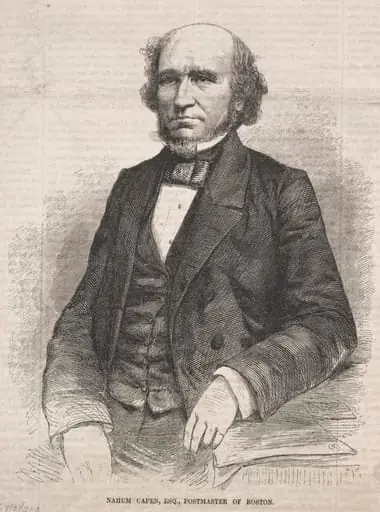 Nahum Capen, Esq., Postmaster of Boston
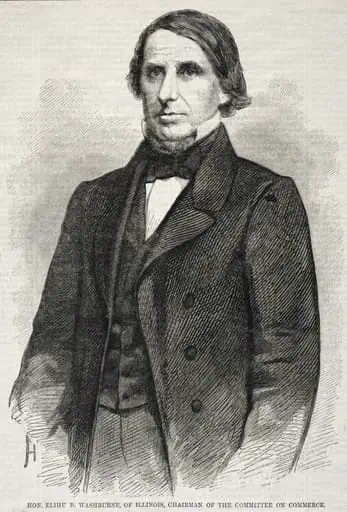 Hon. Elihu B. Washburne, of Illinois, Chairman of the Committee on Commerce
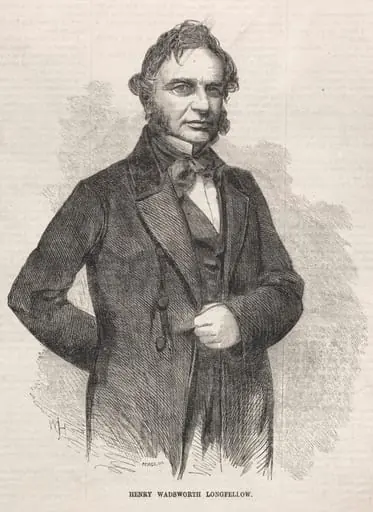 Henry Wadsworth Longfellow
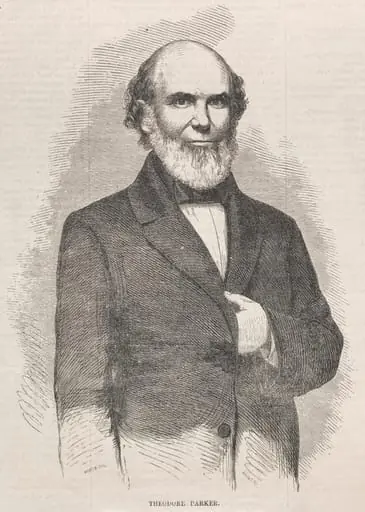 Theodore Parker
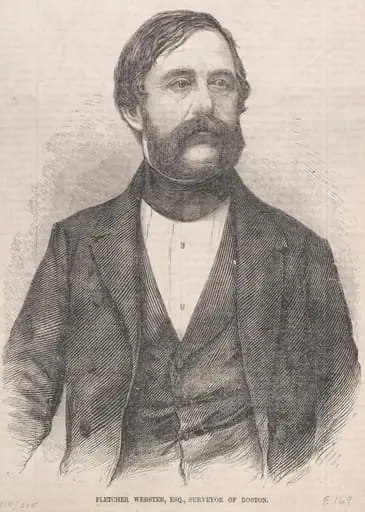 Fletcher Webster, Esq., Surveyor of Boston
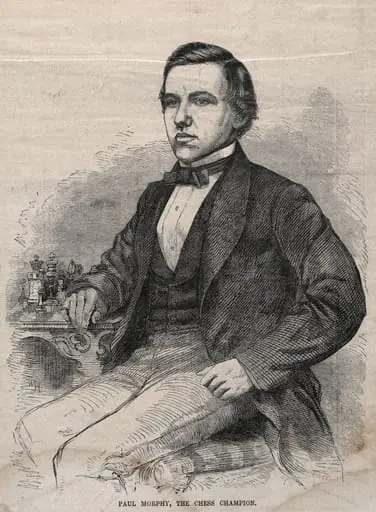 Paul Morphy, The Chess Champion
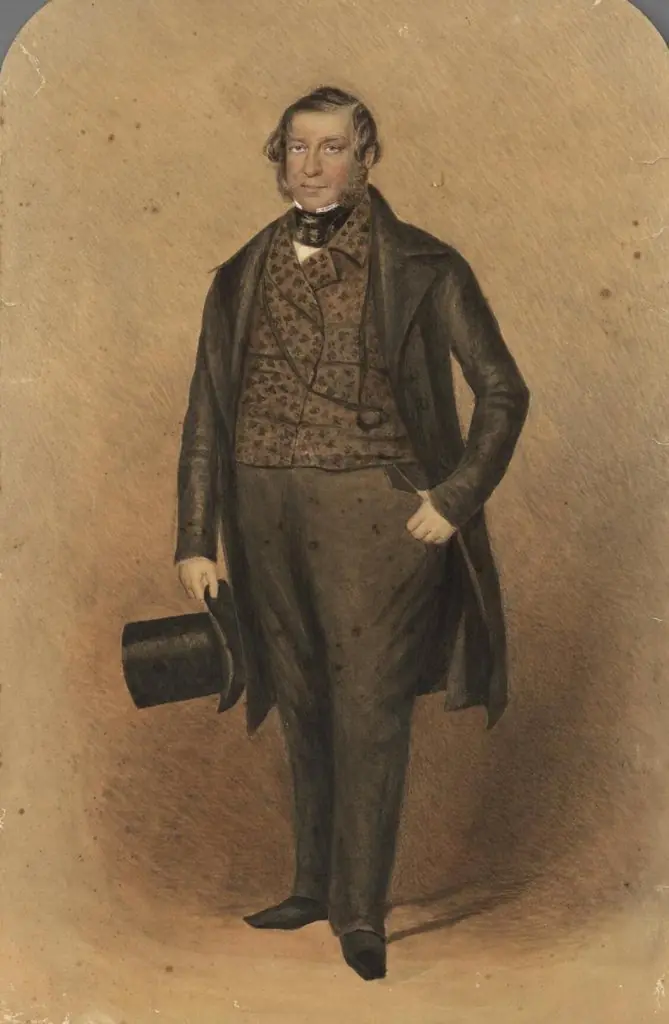 Frederick Augustus Jones
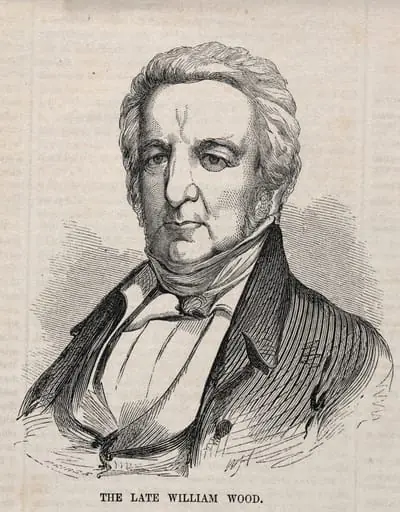 The Late William Wood
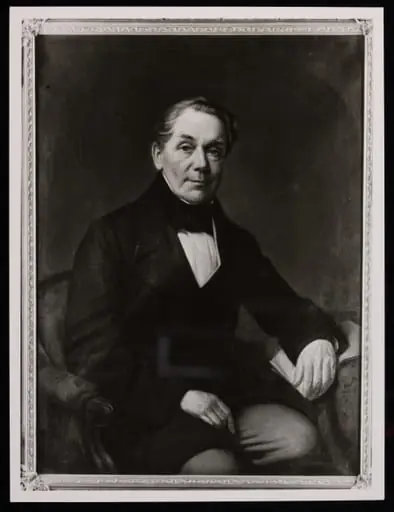 Liebich, Adolf
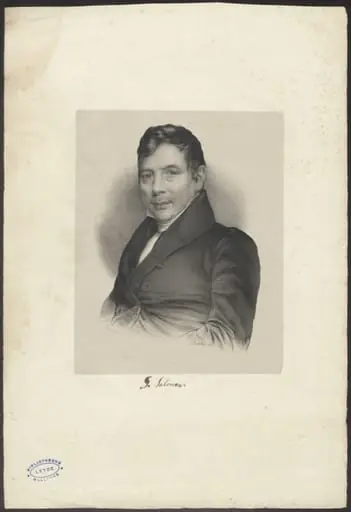 Portrait of G. Salomon